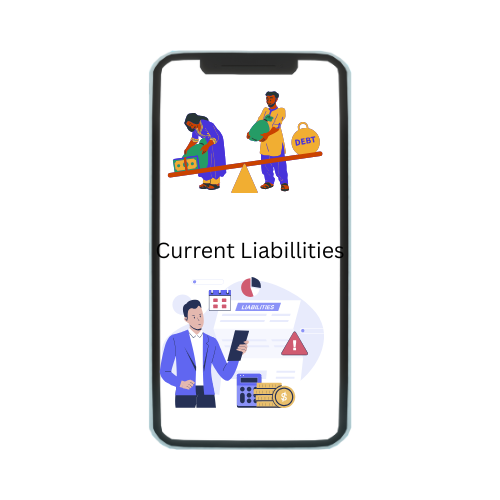
Whether you’re a small business owner, a finance student, or someone trying to decode a company’s balance sheet, understanding current liabilities is essential. These short-term obligations tell you a lot about a company’s financial health, cash flow management, and ability to meet immediate commitments.
In this blog, we’ll walk through the current liabilities meaning, definition, types, examples, how they’re calculated, and why they matter to different stakeholders. And we’ll do it in a conversational tone, with relatable, everyday examples that make finance feel less intimidating and more intuitive.
Introduction & Definition
Let’s start with the basics. Imagine you run a small café. You’ve got bills to pay milk suppliers, electricity, staff salaries, and maybe a short-term loan from the bank. These are all current liabilities. They’re the financial obligations you need to settle within a short period typically within a year.
What Are Current Liabilities?
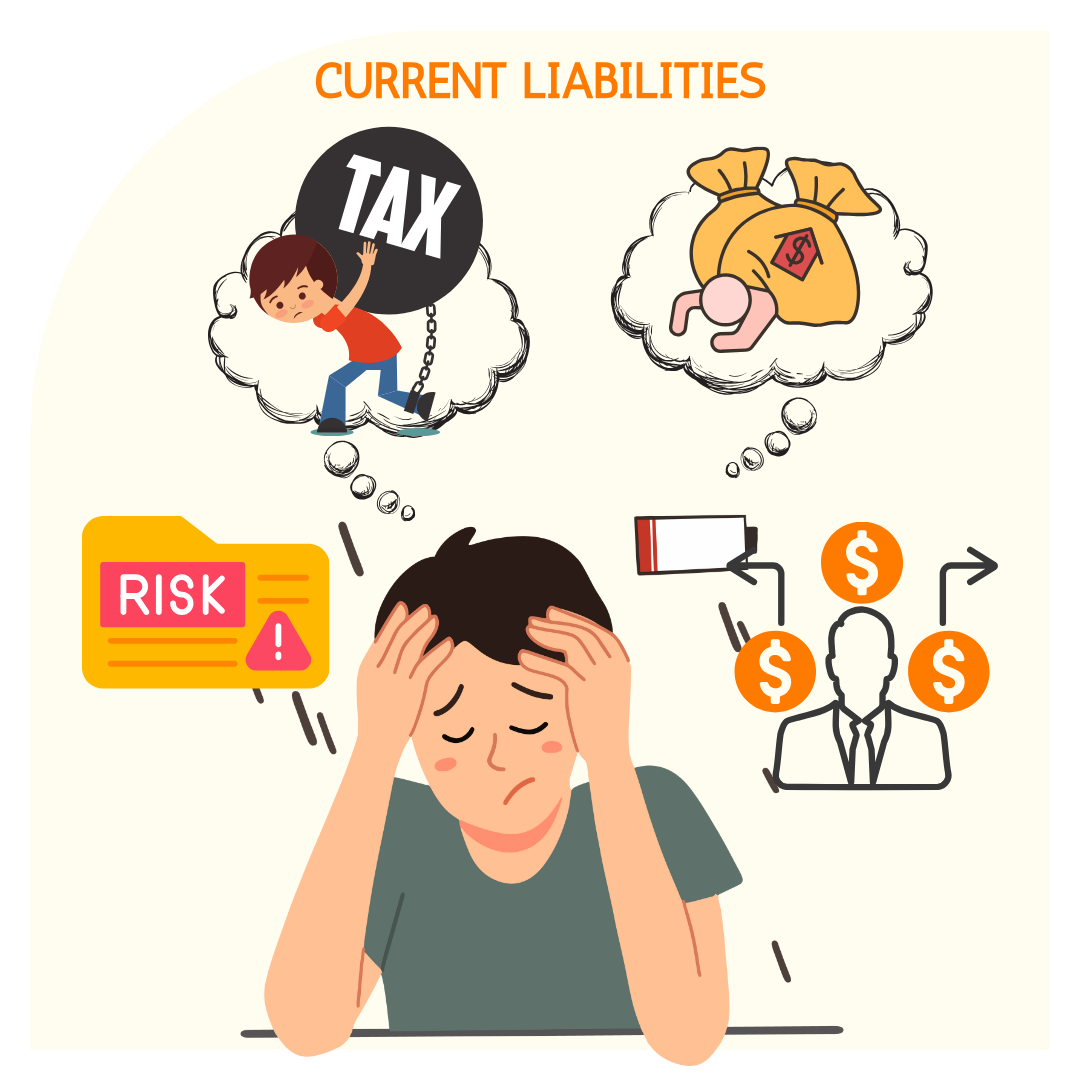
Current liabilities are debts or obligations that a company must pay within one year or within its operating cycle, whichever is longer. These are settled using current assets like cash, accounts receivable, or inventory.
Current Liabilities Definition
“Current liabilities are short-term financial obligations that are due within one year and are typically settled using current assets.”
In simpler terms, current liabilities are like your monthly bills—they’re not optional, and they’re not far off in the future. They’re due soon, and you need to plan for them.
Types of Current Liability & Examples
Now that we know what current liabilities mean, let’s explore the different types. Each type reflects a different kind of short-term obligation, and understanding them helps you read financial statements more effectively.
This is one of the most common current liabilities. It refers to money owed to suppliers for goods or services received but not yet paid for. For example You run a clothing store and order ₹2 lakh worth of inventory from a wholesaler. You agree to pay in 30 days. Until you pay, that ₹2 lakh sits in your accounts payable. High accounts payable might mean the business is relying heavily on supplier credit. But if it’s too high compared to current assets, it could signal liquidity issues.
- Short-Term Loans
These are borrowings that must be repaid within a year. They can include working capital loans, overdrafts, or short-term credit lines. For example a bakery takes a ₹5 lakh loan to buy a new oven, repayable in 9 months. That loan is a current liability. Short-term loans can help businesses manage cash flow, but they also add pressure to repay quickly.
These are expenses that have been incurred but not yet paid. Think of them as bills that are due but haven’t been settled yet. For example you owe your employees ₹1 lakh in salaries for August, but you’ll pay them on the 5th of September. That ₹1 lakh is an accrued expense. Accrued expenses show up even if no cash has left the business yet. They help present a more accurate picture of financial obligations.
- Unearned Revenue
This might sound odd, how can revenue be a liability? But if a customer pays in advance for a product or service you haven’t delivered yet, it’s considered a liability until you fulfill the obligation. For example a coaching centre receives ₹50,000 upfront for a 3-month course. Until the course is completed, that amount is recorded as unearned revenue. It reflects the company’s obligation to deliver value. Once the service is provided, it’s converted into actual revenue.
- Taxes Payable
These are taxes collected or owed but not yet paid to the government. It includes GST, TDS, corporate tax, etc. Suppose if you collect ₹10,000 in GST from customers in August but will pay it to the government in September. That ₹10,000 is a current liability. Timely payment of taxes is crucial to avoid penalties and maintain compliance.
- Dividends Payable
If a company declares dividends but hasn’t paid them yet, the amount becomes a current liability. For example a company announces ₹2 crore in dividends to shareholders, payable next month. Until paid, it’s a liability. It reflects the company’s commitment to shareholders and affects cash planning.
Calculation & Financial Impact
Calculating current liabilities isn’t about applying a formula—it’s about identifying and summing up all short-term obligations listed on the balance sheet.
How to Calculate Current Liabilities
Current Liabilities = Accounts Payable + Short-Term Loans + Accrued Expenses + Unearned Revenue + Taxes Payable + Other Short-Term Obligations
Let’s say a company has:
- Accounts Payable: ₹5 lakh
- Short-Term Loan: ₹10 lakh
- Accrued Expenses: ₹2 lakh
- Taxes Payable: ₹1 lakh
Total Current Liabilities = ₹18 lakh
Financial Impact
Current liabilities play a key role in liquidity analysis. One common ratio used is the Current Ratio:
Current Ratio = Current Assets / Current Liabilities
If a company has ₹36 lakh in current assets and ₹18 lakh in current liabilities:
Current Ratio = 36 / 18 = 2.0
A ratio above 1 indicates the company can cover its short-term obligations. A ratio below 1 might signal trouble.
Importance for Stakeholders
Different stakeholders interpret current liabilities differently, depending on their interests.
- Business Owners
For entrepreneurs, current liabilities are a reality check. They help you understand how much cash you need to keep the lights on. If your current liabilities are ₹10 lakh and your receivables are only ₹5 lakh, you know you need to find the remaining ₹5 lakh fast.
- Investors
Investors use current liabilities to assess a company’s short-term financial health. High liabilities with low assets might mean the company is over-leveraged. If a company’s current liabilities are growing faster than its revenue, it could be a red flag.
- Lenders
Banks and NBFCs look at current liabilities to evaluate creditworthiness. A company with manageable liabilities and strong current assets is more likely to get approved for loans.A business with a current ratio of 2.5 is seen as financially stable and capable of repaying short- term loans.
- Employees
Employees may not directly analyze liabilities, but they’re affected by them. If a company struggles to pay salaries or taxes, it could signal deeper financial issues.
Final Thoughts
Understanding what are current liabilities and how they work isn’t just for accountants. It’s for anyone who wants to make smarter financial decisions, whether you’re running a business, investing in one, or simply trying to understand your employer’s financial health. So next time you glance at a balance sheet, don’t skip the liabilities section. It’s where the real story of financial discipline unfolds.