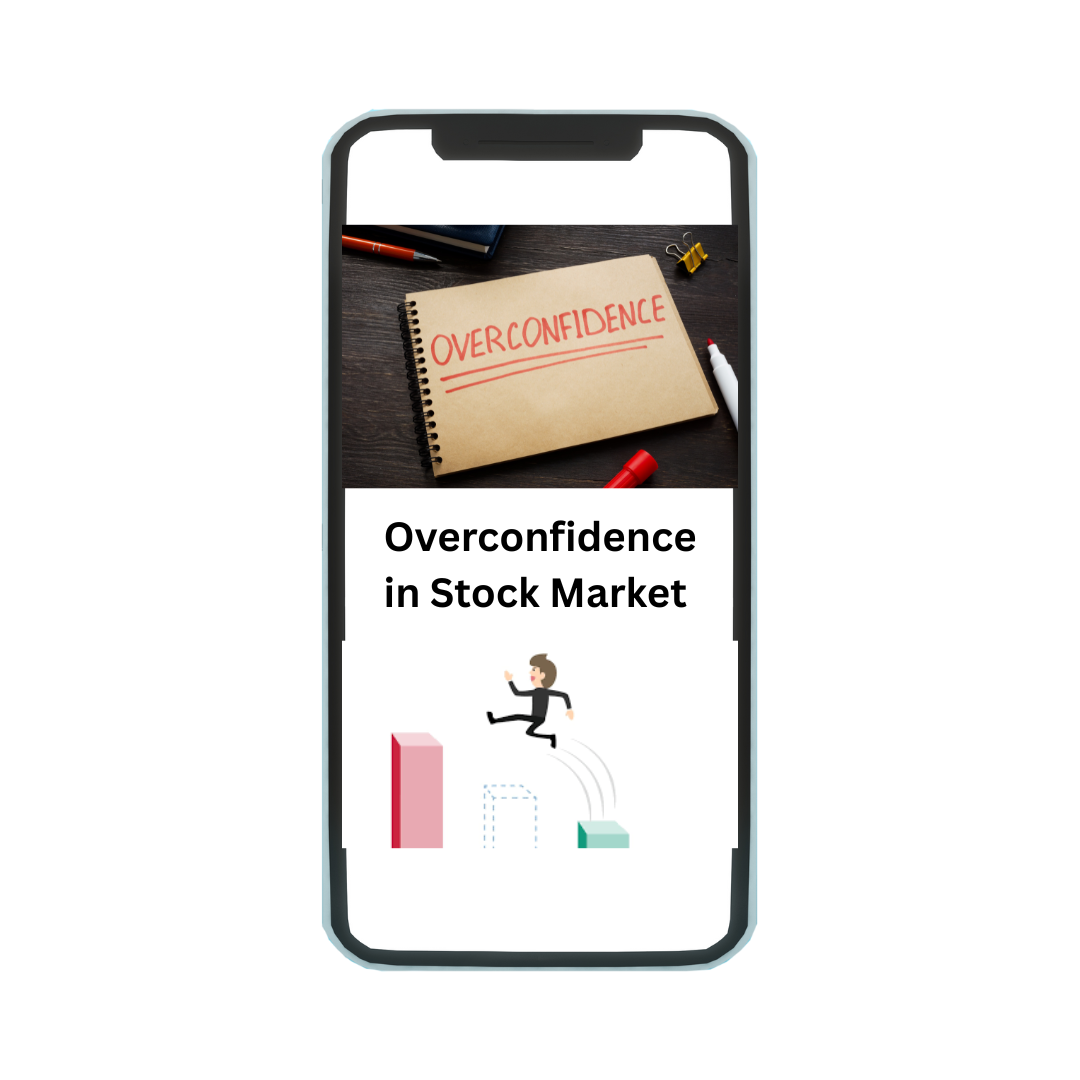
Overconfidence is one of the most pervasive psychological biases in stock market trading. It refers to the tendency of traders and investors to overestimate their knowledge, skills, and ability to predict market movements. While confidence is essential for decision-making, excessive confidence can lead to poor judgment, increased risk-taking, and significant financial losses. This blog explores the nature of overconfidence in trading, its psychological roots, how it manifests in behavior, and strategies to mitigate its impact.
Understanding Overconfidence in Trading
Overconfidence in trading is not simply about being optimistic. It is a cognitive bias where individuals believe they are better at forecasting, analyzing, or timing the market than they actually are. This inflated self-assessment leads to decisions that are not supported by data or realistic expectations.
The Illusion of Control
Traders often believe they have more control over outcomes than they truly do. This illusion of control can result in frequent trading, excessive portfolio adjustments, and reliance on gut feelings rather than objective analysis.
Misjudging Probabilities
Overconfident traders tend to underestimate risks and overestimate the likelihood of success. They may ignore warning signs, dismiss contrary opinions, and assume that past successes will continue indefinitely.
Psychological Foundations of Overconfidence
Overconfidence is deeply rooted in human psychology. It arises from several cognitive biases and mental shortcuts that affect how people process information and make decisions.
Self-Attribution Bias
This bias leads individual to attribute successes to their own skill and failures to external factors. In trading, this means that profitable trades are seen as proof of expertise, while losses are blamed on market conditions or bad luck.
Confirmation Bias
Overconfident traders often seek out information that supports their existing beliefs and ignore data that contradicts them. This selective attention reinforces their confidence and reduces the likelihood of objective analysis.
Hindsight Bias
After an event occurs, people tend to believe they predicted it all along. This creates a false sense of accuracy and fuels the belief that future predictions will also be correct.
Behavioural Patterns of Overconfident Traders
Overconfidence influences a range of behaviours that can be observed in trading activity. These patterns often lead to suboptimal outcomes and increased exposure to risk.
Excessive Trading
Overconfident traders believe they can time the market effectively, leading to frequent buying and selling. This behaviour increases transaction costs and can erode returns over time.
Ignoring Diversification
Believing in their ability to pick winning stocks, overconfident traders may concentrate their investments in a few assets. This lack of diversification increases vulnerability to market volatility.
Resistance to Advice
Traders who are overconfident may dismiss professional guidance, research reports, or alternative viewpoints. This resistance limits learning and reduces the quality of decision-making.
Overreaction to Market News
Overconfident individuals may respond impulsively to news events, assuming they can interpret and act on information faster than others. This can lead to erratic trading and emotional decisions.
Consequences of Overconfidence in Trading
The impact of overconfidence can be significant, both financially and psychologically. It affects not only individual portfolios but also broader market dynamics.
Lower Returns
Studies have shown that overconfident traders often underperform the market. Their frequent trades and poor timing decisions reduce overall returns compared to more disciplined investors.
Increased Risk Exposure
By underestimating risks and overestimating their abilities, overconfident traders expose themselves to greater financial losses. This can lead to sudden drawdowns and long-term setbacks.
Emotional Stress
Overconfidence can lead to emotional highs and lows. When trades go wrong, the psychological impact is amplified, resulting in stress, frustration, and loss of confidence.
Market Volatility
On a larger scale, collective overconfidence among traders can contribute to market bubbles and crashes. When many participants act on inflated expectations, prices can become disconnected from fundamentals.
Factors That Amplify Overconfidence
Certain conditions and environments can intensify overconfidence in trading. Recognizing these factors is essential for managing their influence.
Short-Term Success
Early wins in trading can create a false sense of skill. This initial success may encourage riskier behaviour and reinforce the belief that one has mastered the market.
Access to Technology
Modern trading platforms provide easy access to markets and data. While this is beneficial, it can also create the illusion that more information equals better decisions.
Social Influence
Online forums, social media, and peer discussions can amplify overconfidence. Traders may feel validated by others and become more certain of their views without proper analysis.
Lack of Feedback
In trading, feedback is often delayed or distorted. A profitable trade may result from luck rather than skill, but the trader may not recognize this, reinforcing overconfidence.
Strategies to Manage Overconfidence
Managing overconfidence requires self-awareness, discipline, and structured decision-making. Traders can adopt several strategies to reduce its impact and improve outcomes.
Maintain a Trading Journal
Recording trades, decisions, and outcomes helps identify patterns and biases. Reviewing past trades objectively can reveal whether success was due to skill or chance.
Set Clear Rules
Establishing rules for entry, exit, and risk management reduces emotional decision-making. Rules create consistency and help prevent impulsive actions driven by overconfidence.
Embrace Diversification
Diversifying investments across sectors and asset classes reduces reliance on individual predictions. It provides a buffer against unexpected market movements.
Seek External Feedback
Consulting with financial advisors, mentors, or peers can provide alternative perspectives. External feedback challenges assumptions and encourages more balanced thinking.
Use Data-Driven Analysis
Relying on objective data and research rather than intuition helps ground decisions in reality. This reduces the influence of personal biases and improves accuracy.
Role of Financial Education in Addressing Overconfidence
Financial education plays a critical role in helping traders recognize and manage overconfidence. By understanding the psychological aspects of trading, individuals can make more informed and rational decisions.
Promote Awareness of Biases
Education should highlight common cognitive biases, including overconfidence, and explain how they affect financial behaviour. Awareness is the first step toward change.
Encourage Critical Thinking
Learners should be taught to question assumptions, evaluate evidence, and consider alternative viewpoints. This reduces the tendency to rely solely on personal judgment.
Provide Tools for Analysis
Training in technical and fundamental analysis equips traders with objective methods for evaluating investments. This reduces reliance on intuition and improves decision quality.
Foster Long-Term Perspective
Education should emphasize long-term goals and strategies. A focus on sustainable growth helps counter the short-term mindset often fuelled by overconfidence.
Conclusion
Confidence is essential in stock market trading, but when it becomes excessive, it turns into a liability. Overconfidence leads to poor decisions, increased risk, and emotional stress. By understanding its psychological roots and behavioural patterns, traders can take steps to manage this bias and improve their financial outcomes. Structured strategies, continuous learning, and disciplined practices are key to maintaining a healthy balance between confidence and caution. In a market driven by uncertainty, humility and self-awareness are just as important as skill and analysis.