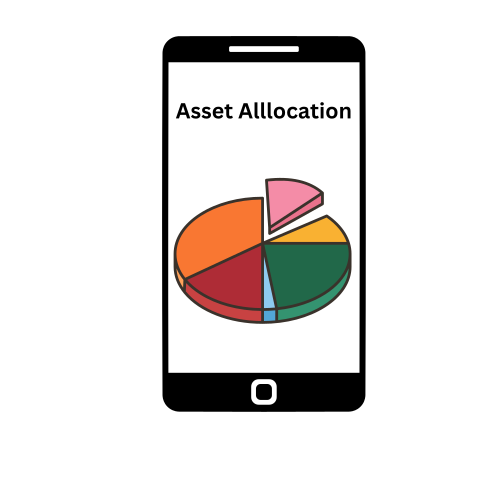
એસેટ ફાળવણી એ વિવિધ એસેટ વર્ગોમાં ઇન્વેસ્ટમેન્ટ પોર્ટફોલિયોને વિભાજિત કરવાની વ્યૂહરચના છે - જેમ કે શેરો, બોન્ડ્સ, રિયલ એસ્ટેટ અને રોકાણકારના લક્ષ્યો, જોખમ સહનશીલતા અને સમયના ક્ષિતિજના આધારે રિવૉર્ડને સંતુલિત કરવા માટે રોકડ. આ પ્રક્રિયા આવશ્યક છે કારણ કે તે રોકાણોને વિવિધતા આપીને એકંદર જોખમને ઘટાડવામાં મદદ કરે છે.
દરેક એસેટ ક્લાસ બજારની સ્થિતિઓ પર અલગ રીતે પ્રતિક્રિયા આપે છે, તેથી તેમને જોડવાથી નુકસાનને ઘટાડતી વખતે વળતરમાં વધારો થઈ શકે છે. સારી રીતે આયોજિત એસેટ ફાળવણી રોકાણકારોને તેમના પોર્ટફોલિયોની રિસ્ક-રિટર્ન પ્રોફાઇલને ઑપ્ટિમાઇઝ કરીને અને પરિસ્થિતિઓ અથવા બજારની સ્થિતિઓમાં ફેરફાર થતાં સમય જતાં તેને ઍડજસ્ટ કરીને તેમના ફાઇનાન્શિયલ ઉદ્દેશો પ્રાપ્ત કરવામાં મદદ કરી શકે છે.
એસેટ ફાળવણી શું છે?
એસેટ એલોકેશન એક ઇન્વેસ્ટમેન્ટ સ્ટ્રેટેજી છે જે તમારા પોર્ટફોલિયોને એસેટ ક્લાસમાં વિભાજિત કરે છે, જેમ કે બોન્ડ્સ, સ્ટૉક્સ અને કૅશ. તેનો હેતુ એકબીજાને પૂરક એવી સંપત્તિઓના મિશ્રણમાં રોકાણ કરીને જોખમ અને વળતરને સંતુલિત કરવાનો છે. એસેટ ફાળવણી એ સિદ્ધાંત પર આધારિત છે કે વિવિધ એસેટ વર્ગોમાં રિસ્ક અને રિટર્નના વિવિધ સ્તર હોય છે. તમારા ઇન્વેસ્ટમેન્ટને ડાઇવર્સિફાઇ કરીને, તમે મહત્તમ રિટર્ન મેળવતી વખતે પૈસા ગુમાવવાના જોખમને ઘટાડી શકો છો.
એસેટ ફાળવણી કેવી રીતે કામ કરે છે?
એસેટ ફાળવણીની પ્રક્રિયા વ્યક્તિના જોખમ સહનશીલતા અને રોકાણના હેતુઓનું મૂલ્યાંકન કરીને શરૂ થાય છે. આ પગલું યોગ્ય એસેટ મિક્સ નિર્ધારિત કરવામાં મદદ કરે છે જે પોર્ટફોલિયોની રિસ્ક અને રિટર્ન પ્રોફાઇલને ઑપ્ટિમાઇઝ કરશે. રિસ્ક સહનશીલતા એક મહત્વપૂર્ણ પરિબળ છે કારણ કે તે વ્યક્તિના રોકાણોના મૂલ્યમાં સંભવિત વધઘટ સાથે આરામદાયક સ્તરને પ્રતિબિંબિત કરે છે. એકવાર રિસ્ક સહનશીલતા અને ઇન્વેસ્ટમેન્ટના લક્ષ્યો સ્થાપિત થયા પછી, આગળનું પગલું પોર્ટફોલિયોમાં શામેલ કરવા માટે ચોક્કસ એસેટ ક્લાસ પસંદ કરવાનું છે. એસેટ વર્ગોમાં સામાન્ય રીતે ઇક્વિટી (સ્ટોક્સ), ફિક્સ્ડ ઇન્કમ (બોન્ડ્સ), કૅશ અને વૈકલ્પિક રોકાણોનો સમાવેશ થાય છે. દરેક એસેટ ક્લાસમાં રિસ્ક અને રિટર્નની ક્ષમતાનું સ્તર હોય છે. ઉદાહરણ તરીકે, ઇક્વિટીમાં ઉચ્ચ અસ્થિરતા હોય છે પરંતુ ઉચ્ચ લાંબા ગાળાના રિટર્નની સંભાવના પણ પ્રદાન કરે છે. બીજી તરફ, બોન્ડ સ્થિરતા અને આવક પેદા કરે છે.
ઇન્વેસ્ટરની રિસ્ક સહનશીલતા અને ઇચ્છિત એસેટ મિક્સ વિવિધ એસેટ ક્લાસમાં ફંડની ફાળવણી નિર્ધારિત કરે છે. આ ફાળવણી વ્યૂહાત્મક અથવા વ્યૂહાત્મક અભિગમ પર આધારિત હોઈ શકે છે. વ્યૂહાત્મક એસેટ ફાળવણીમાં લાંબા ગાળાના ઉદ્દેશોના આધારે લક્ષિત એસેટ મિક્સ સેટ કરવા અને સમય જતાં તે ફાળવણીને જાળવવાનો સમાવેશ થાય છે. બીજી તરફ, ટેક્ટિકલ એસેટ ફાળવણીમાં ટૂંકા ગાળાની બજારની સ્થિતિઓ અને અપેક્ષાઓના આધારે એસેટ મિક્સને ઍડજસ્ટ કરવામાં આવે છે. નિયમિત દેખરેખ અને સમયાંતરે રિબૅલેન્સિંગ એ એસેટ ફાળવણી પ્રક્રિયા માટે અભિન્ન છે. જેમ જેમ બજારની સ્થિતિમાં ફેરફાર થાય છે, પોર્ટફોલિયોની એસેટ ફાળવણી લક્ષ્ય ફાળવણીથી અલગ હોઈ શકે છે. રિબૅલેન્સિંગમાં ઇચ્છિત ફાળવણી સાથે સંરેખિત કરવા માટે સંપત્તિ ખરીદીને અથવા વેચીને પોર્ટફોલિયોને ઍડજસ્ટ કરવાનો સમાવેશ થાય છે. આ શિસ્તબદ્ધ અભિગમ સુનિશ્ચિત કરે છે કે પોર્ટફોલિયો રોકાણકારના લક્ષ્યો અને જોખમ સહનશીલતા સાથે સંરેખિત રહે.
એસેટ ફાળવણી રોકાણકારોને ઘણા ફાયદાઓ પ્રદાન કરે છે. તે વિવિધ એસેટ ક્લાસમાં રોકાણોને વિવિધતા આપીને જોખમને મેનેજ કરવામાં મદદ કરે છે. વૈવિધ્યકરણ એક જ એસેટ ક્લાસની સંભવિત અસરને ઘટાડે છે. વિવિધ એસેટ ક્લાસમાં ફંડ ફાળવીને, રોકાણકારો સંભવિત રીતે નુકસાનને ઘટાડી શકે છે અને તેમના પોર્ટફોલિયોની અસ્થિરતાને સરળ બનાવી શકે છે. વધુમાં, એસેટ ફાળવણીનો હેતુ વિવિધ એસેટ વર્ગોની વૃદ્ધિ ક્ષમતાને કૅપ્ચર કરીને રિટર્નને મહત્તમ બનાવવાનો છે. લાંબા ગાળે, વિવિધ એસેટ ક્લાસનું પરફોર્મન્સ અલગ હોય છે. બહુવિધ એસેટ ક્લાસમાં એક્સપોઝર હોવાથી, રોકાણકારો પોઝિટિવ માર્કેટ ટ્રેન્ડથી લાભ મેળવવાની શક્યતા વધારે છે.
એસેટ ફાળવણીનું ઉદાહરણ
ચાલો કહીએ કે રામ નામના રોકાણકાર પાસે રૂઢિચુસ્ત રિસ્ક સહનશીલતા છે અને લાંબા ગાળાના સંપત્તિ સંરક્ષણનું લક્ષ્ય છે. તે સંભવિત વૃદ્ધિ માટે ઇક્વિટીમાં તેમના પોર્ટફોલિયોના 40%, સ્થિરતા અને ઇન્કમ માટે 50% નિશ્ચિત ઇન્કમ (બોન્ડ્સ) અને સલામતી નેટ તરીકે 10% રોકડ ફાળવે છે.
રામ તેમના ઇક્વિટી ફાળવણી માટે લાર્જ-કેપ, મિડ-કેપ અને આંતરરાષ્ટ્રીય શેરોનું વૈવિધ્યસભર મિશ્રણ પસંદ કરે છે. તેઓ ઉચ્ચ-ગુણવત્તાવાળા કોર્પોરેટ બોન્ડ્સ અને સરકારી સિક્યોરિટીઝમાં રોકાણ કરે છે, જેમાં નિશ્ચિત ઇન્કમ ભાગ માટે વિવિધ મેચ્યોરિટી હોય છે. સમય જતાં, જો RAMના પોર્ટફોલિયોના ઇક્વિટી ભાગ આઉટપરફોર્મ કરે છે, તો તેની ટકાવારી લક્ષ્ય ફાળવણી કરતા વધી શકે છે. રિબૅલેન્સ કરવા માટે, તે કેટલીક ઇક્વિટી વેચશે અને ઇચ્છિત એસેટ ફાળવણીમાં પોર્ટફોલિયો પરત કરવા માટે બોન્ડ્સ અને રોકડમાં આવકનું ફરીથી રોકાણ કરશે.
જેમ જેમ રામના રોકાણની ક્ષિતિજ બદલાય છે અથવા તેમની રિસ્ક સહનશીલતા વિકસિત થાય છે, તેમ તે તેમની એસેટ ફાળવણીને ઍડજસ્ટ કરી શકે છે. ઉદાહરણ તરીકે, જો તે નિવૃત્તિની નજીક હોય, તો તે તેના ઇક્વિટી એક્સપોઝરને ઘટાડી શકે છે અને મૂડી સંરક્ષણ માટે નિશ્ચિત આવકમાં તેની ફાળવણી વધારી શકે છે. તેમની એસેટ એલોકેશન સ્ટ્રેટેજીને અનુસરીને અને સમયાંતરે તેમના પોર્ટફોલિયોની સમીક્ષા અને રિબૅલેન્સિંગ કરીને, રામનો હેતુ રિસ્ક અને રિટર્નને સંતુલિત કરવાનો છે જે તેમના ફાઇનાન્શિયલ લક્ષ્યો અને રિસ્ક સહનશીલતા સાથે સંરેખિત છે. યાદ રાખો, આ ઉદાહરણ સરળ છે, અને સંપત્તિ ફાળવણીની વ્યૂહરચનાઓ વધુ જટિલ અને વ્યક્તિગત પરિસ્થિતિઓને અનુરૂપ હોઈ શકે છે. એસેટ ફાળવણી રોકાણકારોને જોખમને મેનેજ કરવામાં, રિટર્નને ઑપ્ટિમાઇઝ કરવામાં અને બજારની બદલાતી સ્થિતિઓને અનુકૂળ કરવામાં મદદ કરે છે.
એસેટ ફાળવણીનું મહત્વ
એસેટ ફાળવણી મહત્વપૂર્ણ છે કારણ કે તે જોખમને મેનેજ કરવામાં અને રિટર્નને મહત્તમ કરવામાં મદદ કરે છે. વિવિધ એસેટ ક્લાસમાં રોકાણોને વિભાજિત કરીને, રોકાણકારો બજારની અસ્થિરતાની અસરને ઘટાડી શકે છે, તેમના રિસ્ક-રિવૉર્ડ બૅલેન્સને ઑપ્ટિમાઇઝ કરી શકે છે અને તેમના લાંબા ગાળાના ફાઇનાન્શિયલ લક્ષ્યોને પ્રાપ્ત કરવાની સંભાવના વધારી શકે છે.
વિવિધ એસેટ ક્લાસ/કેટેગરી
સંપત્તિ વર્ગો અનન્ય લાક્ષણિકતાઓ સાથે રોકાણોની વિવિધ શ્રેણીઓ છે અને ફાઇનાન્શિયલ બજારોમાં અલગ રીતે વર્તન કરે છે. અહીં કેટલાક સામાન્ય સંપત્તિ વર્ગોનું સંક્ષિપ્ત વર્ણન છે:
- ફિક્સ્ડ ઇન્કમ: ફિક્સ્ડ ઇન્કમ સંપત્તિમાં બોન્ડ્સ, ટ્રેઝરી બિલ અને અન્ય ડેબ્ટ ઇન્સ્ટ્રુમેન્ટનો સમાવેશ થાય છે. આ રોકાણો ચોક્કસ સમયગાળા દરમિયાન નિશ્ચિત અથવા અનુમાનિત આવકની શ્રેણી પ્રદાન કરે છે. તેમને સામાન્ય રીતે ઓછી અસ્થિર માનવામાં આવે છે અને ઇક્વિટી કરતાં વધુ સ્થિરતા પ્રદાન કરે છે.
- ઇક્વિટી: ઇક્વિટી, જે સ્ટૉક અથવા શેર તરીકે પણ ઓળખાય છે, તે કંપનીમાં માલિકીનું પ્રતિનિધિત્વ કરે છે. જ્યારે તમે ઇક્વિટીમાં રોકાણ કરો છો, ત્યારે તમે શેરહોલ્ડર બની શકો છો અને કંપનીના નફા અને અસ્ક્યામતો પર ક્લેઇમ કરો છો. ઇક્વિટીમાં ઉચ્ચ રિટર્નની ક્ષમતા હોય છે પરંતુ તેમાં વધુ રિસ્ક હોય છે અને તે કિંમતની અસ્થિરતાનો અનુભવ કરી શકે છે.
- કૅશ અને કૅશ સમકક્ષ: આ અત્યંત લિક્વિડ સંપત્તિઓનો સંદર્ભ આપે છે જેને સરળતાથી કૅશમાં રૂપાંતરિત કરી શકાય છે. ઉદાહરણોમાં બેંક એકાઉન્ટ્સ, મની માર્કેટ ફંડ્સ અને ટૂંકા ગાળાના ટ્રેઝરી બિલ્સનો સમાવેશ થાય છે. કૅશ અને કૅશ સમકક્ષો સ્થિરતા પ્રદાન કરે છે અને પોર્ટફોલિયોમાં લિક્વિડિટીના સ્ત્રોત તરીકે કાર્ય કરે છે.
- રિયલ એસ્ટેટ રોકાણમાં રહેણાંક, વ્યવસાયિક અથવા ઔદ્યોગિક ઇમારતો જેવી પ્રોપર્ટી ખરીદવી શામેલ છે. તે ભાડાની ચુકવણી અને પ્રોપર્ટીના મૂલ્યોની લાંબા ગાળાની પ્રશંસા દ્વારા આવક પેદા કરવાની ક્ષમતા પ્રદાન કરે છે. તેને વૈકલ્પિક એસેટ ક્લાસ તરીકે ગણવામાં આવે છે જે પોર્ટફોલિયોમાં વિવિધતા લાવી શકે છે.
દરેક એસેટ ક્લાસનું પોતાનું રિસ્ક અને વળતર છે, અને પોર્ટફોલિયોમાં આ વર્ગોનું સંયોજન એસેટ એલોકેશન તરીકે ઓળખાય છે. વિવિધ એસેટ ક્લાસમાં વૈવિધ્યકરણ કરીને, રોકાણકારો જોખમને ફેલાવી શકે છે અને સંભવિત રીતે વળતર વધારી શકે છે. આ એસેટ વર્ગોમાં ફંડની ફાળવણી વ્યક્તિની રિસ્ક સહનશીલતા, રોકાણના ધ્યેયો અને સમય ક્ષિતિજ પર આધારિત છે.
એ નોંધવું અગત્યનું છે કે વધારાના એસેટ વર્ગો અહીં ઉલ્લેખિત લોકોથી આગળ છે, જેમ કે કોમોડિટીઝ, વૈકલ્પિક રોકાણો (દા. ત. , હેજ ફંડો, પ્રાઇવેટ ઇક્વિટી), અને ડેરિવેટિવ્સ. એસેટ ક્લાસની પસંદગી રોકાણકારની પસંદગીઓ અને તેમના ફાઇનાન્શિયલ ઉદ્દેશો માટે રોકાણોની યોગ્યતા પર આધારિત છે.
એસેટ એલોકેશન માટેની વ્યૂહરચનાઓ
અહીં કેટલીક સામાન્ય એસેટ ફાળવણી વ્યૂહરચનાઓનું સંક્ષિપ્ત સ્પષ્ટીકરણ આપેલ છે:
- લાઇફ સાઇકલ ફંડ એસેટ એલોકેશન: લક્ષ્ય-તારીખ ફંડ તરીકે પણ ઓળખાય છે, લાઇફ સાઇકલ ફંડ ઇન્વેસ્ટરની લક્ષ્ય નિવૃત્તિની તારીખના આધારે એસેટ એલોકેશન ઍડજસ્ટ કરે છે. આ ફંડ લાંબા ગાળાની વૃદ્ધિ ઇચ્છતા યુવા રોકાણકારો માટે ઇક્વિટીમાં ઉચ્ચ ફાળવણીથી શરૂ થાય છે અને ધીમે ધીમે લક્ષ્યની તારીખ નજીક આવે ત્યારે નિશ્ચિત આવક અને રોકડના વધુ રૂઢિચુસ્ત મિશ્રણ તરફ શિફ્ટ થાય છે.
- ઉંમર-આધારિત એસેટ ફાળવણી: આ વ્યૂહરચના રોકાણકારની ઉંમરના આધારે એસેટ ફાળવણીને ઍડજસ્ટ કરે છે. લાંબા ઇન્વેસ્ટમેન્ટ ક્ષિતિજ ધરાવતા યુવાન રોકાણકારો પાસે ઇક્વિટીમાં વધુ ફાળવણી હોઈ શકે છે. નિવૃત્તિ નજીકના વૃદ્ધ રોકાણકારો પાસે મૂડી સંરક્ષણ અને ઇન્કમ પેદા કરવા માટે નિશ્ચિત ઇન્કમ માટે વધુ ફાળવણી હોઈ શકે છે.
- સતત વજનની એસેટ ફાળવણી: સતત વજનની એસેટ ફાળવણી સાથે, વિવિધ એસેટ ક્લાસ માટે લક્ષ્ય ફાળવણી સમય જતાં નિશ્ચિત રહે છે. જો વાસ્તવિક ફાળવણી બજારની વધઘટને કારણે લક્ષ્યથી અલગ થાય છે, તો સમયાંતરે રિબૅલેન્સિંગ કરવામાં આવે છે જેથી તે ઇચ્છિત વજનને અનુરૂપ થઈ શકે.
- ટેક્ટિકલ એસેટ ફાળવણી: વ્યૂહાત્મક એસેટ ફાળવણીમાં બજારની સ્થિતિઓ અને રોકાણની તકોના આધારે એસેટ મિક્સમાં ટૂંકા ગાળાના ઍડજસ્ટમેન્ટનો સમાવેશ થાય છે. રોકાણકારો સક્રિય રીતે બજારનું નિરીક્ષણ કરે છે અને બજારના વલણોનો લાભ લેવા અથવા જોખમને મેનેજ કરવા માટે ચોક્કસ એસેટ વર્ગોને ફાળવણીમાં વધારો અથવા ઘટાડો કરી શકે છે.
- ઇન્શ્યોર્ડ એસેટ ફાળવણી: આ વ્યૂહરચનાનો હેતુ પોર્ટફોલિયોના ડાઉનસાઇડ જોખમને સુરક્ષિત કરવાનો છે. તેમાં પોર્ટફોલિયોના એક ભાગને એવા રોકાણોમાં ફાળવવામાં આવે છે જે નુકસાન સામે સુરક્ષા પ્રદાન કરે છે, જેમ કે વિકલ્પો અથવા સંરચિત ઉત્પાદનો. ઇન્શ્યોર્ડ એસેટ એલોકેશન સ્ટ્રેટેજી બજારની મંદી સામે ચોક્કસ સ્તરની સુરક્ષા પ્રદાન કરવાનો પ્રયત્ન કરે છે.
- ડાયનેમિક એસેટ ફાળવણી: આ એક વ્યૂહરચના છે જે માર્કેટ સૂચકાંકોના ક્વૉન્ટિટેટિવ વિશ્લેષણના આધારે એસેટ ફાળવણીને ઍડજસ્ટ કરે છે. તે માર્કેટ સિગ્નલના આધારે એસેટ ક્લાસ વચ્ચે ગતિશીલ રીતે ફાળવણીને બદલવા માટે ગાણિતિક મોડેલ અને એલ્ગોરિધમ્સનો ઉપયોગ કરે છે, જેનો હેતુ માર્કેટ ટ્રેન્ડ પર કેપિટલાઇઝ કરવાનો અને રિટર્નને ઑપ્ટિમાઇઝ કરવાનો છે.
આ વ્યૂહરચનાઓ રોકાણકારના લક્ષ્યો, રિસ્ક સહનશીલતા અને બજારની સ્થિતિઓ જેવા પરિબળોના આધારે એસેટ ફાળવણી માટે વિવિધ અભિગમ પ્રદાન કરે છે.
એસેટ ફાળવણીના નિર્ણયને અસર કરતા પરિબળો
ઇન્વેસ્ટમેન્ટ પોર્ટફોલિયો માટે યોગ્ય એસેટ ફાળવણી પસંદ કરતી વખતે ઘણા પરિબળો શામેલ છે. અહીં ત્રણ મુખ્ય પરિબળોનું સંક્ષિપ્ત સ્પષ્ટીકરણ છે જે એસેટ ફાળવણીના નિર્ણયોને પ્રભાવિત કરે છે:
- લક્ષ્ય પરિબળો: રોકાણકારનો હેતુ નોંધપાત્ર અસર સંપત્તિ ફાળવણીનો નિર્ણય પ્રાપ્ત કરવાનો છે. નિવૃત્તિ માટે લાંબા ગાળાના સંપત્તિ સંચયથી લઈને ઘર પર ડાઉન પેમેન્ટ માટે બચત જેવા ટૂંકા ગાળાના ઉદ્દેશો સુધી લક્ષ્યો વ્યાપક રીતે બદલાઈ શકે છે. વિવિધ લક્ષ્યોને વિવિધ ઇન્વેસ્ટમેન્ટ વ્યૂહરચનાઓ અને એસેટ ફાળવણીની જરૂર પડે છે. ઉદાહરણ તરીકે, લાંબા ગાળાના લક્ષ્યો સંભવિત વિકાસ માટે ઇક્વિટીને વધુ ફાળવણીની ખાતરી આપી શકે છે. તેનાથી વિપરીત, ટૂંકા ગાળાના લક્ષ્યોને મૂડી સંરક્ષણ પર ધ્યાન કેન્દ્રિત કરીને વધુ રૂઢિચુસ્ત ફાળવણીની જરૂર પડી શકે છે.
- જોખમ સહનશીલતા: જોખમ સહનશીલતા એટલે રોકાણકારની તેમના રોકાણમાં વધઘટને સહન કરવાની ક્ષમતા. કેટલાક વ્યક્તિઓ ઉચ્ચ સ્તરના જોખમ સાથે આરામદાયક હોય છે અને ઉચ્ચ વળતરની ક્ષમતા માટે નોંધપાત્ર બજારની અસ્થિરતા સહન કરવા તૈયાર હોય છે. અન્ય લોકો વધુ રૂઢિચુસ્ત અભિગમને પસંદ કરે છે અને આક્રમક વૃદ્ધિ કરતાં મૂડી સંરક્ષણને પ્રાથમિકતા આપે છે. રિસ્ક સહનશીલતા વ્યક્તિની ફાઇનાન્શિયલ પરિસ્થિતિ, ઇન્વેસ્ટમેન્ટનું જ્ઞાન અને ભાવનાત્મક સ્વભાવ જેવા પરિબળો દ્વારા પ્રભાવિત છે. એસેટ ફાળવણીના નિર્ણયો રોકાણકારની રિસ્ક સહનશીલતા સાથે સંરેખિત હોવા જોઈએ જેથી તે બજારની મંદી દરમિયાન અણધાર્યા તણાવ વગર રોકાણ કરી શકે.
- સમય ક્ષિતિજ: સમય ક્ષિતિજ, અથવા ઇન્વેસ્ટર તેમના રોકાણોને હોલ્ડ કરવાની યોજના બનાવતો સમય, એસેટ એલોકેશનના નિર્ણયોમાં એક મહત્વપૂર્ણ પરિબળ છે. લાંબા સમયના ક્ષિતિજો ધરાવતા રોકાણકારો, જેમ કે ઘણા દાયકાઓ દૂર નિવૃત્તિ માટે બચત કરે છે, રિસ્ક લઈ શકે છે અને તેમના પોર્ટફોલિયોના ઉચ્ચ ટકાવારીને ઇક્વિટીમાં ફાળવી શકે છે. લાંબા સમયની ક્ષિતિજ ટૂંકા ગાળાની અસ્થિરતાથી સંભવિત માર્કેટ રિકવરી માટે મંજૂરી આપે છે. તેનાથી વિપરીત, ટૂંકા સમયના ક્ષિતિજો ધરાવતા રોકાણકારો, જેમ કે નિવૃત્તિ નજીક હોય, મૂડી જાળવવા અને ઇન્કમ પેદા કરવા માટે વધુ રૂઢિચુસ્ત એસેટ ફાળવણી પસંદ કરી શકે છે.
શ્રેષ્ઠ એસેટ ફાળવણી નક્કી કરતી વખતે આ પરિબળો એકબીજાને ક્રિયાપ્રતિક્રિયા કરે છે અને પ્રભાવિત કરે છે. રોકાણકારો માટે તેમના રિસ્ક સહનશીલતા, સમયના ક્ષિતિજ અને ફાઇનાન્શિયલ લક્ષ્યોનું કાળજીપૂર્વક મૂલ્યાંકન કરવું જરૂરી છે, જેથી તેઓ સારી રીતે સંતુલિત પોર્ટફોલિયોનું નિર્માણ કરી શકે, જે તેમની ચોક્કસ પરિસ્થિતિઓ સાથે સંરેખિત હોય. લક્ષ્યો વિકસિત થાય છે, જોખમની પસંદગીઓમાં ફેરફાર થાય છે અથવા રોકાણના પરિદૃશ્યમાં ફેરફાર થાય છે ત્યારે એસેટ ફાળવણીમાં નિયમિત સમીક્ષા અને એડજસ્ટમેન્ટ જરૂરી હોઈ શકે છે.
નિષ્કર્ષ
એસેટ એલોકેશન એક મહત્વપૂર્ણ ઇન્વેસ્ટમેન્ટ સ્ટ્રેટેજી છે જેમાં રિસ્ક અને રિટર્નને સંતુલિત કરવા માટે વિવિધ એસેટ ક્લાસમાં તમારા પોર્ટફોલિયોને વિવિધતા આપવામાં આવે છે. કોઈના એસેટ ક્લાસ પસંદ કરીને, કોઈના ટાર્ગેટ એસેટ ફાળવણીને સેટ કરીને અને પોર્ટફોલિયોની દેખરેખ અને રિબૅલેન્સિંગ કરીને, કોઈપણ વ્યક્તિ લાંબા ગાળે તમારા રિટર્નને મહત્તમ કરી શકે છે અને તમારા ફાઇનાન્શિયલ લક્ષ્યોને પ્રાપ્ત કરી શકે છે.
તમારા પોર્ટફોલિયોને વિવિધતા આપવા, ઓછા ખર્ચે રોકાણ પસંદ કરવા, નિયમિતપણે રિબૅલેન્સિંગ કરવા, તમારા સમયના ક્ષિતિજ અને ટૅક્સ અસરોને ધ્યાનમાં રાખીને અને શિસ્તબદ્ધ રહેવા જેવી શ્રેષ્ઠ પ્રથાઓને અનુસરવાનું યાદ રાખો. અને જો કોઈને મદદની જરૂર હોય, તો યોગ્ય એસેટ ફાળવણી વ્યૂહરચનાને અમલમાં મૂકવા માટે ફાઇનાન્શિયલ સલાહકાર સાથે કામ કરવામાં અચકાશો નહીં.