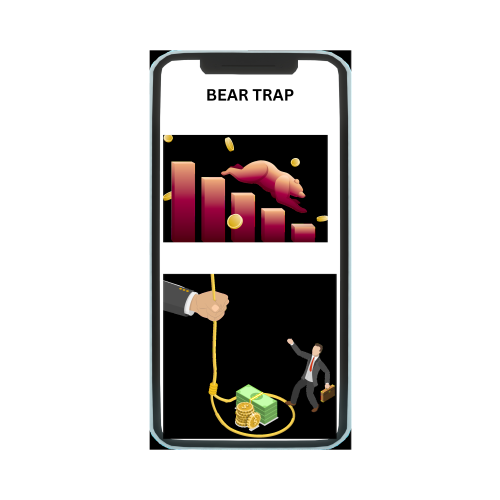
ફાઇનાન્સ અને ટ્રેડિંગની દુનિયામાં, ફાઇનાન્શિયલ માર્કેટની જટિલતાઓને સફળતાપૂર્વક નેવિગેટ કરવા માંગતા રોકાણકારો માટે માર્કેટ ડાયનેમિક્સની સૂક્ષ્મતાઓને સમજવી એ સૌથી મહત્વપૂર્ણ છે. આવી એક ખ્યાલ કે જે નોંધપાત્ર મહત્વ ધરાવે છે તે "બીયર ટ્રેપ" ની કલ્પના છે મૂલભૂત રીતે, બેર ટ્રેપ એક ભ્રામક બજારની પરિસ્થિતિને દર્શાવે છે જેમાં શરૂઆતમાં કિંમતો નીચેના વલણમાં દેખાય છે, જેના કારણે રોકાણકારો માને છે કે બેરિશ માર્કેટ ચાલુ છે. જો કે, ઘટાડાના અપેક્ષિત ચાલુ રહેવાને બદલે, માર્કેટ અનપેક્ષિત રીતે કોર્સને ઉલટાવે છે, જે ઘણા રોકાણકારોને સુરક્ષિત રાખે છે. આ અચાનક રિવર્સલ રોકાણકારોને વધુ કિંમતમાં ઘટાડાની અપેક્ષામાં શોર્ટ પોઝિશન ખોલવા અથવા એસેટ વેચવા જેવા પગલાં લેવા માટે પ્રેરિત કરી શકે છે, જ્યારે માર્કેટ અનપેક્ષિત રીતે બુલિશ થાય ત્યારે જ પોતાને ફસાવે છે. આમ, બીયર ટ્રેપની મિકેનિક્સને સમજવું, તેની ઘટનાને કેવી રીતે ઓળખવી અને આવી પરિસ્થિતિઓને કેવી રીતે નેવિગેટ કરવી તે રોકાણકારો માટે જોખમોને ઘટાડવા અને નાણાંકીય બજારોમાં તકોનો લાભ લેવાના હેતુથી મહત્વપૂર્ણ છે.
બીયર ટ્રેપ કેવી રીતે કામ કરે છે?

બેર ટ્રેપ ફાઇનાન્શિયલ માર્કેટના ક્ષેત્રમાં કામ કરે છે, ખાસ કરીને સ્ટૉક ટ્રેડિંગ અને ઇન્વેસ્ટિંગના સંદર્ભમાં. તે સામાન્ય રીતે એવી ઘટનાઓના ક્રમમાં ઉજાગર થાય છે જ્યાં બજાર શરૂઆતમાં નીચેના વલણના સંકેતો દર્શાવે છે, જેના કારણે રોકાણકારો માને છે કે બેરિશનો તબક્કો આગળ છે. આ ધારણા ઘણીવાર રોકાણકારોને વધુ કિંમતમાં ઘટાડાની અપેક્ષામાં તેમની હોલ્ડિંગ વેચવા અથવા ટૂંકી સ્થિતિઓ ખોલવા જેવા રક્ષણાત્મક પગલાં લેવા માટે પ્રેરિત કરે છે. જો કે, જ્યારે માર્કેટ અનપેક્ષિત રીતે દિશામાં ફેરફાર કરે છે ત્યારે બીયર ટ્રેપ લાગે છે, જે આ રોકાણકારોને સુરક્ષિત રાખે છે. આ રિવર્સલ વિવિધ પરિબળો દ્વારા ટ્રિગર કરી શકાય છે, જેમાં બજારની ભાવનામાં અચાનક ફેરફાર, સકારાત્મક સમાચાર જાહેરાતો અથવા સંસ્થાકીય રોકાણકારો પાસેથી નોંધપાત્ર ખરીદી પ્રવૃત્તિ શામેલ છે. પરિણામે, જે લોકોએ સતત નીચેની હિલચાલ માટે પોતાને સ્થાન આપ્યું હતું તેઓ તેમની સ્થિતિમાં ફસાયેલા હોય છે કારણ કે કિંમતોમાં વધારો થવાનું શરૂ થાય છે. ખરીદીના દબાણમાં અચાનક વધારો ઝડપી કિંમતમાં વધારો કરી શકે છે, જેના કારણે વેપારની ખોટી બાજુએ પકડાયેલા લોકો માટે નુકસાન થઈ શકે છે. તેથી, બેર ટ્રેપ પાછળની પદ્ધતિઓને સમજવું અને તેની ઘટનાને ઓળખવા માટે રોકાણકારો માટે નાણાંકીય બજારોની જટિલતાઓને અસરકારક રીતે નેવિગેટ કરવા માટે જરૂરી છે.
બીયર ટ્રેપને કેવી રીતે ઓળખવી?
- માર્કેટ ટ્રેન્ડનું વિશ્લેષણ કરવું
બિયર ટ્રેપની ઓળખ બજારના ટ્રેન્ડના વ્યાપક વિશ્લેષણથી શરૂ થાય છે. વેપારીઓએ સંભવિત બેરિશ પરિસ્થિતિ દર્શાવતા કોઈપણ પેટર્ન અથવા ટ્રેન્ડને શોધવા માટે સમયાંતરે સંપત્તિની કિંમતની હિલચાલનું પાલન કરવું જોઈએ.
- લાંબા સમય સુધી નીચેની હિલચાલને ઓળખવી
બિયર ટ્રેપના મુખ્ય સૂચકોમાંથી એક બજારમાં નીચેની હિલચાલનો લાંબો સમયગાળો છે. આ નીચેના વલણથી રોકાણકારો માને છે કે બેરિશ તબક્કો ચાલુ છે, જે તેમને તેમની હોલ્ડિંગ વેચવા અથવા શોર્ટ પોઝિશન ખોલવા જેવી રક્ષણાત્મક પગલાં લેવા માટે પ્રેરિત કરે છે.
- માર્કેટ સેન્ટિમેન્ટનું મૂલ્યાંકન કરવું
કિંમતની હલનચલનનું વિશ્લેષણ કરવા ઉપરાંત, વેપારીઓએ સંપત્તિ પ્રત્યે રોકાણકારની ભાવનાઓને માપવા માટે બજારની ભાવનાઓનું પણ મૂલ્યાંકન કરવું જોઈએ. રોકાણકારો વચ્ચે નકારાત્મક ભાવના અથવા નિરાશાવાદ બેર ટ્રેપની રચનામાં ફાળો આપી શકે છે કારણ કે તે માન્યતાને મજબૂત કરે છે કે કિંમતોમાં ઘટાડો ચાલુ રહેશે.
- ટ્રેડિંગ વૉલ્યુમની દેખરેખ
બેર ટ્રેપને ઓળખવાનો બીજો મહત્વપૂર્ણ પાસો ટ્રેડિંગ વોલ્યુમની દેખરેખ રાખવાનો છે. નીચેની હિલચાલના સમયગાળા દરમિયાન ટ્રેડિંગ વોલ્યુમમાં નોંધપાત્ર વધારો વેચાણનું દબાણ વધારવાનું સૂચવી શકે છે, જે બીયર ટ્રેપનું સંભવિત સંકેત આપે છે.
- રિવર્સલ સિગ્નલ શોધી રહ્યા છીએ
જ્યારે બીયર ટ્રેપ નીચેના ટ્રેન્ડનું અનુકરણ કરે છે, ત્યારે તે આખરે કિંમતની દિશામાં રિવર્સલ તરફ દોરી જાય છે. તેથી, વેપારીઓએ સંભવિત રિવર્સલના સંકેતોની શોધ કરવી જોઈએ, જેમ કે બુલિશ કેન્ડલસ્ટિક પેટર્ન, કી રેઝિસ્ટન્સ લેવલથી ઉપરનું બ્રેક, અથવા વધારેલી ખરીદી પ્રવૃત્તિને દર્શાવતા ટ્રેડિંગ વૉલ્યુમમાં ફેરફાર.
- ટેક્નિકલ ઇન્ડિકેટરનો ઉપયોગ કરીને
મૂવિંગ એવરેજ, રિલેટિવ સ્ટ્રેન્થ ઇન્ડેક્સ (આરએસઆઇ) અને એમએસીડી (મૂવિંગ એવરેજ કન્વર્જન્સ ડાઇવર્જન્સ) જેવા તકનીકી સૂચકો સંભવિત બીયર ટ્રેપની અતિરિક્ત પુષ્ટિ પ્રદાન કરી શકે છે. આ સૂચકાંકો વેપારીઓને ઓવરએક્સટેન્ડેડ માર્કેટની સ્થિતિઓ અથવા કિંમત અને ગતિ વચ્ચેના તફાવતને ઓળખવામાં મદદ કરી શકે છે, જે રિવર્સલ પહેલાં હોઈ શકે છે.
- સાવચેતી અને ધીરજ રાખો
બીયર ટ્રેપને ઓળખવા માટે બજારની ગતિશીલતાના ધીરજ અને સાવચેત નિરીક્ષણની જરૂર છે. વેપારીઓએ સાવચેતી રાખવી જોઈએ અને અપૂર્ણ માહિતીના આધારે વેપારમાં ઝડપથી બચવું જોઈએ. ટ્રેન્ડ રિવર્સલની પુષ્ટિની રાહ જોવી એ ખોટા બેરીશ સિગ્નલમાં પીડિત થવાનું જોખમ ઘટાડવામાં મદદ કરી શકે છે.
બિયર ટ્રેપને કેવી રીતે ટ્રેડ કરવું?
- માર્કેટ ડાયનેમિક્સની સમજૂતી
બેયર ટ્રેપનું ટ્રેડિંગ કરતા પહેલાં, બજારની ગતિશીલતા અને વલણોની નક્કર સમજ હોવી મહત્વપૂર્ણ છે. આમાં કિંમતની હલનચલનનું વિશ્લેષણ, મુખ્ય સપોર્ટ અને રેઝિસ્ટન્સ લેવલની ઓળખ અને માર્કેટ સેન્ટિમેન્ટની દેખરેખ શામેલ છે.
- સંભવિત બિયર ટ્રેપની પરિસ્થિતિઓને ઓળખવી
બેયર ટ્રેપનું ટ્રેડિંગ કરવાના પ્રથમ પગલાંમાંથી એક સંભવિત પરિસ્થિતિઓને ઓળખવાનું છે જ્યાં કોઈ થઈ શકે છે. આમાં સામાન્ય રીતે લાંબા સમય સુધી ડાઉનવર્ડ કિંમતની હલનચલનને ધ્યાનમાં લેવામાં આવે છે, જેમાં નકારાત્મક ભાવના અથવા મંદીના વલણને સૂચવતા મૂળભૂત પરિબળો શામેલ છે.
- પુષ્ટિકરણની રાહ જોઈ રહ્યા છીએ
બેયર ટ્રેપના પ્રથમ સંકેત પર ટ્રેડમાં ધકેલવાને બદલે, ટ્રેન્ડ રિવર્સલની પુષ્ટિ માટે રાહ જોવી એ સમજદારીભર્યું છે. આ પુષ્ટિ બુલિશ કેન્ડલસ્ટિક પેટર્નના રૂપમાં આવી શકે છે, કી રેઝિસ્ટન્સ લેવલથી ઉપરનું બ્રેક અથવા ટ્રેડિંગ વૉલ્યુમમાં ફેરફાર જે વધેલા ખરીદી દબાણને સૂચવે છે.
- રિસ્ક મેનેજમેન્ટ વ્યૂહરચનાઓનો અમલ કરવો
ટ્રેડિંગ બિયર ટ્રેપ્સમાં સ્વાભાવિક રીતે જોખમો શામેલ છે, કારણ કે માર્કેટ ઝડપથી દિશા બદલી શકે છે, જેના પરિણામે શોર્ટ પોઝિશન લીધી હોય તેવા વેપારીઓ માટે નુકસાન થાય છે. સ્ટૉપ-લૉસ ઑર્ડર સેટ કરવા જેવી રિસ્ક મેનેજમેન્ટ વ્યૂહરચનાઓને અમલમાં મૂકવાથી જો બજાર તેમની સામે આવે તો ઑટોમેટિક રીતે બંધ કરીને સંભવિત નુકસાનને ઘટાડવામાં મદદ મળી શકે છે.
- ટેક્નિકલ ઇન્ડિકેટર્સનો ઉપયોગ કરી રહ્યા છીએ
ટેક્નિકલ ઇન્ડિકેટર્સ સંભવિત બિયર ટ્રેપ પરિસ્થિતિઓ વિશે મૂલ્યવાન માહિતી પ્રદાન કરી શકે છે અને વેપારીઓને માહિતગાર નિર્ણયો લેવામાં મદદ કરી શકે છે. સામાન્ય રીતે ઉપયોગમાં લેવાતા સૂચકાંકોમાં મૂવિંગ એવરેજ, રિલેટિવ સ્ટ્રેન્થ index (RSI) અને સ્ટોકેસ્ટિક ઑસિલેટર્સનો સમાવેશ થાય છે. આ ઇન્ડિકેટર્સ સંભવિત બિયર ટ્રેપની માન્યતાની પુષ્ટિ કરવામાં મદદ કરી શકે છે અને ટ્રેડ દાખલ કરવા અથવા બહાર નીકળવા માટે વધારાની પુષ્ટિ પ્રદાન કરી શકે છે.
- બાકી ફ્લેક્સિબલ અને અનુકૂળ
ટ્રેડિંગ બિયર ટ્રેપ્સ માટે સુગમતા અને અનુકૂળતાની જરૂર છે કારણ કે બજારની સ્થિતિ ઝડપથી બદલાઈ શકે છે. વેપારીઓએ નવી માહિતી અને વિકસિત માર્કેટ ડાયનેમિક્સના આધારે તેમની વ્યૂહરચનાઓને ઍડજસ્ટ કરવા માટે તૈયાર રહેવું જોઈએ. જો માર્કેટ બિયર ટ્રેપની સ્થિતિની કન્ફર્મ કરવામાં નિષ્ફળ થાય અથવા નફાને સુરક્ષિત કરવા અથવા નુકસાનને ઘટાડવા માટે સ્ટૉપ-લૉસ લેવલને ઍડજસ્ટ કરવામાં નિષ્ફળ થાય તો આમાં હાલના ટ્રેડનો સમાવેશ થઈ શકે છે.
બેયર ટ્રેપ વર્સેસ. બુલ ટ્રેપ
બીયર ટ્રેપ | બુલ ટ્રેપ |
ડાઉનવર્ડ ટ્રેન્ડમાં જણાય છે, જે મંદીના બજારનું સંકેત આપે છે. | એક અપવર્ડ ટ્રેન્ડમાં જણાય છે, જે બુલિશ માર્કેટનો સંકેત આપે છે. |
કિંમતોમાં ઘટાડો થાય છે, જે રોકાણકારોને શોર્ટ પોઝિશન વેચવા અથવા ખોલવા માટે પ્રેરિત કરે છે. | કિંમતોમાં વધારો થાય છે, રોકાણકારોને લાંબી પોઝિશન ખરીદવા અથવા ખોલવા માટે પ્રોત્સાહિત કરે છે. |
માર્કેટ અનપેક્ષિત રીતે દિશામાં બદલાવ કરે છે અને ઝડપથી વધવાનું શરૂ કરે છે, ટૂંકા-વિક્રેતાઓને ફસાવે છે. | માર્કેટ અચાનક કોર્સને ઉલટાવી દે છે અને ખરીદદારોને પાછળ ધકેલી દેવાનું શરૂ કરે છે. |
વધુ કિંમતમાં ઘટાડાની અપેક્ષામાં રોકાણકારો એસેટ વેચે છે અથવા ટૂંકા વેચાણ કરે છે. | રોકાણકારો વધુ કિંમતના લાભની અપેક્ષામાં લાંબી પોઝિશન ખરીદે છે અથવા દાખલ કરે છે. |
રોકાણકારો ધારણા કરેલ મંદીના વલણ પર મૂડીકરણ કરવા માટે ધારે છે ત્યારે વોલ્યુમમાં વધારો થઈ શકે છે. | રોકાણકારો ઉપરની ગતિમાં જોડાતા હોવાથી વૉલ્યુમ વધી શકે છે. |
વેપારીઓ બજારમાં પ્રવેશ કરતા પહેલાં બુલિશ રિવર્સલની પુષ્ટિ માટે રાહ જોઈ શકે છે. | જો માર્કેટ તેમની સામે આવે તો નુકસાનને મર્યાદિત કરવા માટે વેપારીઓ સ્ટૉપ-લૉસ ઑર્ડરનો ઉપયોગ કરી શકે છે. |
નિષ્કર્ષ
નિષ્કર્ષમાં, બેર ટ્રેપ્સ અને તેમના સમકક્ષોની ગતિશીલતાને સમજવું, બુલ ટ્રેપ્સ, ફાઇનાન્શિયલ માર્કેટની જટિલતાઓને નેવિગેટ કરવામાં રોકાણકારો અને વેપારીઓ માટે સર્વોપરી છે. બેયર ટ્રેપ્સ ભ્રામક બજારની પરિસ્થિતિઓ દર્શાવે છે જ્યાં કિંમતો શરૂઆતમાં ડાઉનવર્ડ ટ્રેન્ડને સૂચવે છે, જેના કારણે રોકાણકારો માને છે કે મંદીનો તબક્કો ચાલી રહ્યો છે. જો કે, ઘટાડવાનું ચાલુ રાખવાને બદલે, બજાર અનપેક્ષિત રીતે દિશામાં ફેરવાઈ જાય છે, જેઓએ વધુ કિંમતમાં ઘટાડો કરવા માટે પોતાને સ્થાન આપ્યું હતું તેમને પાછળ છોડી દે છે. તેનાથી વિપરીત, બુલ ટ્રેપ્સ સમાન રીતે કાર્ય કરે છે પરંતુ તેનાથી વિપરીત દિશામાં, રોકાણકારોને એવું માનવાની છેતરપિંડી કરે છે કે કોર્સને અચાનક રિવર્સ કરતા પહેલાં અપવર્ડ ટ્રેન્ડ ચાલુ રહેશે. આ ટ્રેપ્સને સફળતાપૂર્વક નેવિગેટ કરવા માટે તકનીકી વિશ્લેષણ, માર્કેટ જાગૃતિ અને રિસ્ક મેનેજમેન્ટ વ્યૂહરચનાઓનું સંયોજન જરૂરી છે. માર્કેટ ટ્રેન્ડનું કાળજીપૂર્વક વિશ્લેષણ કરીને, ટ્રેડિંગ વૉલ્યુમનું નિરીક્ષણ કરીને અને યોગ્ય રિસ્ક મેનેજમેન્ટ તકનીકોનો ઉપયોગ કરીને, રોકાણકારો બેર ટ્રેપ્સ અને બુલ ટ્રેપ્સ સાથે સંકળાયેલા જોખમોને વધુ સારી રીતે ઓળખી અને ઘટાડી શકે છે. આખરે, આ માર્કેટ ડાયનેમિક્સની સૂક્ષ્મ સમજ ટ્રેડર્સને સંભવિત નુકસાનને ઘટાડવાની સાથે માહિતગાર નિર્ણયો લેવા અને તકોનો લાભ લેવા માટે સશક્ત બનાવે છે.