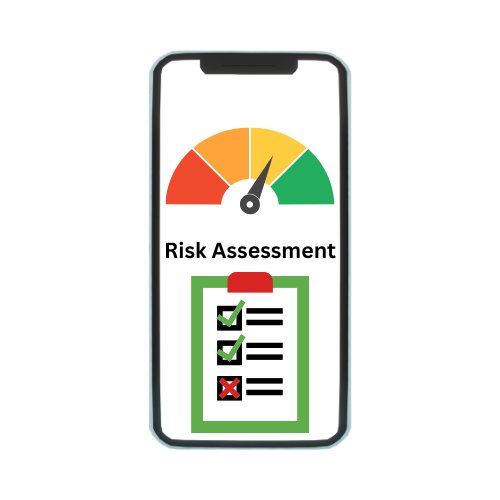
कोणत्याही संस्थेच्या निर्णय घेण्याच्या प्रक्रियेचा रिस्क मूल्यांकन हा एक महत्त्वाचा पैलू आहे. हे सुनिश्चित करते की संभाव्य धोके आणि भेद्यता ओळखल्या जातात, विश्लेषण केले जातात आणि यश मिळवण्यासाठी कमी केल्या जातात. तथापि, अनेक संस्था अनेकदा चुका करतात जे त्यांच्या रिस्क मूल्यांकनाच्या प्रभावाशी तडजोड करू शकतात. या ब्लॉगमध्ये, आम्ही पाच सामान्य जोखीम मूल्यांकन चुका पाहू, ते का महत्त्वाचे आहेत हे स्पष्ट करू आणि त्यांना टाळण्यासाठी कृतीयोग्य टिप्स प्रदान करू.
रिस्क असेसमेंट का महत्त्वाचे आहे
रिस्क असेसमेंट हे केवळ चेकबॉक्स एक्सरसाईज नाही- ही संस्थेची लवचिकता आणि धोरणात्मक नियोजनाची पार्श्वभूमी आहे. मजबूत जोखीम मूल्यांकन प्रक्रिया अनपेक्षित घटनांपासून सुरक्षित ठेवते, संसाधन वाटप ऑप्टिमाईज करते, नियमांचे अनुपालन सुनिश्चित करते आणि सक्रिय निर्णय घेण्याच्या संस्कृतीला प्रोत्साहन देते. योग्य जोखीम मूल्यांकनाशिवाय, संस्था अनावश्यक भेद्यतेशी स्वत:ला संपर्क साधण्याची जोखीम घेतात, ज्यामुळे प्रतिष्ठित नुकसान, फायनान्शियल नुकसान आणि कार्यात्मक व्यत्यय येऊ शकतात. आता, चला रिस्क असेसमेंट पद्धतींमधील सामान्य अडचणी तपासूया.
चुक #1: औपचारिक जोखीम मूल्यांकन प्रक्रिया वगळणे
सर्वात महत्त्वाच्या चुकांपैकी एक म्हणजे औपचारिक रिस्क मूल्यांकन प्रोसेसला पूर्णपणे बायपास करणे. सिस्टीमॅटिक मूल्यांकन करण्याऐवजी, काही टीम अंतर्ज्ञान किंवा सुपरफिशियल विश्लेषणावर अवलंबून असतात, ज्यामुळे देखरेख आणि अंदाज येऊ शकतात.
ही समस्या का आहे:
संरचित प्रक्रियेशिवाय, गंभीर जोखीम चुकवणे किंवा चुकीचे प्राधान्य देणे सोपे आहे. अनौपचारिक मूल्यांकनामध्ये सातत्य आणि उत्तरदायित्वाचा अभाव असतो, ज्यामुळे ते अविश्वसनीय बनतात.
ते कसे टाळावे:
आयएसओ 31000 किंवा कोसो ईआरएम सारख्या जोखीम मूल्यांकनासाठी औपचारिक फ्रेमवर्कची अंमलबजावणी करा. या मार्गदर्शक तत्त्वांचे पालन करण्याच्या महत्त्वावर तुमच्या टीमला प्रशिक्षण द्या आणि पारदर्शकतेसाठी प्रक्रियेच्या प्रत्येक पायरीवर दस्तऐवज करा. जोखीमांचे प्रभावीपणे मूल्यांकन करण्यासाठी स्पष्ट उद्दिष्टे, कालावधी आणि मोजण्यायोग्य निकष स्थापित करा.
चुक #2: कालबाह्य डाटावर अवलंबून आहे
आणखी एक सामान्य त्रुटी म्हणजे कालबाह्य किंवा अपूर्ण डाटावर जोखीम मूल्यांकनावर आधारित करणे. आजच्या जलद गतीने वातावरणात, जुन्या माहितीवर अवलंबून राहण्यामुळे चुकीचे जोखीम मूल्यांकन आणि अयोग्य धोरणे होऊ शकतात.
ही समस्या का आहे:
कालबाह्य डाटा वर्तमान मार्केट ट्रेंड, तांत्रिक प्रगती किंवा उदयोन्मुख धोक्यांसाठी अकाउंट करत नाही. यामुळे नवीन आव्हानांसाठी अपुरी तयारी होऊ शकते.
ते कसे टाळावे:
नियमितपणे तुमचे डाटा सोर्स अपडेट करा आणि त्यांची अचूकता प्रमाणित करा. तुमच्या रिस्क असेसमेंट प्रोसेसमध्ये रिअल-टाइम मॉनिटरिंग टूल्स, इंडस्ट्री बेंचमार्क आणि मार्केट ॲनालिसिस समाविष्ट करा. सर्वसमावेशक दृष्टीकोन मिळविण्यासाठी समकालीन अंतर्दृष्टीसह ऐतिहासिक डाटा रिव्ह्यू करा.
चुक #3: योग्य भागधारकांचा समावेश करण्यात अयशस्वी
रिस्क मॅनेजमेंट स्ट्रॅटेजीवर मौल्यवान अंतर्दृष्टी किंवा प्रभाव असलेल्या प्रमुख भागधारकांना प्रोसेसमध्ये वगळल्यावर रिस्क मूल्यांकन अनेकदा अयशस्वी होतात. आयसोलेशनमध्ये केलेले निर्णय गंभीर घटकांकडे दुर्लक्ष करू शकतात.
ही समस्या का आहे:
भागधारकांना वगळून अपूर्ण मूल्यांकन आणि मर्यादित खरेदी-इन होते. एकाधिक विभागांवर परिणाम करणाऱ्या जोखीमांसाठी सर्व बाजू कव्हर केल्याची खात्री करण्यासाठी सहयोग आवश्यक आहे.
ते कसे टाळावे:
एक्झिक्युटिव्ह, ऑपरेशनल टीम, आयटी, लीगल आणि फायनान्ससह सर्व संबंधित कार्यांमध्ये भागधारकांची ओळख आणि समावेश करा. विविध दृष्टीकोन एकत्रित करण्यासाठी नियमित कार्यशाळा, ब्रेनस्टॉर्मिंग सत्र किंवा क्रॉस-फंक्शनल बैठकांचे आयोजन करा. सक्रिय सहभागाला प्रोत्साहन देणे आणि संरेखनाला चालना देण्यासाठी पारदर्शकपणे निष्कर्ष सामायिक करणे.
चुक #4: कमी-संभाव्यता, उच्च-प्रभावाच्या जोखीमांकडे दुर्लक्ष
अनेक संस्था केवळ उच्च-संभाव्य जोखमींवर लक्ष केंद्रित करतात, कमी-संभाव्यता दुर्लक्ष करतात, उच्च-प्रभावाच्या घटनांवर लक्ष केंद्रित करतात जे आपत्तीजनक असू शकतात. हे जोखीम असंभवित वाटत असताना, त्यांचे परिणाम विनाशक असू शकतात.
ही समस्या का आहे:
दुर्मिळ परंतु गंभीर जोखीम दुर्लक्ष केल्यामुळे संस्थांना अस्तित्वातील धोक्यांचा सामना करावा लागतो. उदाहरणार्थ, नैसर्गिक आपत्ती किंवा सायबर सिक्युरिटी उल्लंघन अनपेक्षित असल्यास ऑपरेशन्सला कठीण करू शकते.
ते कसे टाळावे:
सामान्य आणि असामान्य दोन्ही जोखमींचा समावेश असलेला संतुलित दृष्टीकोन स्वीकारा. परिस्थिती नियोजन, मॉन्टे कार्लो सिम्युलेशन किंवा अतिशय घटनांचे मॉडेल करण्यासाठी संवेदनशीलता विश्लेषण यासारख्या तंत्रांचा वापर करा. आकस्मिक संसाधने वाटप करा आणि अशा परिस्थितीचा सामना करण्यासाठी आपत्कालीन प्रतिसाद योजना स्थापित करा.
चुक #5: नियमितपणे रिव्ह्यू आणि अपडेट होत नाही
जोखीम मूल्यांकन कधीही स्थिर नसावे. अनेक संस्था एकाच रिस्क मूल्यांकन करण्याची चूक करतात आणि ते अनिश्चित काळासाठी वैध राहतील असे गृहीत धरतात.
ही समस्या का आहे:
अंतर्गत आणि बाह्य घटक बदलल्यामुळे जोखीम विकसित होते. मूल्यांकन अपडेट करण्यात अयशस्वी झाल्यास कालबाह्य धोरणे आणि उदयोन्मुख धोक्यांचे निराकरण करण्यासाठी चुकलेल्या संधी निर्माण होतात.
ते कसे टाळावे:
ते संबंधित असल्याची खात्री करण्यासाठी तुमच्या रिस्क मूल्यांकन प्रोसेसचे नियतकालिक रिव्ह्यू शेड्यूल करा. तिमाही किंवा वार्षिक अपडेट्ससाठी रिमाइंडर सेट करा किंवा प्रमुख संस्थात्मक बदलांनंतर रिव्ह्यू करा. आर्थिक स्थिती, तांत्रिक प्रगती आणि नियामक बदलांसारख्या बाह्य घटकांवर सतत देखरेख ठेवणे.
तुमची रिस्क असेसमेंट प्रोसेस कशी मजबूत करावी
या चुका टाळण्यापलीकडे, तुमची रिस्क असेसमेंट प्रोसेस वाढविण्याचे व्यावहारिक मार्ग येथे दिले आहेत:
- तंत्रज्ञानामध्ये गुंतवा: डाटा कलेक्शन आणि रिस्क मॉडेलिंग सुव्यवस्थित करण्यासाठी रिस्क मॅनेजमेंट सॉफ्टवेअर किंवा एआय-चालित विश्लेषणासारख्या साधनांचा लाभ घ्या.
- जोखीम-जागरूक संस्कृती निर्माण करा: जोखीम जागरूकता आणि व्यवस्थापन पद्धतींवर कर्मचाऱ्यांना प्रशिक्षण द्या. संस्थेच्या सर्व स्तरावरील जोखीमांविषयी खुले संवादाला प्रोत्साहन देणे.
- की परफॉर्मन्स इंडिकेटर्स (केपीआयएस) स्थापित करा: रिस्क मॅनेजमेंट प्रभाव ट्रॅक करण्यासाठी आणि कमी करण्याच्या स्ट्रॅटेजीचे यश मोजण्यासाठी मेट्रिक्स विकसित करा.
- सहयोग वाढविणे: विविध दृष्टीकोन मूल्यांकनात एकत्रित केल्याची खात्री करण्यासाठी रिस्क मॅनेजमेंटसाठी समर्पित क्रॉस-फंक्शनल टीम तयार करा.
- इतरांकडून शिका: इंडस्ट्री लीडर्स सापेक्ष बेंचमार्क आणि तुमचा दृष्टीकोन सुधारण्यासाठी केस स्टडीज किंवा सर्वोत्तम पद्धतींमधून शिका.
रिस्क मूल्यांकनात कम्युनिकेशनची भूमिका
कोणत्याही यशस्वी जोखीम मूल्यांकन प्रक्रियेचा प्रभावी संवाद हा आधारस्तंभ आहे. गैरसंवाद किंवा पारदर्शकतेचा अभाव चुकीची समज आणि अपूर्ण मूल्यांकन करू शकतो.
हे महत्त्वाचे का आहे:
स्पष्ट संवाद हे सुनिश्चित करते की प्रत्येक भागधारकाला जोखीम, कमी करण्याची धोरणे आणि प्रक्रियेतील त्यांच्या संबंधित भूमिका समजतात. त्याशिवाय, गंभीर माहितीकडे दुर्लक्ष केले जाऊ शकते आणि आंशिक माहितीवर आधारित निर्णय घेतले जाऊ शकतात.
संवाद कसा सुधारावा:
- शोध स्पष्ट करण्यासाठी रिस्क मॅट्रिक्स किंवा फ्लोचार्ट्स सारख्या व्हिज्युअल टूल्सचा वापर करा.
- अपडेट्स आणि बदलांवर चर्चा करण्यासाठी नियमित मीटिंग्स आयोजित करा.
- सहज समजणार्या भाषेत जोखीम आणि कमी करण्याच्या स्टेप्सचा सारांश देणारे संक्षिप्त अहवाल तयार करा.
- सर्व संबंधित पक्षांसह माहिती आणि प्रगती सामायिक करण्यासाठी एक केंद्रीय व्यासपीठ स्थापित करा.
चांगल्या जोखीम मूल्यांकनासाठी तंत्रज्ञानाचा लाभ घेणे
जोखीम मूल्यांकन प्रक्रियेमध्ये तंत्रज्ञान समाविष्ट करणे कार्यक्षमता आणि अचूकता लक्षणीयरित्या वाढवू शकते. डाटा संकलनापासून ते अंदाजित विश्लेषणापर्यंत, साधने आणि सॉफ्टवेअर पारंपारिक पद्धती बदलू शकतात.
हे महत्त्वाचे का आहे:
तंत्रज्ञान मानवी त्रुटी कमी करते, जोखीम विश्लेषण वेगवान करते आणि अन्यथा दुर्लक्ष केल्या जाऊ शकणाऱ्या मोठ्या प्रमाणातील डाटाची मौल्यवान माहिती प्रदान करते. प्रगत साधने परिस्थिती अनुकरण करू शकतात, संभाव्यतेचे मूल्यांकन करू शकतात आणि उपाय सुचवू शकतात.
तंत्रज्ञानाचा लाभ कसा घ्यावा:
- तुमच्या विद्यमान सिस्टीमसह एकत्रित करणारे रिस्क मॅनेजमेंट सॉफ्टवेअरमध्ये इन्व्हेस्ट करा.
- अंदाजित मॉडेलिंग आणि ट्रेंड विश्लेषणासाठी आर्टिफिशियल इंटेलिजन्स (एआय) वापरा.
- डाटा सेटमध्ये पॅटर्न ओळखण्यासाठी मशीन लर्निंग अल्गोरिदमचा वापर करा.
- सहयोग आणि डाटा स्टोरेजसाठी क्लाउड-आधारित प्लॅटफॉर्म पाहा.
खराब रिस्क मॅनेजमेंटचा खर्च
रिस्क मूल्यांकन हे केवळ धोके ओळखण्याविषयी नाही; हे तयारी न करण्याशी संबंधित खर्च कमी करण्याविषयी देखील आहे. जोखमींचे निराकरण करण्यात अयशस्वी झाल्यास फायनान्शियल नुकसान, प्रतिष्ठा नुकसान आणि कार्यात्मक अडचणी निर्माण होऊ शकतात.
हे का महत्त्वाचे आहे:
प्रत्येक रिस्कसाठी संभाव्य खर्च असतो, मग ते आर्थिक असो, प्रतिष्ठात्मक असो किंवा धोरणात्मक असो. खराब रिस्क मॅनेजमेंट दीर्घकालीन संस्थात्मक ध्येय आणि भागधारकांच्या विश्वासावर परिणाम करू शकते.
खर्च कसा कमी करावा:
- फायनान्शियल परिणामाच्या बाबतीत रिस्कचे प्रमाण.
- उच्च-प्रभाव रिस्कसाठी तपशीलवार आकस्मिक बजेट विकसित करा.
- जेथे आवश्यक असेल तेथे इन्श्युरन्स पॉलिसी किंवा फायनान्शियल सुरक्षा स्थापित करा.
- तुमच्या रिस्क कमी करण्याच्या धोरणाच्या इन्व्हेस्टमेंटवरील रिटर्न (ROI) मोजणे.
जोखीम-जागरूक संस्थात्मक संस्कृती निर्माण करणे
जोखीम जागरुकता यावर भर देणारी संस्कृती सक्रिय व्यवस्थापन आणि निर्णय घेण्यास प्रोत्साहित करू शकते. जोखीम बाबींवर शिक्षण आणि सक्षमीकरणाला प्राधान्य देणाऱ्या संस्था अनिश्चितता हाताळण्यासाठी चांगल्या प्रकारे सुसज्ज आहेत.
हे महत्त्वाचे का आहे:
रिस्क मॅनेजमेंटचे महत्त्व समजणाऱ्या कर्मचाऱ्यांना रिस्क प्रभावीपणे ओळखण्याची, रिपोर्ट करण्याची आणि प्रतिसाद देण्याची शक्यता अधिक असते. ही संस्कृती एकाच टीम किंवा विभागावर अवलंबित्व कमी करते.
ते कसे तयार करावे:
- रिस्क मॅनेजमेंट तत्त्वांवर नियमित ट्रेनिंग सत्र ऑफर करते.
- सक्रिय जोखीम ओळख आणि कमी करण्याच्या प्रयत्नांना मान्यता आणि रिवॉर्ड.
- कर्मचारी ऑनबोर्डिंग आणि डेव्हलपमेंट प्रोग्रामचा रिस्क मॅनेजमेंट भाग बनवा.
- संस्थेच्या सर्व स्तरावरील जोखीमांविषयी खुल्या चर्चासत्रे करण्यास प्रोत्साहित करा.
शॉर्ट-टर्म आणि लाँग-टर्म रिस्क संतुलित करणे
संस्था अनेकदा दीर्घकालीन धोरणात्मक जोखीम दुर्लक्ष करताना त्वरित धोक्यांवर लक्ष केंद्रित करतात. दोन्हीमध्ये समतोल राखणे फार महत्त्काचे असते.
हे महत्त्वाचे का आहे:
शॉर्ट-टर्म जोखीम ऑपरेशन्समध्ये व्यत्यय आणू शकतात, तर दीर्घकालीन जोखीम वाढ आणि इनोव्हेशनला अडथळा आणू शकतात. कोणत्याही परिमाणाला दुर्लक्ष केल्याने संस्थेला असुरक्षित होऊ शकते.
समतोल कसा साधायचा:
- विशिष्ट प्रक्रियेमध्ये शॉर्ट-टर्म आणि लाँग-टर्म रिस्क मूल्यांकन वेगळा.
- प्रत्येक प्रकारच्या रिस्कसाठी समर्पित टीम नियुक्त करा.
- तत्काळ रिस्क साठी दीर्घकालीन रिस्क आणि परिस्थिती नियोजनाचे मूल्यांकन करण्यासाठी पूर्वानुमान साधने वापरा.
- संस्थात्मक ध्येय आणि प्राधान्यांसह कपात धोरणे संरेखित करा.
निष्कर्ष
रिस्क मूल्यांकन हे वन-टाइम टास्क नाही-हा समजण्याचा, तयारी करण्याचा आणि अनिश्चितता कमी करण्याचा चालू प्रवास आहे. सामान्य चुकांना संबोधित करून आणि सक्रिय धोरणे स्वीकारून, संस्था त्यांचे भविष्य सुरक्षित करू शकतात आणि आव्हानांमध्ये भरभराट करू शकतात. लक्षात ठेवा, मजबूत रिस्क मूल्यांकन प्रक्रिया ही लवचिकता आणि यशातील इन्व्हेस्टमेंट आहे.