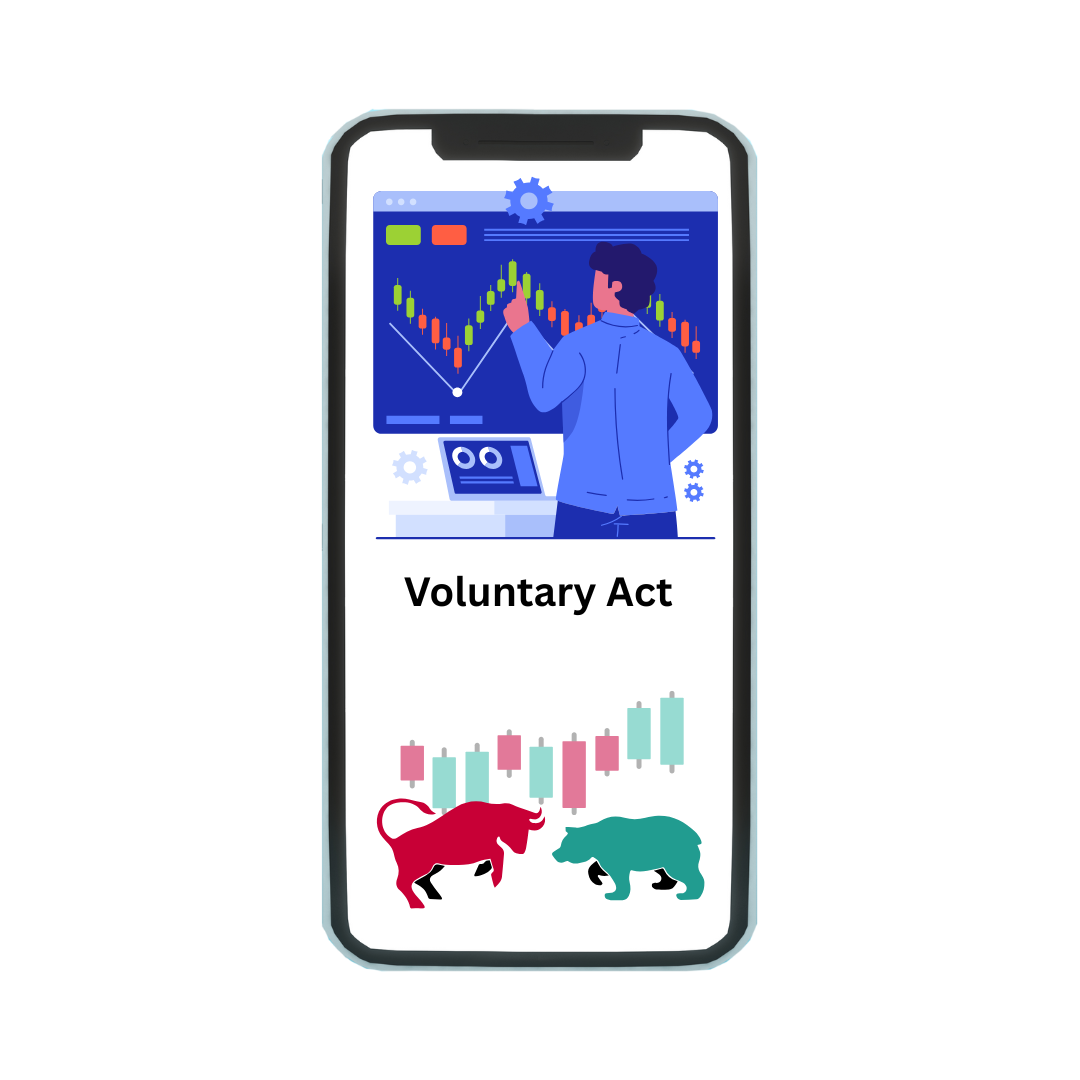
In the world of stock market finance, the concept of a voluntary act is more than a philosophical idea, it is a cornerstone of how markets function. A voluntary act refers to a decision made with intent, awareness, and freedom from coercion. Whether it’s an investor buying shares, a trader executing a strategy, or a fund manager reallocating assets, each action reflects a conscious choice. This principle is vital for understanding accountability, market psychology, and ethical investing.
Voluntary Act Definition
Autonomy and Informed Decision Making
A voluntary act in finance implies that the individual or institution has the freedom to choose among alternatives and understands the consequences of their actions. When an investor decides to buy or sell a stock, they are not being forced , they are exercising judgment based on available data, personal goals, and risk tolerance. This autonomy is what separates voluntary acts from involuntary ones, such as forced liquidations or regulatory interventions.
Legal Frameworks and Investor Accountability
Financial systems are built on the assumption that participants act voluntarily and are responsible for their decisions. Brokerage agreements, risk disclosures, and compliance protocols all reinforce this idea. When a retail investor signs up with a trading platform, they acknowledge the risks involved. Their future actions whether profitable or loss making are considered voluntary, and this legal understanding protects both the investor and the institution.
Voluntary Acts and Market Psychology
Human Behaviour Behind Market Movements
Stock markets are driven by human behaviour, not just algorithms and data. Every buy or sell order reflects a voluntary decision influenced by emotions, expectations, and external stimuli. Bull runs and market crashes often result from the collective impact of millions of voluntary acts. For example, during a rally, investors may enter the market out of optimism or fear of missing out. In downturns, they may exit positions due to panic or risk aversion. These decisions shape market trends and sentiment cycles.
Educating Investors About Intentionality
For financial educators, especially those focused on beginner audiences, it’s crucial to highlight that every financial decision is a voluntary act. Whether investing in mutual funds, trading options, or choosing a retirement plan, the responsibility lies with the individual. Framing financial literacy around intentionality helps learners develop ownership and confidence in their decisions.
Institutional Voluntary Acts and Regulatory Oversight
Strategic Decisions by Financial Institutions
Institutions like hedge funds and mutual funds make strategic decisions based on models and forecasts. These actions, though data driven, are ultimately voluntary acts made by fund managers. High frequency trading, arbitrage, and speculative bets are all deliberate choices. Regulatory bodies such as SEBI or the SEC monitor these decisions to ensure they remain within ethical and legal boundaries.
Insider Trading and Ethical Violations
Insider trading is a prime example of a voluntary act that violates market fairness. It involves making decisions based on privileged information, undermining the integrity of the market. Regulators intervene not because the act was involuntary, but because it was a conscious misuse of information.
Investor Protection and Dispute Resolution
Was the Decision Truly Voluntary?
When investors face losses due to misleading advice or lack of transparency, the question arises: was the act truly voluntary? If an investor was misled or lacked access to critical information, their decision may not qualify as voluntary in a legal sense. This distinction is crucial in arbitration and litigation, where informed consent becomes the focal point.
Advisor Responsibility and Transparency
Financial advisors must ensure that clients understand the risks and implications of their decisions. Clear communication and full disclosure are essential so that investors can act voluntarily and responsibly.
Behavioral Finance and Cognitive Biases
The Illusion of Voluntary Choice
While investors may believe they are acting voluntarily, their decisions are often influenced by cognitive biases. Anchoring, overconfidence, and herd mentality can distort judgment. For instance, buying a stock simply because it has recently surged may feel like a voluntary act, but it may lack the depth of analysis that defines true intentionality.
Building Self Awareness in Market Decisions
Recognizing these biases is key to improving decision making. Financial education should include tools to help investors identify and mitigate subconscious influences, reinforcing the value of informed voluntary acts.
Technology and the Changing Nature of Voluntary Acts
Robo Advisors and Algorithmic Decision Making
With the rise of robot advisors and AI driven platforms, the definition of a voluntary act is evolving. When an investor uses a robot advisor, the resulting portfolio allocation is technically voluntary, but the degree of control and understanding may vary. This raises questions about autonomy and informed consent in digital finance.
Regulatory Implications of Tech Driven Choices
As technology continues to shape financial behavior, regulators must ensure that users retain agency in their decisions. Transparency in algorithmic recommendations and user education are critical to preserving the integrity of voluntary acts.
Voluntary Acts in the Indian Market Landscape
Rise of Retail Participation and Social Influence
While this democratization is positive, it also increases the need for investor education. Decisions driven by social media hype or Telegram groups may lack the intentionality required for responsible investing.
Empowering Investors Through Financial Literacy
Educators must emphasize that every trade is a voluntary act. By reinforcing this principle, they can help investors develop a mindset rooted in accountability and informed choice.
Ethical Investing and Voluntary Alignment
ESG Investing as a Moral Voluntary Act
Investors who choose to align their portfolios with ethical values such as sustainability or governance are making voluntary acts that reflect personal beliefs. This adds a moral dimension to finance, transforming it from a profit driven activity to one that considers societal impact.
Shaping Investor Identity Through Intentionality
As ESG investing grows, voluntary acts will play a larger role in defining investor identity and purpose. Intentionality becomes not just a financial strategy, but a reflection of values.
Conclusion: Voluntary Acts as the Foundation of Financial Integrity
The concept of a voluntary act in stock market finance is a powerful lens for understanding behavior, responsibility, and ethics. Whether it’s a retail investor making their first trade or a fund manager executing a complex strategy, the principle of voluntary action underpins every decision. By embracing this concept, market participants can cultivate a more informed, ethical, and resilient financial ecosystem.
Frequently Asked Questions
A voluntary act refers to any decision or behavior made by a market participant, like an investor, company, or regulator,that is not mandated by law or regulation.
Intent is the internal motivation behind a voluntary act. It could stem from:
Ethical responsibility (e.g., fair disclosure)
Strategic positioning (e.g., building investor trust)
Social impact (e.g., CSR initiatives)
Not necessarily. While many voluntary acts reflect responsibility , others may be self-serving or even manipulative . The alignment between intent and impact determines whether the act is truly responsible.