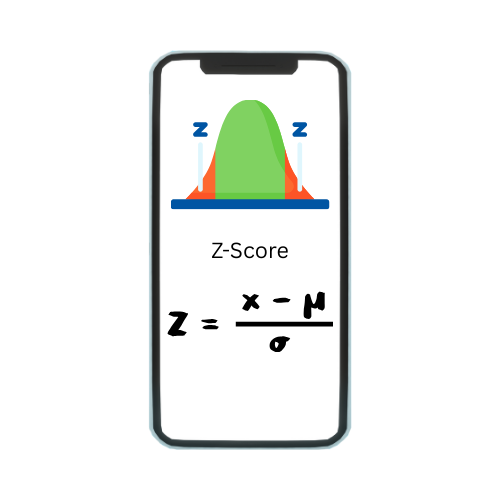
1968 માં એડવર્ડ અલ્ટમેન દ્વારા વિકસિત ઝેડ-સ્કોર, એક નાણાંકીય મેટ્રિક છે જે આગામી બે વર્ષમાં નાદારીનો અનુભવ કરતી કંપનીની સંભાવનાનું મૂલ્યાંકન કરવામાં મદદ કરે છે. આ ફોર્મ્યુલા કંપનીની ફાઇનાન્શિયલ સ્થિરતાનો સ્નૅપશૉટ પ્રદાન કરવા માટે ઘણા ફાઇનાન્શિયલ રેશિયોને જોડે છે. લિક્વિડિટી, નફાકારકતા, લાભ અને કાર્યક્ષમતા જેવા પાસાઓને માપીને, ઝેડ-સ્કોર કંપનીના એકંદર સ્વાસ્થ્ય વિશે મૂલ્યવાન સમજ પ્રદાન કરે છે. સ્કોરનો ઉપયોગ મુખ્યત્વે રોકાણકારો, લેણદારો અને નાણાંકીય વિશ્લેષકો દ્વારા કંપની સાથે સંકળાયેલા જોખમના સ્તરને માપવા માટે કરવામાં આવે છે, જે તેમને રોકાણ અથવા ક્રેડિટ એક્સટેન્શન સંબંધિત વધુ માહિતગાર નિર્ણયો લેવામાં મદદ કરે છે. ઉચ્ચ ઝેડ-સ્કોર નાદારીના ઓછા જોખમને સૂચવે છે, જ્યારે ઓછો સ્કોર ઉચ્ચ ફાઇનાન્શિયલ તકલીફને સૂચવે છે, જે સંભવિત રીતે આગામી ફાઇનાન્શિયલ મુશ્કેલીઓનો સંકેત આપે છે. કોર્પોરેટ તકલીફનું મૂલ્યાંકન કરવા માટે એક વિશ્વસનીય સાધન તરીકે, ઝેડ-સ્કોર નાણાંકીય ઉદ્યોગમાં એક મહત્વપૂર્ણ સાધન બની ગયું છે.
ઝેડ-સ્કોર શું છે?
ઝેડ-સ્કોર એ એક નાણાંકીય રેશિયો છે જેનો ઉપયોગ કંપનીના નાદારીની સંભાવનાની આગાહી કરવા માટે તેના નાણાંકીય સ્વાસ્થ્યનું વિશ્લેષણ કરીને કરવામાં આવે છે. 1968 માં એડવર્ડ અલ્ટમેન દ્વારા વિકસિત, આ સ્કોર પાંચ મુખ્ય નાણાંકીય ચલ-કાર્યકારી મૂડી, જાળવી રાખેલી કમાણી, વ્યાજ અને કર (ઇબીઆઇટી) પહેલાંની કમાણી, ઇક્વિટીનું બજાર મૂલ્ય અને વેચાણને એક જ નંબરમાં જોડે છે. ઝેડ-સ્કોર તેમની લિક્વિડિટી, નફાકારકતા, લિવરેજ અને ઓપરેશનલ કાર્યક્ષમતાનું મૂલ્યાંકન કરીને ફાઇનાન્શિયલ તકલીફના જોખમ પર કંપનીઓને ઓળખવામાં મદદ કરે છે. ઉચ્ચ ઝેડ-સ્કોર નાદારીના ઓછા જોખમને સૂચવે છે, જ્યારે ઓછા ઝેડ-સ્કોર નાણાંકીય મુશ્કેલીની ઉચ્ચ સંભાવના સૂચવે છે. આ ટૂલનો ઉપયોગ રોકાણકારો, લેણદારો અને વિશ્લેષકો દ્વારા કંપનીની નાણાંકીય સ્થિરતાનું મૂલ્યાંકન કરવા અને રોકાણો, લોન અથવા ભાગીદારી વિશે માહિતગાર નિર્ણયો લેવા માટે વ્યાપકપણે કરવામાં આવે છે. ઝેડ-સ્કોર કોર્પોરેટ સોલ્વન્સીની આગાહી કરવા માટે એક માનક પદ્ધતિ બની ગયું છે અને ખાસ કરીને કંપનીઓની ક્રેડિટ યોગ્યતાનું મૂલ્યાંકન કરવામાં ઉપયોગી છે.
ઝેડ-સ્કોરની ગણતરી કેવી રીતે કરવામાં આવે છે?
ઝેડ-સ્કોરની ગણતરી વેઇટેડ ફોર્મ્યુલાનો ઉપયોગ કરીને કરવામાં આવે છે જે પાંચ અલગ ફાઇનાન્શિયલ રેશિયોને જોડે છે, જે દરેક કંપનીના ફાઇનાન્શિયલ હેલ્થના અલગ પાસાનું પ્રતિનિધિત્વ કરે છે. મૂળ ઑલ્ટમેન Z-સ્કોર ફોર્મ્યુલા છે:
ઝેડ = 1.2 x (એ) + 1.4 x (બી) + 3.3 x (સી) + 0.6 x (ડી) + 1.0 x (ઈ)
જ્યાં:
- A= કાર્યકારી મૂડી/કુલ સંપત્તિઓ (લિક્વિડિટીને માપે છે)
- B= જાળવી રાખેલી કમાણી/કુલ સંપત્તિ (નફાકારકતા અને ફરીથી રોકાણ કરેલી કમાણી સૂચવે છે)
- C= ઇબીઆઇટી / કુલ અસ્કયામતો (કાર્યકારી કાર્યક્ષમતા બતાવે છે)
- D= ઇક્વિટી/કુલ જવાબદારીઓનું બજાર મૂલ્ય (સોલ્વન્સી અને બજારના આત્મવિશ્વાસને પ્રતિબિંબિત કરે છે)
- E= વેચાણ/કુલ સંપત્તિ (એસેટ ટર્નઓવર અને કાર્યક્ષમતાનું મૂલ્યાંકન કરે છે)
નાદારીની સંભાવનાની આગાહી કરવામાં તેના મહત્વને પ્રતિબિંબિત કરવા માટે દરેક વેરિયેબલને ચોક્કસ વજન આપવામાં આવે છે. પરિણામે ઝેડ-સ્કોર એક જ નંબર છે જે કંપનીની ફાઇનાન્શિયલ સ્થિતિનો સારાંશ આપે છે. ઉચ્ચ ઝેડ-સ્કોર આર્થિક શક્તિને સૂચવે છે, જ્યારે ઓછો સ્કોર સંભવિત તકલીફને સૂચવે છે. આ પદ્ધતિ ખાસ કરીને ઉત્પાદન અને જાહેરમાં સૂચિબદ્ધ કંપનીઓ માટે અસરકારક છે અને નાણાંકીય જોખમ મૂલ્યાંકન માટે એક વ્યવહારિક સાધન તરીકે કાર્ય કરે છે.
ઝેડ-સ્કોરનું અર્થઘટન
ઝેડ-સ્કોર કંપનીના ફાઇનાન્શિયલ જોખમ વિશે મૂલ્યવાન માહિતી પ્રદાન કરે છે. ઝેડ-સ્કોર માટે સામાન્ય થ્રેશહોલ્ડ નીચે મુજબ છે:
- 2.99 થી વધુ ઝેડ-સ્કોર: કંપનીને નાદારીના ઓછા જોખમ સાથે આર્થિક રીતે સ્વસ્થ માનવામાં આવે છે.
- 1.8 અને 2.99 વચ્ચે Z-સ્કોર: કંપની "ગ્રે" ઝોનમાં છે, જ્યાં નાણાંકીય મુશ્કેલીનું જોખમ છે, પરંતુ તે તાત્કાલિક ચિંતા નથી.
- 1.8 થી નીચેના Z-સ્કોર: કંપની નાદારીના ઉચ્ચ જોખમ પર છે, અને નાણાંકીય તકલીફની સંભાવના છે.
ઝેડ-સ્કોર શા માટે મહત્વપૂર્ણ છે?
- આર્થિક તકલીફની આગાહી કરે છે:ઝેડ-સ્કોર નાદારીના જોખમ પર કંપનીઓને ઓળખીને પ્રારંભિક ચેતવણી પ્રણાલી તરીકે કાર્ય કરે છે, જે હિસ્સેદારોને નિવારક પગલાં લેવાની મંજૂરી આપે છે.
- રોકાણના નિર્ણયોને ટેકો આપે છે:રોકાણકારો મૂડી ફાળવતા પહેલાં કંપનીની ફાઇનાન્શિયલ સ્થિરતાનું મૂલ્યાંકન કરવા માટે ઝેડ-સ્કોર પર આધાર રાખે છે, જે તેમને ઉચ્ચ-જોખમવાળા રોકાણોને ટાળવામાં મદદ કરે છે.
- ક્રેડિટ મૂલ્યાંકનમાં સહાય કરે છે:ધિરાણકર્તાઓ અને લેણદારો કંપનીની ક્રેડિટ યોગ્યતા નક્કી કરવા માટે Z-સ્કોરનો ઉપયોગ કરે છે, જે લોનની મંજૂરીઓ અને ઇન્ટરેસ્ટ દરોને પ્રભાવિત કરે છે.
- કોર્પોરેટ મોનિટરિંગમાં સહાય કરે છે:આંતરિક મેનેજમેન્ટ સમય જતાં કંપનીના ફાઇનાન્શિયલ સ્વાસ્થ્યને મૉનિટર કરવા અને જો જરૂરી હોય તો સુધારાત્મક વ્યૂહરચનાઓને અમલમાં મૂકવા માટે ઝેડ-સ્કોરનો ઉપયોગ કરી શકે છે.
- મર્જર અને એક્વિઝિશનની સુવિધા આપે છે:એમ એન્ડ એ વ્યવહારોમાં, ઝેડ-સ્કોર લક્ષ્ય કંપનીઓની ફાઇનાન્શિયલ સદ્ધરતાનું મૂલ્યાંકન કરવામાં મદદ કરે છે, જે તકલીફગ્રસ્ત સંપત્તિ મેળવવાના જોખમને ઘટાડે છે.
- પ્રમાણિત મેટ્રિક પ્રદાન કરે છે:તે તમામ કંપનીઓમાં ફાઇનાન્શિયલ જોખમનું સતત અને જથ્થાત્મક માપ પ્રદાન કરે છે, જે સમાન ઉદ્યોગમાં કંપનીઓની તુલના કરવાનું સરળ બનાવે છે.
ઝેડ-સ્કોરની એપ્લિકેશનો
- નાદારીની આગાહી:Z-સ્કોરનો ઉપયોગ ચોક્કસ સમયસીમાની અંદર નાદારીમાં પ્રવેશવાની સંભાવનાની આગાહી કરવા માટે વ્યાપકપણે થાય છે, સામાન્ય રીતે બે વર્ષ. તે હિસ્સેદારોને વહેલી તકે આર્થિક રીતે અસ્થિર કંપનીઓને ઓળખવામાં મદદ કરે છે.
- ઇન્વેસ્ટમેન્ટ રિસ્ક મૂલ્યાંકન:રોકાણકારો જે કંપનીઓમાં રોકાણ કરવાનું વિચારી રહ્યા છે તેની ફાઇનાન્શિયલ સુદ્રઢતાનું મૂલ્યાંકન કરવા માટે ઝેડ-સ્કોરનો ઉપયોગ કરે છે. નીચા સ્કોર ઊંચા રિસ્ક અને ઇન્વેસ્ટમેન્ટ નિરાશાજનક હોઈ શકે છે.
- ક્રેડિટ રિસ્ક વિશ્લેષણ:બેંકો અને નાણાકીય સંસ્થાઓ ઉધાર લેનારાઓની પુનઃચુકવણીની ક્ષમતાનું મૂલ્યાંકન કરવા માટે Z-સ્કોર પર આધાર રાખે છે, ખાસ કરીને કોર્પોરેટ ધિરાણમાં. મજબૂત સ્કોર વધુ સારી ક્રેડિટ શરતો તરફ દોરી શકે છે.
- કોર્પોરેટ ફાઇનાન્શિયલ હેલ્થ મૉનિટરિંગ:કંપનીઓ પોતાને ફાઇનાન્શિયલ પરફોર્મન્સને મૉનિટર કરવા અને તકલીફના પ્રારંભિક લક્ષણોને શોધવા માટે આંતરિક સાધન તરીકે ઝેડ-સ્કોરનો ઉપયોગ કરે છે, જે સમયસર સુધારાત્મક પગલાંને સક્ષમ કરે છે.
- એમ એન્ડ એમાં યોગ્ય ચકાસણી:મર્જર અને એક્વિઝિશન દરમિયાન, એક્વિઝર લક્ષિત કંપનીની નાણાંકીય સ્થિતિનું વિશ્લેષણ કરવા અને તકલીફયુક્ત વ્યવસાયો સાથે સંકળાયેલી જવાબદારીઓ લેવાનું ટાળવા માટે ઝેડ-સ્કોરનો ઉપયોગ કરે છે.
ઝેડ-સ્કોરનો ઉપયોગ કરવાના ફાયદાઓ
- વહેલી ચેતવણી સિસ્ટમ:ઝેડ-સ્કોર નાણાંકીય તકલીફનો પ્રારંભિક સંકેત પ્રદાન કરે છે, જે કટોકટી થાય તે પહેલાં કંપનીઓ, રોકાણકારો અને લેણદારોને નિવારક અથવા સુધારાત્મક પગલાં લેવાની મંજૂરી આપે છે.
- કોમ્પ્રિહેન્સિવ રિસ્ક અસેસમેન્ટ:એક જ સ્કોરમાં બહુવિધ ફાઇનાન્શિયલ રેશિયોને જોડીને, તે કંપનીના ફાઇનાન્શિયલ હેલ્થનું સંપૂર્ણ દૃશ્ય પ્રદાન કરે છે, જે લિક્વિડિટી, નફાકારકતા, લાભ અને કાર્યક્ષમતાને કવર કરે છે.
- સરળ અને ક્વૉન્ટિફાયબલ:Z-સ્કોરની ગણતરી અને અર્થઘટન કરવામાં સરળ છે, જે સ્પષ્ટ સંખ્યાત્મક મૂલ્ય પ્રદાન કરે છે જેનો ઉપયોગ કંપનીઓની તુલના કરવા અથવા સમય જતાં પરફોર્મન્સને ટ્રૅક કરવા માટે કરી શકાય છે.
- વ્યાપક રીતે સ્વીકૃત ટૂલ:તે ફાઇનાન્સ ઇન્ડસ્ટ્રીમાં સારી રીતે સ્થાપિત અને વિશ્વસનીય પદ્ધતિ છે, જેનો ઉપયોગ સામાન્ય રીતે વિશ્લેષકો, ધિરાણકર્તાઓ, ઑડિટર અને નિયમનકારી એજન્સીઓ દ્વારા જોખમ મૂલ્યાંકન માટે કરવામાં આવે છે.
- ઉદ્દેશ્ય અને ડેટા-આધારિત:તે ઑડિટ કરેલા ફાઇનાન્શિયલ સ્ટેટમેન્ટ પર આધારિત હોવાથી, Z-સ્કોર વાસ્તવિક ડેટામાં આધારિત છે, જે ફાઇનાન્શિયલ વિશ્લેષણમાં વ્યક્તિગત નિર્ણયને ઘટાડે છે.
- મોંઘી ભૂલોને ટાળવામાં મદદ કરે છે:રોકાણકારો અને લેણદારો આર્થિક રીતે અસ્થિર કંપનીઓથી દૂર રહેવા માટે, સંભવિત રીતે નાણાં બચાવવા અને ડિફોલ્ટ જોખમમાં એક્સપોઝર ઘટાડવા માટે ઝેડ-સ્કોરનો ઉપયોગ કરી શકે છે.
ઝેડ-સ્કોરની મર્યાદાઓ
- ઉદ્યોગની વિશિષ્ટતા:મૂળ ઝેડ-સ્કોર મોડેલ મુખ્યત્વે જાહેરમાં ટ્રેડ કરેલી ઉત્પાદન કંપનીઓ માટે ડિઝાઇન કરવામાં આવ્યું હતું, જે તેને વિવિધ નાણાંકીય માળખા સાથેની સેવા-આધારિત, નાણાંકીય અથવા સ્ટાર્ટઅપ કંપનીઓ માટે ઓછું વિશ્વસનીય બનાવે છે.
- જૂના વેઇટિંગ:આ ફોર્મ્યુલા 1960 ના ઐતિહાસિક ડેટાના આધારે નિશ્ચિત વજનનો ઉપયોગ કરે છે, જે આજના ગતિશીલ બિઝનેસ વાતાવરણ અથવા સેક્ટર-વિશિષ્ટ સૂક્ષ્મતાઓને સંપૂર્ણપણે પ્રતિબિંબિત કરી શકશે નહીં.
- માર્કેટ વેલ્યૂની નિર્ભરતા:આ મોડેલમાં ઇક્વિટીનું બજાર મૂલ્ય શામેલ છે, જે બાહ્ય બજારની સ્થિતિઓને કારણે નોંધપાત્ર રીતે વધઘટ કરી શકે છે, વાસ્તવિક ફાઇનાન્શિયલ તકલીફને પ્રતિબિંબિત કર્યા વિના સંભવિત સ્કોરમાં ઘટાડો કરી શકે છે.
- ગુણાત્મક પરિબળોને અવગણવામાં આવે છે:Z-સ્કોર માત્ર ક્વૉન્ટિટેટિવ ફાઇનાન્શિયલ ડેટાને ધ્યાનમાં લે છે અને મેનેજમેન્ટની ગુણવત્તા, બ્રાન્ડની તાકાત, માર્કેટ સ્પર્ધા અથવા નિયમનકારી જોખમો જેવા ગુણાત્મક પાસાઓને અવગણે છે.
- ખાનગી કંપનીઓ માટે મર્યાદિત:પરંપરાગત ઝેડ-સ્કોર મોડેલો માટે બજાર મૂલ્ય ઇનપુટની જરૂર પડે છે, જે ખાનગી કંપનીઓ માટે ઉપલબ્ધ નથી, જે અસલ મોડેલને એડજસ્ટમેન્ટ વગર ઓછા લાગુ બનાવે છે.
ઝેડ-સ્કોર મોડેલનું ઉત્ક્રાંતિ
મૂળ Z-સ્કોરના નિર્માણથી, તેની ચોકસાઈ અને સુસંગતતામાં સુધારો કરવા માટે તેમાં ફેરફારો થયા છે. સૌથી નોંધપાત્ર અપડેટમાં શામેલ છે:
- ખાનગી કંપનીઓ માટે Z-સ્કોર: ખાનગી રીતે રાખવામાં આવેલી કંપનીઓ માટે ઝેડ-સ્કોરનું વેરિએશન વિકસિત કરવામાં આવ્યું છે, જેમાં ઇક્વિટીનું બજાર મૂલ્ય નથી (મૂળ ફોર્મ્યુલા દ્વારા જરૂરી મુજબ).
- Z'-સ્કોર: આ સંસ્કરણ ખાનગી કંપનીઓ માટે ડિઝાઇન કરવામાં આવ્યું છે અને ઇક્વિટીના બજાર મૂલ્યને બદલે કુલ સંપત્તિ જેવા થોડા અલગ વેરિયેબલ્સનો ઉપયોગ કરે છે.
- Z''-સ્કોર: ઝેડ-સ્કોરનું નવું વર્ઝન જે ઉભરતી માર્કેટ કંપનીઓ પર ધ્યાન કેન્દ્રિત કરે છે, જે ફોર્મ્યુલામાં પ્રાદેશિક ફાઇનાન્શિયલ પરિસ્થિતિઓને શામેલ કરે છે.
ઝેડ-સ્કોર અને માર્કેટ વોલેટિલિટી
બજારની અસ્થિરતાના સમયગાળા દરમિયાન ઝેડ-સ્કોર નોંધપાત્ર ભૂમિકા ભજવે છે, કારણ કે તે આર્થિક અનિશ્ચિતતા વચ્ચે કંપનીના સ્થિતિસ્થાપકતાનું મૂલ્યાંકન કરવામાં મદદ કરે છે. અસ્થિર બજારની સ્થિતિઓમાં-જેમ કે મંદી, ભૂ-રાજકીય તણાવ અથવા ફાઇનાન્શિયલ કટોકટી દરમિયાન-નફા ફાઇનાન્શિયલ ફંડામેન્ટલ્સ ધરાવતી કંપનીઓ તણાવ અથવા નાદારીનો અનુભવ કરવાની વધુ સંભાવના ધરાવે છે. આવી પરિસ્થિતિઓમાં ઝેડ-સ્કોર ખાસ કરીને એવી કંપનીઓને હાઇલાઇટ કરે છે કે જે આવકમાં તીવ્ર ઘટાડો, વધતા દેવાના ખર્ચ અથવા તરલતાની તંગીનો સામનો ન કરી શકે. કારણ કે તે નફાકારકતા, લાભ અને લિક્વિડિટી જેવા પરિબળોનું મૂલ્યાંકન કરે છે, તેથી ઝેડ-સ્કોર રોકાણકારો અને લેણદારોને આર્થિક રીતે સ્થિર કંપનીઓ અને બજારના આંચકાઓ માટે સંવેદનશીલ લોકો વચ્ચે ભેદ કરવા માટે સક્ષમ બનાવે છે. જો કે, એ નોંધવું મહત્વપૂર્ણ છે કે અચાનક બજારની વધઘટ Z-સ્કોરના ઘટકોને પણ અસર કરી શકે છે, જેમ કે માર્કેટ કેપિટલાઇઝેશન, સંભવિત રીતે ટૂંકા ગાળાના વિકૃતિઓ તરફ દોરી જાય છે. આ છતાં, આર્થિક તણાવના સમયગાળા દરમિયાન મૂળભૂત રીતે વધુ જોખમમાં હોય તેવી કંપનીઓને ઓળખવા માટે ઝેડ-સ્કોર એક ઉપયોગી સાધન છે.
ઝેડ-સ્કોર અને ક્રેડિટ રેટિંગ પર તેની અસર
Z-સ્કોર કંપનીની ક્રેડિટ યોગ્યતા અને તેના પરિણામે, તેના ક્રેડિટ રેટિંગ પર સીધો પ્રભાવ ધરાવે છે. ક્રેડિટ રેટિંગ એજન્સીઓ ઘણીવાર Z-સ્કોર જેવા નાણાકીય સ્વાસ્થ્ય સૂચકાંકોને ધ્યાનમાં લે છે જ્યારે કંપનીની ડેબ્ટ જવાબદારીને પહોંચી વળવાની ક્ષમતાનું મૂલ્યાંકન કરે છે. ઉચ્ચ ઝેડ સ્કોર મજબૂત નાણાકીય સ્થિરતા પ્રતિબિંબિત કરે છે, ક્રેડિટ વિશ્લેષકોને સંકેત આપે છે કે કંપની ડિફોલ્ટ થવાની સંભાવના ઓછી છે, જે અનુકૂળ ક્રેડિટ રેટિંગ તરફ દોરી શકે છે. તેનાથી વિપરીત, ઓછા Z-સ્કોર ઉચ્ચ નાદારીનું રિસ્ક સૂચવે છે, જે કંપનીના ક્રેડિટ રેટિંગમાં ડાઉનગ્રેડની સંભાવના વધારે છે. આવા ડાઉનગ્રેડ કરજ લેવાનો ખર્ચ વધારી શકે છે, રોકાણકારનો આત્મવિશ્વાસ ઘટાડી શકે છે અને ફાઇનાન્સિંગની ઍક્સેસને મર્યાદિત કરી શકે છે. ક્રેડિટ રેટિંગ્સ બોન્ડ ઉપજથી લઈને રોકાણકારની ધારણાઓ સુધી બધું અસર કરે છે, તેથી નાણાકીય સુગમતા જાળવી રાખવા માંગતી કંપની માટે તંદુરસ્ત ઝેડ-સ્કોર જાળવી રાખવું જરૂરી છે. એકમાત્ર પરિબળ ન હોવા છતાં, ઝેડ-સ્કોર એક મહત્વપૂર્ણ માત્રાત્મક ઇનપુટ તરીકે કામ કરે છે જે ક્રેડિટ રિસ્ક મૂલ્યાંકન અને ધિરાણના નિર્ણયોને સમર્થન આપે છે.
નિષ્કર્ષ
Z-સ્કોર નાણાકીય વિશ્લેષણના ક્ષેત્રમાં એક શક્તિશાળી અને વ્યવહારુ સાધન તરીકે કામ કરે છે, જે કંપનીના નાણાકીય સ્વાસ્થ્ય અને નાદારીના જોખમનું સંક્ષિપ્ત પરંતુ કોમ્પ્રિહેન્સિવ માપ પ્રદાન કરે છે. મુખ્ય ફાઇનાન્શિયલ રેશિયોને એકીકૃત કરીને - લિક્વિડિટી, નફાકારકતા, લાભ અને કાર્યક્ષમતા - તે મૂલ્યવાન આંતરદૃષ્ટિ પ્રદાન કરે છે જે રોકાણકારો, લેણદારો અને કોર્પોરેટ મેનેજરોને માહિતગાર નિર્ણયો લેવામાં મદદ કરે છે. રોકાણની તકોનું મૂલ્યાંકન કરવા, ક્રેડિટ જોખમનું મૂલ્યાંકન કરવા અથવા આંતરિક ફાઇનાન્શિયલ પરફોર્મન્સને મૉનિટર કરવા માટે ઉપયોગમાં લેવાતું હોય, Z-સ્કોર ઉદ્દેશ્ય અને ડેટા-આધારિત માર્ગદર્શન પ્રદાન કરે છે. જો કે, કોઈપણ વિશ્લેષણાત્મક મોડેલની જેમ, તે મર્યાદાઓ વગર નથી. તેને ઉદ્યોગના સંદર્ભમાં, કંપની-વિશિષ્ટ સૂક્ષ્મતાઓ અને બજારની ગતિશીલતાની સમજણ સાથે લાગુ કરવું આવશ્યક છે. જ્યારે અન્ય ગુણાત્મક અને જથ્થાત્મક મૂલ્યાંકનની સાથે ઉપયોગ કરવામાં આવે છે, ત્યારે ઝેડ-સ્કોર નાણાંકીય મૂલ્યાંકન અને વ્યૂહાત્મક આયોજનની ચોકસાઈમાં નોંધપાત્ર રીતે વધારી શકે છે. જેમ બજારની સ્થિતિઓ વિકસિત થતી રહી છે, તેમ ઝેડ-સ્કોરની સુસંગતતા અકબંધ રહે છે, ખાસ કરીને વધતી જતી અનિશ્ચિત આર્થિક વાતાવરણમાં નાણાંકીય તકલીફના નિવારક સૂચક તરીકે.