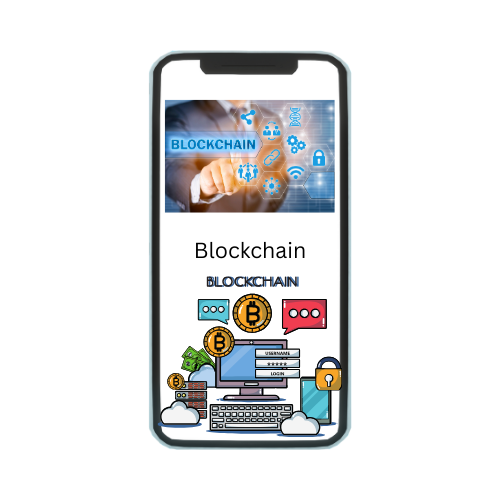
બ્લોકચેન એ 2008 માં સતોશી નાકામોટોના બિટકોઇન વાઇટ પેપર દ્વારા રજૂ કરવામાં આવેલ એક વિતરિત-લેજર આર્કિટેક્ચર છે અને 3 જાન્યુઆરી 2009 ના રોજ "જેનેસિસ બ્લોક" ખાણવામાં આવે ત્યારે પ્રથમ પ્રદર્શિત કરવામાં આવ્યું હતું. તેની મુખ્ય નવીનતા ત્રણ અગાઉના અલગ વિચારો-પીઅર-ટુ-પીઅર નેટવર્કિંગ, ક્રિપ્ટોગ્રાફિક હેશિંગ અને આર્થિક રમત સિદ્ધાંતને એક છેડછાડ-પ્રતિરોધક રેકોર્ડમાં મર્જ કરવાનો હતો જે કેન્દ્રીય સંચાલક વિના અપડેટ કરી શકાય છે. પ્રારંભિક દત્તક ક્રિપ્ટોકરન્સી ચુકવણીઓ પર કેન્દ્રિત છે, પરંતુ કોર લેજર ખ્યાલએ ઝડપથી બીજા પેઢીની ચેનને પ્રેરિત કરી જેમ કે ઇથેરિયમ (2015), જેમ કે પ્રોગ્રામેબલ "સ્માર્ટ કોન્ટ્રાક્ટ્સ" ને એમ્બેડ કરે છે અને ટોકનાઇઝેશન, વિકેન્દ્રીકૃત ફાઇનાન્સ (ડીએફઆઇ) અને ઑટોમેટેડ સેટલમેન્ટ લેયર્સ માટે દરવાજો ખોલે છે. સમાંતર સંશોધનને કારણે ઇન્ટર-બેંક ક્લિયરિંગ, ટ્રેડ ફાઇનાન્સ અને સપ્લાય-ચેન પ્રમાણ માટે ડિઝાઇન કરેલ મંજૂરી અને કન્સોર્ટિયમ બ્લોકચેન તરફ દોરી ગઈ, જે સંપૂર્ણપણે જાહેર નેટવર્ક્સમાંથી ઉપયોગ-વિશિષ્ટ ઇન્ફ્રાસ્ટ્રક્ચર તરફ વ્યાપક પરિવર્તનને પ્રતિબિંબિત કરે છે. આજે, બ્લોકચેનનો વિકાસ ઉર્જા તીવ્રતાને ઘટાડવાના પ્રયત્નો દ્વારા ચિહ્નિત કરવામાં આવે છે (દા.ત., પુરાવો-ઓફ-સ્ટેક), લેયર-2 રોલઅપ્સ અને શેર્ડિંગ દ્વારા થ્રુપુટમાં સુધારો કરવો અને નિયમનકારી સ્પષ્ટતાને સંબોધવો, ક્રોસ-બોર્ડર ચુકવણીઓ, એસેટ સર્વિસિંગ અને આધુનિક નાણાકીય બજારોમાં રિયલ-ટાઇમ ઓડિટ માટે ફાઉન્ડેશનલ પ્લંબિંગ તરીકે ટેક્નોલોજીને સ્થાન આપવું.
બ્લોકચેન શું છે?
બ્લોકચેન એક વિકેન્દ્રિત, એપેન્ડ-ઓન્લી લેજર છે જેમાં ડેટાને અનુક્રમિક "બ્લોક્સ" માં વહેંચવામાં આવે છે, જે દરેક ક્રિપ્ટોગ્રાફિક રીતે અગાઉના બ્લોકના હૅશ સાથે જોડાયેલ છે, જે એક અપરિવર્તનીય ક્રોનોલોજીકલ ચેઇન બનાવે છે જે સ્વતંત્ર કમ્પ્યુટર્સ (નોડ્સ) ના નેટવર્કમાં નકલ કરવામાં આવે છે. પ્રવેશોને માન્ય કરવા માટે એક જ સત્તા પર આધાર રાખવાને બદલે, નેટવર્ક સહમતિ એલ્ગોરિધમ્સનો ઉપયોગ કરે છે-જેમ કે દરેક નવા બ્લોકની કાયદેસરતા પર સંમત થવા માટે પ્રૂફ-ઑફ-વર્ક અથવા પ્રૂફ-ઑફ-સ્ટેક, જે આર્થિક રીતે અથવા કમ્પ્યુટેશનલ રીતે અસમર્થ બનાવે છે. દરેક કન્ફર્મ કરેલ ટ્રાન્ઝૅક્શન સમય-સ્ટેમ્પ, પારદર્શક રીતે ઑડિટ કરી શકાય તેવું અને કાયમી રેકોર્ડ કરવામાં આવે છે, જે ક્રોસ-બોર્ડર ચુકવણીઓ અને સિક્યોરિટીઝ સેટલમેન્ટથી લઈને એસેટ ટોકનાઇઝેશન અને રિયલ-ટાઇમ કમ્પ્લાયન્સ મોનિટરિંગ સુધીની ફાઇનાન્શિયલ એપ્લિકેશનો માટે ટેમ્પર-રેઝિસ્ટન્ટ ઑડિટ ટ્રેલ પ્રદાન કરે છે.
બ્લૉકની એનાટોમી
બ્લોકચેન લેજરમાં, એક "બ્લોક" ડિજિટલ રીતે સીલ કરેલ કન્ટેનર તરીકે કાર્ય કરે છે જેમાં બે મુખ્ય સ્તરો છેઃ એક હેડર અને પેલોડ. હેડર મહત્વપૂર્ણ મેટાડેટા સ્ટોર કરે છે-સૌથી નોંધપાત્ર રીતે (i) અગાઉના બ્લૉકની ક્રિપ્ટોગ્રાફિક હૅશ, જે એકસાથે લેજરને સાંકળે છે; (ii) વર્તમાન બ્લૉકની અંદરના તમામ ટ્રાન્ઝૅક્શનનો સારાંશ આપતું એક મર્કલ-રૂટ હૅશ; (iii) એક ટાઇમસ્ટેમ્પ; (iv) નેટવર્કની વર્તમાન મુશ્કેલીનો લક્ષ્ય; અને (v) હેડરના હૅશ સહમત નિયમોને પૂર્ણ ન કરે ત્યાં સુધી આર્બિટ્રી વેલ્યૂ માઇનર્સ અથવા માન્યતાકર્તાઓ એડજસ્ટ કરે છે. પેલોડમાં માન્ય ટ્રાન્ઝૅક્શન (અથવા અન્ય ડેટા ઑબ્જેક્ટ) ની ઑર્ડર કરેલ સૂચિ છે, જે દરેક તેમના મૂળકર્તાઓ દ્વારા સહી કરેલ છે અને તેની સાઇઝ બ્લૉકની મહત્તમ બાઇટ મર્યાદાની અંદર ફિટ થવા માટે પ્રતિબંધિત છે. એકવાર સહમતિ સહભાગીઓ બ્લોકની કાયદેસરતાની ચકાસણી કરે છે, પરિણામે હેડર હૅશ તે બ્લૉક અને લિંકેજ પોઇન્ટ માટે અનન્ય ઓળખકર્તા બની જાય છે. આ લેયર્ડ ડિઝાઇન દરેક ફેરફારને તરત જ શોધી શકાય તેવા બનાવે છે-એક જ વ્યવહારમાં ફેરફાર કરવાથી મર્કલ રૂટ, હેડર હૅશ દ્વારા કાસ્કેડને અમાન્ય કરશે અને તમામ આગામી બ્લોક્સની સતતતા તોડશે-જેથી બ્લોકચેન-આધારિત નાણાકીય પ્રણાલીઓને અન્ડરપિન કરતી અપરિવર્તનીયતા, ઑડિટેબિલિટી અને વિશ્વસનીય સમાધાન પ્રદાન કરશે.
સર્વસંમતિ કેવી રીતે શાંતિ રાખે છે
જો કોઈ લેજર હજારો કમ્પ્યુટર્સ (નોડ્સ) માં ફેલાયેલ હોય, તો કોણ નક્કી કરે છે કે કયા વર્ઝન "સાચું" છે? સહમતિ પદ્ધતિઓ દાખલ કરો-આગામી માન્ય બ્લૉક પર સંમત થવા માટે દરેક વ્યક્તિ અનુસરેલા નિયમો.
કામનો પુરાવો (PoW)
બિટકોઇન દ્વારા ઉપયોગમાં લેવાય છે, PoW ખાણકારોને સુડોકુ સ્પીડ-રનર્સમાં ફેરવે છે. તેઓ ક્રિપ્ટોગ્રાફિક પઝલને ઉકેલવા માટે કમ્પ્યુટેશનલ પાવરને બર્ન કરે છે. પ્રથમ ઉકેલવા માટે બ્લૉક ઉમેરે છે અને રિવૉર્ડ કમાવે છે. મુશ્કેલી? પુનઃલેખન ઇતિહાસને દુખાવોપયોગી બનાવવા માટે પૂરતું સ્ટ્રેટોસ્ફેરિક.
હિસ્સોનો પુરાવો (PoS)
પીઓએસમાં એથેરિયમનું તાજેતરનું પગલું ઉર્જા-ગઝલિંગ પઝલને અલગ કરે છે. તેના બદલે, ગેમમાં ત્વચા તરીકે વેલિડેટર્સ "સ્ટેક" સિક્કા. ખોટી વર્તન અને તમે તમારો હિસ્સો ગુમાવો છો; વર્તન કરો અને તમે ટ્રાન્ઝૅક્શન ફી કમાવો છો. થિંક લેસ ગ્લેડિયેટર એરેના, વધુ એસ્ક્રો-બૅક્ડ હેન્ડશેક.
ન્યૂ-એજ મોડેલ (PoA, DPO, PoH)
- પ્રૂફ ઑફ ઑથોરિટી (PoA) : પ્રતિષ્ઠા મોટા વીજળીના બિલને બદલે છે.
- ડેલિગેટેડ પ્રૂફ ઑફ સ્ટેક (DPO): ટોકન ધારકો બ્લૉકને માન્ય કરવા માટે પ્રતિનિધિઓને પસંદ કરે છે, જો તમે.
- ઇતિહાસનો પુરાવો (PoH): સોલાનાનો મગજનો સમય જ વેરિફિકેશન સમીકરણ, ટર્બો-ચાર્જિંગ સ્પીડનો ભાગ બની જાય છે.
બ્લોકચેનના પ્રકારો
- જાહેર (પરવાનગી વગર): બિટકોઇન અને ઇથેરિયમ જેવા ઓપન નેટવર્ક્સ જ્યાં કોઈપણ ડેટા વાંચી, લખી અથવા માન્ય કરી શકે છે; પારદર્શક, સેન્સરશિપ-પ્રતિરોધક સંપત્તિઓ અને વિકેન્દ્રિત ફાઇનાન્સ માટે આદર્શ, પરંતુ ધીમી થ્રૂપુટ અને વધુ નિયમનકારી ચકાસણીને આધિન.
- ખાનગી (પરવાનગી): એક જ સંસ્થા દ્વારા નિયંત્રિત લેજર્સ જે નોડ ભાગીદારી અને ડેટા દ્રશ્યમાનતાને પ્રતિબંધિત કરે છે; આંતરિક સેટલમેન્ટ, ઑડિટ ટ્રેલ્સ અથવા અનુપાલન રિપોર્ટિંગ માટે તરફેણમાં જ્યાં ગોપનીયતા અને ઝડપી ટ્રાન્ઝૅક્શન અંતિમતા સર્વોપરિ છે.
- કન્સોર્ટિયમ (ફેડરેટેડ): નિયંત્રિત ઍક્સેસ સાથે બેંકો-સંતુલિત આંશિક વિકેન્દ્રીકરણનું સિંડિકેટ જેવી સંસ્થાઓના પૂર્વનિર્ધારિત જૂથમાં શાસન શેર કરવામાં આવ્યું છે; સામાન્ય રીતે ઇન્ટરબેંક ચુકવણીઓ, વેપાર-નાણાંકીય પ્લેટફોર્મ્સ અને ઉદ્યોગ ઉપયોગિતાઓ માટે ઉપયોગમાં લેવાય છે.
- હાઇબ્રિડ: જાહેર અને ખાનગી તત્વોને એકત્રિત કરે છે, જે ઘણીવાર સંવેદનશીલ ડેટા ઑફ-ચેન અથવા ઑડિટેબિલિટી માટે જાહેર ચેઇનને એન્કર કરતી વખતે પુરાવાઓ અથવા હૅશ કરતી વખતે પરવાનગી ધરાવતા સ્તરોમાં સંગ્રહિત કરે છે; સપ્લાય-ચેન સાબિતતા, ટોકનાઇઝ્ડ સિક્યોરિટીઝ અને ક્રૉસ-અધિકારક્ષેત્રના અનુપાલન માટે અનુકૂળ છે જ્યાં પસંદગીની પારદર્શિતાની જરૂર છે.
દત્તક લેવાની મુખ્ય વિશેષતાઓ
- વિકેન્દ્રીકરણ: સિંગલ-પૉઇન્ટ મધ્યસ્થીઓને દૂર કરે છે, જે ઘણા નોડ્સમાં નિયંત્રણનું વિતરણ કરે છે, જે કાઉન્ટરપાર્ટીના જોખમને ઘટાડે છે અને પ્રણાલીગત નિષ્ફળતાને ઘટાડે છે.
- પારદર્શિતા અને ઑડિટેબિલિટી: દરેક કન્ફર્મ્ડ એન્ટ્રી સમય-સ્ટેમ્પ અને જાહેરમાં વેરિફાય કરી શકાય તેવી છે (અથવા મંજૂર પક્ષો દ્વારા જોઈ શકાય છે), કમ્પ્લાયન્સ ઑડિટને સુવ્યવસ્થિત કરે છે અને છેતરપિંડીને રોકે છે.
- અપરિવર્તનીયતા અને સુરક્ષા: ક્રિપ્ટોગ્રાફિક હેશિંગ પ્લસ ચેઇન કરેલ ડેટા સ્ટ્રક્ચર્સ રેટ્રોઍક્ટિવ છેડછાડને કમ્પ્યુટેશનલ અથવા આર્થિક રીતે પ્રતિબંધિત બનાવે છે, જે ટ્રાન્ઝૅક્શનની અખંડિતતાની સુરક્ષા કરે છે.
- પ્રોગ્રામેબિલિટી (સ્માર્ટ કોન્ટ્રાક્ટ): લેજરમાં એમ્બેડેડ સેલ્ફ-એક્ઝિક્યુટિંગ કોડ સેટલમેન્ટ, એસ્ક્રો અને કોર્પોરેટ ઍક્શનને ઑટોમેટ કરે છે, મેન્યુઅલ બૅક-ઑફિસના ખર્ચને ઘટાડે છે.
- કાર્યક્ષમતા અને ઝડપ: પીઅર-ટુ-પીઅર માન્યતા બહુ-દિવસીય ક્લિયરિંગ અને સેટલમેન્ટ સાઇકલને નજીકના રિયલ-ટાઇમ અમલમાં મૂકી શકે છે, મૂડીને મુક્ત કરી શકે છે અને સમાધાનમાં વિલંબ ઘટાડી શકે છે.
- ખર્ચમાં ઘટાડો: સંસ્થાઓમાં રેકોર્ડ-રાખવાની ડુપ્લિકેશનને દૂર કરે છે, મધ્યસ્થીની ફીને રોકે છે અને ઑડિટ પ્રક્રિયાઓને સુવ્યવસ્થિત કરે છે, જે નોંધપાત્ર ઓપરેશનલ બચત પ્રદાન કરે છે.
બ્લોકચેન વર્સેસ પરંપરાગત ડેટાબેઝ
ફીચર | બ્લોકચેન લેજર | પરંપરાગત ડેટાબેઝ |
ગવર્નન્સ મોડેલ | ઘણા સ્વતંત્ર નોડ્સમાં વિતરિત; કોઈ સિંગલ ઍડ્મિનિસ્ટ્રેટર (જાહેર ચેન) નથી અથવા વેટેડ એન્ટિટી (કન્સોર્ટિયમ/ખાનગી ચેન) માં શેર કરેલ નથી. | એક એન્ટિટી (દા.ત., બેંક, ઇઆરપી વિક્રેતા) અથવા સંપૂર્ણ વહીવટી સત્તા સાથે સખત રીતે સંચાલિત ક્લસ્ટર હેઠળ કેન્દ્રીયકૃત નિયંત્રણ. |
પરવાનગી લખો | સહમતિના નિયમો દ્વારા નિર્ધારિત - પરવાનગી વગરના નેટવર્ક પર કોઈપણ વ્યક્તિ માટે ખુલ્લું છે અથવા મંજૂર નેટવર્ક્સ પર માન્ય માન્ય માન્યતાકર્તાઓ સુધી પ્રતિબંધિત છે. | ડેટાબેઝ ઍડ્મિનિસ્ટ્રેટર દ્વારા મંજૂર કરવામાં આવે છે જે ઍક્સેસ-કંટ્રોલ લિસ્ટ દ્વારા ભૂમિકાઓ અને વિશેષાધિકારો સોંપે છે. |
ડેટાનું માળખું | અગાઉના બ્લૉક સાથે ક્રિપ્ટોગ્રાફિક રીતે લિંક કરેલ સમય-સ્ટેમ્પ કરેલ "બ્લૉક્સ" માં બંડલ કરેલા રેકોર્ડ્સ, એક અપરિવર્તનીય ચેઇન બનાવે છે. | રિલેશનલ ટેબલ (SQL) અથવા કી ‐ વેલ્યૂ/ડૉક્યુમેન્ટ સ્ટોર્સ (NoSQL) માં સ્ટોર કરેલ રો અને કૉલમ; વિશેષાધિકૃત યૂઝર દ્વારા એડિટ કરી શકાય તેવી અથવા હટાવી શકાય તેવી એન્ટ્રીઓ. |
અપરિવર્તનીયતા | એકવાર બ્લૉકની પુષ્ટિ થઈ જાય પછી, ઐતિહાસિક ડેટામાં ફેરફાર કરવા માટે દરેક અનુગામી બ્લોકને ફરીથી લખવાની અને બહુમતી સર્વસંમતિ-વ્યવહારિક રીતે અસંભવ મેળવવાની જરૂર છે. | યોગ્ય ઓળખપત્રો સાથે ડેટા અપડેટ અથવા રોલ બેક કરી શકાય છે; ઓડિટ ટ્રેલ્સ માળખાકીય ડિઝાઇનને બદલે વધારાના લોગિંગ મોડ્યુલ્સ પર આધાર રાખે છે. |
સંમતિ અને માન્યતા | ‐ કાર્યના પુરાવા ‐, ‐ હિસ્સાના પુરાવા ‐, અથવા બાયઝેન્ટાઇન ખામી સહનશીલતા જેવી પદ્ધતિઓ દ્વારા અખંડિતતા સુનિશ્ચિત કરવામાં આવી, જે પ્રામાણિક વર્તન માટે આર્થિક પ્રોત્સાહનોને સંરેખિત કરે છે. | એસિડ પ્રોપર્ટી અને વિશ્વસનીય ટ્રાન્ઝૅક્શન લૉગ દ્વારા જાળવવામાં આવતી સાતત્યતા; કોઈ પ્રતિકૂળ આર્થિક મોડેલ માનવામાં આવતું નથી. |
પારદર્શિતા અને ઑડિટ ક્ષમતા | સંપૂર્ણ ટ્રાન્ઝૅક્શન હિસ્ટ્રીમાં સંપૂર્ણ અથવા ભૂમિકા ‐ આધારિત દ્રશ્યમાનતા; ક્રિપ્ટોગ્રાફિક પુરાવાઓ બાહ્ય સમાધાન વગર વાસ્તવિક ‐ વખતના ઑડિટને સક્ષમ કરે છે. | ડેટાબેઝ ઍક્સેસ ધરાવતા પક્ષોને દૃશ્યતા મર્યાદિત છે; બાહ્ય ઑડિટરને એક્સ્ટ્રૅક્ટ રિપોર્ટની જરૂર પડે છે અને આંતરિક નિયંત્રણો પર વિશ્વાસ કરવાની જરૂર પડી શકે છે. |
ખામી સહનશીલતા | બહુવિધ નોડ્સ પર ઉચ્ચ સ્થિતિસ્થાપકતા-લેજર કૉપી અસ્તિત્વમાં છે; એક અથવા અનેક નોડ્સની નિષ્ફળતા એકંદર ઉપલબ્ધતા પર અસર કરતી નથી. | સિંગલ ‐ પોઇન્ટ અથવા ક્લસ્ટર્ડ રિડન્ડન્સી; પ્રાથમિક અને બૅકઅપની આપત્તિજનક નિષ્ફળતાથી ડેટાનું નુકસાન અથવા ડાઉનટાઇમ થઈ શકે છે. |
પરફોર્મન્સ અને સ્કેલેબિલિટી | ઓવરહેડની સર્વસંમતિ દ્વારા અવરોધિત થ્રુપુટ; ઑપ્ટિમાઇઝેશન (લેયર ‐ 2 નેટવર્ક્સ, શૉર્ડિંગ) ગેપને ઘટાડી રહ્યા છે પરંતુ મોટા ‐ સ્કેલ વાસ્તવિક ‐ સમયના વર્કલોડ્સ સંઘર્ષ કરી શકે છે. | પ્રતિ સેકન્ડ (ટીપીએસ) અને મિલિસેકન્ડ લેટન્સી માટે ઑપ્ટિમાઇઝ કરેલ; મેચ્યોર શાર્ડિંગ/રેપ્લિકેશન તકનીકો દ્વારા સમર્થિત હોરિઝોન્ટલ સ્કેલિંગ. |
સિક્યોરિટી મોડેલ | ક્રિપ્ટોગ્રાફી, વિતરિત સ્ટોરેજ અને આર્થિક દંડ અનધિકૃત ફેરફારો પ્રતિબંધિત રીતે ખર્ચાળ બનાવે છે; સિબિલ રેઝિસ્ટન્સ નકલી ઓળખનો સામનો કરે છે. | પેરીમીટર સિક્યોરિટી, પ્રમાણીકરણ અને આંતરિક ઍક્સેસ નિયંત્રણો પર આધાર રાખે છે; આંતરિક જોખમો અને સિંગલ ‐ પોઇન્ટ ઉલ્લંઘન મોટા જોખમો છે. |
ખર્ચ પ્રોફાઇલ | ઓછી સમાધાન અને થર્ડ ‐ પાર્ટી ફી પરંતુ ઉચ્ચ કમ્પ્યુટેશનલ અથવા સ્ટેકિંગ ખર્ચ, ખાસ કરીને ‐ વર્ક ચેઇનના પુરાવા ‐ પર. | સરળ ક્રાડ ઓપરેશન્સ માટે ઓછી ગણતરી ઓવરહેડ, છતાં મધ્યસ્થીઓ, સમાધાન અને કેન્દ્રિત ઇન્ફ્રાસ્ટ્રક્ચર માટે ચાલુ ખર્ચ. |
સામાન્ય ફાઇનાન્સ ‐ કેસનો ઉપયોગ કરે છે | ક્રોસ-બોર્ડર સેટલમેન્ટ, ટોકનાઇઝ્ડ સિક્યોરિટીઝ, વિકેન્દ્રિત એક્સચેન્જો, રિયલ-ટાઇમ કમ્પ્લાયન્સ રિપોર્ટિંગ. | કોર બેંકિંગ સિસ્ટમ્સ, હાઇ-ફ્રીક્વન્સી ટ્રેડિંગ પુસ્તકો, રિસ્ક-મેનેજમેન્ટ ડેટા માર્ટ, કસ્ટમર રિલેશનશિપ મેનેજમેન્ટ. |
નિયમનકારી બાબતો | કાનૂની માળખા વિકસિત કરવી; અધિકારક્ષેત્ર, ડેટા ગોપનીયતા અને ટોકન વર્ગીકરણ વિશેના પ્રશ્નો. | સારી રીતે સમજાયેલ પાલન પર્યાવરણ; સ્થાપિત ડેટા-ગવર્નન્સ ધોરણો (દા. ત. , બેસલ, એસઓએક્સ, જીડીપીઆર લોગિંગ). |
નાણાંકીય ઉપયોગ-કેસ
- ક્રૉસ-બૉર્ડર ચુકવણીઓ અને રેમિટન્સ: બ્લોકચેન રેલ્સ (દા.ત., રિપલ, સ્ટેલર) બાયપાસ કરસ્પોન્ડન્ટ-બેંક નેટવર્ક, સ્વિફ્ટ ફી અને નોસ્ટ્રો-વોસ્ટ્રો લિક્વિડિટી ટ્રેપ્સને ટ્રિમ કરતી વખતે નજીકની ત્વરિત સેટલમેન્ટ અને વિદેશી-વિનિમય પારદર્શિતાને સક્ષમ કરે છે.
- સિક્યોરિટીઝ ક્લિયરિંગ અને સેટલમેન્ટ: ટોકનાઇઝ્ડ ઇક્વિટી અથવા બોન્ડ મિનિટોમાં ‐ પેમેન્ટ વિરુદ્ધ ‐ ડિલિવરી પ્રાપ્ત કરી શકે છે, T+2 સાઇકલને ઘટાડવું, કાઉન્ટરપાર્ટી એક્સપોઝર ઘટાડવું અને કોર્પોરેટ ‐ ઍક્શન પ્રોસેસિંગને ઑટોમેટ કરવું.
- સ્માર્ટ ‐ કોન્ટ્રાક્ટ ડેરિવેટિવ્સ અને સ્ટ્રક્ચર્ડ પ્રૉડક્ટ્સ: સેલ્ફ ‐ એક્ઝિક્યુટેડ કોડ માર્જિન કૉલ્સ, કૂપન ચુકવણીઓ અને લાઇફસાઇકલ ઇવેન્ટ્સનું સંચાલન કરે છે, સ્વૅપ્સ, ઑપ્શન્સ અને ક્રેડિટમાં ઑપરેશનલ રિસ્ક ઘટાડે છે ‐ લિંક કરેલી નોંધો.
- સિંડિકેટેડ લોન અને ટ્રેડ ફાઇનાન્સ: શેર કરેલ લેજર તમામ ધિરાણકર્તાઓને કોલેટરલ, ડ્રોડાઉન અને કરારનું એક જ, વાસ્તવિક ‐ વખતનું દૃશ્ય આપે છે, સમાધાનમાં વિલંબ અને ‐ ક્રેડિટ અને ફેક્ટરિંગના પત્રો ‐ માં છેતરપિંડી ઘટાડે છે.
લાભો એક નજરમાં
- ખર્ચ કાર્યક્ષમતા: મધ્યસ્થીઓને દૂર કરીને અને સમાધાનને ઑટોમેટ કરીને, બ્લોકચેન સેટલમેન્ટ, કમ્પ્લાયન્સ અને બૅક ‐ ઑફિસના ખર્ચને ઘટાડે છે, બેંકો અને એસેટ ‐ સર્વિસર્સ માટે ‐ ખર્ચ (ઓપેક્સ) ઘટાડવાની સામગ્રી આપે છે.
- ઝડપી સેટલમેન્ટ: પીઅર ‐ થી ‐ પીઅર વેલિડેશન કન્ડેન્સ મલ્ટી ‐ ડે ક્લિયરિંગ સાઇકલને સેકંડ અથવા મિનિટમાં, કાર્યકારી મૂડીને મુક્ત કરે છે અને કાઉન્ટરપાર્ટી ક્રેડિટ એક્સપોઝર ઘટાડે છે.
- ટમ્પર ‐ રેઝિસ્ટન્ટ ઑડિટ ટ્રેલ: ઇમ્યુટેબલ રેકોર્ડ્સ રિયલ ‐ ટાઇમ રેગ્યુલેટરી રિપોર્ટિંગને સપોર્ટ કરે છે અને સર્બેન્સ ‐ ઑક્સલી (સોક્સ) અથવા બેસલ કમ્પ્લાયન્સને સીધા લેજરમાં પુરાવા એમ્બેડ કરીને સરળ બનાવે છે.
- ઓપરેશનલ રેઝિલિયન્સ: અસંખ્ય નોડ્સમાં ડેટા રિપ્લિકેશન ખામી સહનશીલતા બનાવે છે; જો એક સાઇટ નિષ્ફળ થાય, તો લેજર ઉપલબ્ધ રહે છે, આપત્તિ ‐ રિકવરી પોશ્ચરમાં વધારો કરે છે.
- કાર્યક્ષમ પૈસા અને સંપત્તિઓ: સ્માર્ટ કોન્ટ્રાક્ટ કૂપન ચુકવણી, એસ્ક્રો રિલીઝ અને માર્જિન કૉલને ઑટોમેટ કરે છે, જે જટિલ ફાઇનાન્શિયલ પ્રૉડક્ટમાં મેન્યુઅલ હસ્તક્ષેપ અને ભૂલના દરોને ઘટાડે છે.
પડકારો અને મર્યાદાઓ
- સ્કેલેબિલિટીની અવરોધો: સામાન્ય ઓવરહેડ અને બ્લૉક ‐ સાઇઝ લિમિટ પ્રતિ સેકન્ડ ટ્રાન્ઝૅક્શન, લેયર ‐ 2 રોલ ‐ અપ પર નિર્ભરતા અથવા વિઝા ‐ લેવલ થ્રૂપુટનો સંપર્ક કરવા માટે દબાણ કરે છે.
- ઉર્જા ફૂટપ્રિન્ટ: ‐ વર્ક ચેઇન જેમ કે બિટકૉઇન વપરાશ ગ્રિડ ‐ સ્કેલ વીજળીનો પુરાવો ‐, ઈએસજી રોકાણકારો પાસેથી ટીકા મેળવે છે અને ‐ સ્ટેક અને અન્ય ગ્રીન પ્રોટોકોલના પુરાવા ‐ તરફ જવા માટે પ્રેરિત કરે છે.
- નિયમનકારી અસ્પષ્ટતા: અસ્પષ્ટ ટોકન વર્ગીકરણ, ક્રૉસ ‐ બોર્ડર ડેટા ‐ સ્થાનિકકરણ નિયમો, અને વિકસિત એએમએલ/કેવાયસી ધોરણો અનુપાલન અનિશ્ચિતતા બનાવે છે અને સંસ્થાકીય દત્તકને અવરોધે છે.
- ગોપનીયતા વિરોધાભાસ: જાહેર પારદર્શિતા જીડીપીઆર, એચઆઇપીએએ અને બેંક ‐ ગુપ્તતા કાયદાઓ હેઠળ ગોપનીયતાની જરૂરિયાતો સાથે સંઘર્ષ કરે છે; શૂન્ય ‐ જ્ઞાનના પુરાવા અને પરવાનગીવાળી ચેઇન માત્ર આંશિક રીતે તણાવને ઉકેલે છે.
- મુખ્ય ‐ મેનેજમેન્ટ રિસ્ક: ખાનગી કી નિષ્ફળતાના એક બિંદુ તરીકે કાર્ય કરે છે-નુકસાન અથવા ચોરીનો અર્થ એ છે કે અપરિવર્તનીય સંપત્તિ જપ્ત થઈ શકે છે, જેમાં અત્યાધુનિક કસ્ટડી ઉકેલો અને ઇન્શ્યોરન્સની જરૂર પડી શકે છે.
નિષ્કર્ષ
બ્લોકચેન એક પ્રાયોગિક પીઅર ‐ થી ‐ પીઅર કૅશ સિસ્ટમથી બહુઆયામી ફાઇનાન્શિયલ ઇન્ફ્રાસ્ટ્રક્ચરમાં પરિપક્વ થયું છે જે ‐ સીમા પાર ચુકવણીઓને સુવ્યવસ્થિત કરવાનું, જટિલ સિક્યોરિટીઝ વર્કફ્લોને ઑટોમેટ કરવાનું અને ટોકનાઇઝેશન દ્વારા નવા એસેટ ક્લાસને અનલૉક કરવાનું વચન આપે છે. તેનું મુખ્ય મૂલ્ય સંસ્થાના ‐ કેન્દ્રિત ટ્રસ્ટને ક્રિપ્ટોગ્રાફિક નિશ્ચિતતા સાથે બદલવામાં, અપરિવર્તનીય ઑડિટ ટ્રેલ્સ, વાસ્તવિક ‐ સમયની પારદર્શિતા અને પ્રોગ્રામ કરી શકાય તેવા પૈસા પ્રદાન કરવામાં છે - આ તમામ ઓપરેશનલ ખર્ચ અને સેટલમેન્ટના સમયને ઘટાડવામાં આવે છે. તેમ છતાં ટેક્નોલોજી કોઈ સાર્વત્રિક ઉપાય નથી: સ્કેલેબિલિટી મર્યાદાઓ, નિયમનકારી ગ્રે ઝોન અને ઉર્જાની ચિંતાઓ તેના પરિવર્તનશીલ વર્ણને પ્રભાવિત કરે છે. ‐ સ્ટેક મોડેલ્સ, ઇન્ટરઓપરેબિલિટી સ્ટાન્ડર્ડ્સ અને પ્રાઇવસી ‐ ના પુરાવા ‐ તરીકે ક્રિપ્ટોગ્રાફીનું સંરક્ષણ ચાલુ રહે છે, લેજરની લાગુતા પ્રારંભિક દત્તક લેનારાઓથી આગળ વધીને મુખ્ય પ્રવાહના મૂડી બજારો અને કેન્દ્રીય ‐ બેંક પ્લેટફોર્મ સુધી વધશે. ફાઇનાન્સ વ્યાવસાયિકો માટે, બ્લોકચેનના મિકેનિક્સ અને ટ્રેડ ‐ ની છૂટને સમજવું હવે વૈકલ્પિક નથી; તે ડિજિટલ ‐ એસેટ ઇનોવેશન અને રેગ્યુલેટરી રીશેપિંગના આગામી દાયકામાં નેવિગેટ કરવા માટે એક પૂર્વ જરૂરિયાત છે. ટૂંકમાં, બ્લોકચેન વધુ પારદર્શક, કાર્યક્ષમ અને સમાવિષ્ટ વૈશ્વિક નાણાકીય સિસ્ટમની કરોડરજ્જુ બનવા માટે સજ્જ છે, જો કે ઉદ્યોગ વિવેકપૂર્ણ શાસન અને મજબૂત પૉલિસી માળખા સાથે તકનીકી પ્રગતિને સુસંગત બનાવી શકે છે.