
4.1. સંદર્ભ સેટ કરવું
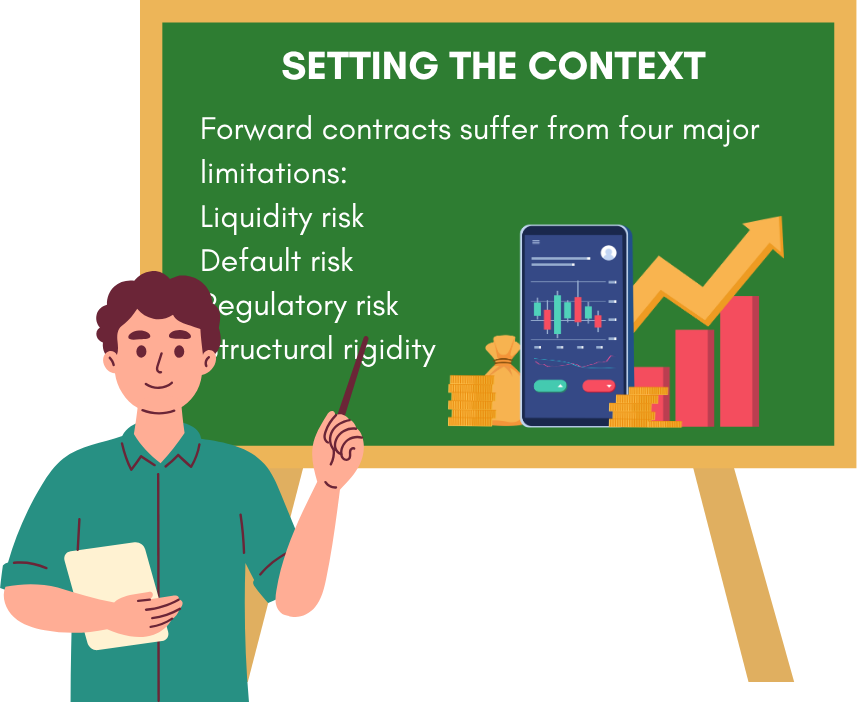
પાછલા પ્રકરણમાં, અમને એક સરળ ફોરવર્ડ કોન્ટ્રાક્ટ સાથે રજૂ કરવામાં આવ્યો હતો - એક પ્રકારનું ડેરિવેટિવ ઇન્સ્ટ્રુમેન્ટ જેમાં બે પક્ષોએ ચોક્કસ ભવિષ્યની તારીખે પૂર્વનિર્ધારિત કિંમત માટે માલ ખરીદવા/વેચવાનો એગ્રીમેન્ટ દાખલ કરવાની જરૂર છે. અમે જોયું કે ફોરવર્ડ કોન્ટ્રાક્ટને કિંમતોની હિલચાલની સચોટ આગાહી કરવાથી કેવી રીતે નફો થઈ શકે છે પરંતુ તેમણે લાંબા અને ટૂંકી પોઝિશન બંને માટે નોંધપાત્ર જોખમોનો પણ અભ્યાસ કર્યો છે. ખાસ કરીને, અમે ફોરવર્ડ કોન્ટ્રાક્ટના ચાર મુખ્ય ગેરફાયદાની ઓળખ કરી છે:
લિક્વિડિટી રિસ્ક - વિક્રેતા સરળતાથી ખરીદદાર શોધી શકતા નથી અથવા ડિફૉલ્ટ રિસ્કથી વિપરીત છે - એક પક્ષ તેમની જવાબદારીનું પાલન કરવાનો ઇનકાર કરી શકે છે
નિયમનકારી રિસ્ક - ઓછું નિયમન ફોરવર્ડ કોન્ટ્રાક્ટ સાથે સંકળાયેલ છે, જે તેમને જોખમી બનાવે છે
માળખાકીય કઠોરતા - કોન્ટ્રેક્ટ કઠોર છે અને નાણાકીય બજાર બદલવાનું મુશ્કેલ છે, ઉપરોક્ત સમસ્યાઓનું સમાધાન કરવા અને રોકાણકારોને વિવિધ અસ્કયામતોની કિંમતની હિલચાલમાં ભાગ લેવાની મંજૂરી આપવા માટે વધુ અત્યાધુનિક પ્રકારના ફોરવર્ડ કોન્ટ્રેક્ટ બનાવ્યું છે.
આ સુધારેલ સાધનને ફ્યુચર્સ કોન્ટ્રેક્ટ તરીકે ઓળખવામાં આવે છે અને તે જ રીતે ફોરવર્ડ માટે, લાંબી અથવા ટૂંકી પોઝિશન લેવાની મંજૂરી આપે છે. તે જ સમયે, ફ્યુચર્સ એ એક્સચેન્જ પર ટ્રેડ કરેલા સ્ટાન્ડર્ડાઇઝ્ડ કોન્ટ્રેક્ટ છે, જ્યાં તેઓ ક્લિયરિંગ હાઉસ દ્વારા સુરક્ષિત છે અને કોઈ કાઉન્ટરપાર્ટી નથી. બે સાધનો વચ્ચેની તુલના હસ્તલિખિત બિલ અને ડિજિટલ પેમેન્ટ સિસ્ટમ જેવી જ છે - અંતર્ગત કાર્ય સમાન રહે છે, પરંતુ અમલીકરણ નાટકીય રીતે અલગ છે, જે ઝડપ અને સિક્યોરિટી જેવા અતિરિક્ત લાભો પ્રદાન કરે છે.
આ ઉપરાંત, ટેક્સી માટે બોલાવવાના સમાનતા સાથે તફાવતોને હાઇલાઇટ કરી શકાય છે. જ્યારે ફોરવર્ડ કોન્ટ્રેક્ટ એ ડ્રાઇવર માટે તેમની પ્રતિષ્ઠા વિશે વધુ જાણ્યા વિના કૉલ કરવા જેવું છે, ત્યારે ફ્યુચર્સ કોન્ટ્રેક્ટ એપ્લિકેશન્સ અને કસ્ટમર સપોર્ટ માટે પરવાનગી આપે છે.
આમ, ફ્યુચર્સ માર્કેટ ફોરવર્ડ કોન્ટ્રેક્ટના કોઈપણ મૂળભૂત ફાયદાઓને દૂર કરતું નથી પરંતુ તેના બદલે એક ઉન્નત સિસ્ટમ પૂરું પાડે છે જે ભાવની ઉપર અને નીચે બંને હિલચાલમાંથી નફો મેળવવાની તક જાળવી રાખીને તમામ જોખમોને તટસ્થ કરે છે.
4.2. ફ્યુચર્સ એગ્રીમેન્ટમાં એક ઝલક

ફ્યુચર્સ કોન્ટ્રાક્ટ ફોરવર્ડ એગ્રીમેન્ટમાંથી વિકસિત થયા છે. બંને તમને ભવિષ્ય માટે કિંમત સેટ કરવાની મંજૂરી આપે છે, પરંતુ ફ્યુચર્સ કોન્ટ્રેક્ટમાં માળખું, ઉપલબ્ધતા અને સલામતી છે. ચાલો જોઈએ કે ઉદાહરણોની મદદથી તેઓ કેવી રીતે અલગ છે:
- અન્ડરલાઇંગ એસેટને ટ્રૅક કરે છે ફ્યુચર્સની કિંમતો તેઓ જે એસેટને ટ્રૅક કરી રહ્યા છે તેની મૂવમેન્ટ સાથે સંબંધિત છે. ઉદાહરણ તરીકે, જો સ્પૉટ માર્કેટમાં ક્રૂડ ઓઇલ વધતું જાય, તો MCX પર ક્રૂડ ઓઇલ ફ્યુચર્સ પણ વધશે. જે પણ અંતર્ગત હોય, ફ્યુચર્સ કોન્ટ્રાક્ટ પ્રતિબિંબિત કરે છે. તેઓ અરીસા ટ્વિન જેવા છે .
- સ્ટાન્ડર્ડ એગ્રીમેન્ટ ભવિષ્યના પ્રમાણિત છે. ફોરવર્ડ એ બે પક્ષો વચ્ચેનો કરાર છે જે કોઈપણ ક્વૉન્ટિટી અથવા ક્વૉલિટી માટે હોઈ શકે છે. ઉદાહરણ તરીકે, ચાંદીના ફ્યુચર્સનો એક લોટ હંમેશા 99.9% શુદ્ધતા 30 કિલોગ્રામ હોઈ શકે છે. તમે વાટાઘાટો કરતા નથી, તમે માત્ર પ્લગ કરો અને પ્લે કરો છો.
- ટ્રેડફ્યુચર્સની સમાપ્તિ પહેલાં કોઈપણ સમયે ટ્રેડ કરી શકાય છે. ધારો કે, તમે Tata સ્ટીલ ફ્યુચર્સ ખરીદો છો કારણ કે તમને લાગે છે કે કિંમતો વધશે. પરંતુ તમારું વ્યૂ બદલાય છે, તમે કરાર વેચીને પોઝિશનમાંથી બહાર નીકળી શકો છો. તમારે અંત સુધી રાહ જોવાની જરૂર નથી.
- SEBI દ્વારા નિયમન કરવામાં આવે છે ભારતમાં ફ્યુચર્સ માર્કેટનું નિયમન SEBI દ્વારા કરવામાં આવે છે અને તે તેની સરળ કામગીરીની ખાતરી કરે છે. આનો અર્થ એ છે કે ટ્રેડનું નિરીક્ષણ કરવામાં આવે છે, ડિફૉલ્ટ અપૂરતા હોય છે અને રોકાણકારો સુરક્ષિત હોય છે.
- મર્યાદિત સમયના કોન્ટ્રાક્ટસા ફ્યુચરનો નિશ્ચિત સમયગાળો છે, જે 1 મહિના, 2 મહિના અથવા 3 મહિના હોઈ શકે છે. જો તમે 2 મહિનામાં USD/INR વધવાની અપેક્ષા રાખી રહ્યા છો, તો તમે મેચિંગ કરાર પસંદ કરી શકો છો. અંતિમ તારીખ સમાપ્તિની છે. કૅશમાં સેટલમેન્ટ મોટાભાગના ફ્યુચર્સ કૅશ સેટલ કરવામાં આવે છે. ઉદાહરણ તરીકે, જો તમારી પાસે નિફ્ટી ફ્યુચર્સ છે અને index વધે છે, તો તમને રોકડમાં નફો મળે છે, શેરોની ડિલિવરીની જરૂર નથી.
ઝડપી તુલના ટેબલ
|
ફીચર |
ફૉરવર્ડ કોન્ટ્રાક્ટ |
ફ્યુચર્સ કોન્ટ્રાક્ટ |
|
ટ્રેડિંગ વેન્યૂ |
પ્રાઇવેટ (OTC) |
એક્સચેન્જ (NSE, MCX) |
|
કસ્ટમાઇઝેશન |
સંપૂર્ણપણે નેગોશિએબલ |
ફિક્સ્ડ અને પ્રમાણિત |
|
કાઉન્ટરપાર્ટી રિસ્ક |
ઉચ્ચ |
ન્યૂનતમ (ક્લિયરિંગ હાઉસ ગેરંટી) |
|
નિયમન |
અનિયંત્રિત |
સેબી દ્વારા નિયંત્રિત |
|
ટ્રાન્સફર-ક્ષમતા |
ટ્રાન્સફર કરી શકાય તેમ નથી |
ફ્રીલી ટ્રેડેબલ |
|
સમય ફ્રેમ |
સિંગલ, ફિક્સ્ડ |
બહુવિધ સમાપ્તિ વિકલ્પો |
|
સેટલમેન્ટ |
ભૌતિક અથવા રોકડ |
મોટાભાગે કૅશ-સેટલ્ડ |
4.3 Pપ્રૉડક્ટનો પ્રકાર
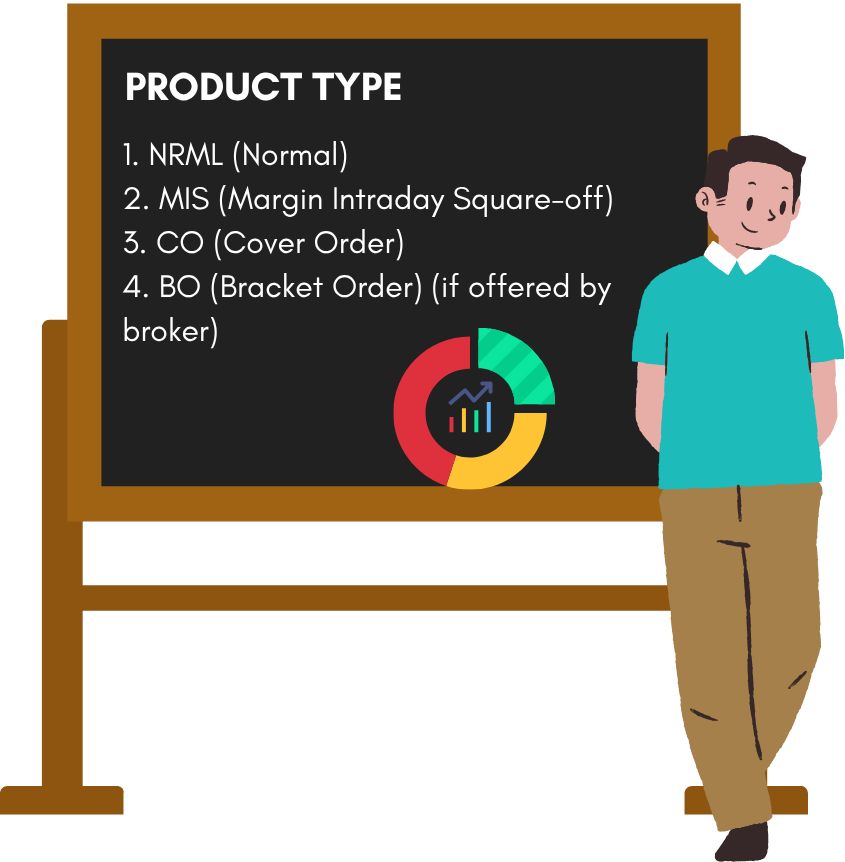
કોઈપણ ફ્યુચર્સ ઑર્ડર આપતી વખતે પ્રૉડક્ટનો પ્રકાર પસંદ કરવો આવશ્યક છે. પ્રૉડક્ટનો પ્રકાર રિસ્ક લેવાની ક્ષમતા, હોલ્ડિંગનો સમયગાળો અને માર્જિનની જરૂરિયાતોને વ્યાખ્યાયિત કરે છે. બ્રોકર ચાર પ્રકારના ઉત્પાદનો પ્રદાન કરે છે:
- એનઆરએમએલ (સામાન્ય): પોઝિશન ટ્રેડિંગ અથવા હોલ્ડિંગ પોઝિશન માટે વપરાય છે ઓવરનાઇટ ફુલ માર્જિન એક્સચેન્જ મુજબ જરૂરી છે કોઈ ઑટો સ્ક્વેર ઑફ નથી, તમારે મૅન્યુઅલી ઍડજસ્ટ અથવા કૅરી ફોરવર્ડ પોઝિશન કરવી પડશે.
- MIS (માર્જિન ઇન્ટ્રાડે સ્ક્વેર-ઑફ): ઇન્ટ્રાડે ટ્રેડિંગ માટે ઉપયોગમાં લેવાય છે, તે એનઆરએમએલ (બ્રોકર દ્વારા નક્કી કર્યા મુજબ) ની તુલનામાં ઓછી માર્જિનની જરૂરિયાત ધરાવે છે. દિવસના અંતે પોઝિશન ઑટો-સ્ક્વેર ઑફ થાય છે.
- CO (કવર ઑર્ડર):તેનો ઉપયોગ ઇન્ટ્રાડે ટ્રેડિંગ માટે કરવામાં આવે છે પરંતુ તેની સાથે જોડાયેલ ફરજિયાત સ્ટોપ લોસ ઑર્ડર સાથે તેમાં પ્રમાણમાં વધુ લીવરેજ ઑટો-સ્ક્વેર ઑફ અને સ્ટોપ લોસ પ્રોટેક્શન સુવિધાઓ રિસ્ક પરિબળને ઘટાડે છે
- બીઓ (બ્રાકેટ ઑર્ડર) (જો બ્રોકર પાસે ઉપલબ્ધ હોય તો):બ્રૅકેટ ઑર્ડરમાં ટ્રેડિંગની નીચેની વિશેષતાઓ છે: તે એક ઇન્ટ્રાડે પ્રૉડક્ટ પણ છે જેમાં ઑર્ડર પૂર્વ-નિર્ધારિત એન્ટ્રી, સ્ટૉપ લૉસ અને ટાર્ગેટ સાથે મૂકવામાં આવે છે. શિસ્તબદ્ધ વેપારીઓ માટે શ્રેષ્ઠ અનુકૂળ છે કારણ કે તેમાં બ્રૅકેટ રિસ્ક રિવૉર્ડ રેશિયો અને ઑટો સ્ક્વેર ઑફ છે.
પ્રૉડક્ટના પ્રકારને સમજવું શા માટે મહત્વપૂર્ણ છે?
જેમ વિવિધ કારમાં વિવિધ વિશેષતાઓ અને ઇંધણ કાર્યક્ષમતાઓ હોય છે; વિવિધ પ્રૉડક્ટના પ્રકારોમાં વિવિધ રિસ્ક ક્ષમતાઓ, મૂડીની જરૂરિયાતો અને પોઝિશન હોલ્ડિંગ સમયગાળો હોય છે. રિસ્ક કંપની અને બીઓ ઑર્ડરમાં સ્ટૉપ લૉસ સુવિધા છે, આમ એનઆરએમએલની તુલનામાં એકંદર રિસ્ક ઘટાડે છે, જેમાં કોઈ સ્ટૉપ લૉસ નથી અને આમ રિસ્ક તુલનાત્મક રીતે વધુ છે. NRML ની તુલનામાં MIS અને CO ની માર્જિનની જરૂરિયાતો ઓછી છે. NRML ની તુલનામાં કેપિટલ MIS અને CO ને ઓછા માર્જિનની જરૂર છે. ટાઇમ હોરિઝન NRML એક મલ્ટી-ડે પ્રૉડક્ટ છે જ્યારે MIS, CO અને BO ઇન્ટ્રાડે પ્રૉડક્ટ છે
4.4. ફ્યૂચરમાં લીવરેજને સમજવું
હકીકતમાં, તમે ફ્યુચર્સ માર્કેટમાં ફ્યુચર્સ ટ્રેડિંગ કરતી વખતે કોન્ટ્રેક્ટનું સંપૂર્ણ મૂલ્ય ચૂકવતા નથી. તમારા બ્રોકર તમને કોન્ટ્રેક્ટના કુલ મૂલ્યની માત્ર એક ચોક્કસ ટકાવારી ચૂકવીને બજારમાં પોઝિશન લેવાની મંજૂરી આપે છે. બ્રોકર દ્વારા વેપારીને પ્રદાન કરવામાં આવતી આ સુવિધાને લીવરેજ કહેવામાં આવે છે. લીવરેજ એ બ્રોકર દ્વારા તમને આપવામાં આવતું એક સાધન છે જે તમને નાની રકમ પર મોટી પોઝિશન લેવાની સુવિધા આપે છે. તેથી તે મહત્વપૂર્ણ છે કે તમે તમારી ટ્રેડિંગ મુસાફરીમાં વહેલી તકે લાભ વિશે શીખો.
કોન્ટ્રેક્ટના મોટા મૂલ્યની ઍક્સેસ મેળવવા માટે કરાર મૂલ્યની તમારી ઍક્સેસ, તમારે તમારા બ્રોકરને પ્રારંભિક માર્જિન ચૂકવવાની જરૂર છે.
પ્રારંભિક માર્જિન શું છે?
પ્રારંભિક માર્જિન એ ડિપોઝિટ છે જે ભવિષ્યના કરારને ખોલવા માટે ચૂકવણી કરવાની જરૂર છે. આ એક્સચેન્જ માટે સિક્યોરિટી ડિપોઝિટનું એક સ્વરૂપ છે જે સુનિશ્ચિત કરે છે કે વેપારી કરાર હેઠળની તમામ જવાબદારીઓને પૂર્ણ કરી શકે છે. માર્જિન એક્સચેન્જ દ્વારા નક્કી કરવામાં આવે છે અને તે અન્ડરલાઇંગ એસેટના મૂલ્ય પર આધારિત છે. પ્રારંભિક માર્જિન લીવરેજ તરીકે કાર્ય કરે છે કારણ કે તે તમને ઓછા પૈસા સાથે બજારમાં મોટી પોઝિશન લેવાની મંજૂરી આપે છે.
ઉદાહરણ: નિફ્ટી ફ્યુચર્સ
ધારો કે નિફ્ટી ફ્યુચર્સ કોન્ટ્રાક્ટમાં નીચેની વિગતો છે:
|
કરારનું મૂલ્ય |
પ્રારંભિક માર્જિન |
લીવરેજ રેશિયો |
|
₹10,00,000 |
₹1,00,000 |
10x |
આનો અર્થ એ છે કે ₹1,00,000 તમને 10x નો લાભ આપશે જે તમને ₹10,00,000 ની પોઝિશન લેવાની મંજૂરી આપશે. લીવરેજ વિશે વહેલી તકે જાણવું શા માટે મહત્વપૂર્ણ છે? ફ્યુચર્સ કોન્ટ્રેક્ટસ હંમેશા લીવરેજ પર ટ્રેડ કરવામાં આવે છે, તેથી તે મહત્વપૂર્ણ છે કે તમે ફ્યુચર્સ કોન્ટ્રેક્ટના પેઓફને સમજતા પહેલાં માર્જિનને સમજો છો. લીવરેજ વિશે શીખીને તમે માર્ક-ટુ-માર્કેટ સેટલમેન્ટ અને રિસ્ક મેનેજમેન્ટ વિશે પણ શીખી શકશો. અને આ તમને જવાબદારીપૂર્વક વેપાર કરવાનો આત્મવિશ્વાસ આપે છે.
4.5. ટ્રેડિંગ ફ્યુચર્સ પહેલાં મહત્વપૂર્ણ કલ્પનાઓ
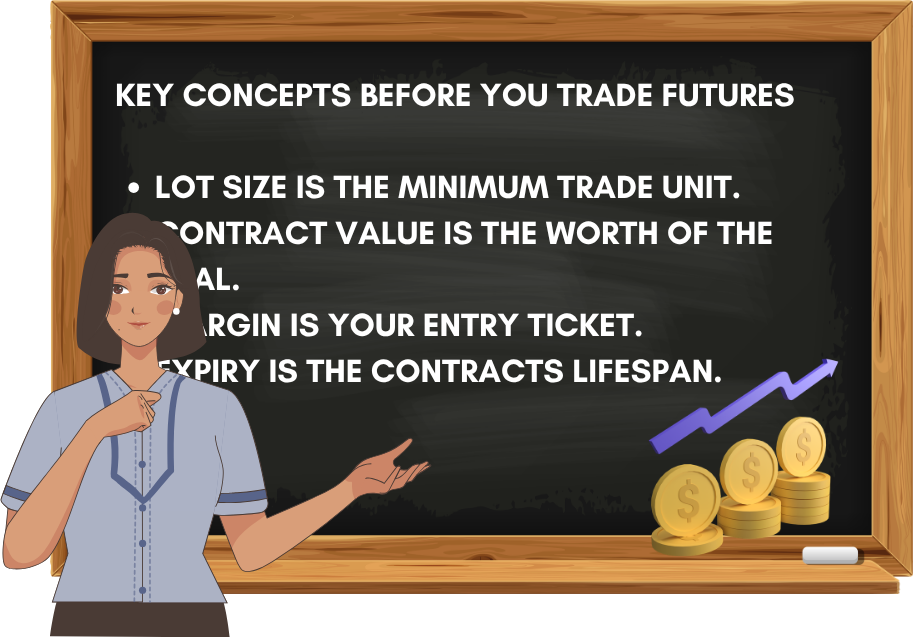
ફ્યુચર્સ ટ્રેડિંગના મિકેનિક્સમાં પ્રવેશ કરતા પહેલાં, કેટલાક શબ્દસમૂહ છે જે તમારે જાણવાની જરૂર છે. આ તમને તમારા પ્રથમ વેપાર વિશે યોગ્ય વિચાર મેળવવામાં મદદ કરશે.
લૉટની સાઇઝ – ન્યૂનતમ ટ્રેડિંગ યુનિટ રોકડ બજારથી વિપરીત, તમે કોઈ ચોક્કસ એસેટના ચોક્કસ પૂર્વ-નિર્ધારિત જથ્થામાં ખરીદી અથવા વેચાણ કરી શકો છો. ઉદાહરણ તરીકે, નિફ્ટી ફ્યુચર્સમાં લૉટ સાઇઝ 50 છે જ્યારે ક્રૂડ ઓઇલ ફ્યુચર્સમાં તેમના લૉટ સાઇઝ તરીકે 100 બેરલ હોઈ શકે છે. તમે કોઈપણ આપેલ સંપત્તિની 1 યુનિટ અથવા 1 બેરલ ખરીદી શકતા નથી. તમારે ન્યૂનતમ લૉટ સાઇઝમાં ફરજિયાત ટ્રેડ કરવાની જરૂર છે.
કરારનું મૂલ્ય – કોન્ટ્રાક્ટનું કુલ મૂલ્ય આ એ મૂલ્ય છે જે તમને કોઈ ચોક્કસ એસેટ ખરીદવા/વેચવા પર મળશે. કોન્ટ્રાક્ટ વેલ્યૂની ગણતરી લૉટ સાઇઝને તે એસેટની કિંમત દ્વારા ગુણાકાર કરવામાં આવે છે. તેથી, ઉદાહરણ તરીકે, Tata મોટર્સ ફ્યુચર્સમાં 1500 શેરનું લોટ સાઇઝ (શેર દીઠ 650 રૂપિયા પર) 650 x 1500 = 9,75 = 975,000 રૂપિયા પર રહેશે. તેથી, તે અમને કુલ એક્સપોઝર વિશે એક વિચાર આપશે.
માર્જિન – તમારી ટિકિટ કૅશ માર્કેટથી વિપરીત, તમારે કોઈ ચોક્કસ એસેટ ખરીદવા માટે સંપૂર્ણ રકમ ચૂકવવાની જરૂર નથી. તમારે માર્જિન તરીકે કોન્ટ્રેક્ટના મૂલ્યના માત્ર ચોક્કસ ટકાવારી (20%) ચૂકવવાની જરૂર છે. ધારો કે, જો તમારું કોન્ટ્રાક્ટ મૂલ્ય 10 લાખ છે, તો તમે માર્જિન તરીકે માત્ર 2 લાખ ચૂકવીને તેને ખરીદી શકો છો.
સમાપ્તિ – એગ્રીમેન્ટની મુદત તમામ ફ્યુચર્સ કોન્ટ્રેક્ટની સમાપ્તિની તારીખ છે જેના પર તેઓ સમાપ્ત થાય છે. સમાપ્તિ સામાન્ય રીતે મહિનાના છેલ્લા ગુરુવારે થાય છે, ભારતીય બજારો મુજબ. કોન્ટ્રાક્ટ 1 મહિના, 2 મહિના અને 3 મહિનાના સમયગાળા માટે ઉપલબ્ધ છે. સમાપ્તિ પર, સમાપ્ત થતા કરારોને બદલે નવા કરાર રજૂ કરવામાં આવે છે. તેથી જો કોઈ આગામી બે મહિના માટે સોનાના ફ્યુચર્સમાં લાંબી પોઝિશન લેવી હોય, તો તેણે / તેણીને બે મહિનાનો કરાર ખરીદવો પડશે.
4.6 કી પૉઇન્ટએસ

- ફ્યુચર્સ ફોરવર્ડ કોન્ટ્રાક્ટ કરતાં વધુ સારું છે. ડિફૉલ્ટનું રિસ્ક, નૉન-લિક્વિડ અને કોઈ નિયમન સમાપ્ત થયું નથી પરંતુ ભવિષ્યની કિંમતોમાં લૉક કરવાનો મૂળભૂત વિચાર હજુ પણ છે.
- ફ્યુચર્સ કોન્ટ્રાક્ટની અન્ડરલાઇંગ એસેટ કિંમત સાથે ગાઢ સંબંધ ધરાવે છે, જેમાં અન્ડરલાઇંગ એસેટની સ્પોટ કિંમત, પછી ભલે તે સોનું, ક્રૂડ તેલ અથવા નિફ્ટી હોય.
- સ્ટાન્ડર્ડાઇઝેશન એક મુખ્ય સુવિધા છે. ફ્યુચર્સ કોન્ટ્રાક્ટ સ્ટાન્ડર્ડ છે, એટલે કે પરિમાણો નિશ્ચિત છે (લૉટ સાઇઝ, સમાપ્તિ, સંપત્તિની ગુણવત્તા). આ તેમને વધુ સરળતાથી ટ્રેડ કરે છે અને ફોરવર્ડની તુલનામાં કરે છે.
- એક્સચેન્જ ફ્યુચર્સ પર ટ્રેડ કરેલા ફ્યુચર્સ NSE અથવા MCX જેવા એક્સચેન્જ પર ટ્રેડ કરવામાં આવે છે અને તે તેમને પારદર્શિતા અને લિક્વિડિટીનો લાભ આપે છે. ફોરવર્ડ ખાનગી ડીલ છે, જોકે તેનાથી વિપરીત છે.
- ભારતની SEBI દ્વારા નિયમન કરાયેલી ફ્યુચર્સ માર્કેટમાં નિષ્ફળતા પ્રતિપક્ષોનું રિસ્ક ઘટાડે છે અને સહભાગીઓ સાથે યોગ્ય રીતે વ્યવહાર થાય તેની ખાતરી કરે છે.
- ફ્યુચર્સ કોન્ટ્રાક્ટની સમાપ્તિ પહેલાં ટ્રેડ કરી શકાય છે. ફોરવર્ડ કોન્ટ્રાક્ટના કિસ્સામાં વિપરીત, વેપારીઓ કોઈપણ સમયે કોન્ટ્રાક્ટ વેચીને તેમની પોઝિશનમાંથી બહાર નીકળી શકે છે.
- ફ્યુચર્સ સમયબદ્ધ છે એટલે કે નિયત સમય હોય છે. કોન્ટ્રાક્ટનો ચોક્કસ સમયગાળો સામાન્ય રીતે 1, 2 અથવા 3 મહિનાનો હોય છે અને સામાન્ય રીતે મહિનાના છેલ્લા ગુરુવારે ચોક્કસ તારીખે સમાપ્ત થાય છે.
- રોકડ પતાવટ મોટાભાગના ફ્યુચર્સ એ રોકડ પતાવટ વેપારીઓ છે જે વાસ્તવિક માલને બદલે રોકડમાં તેમના નફા અથવા નુકસાનનું પતાવટ કરવાનું પસંદ કરે છે.
- ન્યૂનતમ ટ્રેડિંગ યુનિટને સંચાલિત કરતી લોટ સાઇઝ દરેક ફ્યુચર્સ કોન્ટ્રાક્ટ માટે સ્ટાન્ડર્ડ સાઇઝ છે. ઉદાહરણ: નિફ્ટી ફ્યુચર્સમાં લૉટ સાઇઝ 50 યુનિટ છે.
- ફ્યુચર્સ ટ્રેડમાં પ્રવેશ કરવા માટે માર્જિનની જરૂર પડે છે. વેપારીઓએ માર્જિન પોસ્ટ કરવું પડશે, જે કોન્ટ્રેક્ટ વેલ્યૂનો એક ભાગ છે. આ તેમને નાની રકમ સાથે મોટી સ્થિતિઓને નિયંત્રિત કરવામાં સક્ષમ બનાવે છે .
4.7 મજેદાર પ્રવૃત્તિ

નીચે 5 શોર્ટ સ્ટેટમેન્ટ આપેલ છે. નક્કી કરો કે દરેક ફોરવર્ડ કોન્ટ્રાક્ટ અથવા ફ્યુચર્સ કોન્ટ્રાક્ટનું વર્ણન કરે છે.
- બે પક્ષો વચ્ચે ખાનગી રીતે ટ્રેડ કરવામાં આવે છે.
- સેબી દ્વારા નિયંત્રિત અને એનએસઈ અથવા એમસીએક્સ પર ટ્રેડ કરવામાં આવે છે.
- ક્વૉન્ટિટી અને ક્વૉલિટી જેવી શરતો સંપૂર્ણપણે વાટાઘાટો કરી શકાય છે.
- સમાપ્તિ પહેલાં કોઈપણ સમયે બહાર નીકળી શકાય છે.
- નિશ્ચિત લૉટ સાઇઝ અને સમાપ્તિની તારીખ સાથે આવે છે.
જવાબો:
- ફોરવર્ડ કરો
- ફ્યુચર્સ
- ફોરવર્ડ કરો
- ફ્યુચર્સ
- ફ્યુચર્સ