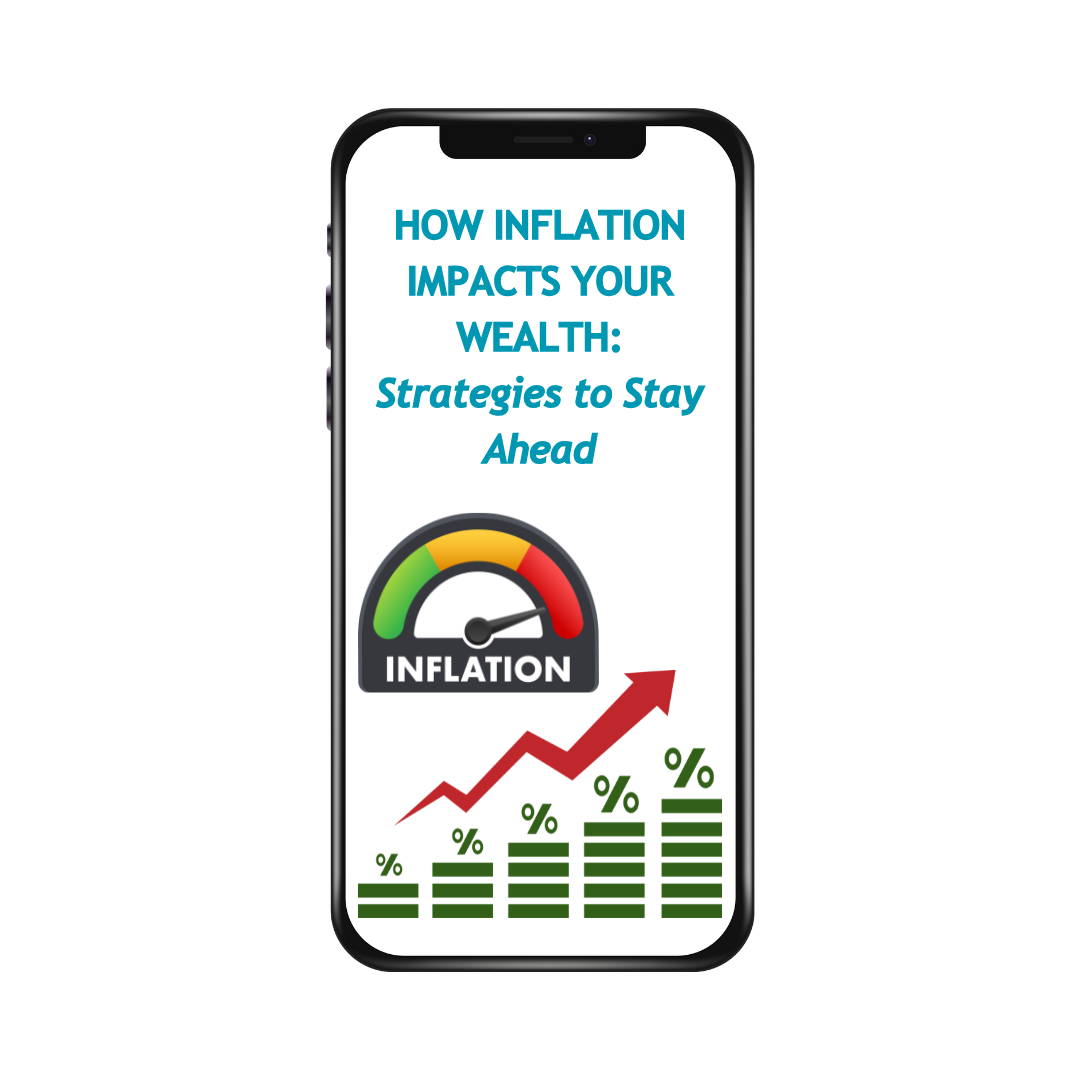
રોકાણની દુનિયામાં, ફુગાવો વિવિધ સંપત્તિઓ પર વાસ્તવિક વળતરને નોંધપાત્ર રીતે ઘટાડી શકે છે. ઉદાહરણ તરીકે, જો તમે તમારા રોકાણ પર 5% રિટર્ન કમાવો છો, પરંતુ ફુગાવો 4% પર ચાલી રહ્યો છે, તો તમારું વાસ્તવિક રિટર્ન માત્ર 1% છે. આ પરિસ્થિતિ રૂઢિચુસ્ત રોકાણકારો માટે વધુ સમસ્યાજનક બની જાય છે જે ફિક્સ્ડ-ઇન્કમ સિક્યોરિટીઝ અથવા કૅશ હોલ્ડિંગ્સ પર આધાર રાખે છે, કારણ કે આ સંપત્તિઓ સામાન્ય રીતે ફુગાવાને પાછળ વળતર પ્રદાન કરે છે. પરિણામે, તમારા ઇન્વેસ્ટમેન્ટ પોર્ટફોલિયોનું માળખું એવી રીતે બનાવવામાં આવે છે જે ફુગાવાને પાર કરી શકે છે તેની ખાતરી કરવી મહત્વપૂર્ણ બની જાય છે.
ફુગાવાને આગળ રહેવા માટે, વ્યક્તિઓએ એવી વ્યૂહરચનાઓનો ઉપયોગ કરવો આવશ્યક છે જે તેમની સંપત્તિના વાસ્તવિક મૂલ્યને સુરક્ષિત કરે છે. આમાં શેરો, રિયલ એસ્ટેટ અને કોમોડિટીઝ જેવી સંપત્તિઓમાં રોકાણનો સમાવેશ થાય છે, જે ફુગાવાના સમયગાળા દરમિયાન ઐતિહાસિક રીતે સારી કામગીરી કરે છે. વધુમાં, ફુગાવા-સુરક્ષિત સિક્યોરિટીઝનો ઉપયોગ કરીને તમારા ઇન્વેસ્ટમેન્ટને વિવિધતા આપવી અને તમારી આવક વધારવી વધતા ખર્ચ સામે આર્થિક સુરક્ષા પ્રદાન કરી શકે છે. મુખ્ય એ છે કે એક સક્રિય અભિગમ અપનાવવો, જે તમારી સંપત્તિને ફુગાવાને દૂર કરતી અને તમારા ફાઇનાન્શિયલ લક્ષ્યોને પહોંચમાં રાખતી ગતિએ વૃદ્ધિ કરવાની મંજૂરી આપે છે.
મોંઘવારી શું છે?

ફુગાવો એ એક આર્થિક ઘટના છે જે વ્યક્તિઓથી લઈને વ્યવસાયો અને સરકારો સુધી દરેકને અસર કરે છે. તે સમય જતાં માલ અને સેવાઓની કિંમતોમાં સામાન્ય વધારોનો સંદર્ભ આપે છે, જે પૈસાની ખરીદ શક્તિને ઘટાડે છે. જ્યારે ફુગાવાના મધ્યમ સ્તરને તંદુરસ્ત અર્થતંત્રનું સંકેત માનવામાં આવે છે, ત્યારે અનિયંત્રિત ફુગાવો સંપત્તિને નષ્ટ કરી શકે છે અને નાણાંકીય સુરક્ષાને અસ્થિર કરી શકે છે. આ બ્લૉગમાં, અમે સંપત્તિ પર ફુગાવાની અસરો શોધીશું અને ફુગાવાના વાતાવરણમાં તમારી ફાઇનાન્શિયલ સંપત્તિઓને સુરક્ષિત કરવા અને વધારવા માટે વ્યૂહરચનાઓની રૂપરેખા આપીશું.
ફુગાવો સંપત્તિને અસર કરતી પ્રાથમિક રીતોમાંથી એક ખરીદી શક્તિમાં ઘટાડો થાય છે. ઉદાહરણ તરીકે, જો ફુગાવો વાર્ષિક 3% હોય, તો તે જ રકમ દર વર્ષે 3% ઓછા માલ અને સેવાઓ ખરીદશે. ખરીદ શક્તિમાં આ ઘટાડોનો અર્થ એ છે કે તમારી બચત અને નિશ્ચિત-આવકના રોકાણોનું મૂલ્ય વાસ્તવિક શરતોમાં ઘટે છે, ભલે તેમનું નજીવું મૂલ્ય સમાન રહે. વધુમાં, ફુગાવો ખાદ્ય, હેલ્થકેર અને હાઉસિંગ જેવા ખર્ચ સહિત જીવનના ઊંચા ખર્ચ તરફ દોરી જાય છે. જો તમારી આવક ફુગાવાની જેમ જ વધતી નથી, તો તમારી જીવનશૈલીને જાળવવાની તમારી ક્ષમતા વધુ મુશ્કેલ બની જાય છે.
ફુગાવો અને તેના કારણોને સમજવું
ફુગાવો એ દર છે કે જેના પર માલ અને સેવાઓના ભાવમાં સામાન્ય સ્તર વધે છે, જેના કારણે ખરીદ શક્તિમાં ઘટાડો થાય છે. તે ત્યારે થાય છે જ્યારે માલ અને સેવાઓની માંગ પુરવઠા (માંગ-પુલ ફુગાવો) કરતાં વધી જાય છે, જ્યારે ઉત્પાદન ખર્ચ વધે છે અને વ્યવસાયો તે ખર્ચને ગ્રાહકો (ખર્ચ-પુશ ફુગાવો) પર પસાર કરે છે, અથવા જ્યારે મની સપ્લાયમાં વધારો થાય છે, સામાન્ય રીતે સરકારી નાણાકીય નીતિઓ (નાણાકીય ફુગાવો) ને કારણે. સપ્લાય ચેઇનમાં વિક્ષેપ, ભૂ-રાજકીય ઘટનાઓ અને ગ્રાહક વર્તણૂકમાં ફેરફારો જેવા અન્ય પરિબળો પણ ફુગાવામાં ફાળો આપી શકે છે. આર્થિક સ્થિરતા જાળવવા માટે વ્યાજ દર એડજસ્ટમેન્ટ અને નાણાકીય નીતિઓ દ્વારા ફુગાવાને મેનેજ કરવાનો કેન્દ્રીય બેંકો પ્રયાસ કરે છે.
ફુગાવો ત્યારે થાય છે જ્યારે માલ અને સેવાઓના પુરવઠા અને માંગ વચ્ચે અસંતુલન હોય અથવા જ્યારે ઉત્પાદનનો ખર્ચ વધે છે. મોંઘવારીના સામાન્ય કારણોમાં શામેલ છે:
- ડિમાન્ડ-પુલ ફુગાવો: જ્યારે માંગ પુરવઠાને વટાવે છે, ત્યારે કિંમતો વધે છે. આ ઘણીવાર વધતા અર્થતંત્રમાં થાય છે જ્યાં ગ્રાહકો અને વ્યવસાયો વધુ ખર્ચ કરે છે.
- ખર્ચ-પુશ ફુગાવો: જ્યારે કાચા માલ અથવા વેતનની ઊંચી કિંમતને કારણે ઉત્પાદનનો ખર્ચ વધે છે, ત્યારે બિઝનેસ આ ખર્ચને ગ્રાહકોને પાસ કરે છે.
- નાણાંકીય ફુગાવો: અર્થતંત્રમાં નાણાંનો અત્યધિક પુરવઠો તેના મૂલ્યને ઘટાડી શકે છે, જેના કારણે ઉચ્ચ કિંમતો થઈ શકે છે.
- આયાત કરેલ ફુગાવો: જ્યારે આયાત કરેલ માલની કિંમત વધે છે, ત્યારે ઘરેલું કિંમતો અનુરૂપ છે, ખાસ કરીને આયાત પર આધારિત અર્થતંત્રોમાં.
ફુગાવાના મૂળ કારણોને સમજવાથી તેની અસરને ઘટાડવા માટે અસરકારક વ્યૂહરચનાઓ બનાવવામાં મદદ મળી શકે છે.
સંપત્તિ પર ફુગાવાની અસર
સંપત્તિ પર ફુગાવાની અસરો ગંભીર હોઈ શકે છે, બચત, રોકાણ અને કમાણીના વાસ્તવિક મૂલ્યમાં ફેરફાર કરી શકે છે. ફુગાવો આર્થિક સુખાકારીને અસર કરવાની કેટલીક મુખ્ય રીતો અહીં આપેલ છે:
ખરીદ શક્તિનું ક્ષતિ:
મોંઘવારીથી નાણાંની ખરીદ શક્તિમાં ઘટાડો. ઉદાહરણ તરીકે, જો ફુગાવો 5% છે, તો આજે $100 નો ખર્ચ થતો કંઈક આગામી વર્ષે $105 થશે. આનો અર્થ એ છે કે બચત ખાતામાં નિષ્ક્રિય રહેલા પૈસા સમય જતાં મૂલ્ય ગુમાવે છે જ્યાં સુધી તે ફુગાવાના દર કરતાં વધુ વ્યાજ દર કમાવે નહીં.ફિક્સ્ડ-ઇન્કમ ઇન્વેસ્ટમેન્ટ પર અસર:
બોન્ડ અને ફિક્સ્ડ ડિપોઝિટ જેવા ઇન્વેસ્ટમેન્ટ નિશ્ચિત રિટર્ન પ્રદાન કરે છે. જો ફુગાવો વળતર રેટ કરતાં વધી જાય, તો આવકનો વાસ્તવિક મૂલ્ય ઘટે છે, ઉચ્ચ ફુગાવાના સમયગાળામાં આ સાધનો ઓછા આકર્ષક બનાવે છે.જીવન નિર્વાહનો વધતો ખર્ચ:
ફુગાવો હાઉસિંગ, ફૂડ, હેલ્થકેર અને શિક્ષણ જેવા આવશ્યક ખર્ચને અસર કરે છે, જે વધતી ઇન્કમ વગર જીવનના સમાન ધોરણને જાળવવાનું મુશ્કેલ બનાવે છે.કરજ પર અસર:
ફુગાવો દેવાદારોને લાભ આપી શકે છે. વાસ્તવિક દ્રષ્ટિએ લોન સસ્તી બની જાય છે કારણ કે ફુગાવો પૈસાના મૂલ્યને ઘટાડે છે, પરત ચુકવણીનો બોજ ઘટાડે છે.ઇન્વેસ્ટમેન્ટ પોર્ટફોલિયોમાં વધઘટ:
ઇક્વિટી માર્કેટ ફુગાવાને અલગ રીતે પ્રતિક્રિયા આપી શકે છે. જ્યારે કેટલીક કંપનીઓ ગ્રાહકોને વધુ ખર્ચ આપી શકે છે, ત્યારે અન્ય લોકો સંઘર્ષ કરી શકે છે, જે સ્ટૉકના પરફોર્મન્સને અસર કરે છે.
ફુગાવાથી આગળ રહેવાની વ્યૂહરચનાઓ
જ્યારે ફુગાવો અનિવાર્ય છે, ત્યારે સક્રિય ફાઇનાન્શિયલ વ્યૂહરચનાઓ અપનાવવાથી તમને આગળ રહેવામાં અને તેની અસરોથી લાભ મેળવવામાં પણ મદદ મળી શકે છે. અહીં કેટલાક કાર્યક્ષમ પગલાં આપેલ છે:
ઇન્ફ્લેશન-પ્રોટેક્ટેડ સિક્યોરિટીઝમાં રોકાણ કરો:
ટ્રેઝરી ઇન્ફ્લેશન-પ્રોટેક્ટેડ સિક્યોરિટીઝ (ટીપ્સ) જેવા સાધનો રોકાણકારોને ફુગાવાથી બચાવવા માટે રચાયેલ છે. આ સિક્યોરિટીઝ ફુગાવાના આધારે તેમના મુખ્ય મૂલ્યને ઍડજસ્ટ કરે છે, જે વાસ્તવિક રિટર્ન સુનિશ્ચિત કરે છે.
તમારા ઇન્વેસ્ટમેન્ટ પોર્ટફોલિયોમાં વિવિધતા લાવો:
રિસ્ક ઘટાડવા માટે ડાઇવર્સિફિકેશન મહત્વપૂર્ણ છે. રિસ્ક ફેલાવવા અને ફુગાવા-પ્રતિરોધક વિકલ્પો પર મૂડીકરણ કરવા માટે ઇક્વિટી, રિયલ એસ્ટેટ, કોમોડિટીઝ અને વૈકલ્પિક રોકાણ જેવી સંપત્તિઓનો સમાવેશ કરો.
- ઇક્વિટી: ઉર્જા, ગ્રાહક સ્ટેપલ્સ અને ટેક્નોલોજી જેવા ક્ષેત્રોમાં કંપનીઓના સ્ટૉક ઘણીવાર ફુગાવાના સમયગાળામાં સારું પ્રદર્શન કરે છે.
- રિયલ એસ્ટેટ: પ્રોપર્ટીના મૂલ્યો અને ભાડાની ઇન્કમ સામાન્ય રીતે ફુગાવા સાથે વધે છે, જે રિયલ એસ્ટેટને મૂલ્યવાન હેજ બનાવે છે.
- કોમોડિટી: સોના, ચાંદી અને તેલમાં રોકાણ ફુગાવા દરમિયાન વધે છે, જે વધતી કિંમતો સામે બફર પ્રદાન કરે છે.
વૃદ્ધિ-લક્ષી સંપત્તિઓ પર ધ્યાન કેન્દ્રિત કરો:
કિંમતો ધરાવતા સ્ટૉક્સ અને બિઝનેસ - ગ્રાહકો ગુમાવ્યા વિના કિંમતોમાં વધારો કરી શકે છે - ફુગાવા દરમિયાન આદર્શ છે.
ફિક્સ્ડ-ઇન્કમ ઇન્વેસ્ટમેન્ટનું પુનઃમૂલ્યાંકન કરો:
પરંપરાગત ફિક્સ્ડ ડિપોઝિટ અથવા બોન્ડ્સમાંથી ફુગાવા-સમાયોજિત રિટર્ન પ્રદાન કરતા ઇન્સ્ટ્રુમેન્ટમાં શિફ્ટ. ઉચ્ચ ઉપજ સાથે ફ્લોટિંગ-રેટ બોન્ડ્સ અથવા કોર્પોરેટ બોન્ડ્સ પણ ધ્યાનમાં લઈ શકાય છે.
ઇમરજન્સી ફંડ બનાવો:
મજબૂત ઇમરજન્સી ફંડ ફુગાવાને કારણે થતી આર્થિક અનિશ્ચિતતાઓ દરમિયાન કુશન તરીકે કાર્ય કરે છે. લિક્વિડ, લો-રિસ્ક એકાઉન્ટમાં ઓછામાં ઓછા 6-12 મહિનાના ખર્ચ બચાવવાનો હેતુ.
આવકના પ્રવાહોમાં વધારો:
આવકમાં વધારો કરવાથી વધતા ખર્ચને સરભર કરવામાં મદદ મળી શકે છે. વધુ સારી ચુકવણીની તકો માટે સાઇડ હસ્ટલ્સ, નિષ્ક્રિય આવકના સ્રોતો અથવા અપસ્કિલિંગ જુઓ.
ખર્ચ અને બજેટને ઑપ્ટિમાઇઝ કરો:
વિવેકાધીન ખર્ચને નિયંત્રિત કરો અને નિયમિતપણે બજેટની સમીક્ષા કરો. જીવનની ગુણવત્તા સાથે સમાધાન કર્યા વિના ખર્ચ ઘટાડી શકાય તેવા વિસ્તારોને ઓળખો.
ટૅક્સ-કાર્યક્ષમ રોકાણોનો લાભ લો:
ફુગાવો ઘણીવાર ટૅક્સ નીતિઓમાં ફેરફાર તરફ દોરી જાય છે. નિવૃત્તિ એકાઉન્ટ્સ, મ્યુનિસિપલ બોન્ડ્સ અને હેલ્થ સેવિંગ્સ એકાઉન્ટ્સ (એચએસએ) જેવા ટૅક્સ બચત સાધનોનો લાભ લો.
તમારામાં રોકાણ કરો:
શિક્ષણ અને કુશળતા વિકાસ કમાણીની ક્ષમતામાં વધારો કરે છે. ફુગાવાના વાતાવરણમાં, જોબ માર્કેટમાં સ્પર્ધાત્મક રહેવાથી ઉચ્ચ વેતન થઈ શકે છે.
સમજદારીપૂર્વક લીવરેજનો ઉપયોગ કરો:
રોકાણ માટે ઉધાર લેવું, જેમ કે ઘર ખરીદવું અથવા બિઝનેસ શરૂ કરવું, ફુગાવા દરમિયાન ફાયદાકારક હોઈ શકે છે, જો અપેક્ષિત વળતર ઉધારના ખર્ચ કરતાં વધી જાય.
ફાઇનાન્શિયલ યોજનાઓની દેખરેખ અને સમાયોજન
ફુગાવો ગતિશીલ છે, અને ફાઇનાન્શિયલ યોજનાઓ તે અનુસાર વિકસિત થવી જોઈએ. ફુગાવાના વલણોને સમજવા માટે કન્ઝ્યુમર પ્રાઇસ Index (સીપીઆઇ) જેવા આર્થિક સૂચકાંકોની નિયમિતપણે દેખરેખ રાખો. બદલાતી આર્થિક પરિસ્થિતિઓ સાથે સંરેખિત કરવા માટે તમારી ફાઇનાન્શિયલ વ્યૂહરચનાને ઍડજસ્ટ કરો. ફાઇનાન્શિયલ સલાહકારની સલાહ તમારા લક્ષ્યો અને રિસ્ક સહનશીલતા માટે તૈયાર કરેલ વ્યક્તિગત માર્ગદર્શન પ્રદાન કરી શકે છે.
ફુગાવાને અંકુશમાં રાખવામાં મધ્યસ્થ બેન્કોની ભૂમિકા
મધ્યસ્થ બેન્કો, જેમ કે રિઝર્વ બેંક ઓફ ઇન્ડિયા (RBI) અથવા યુ. એસ. માં ફેડરલ રિઝર્વ, ફુગાવાના સંચાલનમાં મહત્વપૂર્ણ ભૂમિકા ભજવે છે. તેઓ નાણાકીય પૉલિસી સાધનોનો ઉપયોગ કરે છે, જેમાં શામેલ છે:
- વ્યાજ દરના એડજસ્ટમેન્ટ: વ્યાજ દરોમાં વધારો કરવાથી ઉધાર અને ખર્ચ ઘટે છે, જે ફુગાવાને અંકુશમાં રાખે છે. તેનાથી વિપરીત, દરોમાં ઘટાડો આર્થિક પ્રવૃત્તિને ઉત્તેજિત કરી શકે છે.
- ઓપન માર્કેટ ઓપરેશન્સ: કેન્દ્રીય બેંકો મની સપ્લાય અને લિક્વિડિટીને નિયંત્રિત કરવા માટે સરકારી સિક્યોરિટીઝ ખરીદે છે અથવા વેચે છે.
- રિઝર્વની જરૂરિયાતો: રિઝર્વમાં બેંકો દ્વારા રાખવામાં આવતી રકમને ઍડજસ્ટ કરવાથી તેઓ ધિરાણ આપી શકે તેવા નાણાં પર અસર થાય છે, જે ફુગાવાને અસર કરે છે.
આ પદ્ધતિઓને સમજવાથી વ્યક્તિઓને આર્થિક પરિવર્તનોની અપેક્ષા રાખવામાં અને માહિતગાર નાણાંકીય નિર્ણયો લેવામાં મદદ મળી શકે છે.
લાંબા ગાળાના પરિપ્રેક્ષ્ય
જ્યારે ફુગાવો ટૂંકા ગાળાની ખરીદ શક્તિને ઘટાડી શકે છે, ત્યારે તે નિયંત્રણમાં રાખવામાં આવે ત્યારે વધતી અર્થતંત્રનું પણ સંકેત આપે છે. મુખ્ય બાબત એ લાંબા ગાળાના દ્રષ્ટિકોણને અપનાવવાનો છે, જે એસેટ ક્લાસ અને વ્યૂહરચનાઓ પર ધ્યાન કેન્દ્રિત કરે છે જે સમય જતાં ફુગાવાને આગળ વધારે છે.
અન્ય મુખ્ય બાબતો
- વ્યાજ દરો: સેન્ટ્રલ બેંકો સામાન્ય રીતે ફુગાવાનો સામનો કરવા માટે વ્યાજ દરો વધારે છે. જ્યારે આ ઉધારની કિંમત વધારી શકે છે, ત્યારે જો બચત ખાતાઓ અથવા ફિક્સ્ડ-ઇન્કમ સિક્યોરિટીઝ પર ઑફર કરવામાં આવતા દરો વધે તો તે તમારી બચતની ખરીદ શક્તિને સુરક્ષિત કરવામાં પણ મદદ કરી શકે છે.
- ડેબ્ટ મેનેજમેન્ટ: ઉચ્ચ ફુગાવો ડેબ્ટ મેનેજ કરવાનું મુશ્કેલ બનાવી શકે છે, ખાસ કરીને જો તમારું ડેબ્ટ વેરિએબલ ઇન્ટરેસ્ટ રેટ પર છે. ઓછા ઇન્ટરેસ્ટ દરોમાં લૉક કરવું અથવા ઝડપથી ઉચ્ચ ઇન્ટરેસ્ટ ડેબ્ટ ચૂકવવું તમારા ફાઇનાન્શિયલ સ્વાસ્થ્યને સુરક્ષિત કરી શકે છે.
- ટૅક્સ કાર્યક્ષમતા: ફુગાવા-સમાયોજિત ટૅક્સ બ્રૅકેટ અને ટૅક્સ-કાર્યક્ષમ રોકાણો ફુગાવાના વાતાવરણમાં તમારી સંપત્તિને સુરક્ષિત રાખવામાં મદદ કરી શકે છે.
નિષ્કર્ષ
ફુગાવો એ આર્થિક જીવનનું અનિવાર્ય પાસું છે, પરંતુ તેને તમારા ફાઇનાન્શિયલ લક્ષ્યોને ઘટાડવાની જરૂર નથી. તેની અસરને સમજીને અને અસરકારક વ્યૂહરચનાઓને અમલમાં મૂકીને, તમે તમારી સંપત્તિને સુરક્ષિત અને વધારી શકો છો. વૈવિધ્યકરણ, માહિતગાર ઇન્વેસ્ટમેન્ટ પસંદગીઓ અને સક્રિય ફાઇનાન્શિયલ આયોજન ફુગાવાના પડકારોનો સામનો કરવા માટે આવશ્યક સાધનો છે. માહિતગાર અને અનુકૂળ રહેવું એ સુનિશ્ચિત કરે છે કે તમે માત્ર ફુગાવાના સમયગાળા સુધી જ નહીં પરંતુ તેમાં વિકાસ કરો છો, જે આર્થિક રીતે સ્થિર ભવિષ્યને સુરક્ષિત કરે છે.