હલ મૂવિંગ એવરેજ, એક ઍડવાન્સ્ડ ટેક્નિકલ ઇન્ડિકેટર, પ્રાઇસ ડેટાને સરળ બનાવવા માટે તેના અનન્ય અભિગમને કારણે રોકાણકારોમાં નોંધપાત્ર લોકપ્રિયતા મેળવી છે. આ લેખ હલ મૂવિંગ એવરેજ (એચએમએ) ની વિગતો વિશે માહિતી આપશે અને ટ્રેડિંગ વ્યૂહરચનાઓમાં તેના હેતુ, મિકેનિક્સ અને વ્યવહારિક એપ્લિકેશનને સમજશે.
હલની મૂવિંગ એવરેજ શું છે?
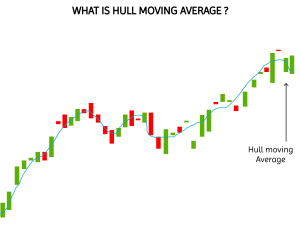
હલ મૂવિંગ એવરેજ (એચએમએ) એ એક રિફાઇન્ડ મૂવિંગ એવરેજ ઇન્ડિકેટર છે જે પરંપરાગત મૂવિંગ એવરેજની મર્યાદાઓને સંબોધવા માટે ડિઝાઇન કરેલ છે, જેમ કે સિમ્પલ મૂવિંગ એવરેજ (એસએમએ) અને એક્સ્ટેન્શિયલ મૂવિંગ એવરેજ (ઇએમએ). એલન હલએ કિંમતના ટ્રેન્ડનું સરળ અને વધુ પ્રતિભાવશાળી પ્રતિનિધિત્વ પ્રદાન કરવા, લેગ ઘટાડવા અને સચોટતા વધારવા માટે આ ઇન્ડિકેટર બનાવ્યું છે.
હલ મૂવિંગ એવરેજનો ઉપયોગ કરવાના કેટલાક ફાયદાઓ:
- તે પરંપરાગત મૂવિંગ એવરેજ કરતાં ઓછી સંવેદનશીલ છે.
- તે કિંમતમાં ફેરફારો માટે વધુ પ્રતિસાદ આપે છે.
- તે ડેટામાં અવાજ દ્વારા ઓછી અસર કરે છે.
- તેનો અર્થઘટન કરવું સરળ છે.
હલ મૂવિંગ એવરેજનો ઉપયોગ કરવાના કેટલાક ગેરફાયદા અહીં આપેલ છે:
- પરંપરાગત મૂવિંગ એવરેજ કરતાં ગણતરી કરવી વધુ જટિલ હોઈ શકે છે.
- તે whipsaws માટે વધુ સંવેદનશીલ હોઈ શકે છે.
હલ મૂવિંગ એવરેજનું કાર્ય
HMA ભારિત ગણતરીઓ અને રૂટ મીન સ્ક્વેર અભિગમનો ઉપયોગ કરીને કાર્ય કરે છે. આ કૉમ્બિનેશન ઘણીવાર અન્ય મૂવિંગ એવરેજ સાથે સંકળાયેલ લેગને દૂર કરવામાં મદદ કરે છે. તે હજુ પણ ઐતિહાસિક ડેટાને શામેલ કરતી વખતે તાજેતરની કિંમતની હલનચલન પર વધુ ભાર મૂકે છે. આમ કરવાથી વર્તમાન બજારના વલણનું સ્પષ્ટ ચિત્ર મળે છે.
હલ મૂવિંગ એવરેજ ગણતરી
HMA ની ગણતરી નીચેના પગલાંઓનો ઉપયોગ કરીને કરવામાં આવે છે:
- નિર્દિષ્ટ સમયગાળા સાથે સરળ મૂવિંગ એવરેજ (SMA) ની ગણતરી કરો.
- એક જ સમયગાળા સાથે વેઇટેડ મૂવિંગ એવરેજ (WMA) ની ગણતરી કરો પરંતુ વજનના પરિબળ સાથે જે ઝડપથી વધે છે કારણ કે પ્રાઇસ ડેટા વર્તમાનની નજીક આવે છે.
- SMA અને WMA વચ્ચેના તફાવતની ગણતરી કરો.
- સમયગાળાના ચોરસ મૂળના વિપરીત પ્રમાણમાં વજનના પરિબળ સાથે ત્રીજા WMA નો ઉપયોગ કરીને SMA અને WMA વચ્ચે સરળ તફાવત.
એચએમએની ગણતરી માટે ફોર્મ્યુલા નીચે મુજબ છે:
HMA = WMA (પ્રાઇસ, n), k)
જ્યાં:
- HMA હલ મૂવિંગ એવરેજ છે
- WMA એ વેઇટેડ મૂવિંગ એવરેજ છે
- SMA એ સરળ મૂવિંગ એવરેજ છે
- N એ સમયગાળાની સંખ્યા છે
- k વજનનું પરિબળ છે
વજનના પરિબળની ગણતરી નીચેના ફોર્મ્યુલાનો ઉપયોગ કરીને કરવામાં આવે છે:
k = 2/(sqrt(n) + 1)
ઉદાહરણ તરીકે, જો સમયગાળાની સંખ્યા 20 હોય, તો વજનનું પરિબળ 2/(sqrt(20) + 1) = 0.866 હશે.
એચએમએની ગણતરી કોઈપણ સ્પ્રેડશીટ સૉફ્ટવેર અથવા ટ્રેડિંગ પ્લેટફોર્મનો ઉપયોગ કરીને કરી શકાય છે. ઘણા ઑનલાઇન કૅલ્ક્યૂલેટરનો ઉપયોગ કરી શકાય છે.
આ ગણતરીઓ વિલંબને કેવી રીતે ઘટાડે છે?
HMA ની ગણતરી વેઇટેડ મૂવિંગ એવરેજ ફોર્મ્યુલાનો ઉપયોગ કરીને કરવામાં આવે છે જે વધુ તાજેતરના કિંમતના મૂલ્યો પર વધુ વજન આપે છે. આ HMA ને કિંમતમાં ફેરફારો માટે વધુ જવાબદાર બનાવવામાં અને વિલંબ માટે ઓછી સંવેદનશીલ બનાવવામાં મદદ કરે છે.
HMA ની ગણતરી એક સરળ પરિબળનો ઉપયોગ કરીને પણ કરવામાં આવે છે જે ડેટામાં અવાજને ઘટાડવામાં મદદ કરે છે. આ HMA ને વધુ સરળ અને અર્થઘટન કરવામાં સરળ બનાવે છે.
HMA ગણતરીઓ નીચેની રીતે વિલંબને ઘટાડે છે:
- HMA ની ગણતરી કરવા માટે ઉપયોગમાં લેવાતા વેટિંગ પરિબળ ઝડપથી વધે છે કારણ કે પ્રાઇસ ડેટા વર્તમાનની નજીક આવે છે. આનો અર્થ એ છે કે વધુ તાજેતરના કિંમતના મૂલ્યોને વધુ વજન આપવામાં આવે છે, જે HMA ને કિંમતમાં ફેરફારો માટે વધુ જવાબદાર બનાવે છે.
- HMA ની ગણતરી કરવા માટે ઉપયોગમાં લેવાતા સરળ પરિબળ અવધિની સંખ્યાના ચોરસ મૂળના વિપરીત પ્રમાણમાં છે. આનો અર્થ એ છે કે HMA ટૂંકા સમયગાળા માટે વધુ સરળતાથી અને વધુ વિસ્તૃત સમયગાળા માટે ઓછા ભારે હોય છે. આ ડેટામાં અવાજને ઘટાડવામાં મદદ કરે છે અને HMA ને અર્થઘટન કરવામાં સરળ બનાવે છે.
આ ગણતરીઓના પરિણામે, HMA મૂવિંગ એવરેજ લાઇનની સરળતાને જાળવી રાખીને પરંપરાગત મૂવિંગ એવરેજ કરતાં કિંમતની હિલચાલને વધુ નજીકથી ટ્રૅક કરી શકે છે. આનાથી HMA ટ્રેન્ડ, સપોર્ટ અને રેઝિસ્ટન્સ લેવલને ઓળખવામાં અને ઓવરબૉટ અને ઓવરસોલ્ડ પરિસ્થિતિઓને ઓળખવામાં મદદ મળે છે.
હલ મૂવિંગ એવરેજ સ્ટ્રેટેજીનો ઉપયોગ કરીને
હલ મૂવિંગ એવરેજનો ઉપયોગ સામાન્ય રીતે ટ્રેન્ડને ઓળખવા અને ટ્રેડિંગ સિગ્નલ બનાવવા માટે કરવામાં આવે છે. HMA વ્યૂહરચનાનો ઉપયોગ કરવા માટેની સંક્ષિપ્ત માર્ગદર્શિકા અહીં આપેલ છે:
- ટ્રેન્ડ નીચેની વ્યૂહરચના: આ વ્યૂહરચનામાં જ્યારે HMA સપોર્ટ લેવલથી ઉપર જાય અને જ્યારે HMA રેઝિસ્ટન્સ લેવલથી નીચે જાય ત્યારે એસેટ વેચવાનો સમાવેશ થાય છે.
- ડાઇવર્જન્સ સ્ટ્રેટેજીમાં HMA અને પ્રાઇસ ઍક્શન વચ્ચેના તફાવતો શોધવાનો સમાવેશ થાય છે. જ્યારે કિંમત ઓછી થાય છે ત્યારે બુલિશ વેરિએશન થાય છે, પરંતુ HMA વધુ નીચું બનાવે છે. આ સંકેત આપે છે કે વલણ ઉપર તરફ જવા જઈ રહ્યું છે. જ્યારે કિંમત વધુ હોય ત્યારે બિયરિશ વેરિએશન થાય છે, પરંતુ HMA ઓછું હોય છે. આ સંકેત આપે છે કે આ વલણ પાછળ જવા જઈ રહ્યું છે.
- ફિલ્ટર વ્યૂહરચના: આ વ્યૂહરચનામાં બજારમાં અવાજને ફિલ્ટર કરવા અને સૌથી મહત્વપૂર્ણ વલણોને ઓળખવા માટે HMA નો ઉપયોગ કરવાનો સમાવેશ થાય છે. ઉદાહરણ તરીકે, જ્યારે HMA ચોક્કસ સ્તરથી ઉપર હોય ત્યારે જ તમે ટ્રેડ કરી શકો છો.
તમારા માટે શ્રેષ્ઠ હલ મૂવિંગ એવરેજ સ્ટ્રેટેજી ટ્રેડિંગ સ્ટાઇલ અને રિસ્ક સહનશીલતા પર આધારિત રહેશે. વાસ્તવિક પૈસામાં તેનો ઉપયોગ કરતા પહેલાં વિવિધ વ્યૂહરચનાઓનો બેકટેસ્ટ કરવો જરૂરી છે.
હલ મૂવિંગ એવરેજનો ઉપયોગ કરવા માટેની કેટલીક અતિરિક્ત ટિપ્સ અહીં આપેલ છે:
- બહુવિધ સમય ફ્રેમનો ઉપયોગ કરો: HMA નો ઉપયોગ વિવિધ સમયે કરી શકાય છે, જેમ કે દૈનિક, સાપ્તાહિક અને માસિક. બહુવિધ સમય ફ્રેમનો ઉપયોગ કરવાથી ટ્રેન્ડ અને પેટર્નને ઓળખવામાં મદદ મળી શકે છે જે એક જ સમય ફ્રેમમાં દેખાતા નથી.
- સમયગાળાની સંખ્યા ગોઠવોઃ એચએમએની ગણતરી કરવા માટે ઉપયોગમાં લેવાતી સંખ્યાને તમારી ટ્રેડિંગ શૈલી અને રિસ્ક સહનશીલતાને અનુરૂપ ગોઠવી શકાય છે. ટૂંકા સમયગાળાથી HMA કિંમતમાં ફેરફારો માટે વધુ જવાબદાર બનશે, પરંતુ તે અવાજ માટે વધુ સંવેદનશીલ પણ હશે. વધુ વિસ્તૃત અવધિ HMA ને કિંમતમાં ફેરફારો માટે ઓછો પ્રતિસાદ આપશે, પરંતુ તે સરળ અને વ્હિપ્સોની સંભાવના પણ ઓછી રહેશે.
- અન્ય ઇન્ડિકેટર્સનો ઉપયોગ કરો: એચએમએનો ઉપયોગ અન્ય તકનીકી ઇન્ડિકેટર્સ સાથે કરી શકાય છે, જેમ કે રિલેટિવ સ્ટ્રેન્થ ઇન્ડેક્સ અને મૂવિંગ એવરેજ કન્વર્જન્સ ડાઇવર્જન્સ. આ તમને ટ્રેડિંગ સિગ્નલની પુષ્ટિ કરવામાં અને ખોટા ચેતવણીઓના જોખમને ઘટાડવામાં મદદ કરી શકે છે.
હલ મૂવિંગ એવરેજ સ્ટ્રેટેજીનું અર્થઘટન
હલ મૂવિંગ એવરેજ સ્ટ્રેટેજીને અર્થઘટન કરવા માટે, તમારે નીચેની બાબતોને સમજવાની જરૂર છે:
- HMA એ વેઇટેડ મૂવિંગ એવરેજ છે જે તાજેતરના કિંમતના મૂલ્યો પર વધુ વજન આપે છે. આ HMA ને કિંમતમાં ફેરફારો માટે વધુ જવાબદાર બનાવે છે અને વિલંબ માટે ઓછી સંવેદનશીલ બનાવે છે.
- HMA ની ગણતરી એક સરળ પરિબળનો ઉપયોગ કરીને કરવામાં આવે છે જે ડેટામાં અવાજને ઘટાડવામાં મદદ કરે છે. આ HMA ને વધુ સરળ અને અર્થઘટન કરવામાં સરળ બનાવે છે.
- HMA નો ઉપયોગ દૈનિક, સાપ્તાહિક અને માસિક જેવા વિવિધ સમયના ફ્રેમ્સ પર કરી શકાય છે.
- એચએમએની ગણતરી કરવા માટે ઉપયોગમાં લેવાતા સમયગાળાની સંખ્યા તમારી ટ્રેડિંગ શૈલી અને રિસ્ક સહનશીલતાને અનુરૂપ ગોઠવી શકાય છે.
- HMA નો ઉપયોગ અન્ય ટેક્નિકલ ઇન્ડિકેટર્સ સાથે કરી શકાય છે, જેમ કે રિલેટિવ સ્ટ્રેન્થ Index (RSI) અને મૂવિંગ એવરેજ કન્વર્જન્સ ડાઇવર્જન્સ (MACD).
હલ મૂવિંગ એવરેજ સ્ટ્રેટેજીને અર્થઘટન કરવાની કેટલીક સામાન્ય રીતો અહીં આપેલ છે:
- HMA ની દિશા શોધીને ટ્રેન્ડને ઓળખવા માટે નીચેના ટ્રેન્ડનો ઉપયોગ કરી શકાય છે. વધતા HMA એ અપટ્રેન્ડ સૂચવે છે, જ્યારે ઘટતા HMA ડાઉનટ્રેન્ડને સૂચવે છે.
- સપોર્ટ અને રેઝિસ્ટન્સ: HMA એ અગાઉ બાઉન્સ કરેલ વિસ્તારો શોધીને સપોર્ટ અને રેઝિસ્ટન્સ લેવલને ઓળખી શકે છે.
- ઓવરબૉટ અને ઓવરસોલ્ડ: HMA એ એવા વિસ્તારોને શોધીને ઓવરબૉટ અને ઓવરસોલ્ડ પરિસ્થિતિઓને ઓળખી શકે છે જ્યાં HMA ચોક્કસ સ્તરથી વધુ અથવા નીચે આવી ગયું છે.
- વિવિધતા: HMA HMA અને પ્રાઇસ ઍક્શન વચ્ચેના તફાવતોને ઓળખી શકે છે. જ્યારે કિંમત ઓછી થાય છે ત્યારે બુલિશ વેરિએશન થાય છે, પરંતુ HMA વધુ નીચું બનાવે છે. આ સંકેત આપે છે કે વલણ ઉપર તરફ જવા જઈ રહ્યું છે. જ્યારે કિંમત વધુ હોય ત્યારે બિયરિશ વેરિએશન થાય છે, પરંતુ HMA ઓછું હોય છે. આ સંકેત આપે છે કે આ વલણ પાછળ જવા જઈ રહ્યું છે.
હલ મૂવિંગ એવરેજ સ્ટ્રેટેજીને અર્થઘટન કરવાની શ્રેષ્ઠ રીત તમારી ટ્રેડિંગ સ્ટાઇલ અને રિસ્ક સહનશીલતા પર આધારિત રહેશે. વાસ્તવિક પૈસામાં તેનો ઉપયોગ કરતા પહેલાં વિવિધ વ્યૂહરચનાઓનો બેકટેસ્ટ કરવો જરૂરી છે.
હલ મૂવિંગ એવરેજની ખામીઓ
HMA ની કેટલીક મર્યાદાઓમાં શામેલ છે:
- તે હજુ પણ એક લેગિંગ ઇન્ડિકેટર છે: HMA એક વધુ સારું ઇન્ડિકેટર હોઈ શકે છે અને હજુ પણ કિંમતની ક્રિયા પાછળ રહેશે. આનો અર્થ એ છે કે તેને અન્ય ઇન્ડિકેટર જેટલી વહેલી તકે ટ્રેન્ડને ઓળખવામાં મદદની જરૂર પડી શકે છે.
- તે વ્હિપસો માટે સંવેદનશીલ હોઈ શકે છે: HMA વ્હિપસો માટે સંવેદનશીલ હોઈ શકે છે, જ્યારે કિંમત ઝડપથી દિશામાં ફેરવે છે ત્યારે ખોટા સંકેતો થાય છે. જો તમે આ સિગ્નલ પર ટ્રેડ કરો છો તો આનાથી નુકસાન થઈ શકે છે.
- અર્થઘટન કરવું પડકારજનક હોઈ શકે છે: HMA મુશ્કેલ હોઈ શકે છે, ખાસ કરીને શરૂઆત કરનારાઓ માટે. HMA કેવી રીતે કામ કરે છે અને તેની સાથે વેપાર કરતા પહેલાં તેનો ઉપયોગ કેવી રીતે કરવો તે સમજવું જરૂરી છે.
- તે તમામ બજારો માટે અયોગ્ય છે: તમામ જરૂરિયાતો માટે HMA આદર્શ નથી. તે પ્રચલિત બજારો માટે શ્રેષ્ઠ છે પરંતુ બજારોને એકીકૃત કરવામાં ઓછા અસરકારક હોઈ શકે છે.
તેની મર્યાદાઓ હોવા છતાં, HMA તકનીકી વિશ્લેષણ માટે ઉપયોગી સાધન બની શકે છે. HMA ની મર્યાદાઓ વિશે જાગૃત રહેવું અને તમારા ટ્રેડિંગ નિર્ણયોની ચોકસાઈમાં સુધારો કરવા માટે અન્ય સૂચકાંકો સાથે તેનો ઉપયોગ કરવો જરૂરી છે.
નિષ્કર્ષ
નિષ્કર્ષમાં, હલ મૂવિંગ એવરેજ એ માર્કેટ ટ્રેન્ડના વધુ રિસ્પોન્સિવ અને સચોટ સૂચક શોધતા વેપારીઓ માટે એક શક્તિશાળી સાધન છે. ઍડવાન્સ્ડ ગણતરીઓને શામેલ કરીને અને વિલંબ ઘટાડીને, HMA વેપારીઓને પ્રાઇસ ડેટાના સરળ પ્રતિનિધિત્વના આધારે માહિતગાર નિર્ણયો લેવામાં મદદ કરે છે. જો કે, યાદ રાખવું અગત્યનું છે કે કોઈ એક સૂચક વેપારમાં સફળતાની બાંયધરી આપતું નથી. એચએમએનો ઉપયોગ અન્ય તકનીકી અને મૂળભૂત વિશ્લેષણ સાધનો સાથે કરવો જોઈએ જેથી તેની અસરકારકતા અને નફા માટેની ક્ષમતાને મહત્તમ બનાવી શકાય.