पोजीशन साइज़िंग निवेश और ट्रेडिंग की दुनिया में एक महत्वपूर्ण अवधारणा है, जो जोखिम को मैनेज करने और पोर्टफोलियो परफॉर्मेंस को ऑप्टिमाइज़ करने के लिए एक आधारशिला के रूप में कार्य करती है. इसके मूल रूप में, पोजीशन साइज़िंग पूर्वनिर्धारित मानदंडों के आधार पर व्यक्तिगत ट्रेड या इन्वेस्टमेंट में पूंजी के रणनीतिक आवंटन को दर्शाता है. यह दृष्टिकोण निवेशकों को हर पोजीशन से जुड़े अंतर्निहित जोखिम के साथ लाभ की क्षमता को संतुलित करने की अनुमति देता है. समग्र पोर्टफोलियो के सापेक्ष प्रत्येक ट्रेड के लिए उपयुक्त साइज़ निर्धारित करके, निवेशक अभी भी लाभदायक अवसरों का लाभ उठाते हुए अत्यधिक नुकसान से सुरक्षा प्राप्त कर सकते हैं. प्रभावी पोजीशन साइज़िंग में जोखिम सहनशीलता, मार्केट की स्थिति और इन्वेस्टमेंट के उद्देश्यों जैसे कारकों पर सावधानीपूर्वक विचार किया जाता है. इन वेरिएबल के लिए पोजीशन साइज़ तैयार करके, इन्वेस्टर एक डाइवर्सिफाइड पोर्टफोलियो बना सकते हैं जो मार्केट के उतार-चढ़ाव के लिए लचीला होता है और लॉन्ग-टर्म सफलता के लिए स्थित होता है. मूल रूप से, पोजीशन साइज़िंग निवेशकों को अपने जोखिम एक्सपोज़र पर नियंत्रण लेने और अपने फाइनेंशियल लक्ष्यों को प्राप्त करने की संभावनाओं को बेहतर बनाने में सक्षम बनाता है.
पोजीशन साइज़िंग का क्या मतलब है?
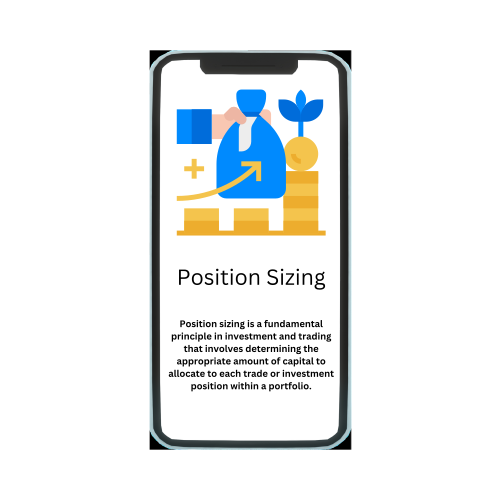
पोजीशन साइज़िंग निवेश और ट्रेडिंग में एक बुनियादी सिद्धांत है जिसमें पोर्टफोलियो के भीतर प्रत्येक ट्रेड या निवेश की स्थिति को आवंटित करने के लिए उपयुक्त राशि निर्धारित करना शामिल है. इस रणनीति का उद्देश्य यह सुनिश्चित करके जोखिम को प्रभावी रूप से मैनेज करना है कि प्रत्येक पोजीशन का साइज़ पोर्टफोलियो साइज़ और इन्वेस्टर के जोखिम सहनशीलता के स्तर के अनुपात में हो. आवश्यक रूप से, पोजीशन साइज़िंग यह निर्धारित करता है कि आपको किसी विशेष ट्रेड या इन्वेस्टमेंट के अवसर के लिए कितनी उपलब्ध पूंजी करनी चाहिए. निवेश पर संभावित रिटर्न, सफलता की संभावना और संभावित नुकसान जोखिम जैसे कारकों पर सावधानीपूर्वक विचार करके, निवेशक रिटर्न को अधिकतम करने और नुकसान को कम करने के बीच संतुलन प्राप्त करने के लिए अपने पोजीशन साइज़ को ऑप्टिमाइज़ कर सकते हैं. डाइवर्सिफाइड पोर्टफोलियो बनाए रखने और किसी भी एक एसेट या मार्केट जोखिम के ओवरएक्सपोजर से बचने के लिए प्रभावी पोजीशन साइज़िंग महत्वपूर्ण है. यह जोखिम प्रबंधन रणनीतियों का एक प्रमुख घटक है और फाइनेंशियल मार्केट में लॉन्ग-टर्म सफलता के लिए आवश्यक है.
पोजीशन साइज़िंग के उदाहरण
आइए, इन्वेस्टमेंट और ट्रेडिंग परिदृश्यों में अपने एप्लीकेशन को बेहतर तरीके से समझने के लिए पोजीशन साइज़िंग के व्यावहारिक उदाहरण के बारे में जानें. कल्पना करें कि $100,000 की कीमत वाले पोर्टफोलियो वाले निवेशक, जो किसी विशेष स्टॉक में संभावित ट्रेड पर विचार कर रहे हैं. पोजीशन साइज़िंग सिद्धांतों का उपयोग करके, इन्वेस्टर इस ट्रेड में अपने पोर्टफोलियो का 5% आवंटित करने का निर्णय लेता है. पोर्टफोलियो की कुल वैल्यू $100,000, इस राशि का 5% $5,000 के बराबर है. इसलिए, निवेशक चुने गए स्टॉक के शेयर खरीदने के लिए $5,000 प्रतिबद्ध होगा. इस पोजीशन साइज़िंग स्ट्रेटजी का पालन करके, इन्वेस्टर यह सुनिश्चित करता है कि इस ट्रेड से होने वाले किसी भी संभावित नुकसान का प्रभाव उनके कुल पोर्टफोलियो वैल्यू के 5% तक सीमित है. इसके विपरीत, अगर ट्रेड सफल साबित होता है और लाभ उत्पन्न करता है, तो निवेशक अभी भी डाइवर्सिफाइड पोर्टफोलियो बनाए रखते हुए आनुपातिक लाभ से लाभ उठा सकता है. यह उदाहरण जोखिम को मैनेज करने और रिटर्न को ऑप्टिमाइज़ करने में पोजीशन साइज़िंग के महत्व को रेखांकित करता है, यह दर्शाता है कि कैपिटल आवंटित करने के लिए अनुशासित दृष्टिकोण संतुलित और लचीली इन्वेस्टमेंट रणनीति में कैसे योगदान दे सकता है.
निवेश और ट्रेडिंग में पोजीशन साइज़िंग का महत्व
- जोखिम प्रबंधन
निवेश और ट्रेडिंग के क्षेत्र में जोखिम प्रबंधन में पोजीशन साइज़िंग महत्वपूर्ण भूमिका निभाता है. समग्र पोर्टफोलियो के सापेक्ष प्रत्येक पोजीशन का साइज़ सावधानीपूर्वक निर्धारित करके, निवेशक संभावित नुकसान के प्रभाव को प्रभावी रूप से कम कर सकते हैं. अनुशासित पोजीशन साइज़िंग स्ट्रेटजी का पालन करके, निवेशक किसी भी एक ट्रेड या इन्वेस्टमेंट में अपने एक्सपोज़र को सीमित कर सकते हैं, जिससे अपने पोर्टफोलियो के भीतर समग्र जोखिम कम हो जाता है. यह दृष्टिकोण यह सुनिश्चित करता है कि अगर व्यक्तिगत ट्रेड में नुकसान होता है, तो भी पोर्टफोलियो पर कुल प्रभाव कम हो जाता है, भविष्य के अवसरों के लिए पूंजी को सुरक्षित रखता है.
- अधिकतम रिटर्न
रिस्क मैनेजमेंट के अलावा, प्रभावी पोजीशन का साइज़ भी अधिकतम रिटर्न में योगदान दे सकता है. उच्च क्षमता वाले ट्रेड के अनुपात में पूंजी आवंटित करके और कम संभावना वाले ट्रेड के एक्सपोज़र को कम करके, निवेशक अपने पोर्टफोलियो के परफॉर्मेंस को ऑप्टिमाइज़ कर सकते हैं. स्ट्रेटेजिक पोजीशन साइज़िंग के माध्यम से, निवेशक ट्रेड खोने के प्रभाव को कम करते हुए लाभदायक अवसरों का लाभ उठा सकते हैं. यह निवेशकों को समय के साथ अपने कुल रिटर्न को बढ़ाने में सक्षम बनाता है, अंततः अपनी निवेश रणनीति की लंबी अवधि की सफलता में योगदान देता है.
- पोर्टफोलियो डाइवर्सिफिकेशन
पोजिशन साइज़िंग के महत्व का एक और प्रमुख पहलू पोर्टफोलियो डाइवर्सिफिकेशन में इसकी भूमिका है. विभिन्न प्रकार के एसेट और इन्वेस्टमेंट अवसरों में पूंजी आवंटित करके, इन्वेस्टर अपने जोखिम को फैला सकते हैं और अपने पोर्टफोलियो पर किसी भी प्रतिकूल घटना के प्रभाव को कम कर सकते हैं. पोजीशन साइज़िंग यह सुनिश्चित करता है कि कोई भी सिंगल ट्रेड या इन्वेस्टमेंट पोर्टफोलियो पर प्रभाव नहीं डालता है, जिससे विशिष्ट मार्केट जोखिमों के अत्यधिक एक्सपोज़र से सुरक्षा मिलती है. यह डाइवर्सिफिकेशन निवेशकों को अधिक संतुलित और लचीला पोर्टफोलियो प्राप्त करने में मदद करता है, जो मार्केट की विभिन्न स्थितियों को पूरा करने में सक्षम है.
- विश्वास और अनुशासन
इसके अलावा, प्रभावी पोजीशन साइज़िंग निवेशकों के निर्णय लेने की प्रक्रियाओं में विश्वास और अनुशासन को बढ़ाता है. पूर्वनिर्धारित पोजीशन साइज़िंग नियमों का पालन करके, निवेशक एक संरचित और व्यवस्थित दृष्टिकोण के साथ ट्रेडिंग और निवेश से संपर्क कर सकते हैं. यह अनुशासित दृष्टिकोण निवेशकों को आकर्षक या भावनात्मक निर्णयों से बचने में मदद करता है, जिससे खराब परिणाम हो सकते हैं. इसके अलावा, यह जानकर कि रिस्क को मैनेज करने के लिए पोजीशन साइज़ की रणनीतियां मौजूद हैं, इससे निवेशकों को अधिक मन की शांति मिल सकती है, जिससे वे मार्केट में आत्मविश्वास और आत्मविश्वास के साथ नेविगेट कर सकते हैं.
- लॉन्ग-टर्म सफलता
अंततः, स्थिति के आकार का महत्व इन्वेस्टमेंट और व्यापार में दीर्घकालिक सफलता में इसके योगदान में निहित है. रिस्क को प्रभावी रूप से मैनेज करके, रिटर्न को अधिकतम करके, पोर्टफोलियो में विविधता लाकर और अनुशासन स्थापित करके, पोजीशन का आकार निवेशकों के समग्र परफॉर्मेंस को आकार देने और अपने फाइनेंशियल लक्ष्यों को प्राप्त करने में महत्वपूर्ण भूमिका निभाता है. चाहे वो अस्थिर मार्केट की स्थितियों का सामना करना हो या उभरते अवसरों का लाभ उठाना हो, अच्छी तरह से लागू पोजीशन साइज़िंग स्ट्रेटजी धन बनाने और समय के साथ फाइनेंशियल स्वतंत्रता प्राप्त करने के लिए एक आधार के रूप में कार्य कर सकती है.
स्थिति के आकार के तरीके
स्थिति के आकार को निर्धारित करने के कई तरीके हैं, जिनमें से प्रत्येक के अपने फायदे और विचार हैं. कुछ सामान्य स्थिति के आकार के तरीकों में शामिल हैं:
- फिक्स्ड रेशियो विधि
एक लोकप्रिय पोजीशन साइज़िंग विधि फिक्स्ड रेशियो विधि है, जिसमें प्रत्येक ट्रेड के लिए पोर्टफोलियो का एक निश्चित प्रतिशत आवंटित किया जाता है. यह दृष्टिकोण पिछले ट्रेड के परफॉर्मेंस के आधार पर पोजीशन साइज़ को एडजस्ट करता है, सफल ट्रेड के बाद कैपिटल एलोकेशन को बढ़ाता है और नुकसान के बाद इसे कम करता है. फिक्स्ड रेशियो विधि निवेशकों को लाभ की अवधि के दौरान पोजीशन के साइज़ को बढ़ाकर विजेता स्ट्रीक पर पूंजी लगाने में मदद करती है. हालांकि, यह सड़कें खोने के दौरान बैक पोजीशन को स्केल करके रिस्क को भी कम करता है, जिससे पूंजी को सुरक्षित रखा जाता है और अत्यधिक ड्रॉडाउन को रोकता है. यह तरीका पोजीशन साइज़ के लिए एक व्यवस्थित तरीका प्रदान करता है जो समय के साथ इन्वेस्टर के परफॉर्मेंस के अनुसार अनुकूल होता है, जो रिटर्न को अधिकतम करने और रिस्क को प्रभावी रूप से मैनेज करने के बीच संतुलन बनाता है.
- प्रतिशत अस्थिरता विधि
एक अन्य सामान्य रूप से उपयोग की जाने वाली पोजीशन साइज़िंग विधि प्रतिशत अस्थिरता विधि है, जो पोजीशन साइज़ निर्धारित करते समय प्रत्येक एसेट की अस्थिरता को ध्यान में रखता है. अधिक उतार-चढ़ाव वाले एसेट को बड़े नुकसान के जोखिम को कम करने के लिए छोटी पोजीशन का साइज़ दिया जाता है, जबकि कम अस्थिर एसेट को बड़े आवंटन प्राप्त होते हैं. प्रत्येक एसेट की अंतर्निहित अस्थिरता के आधार पर पोजीशन के साइज़ को एडजस्ट करके, निवेशक मार्केट की स्थितियों और एसेट की विशेषताओं के लिए अपने रिस्क एक्सपोज़र को तैयार कर सकते हैं. प्रतिशत अस्थिरता विधि स्थिति के आकार के लिए एक गतिशील दृष्टिकोण प्रदान करती है जो मार्केट की अस्थिरता में उतार-चढ़ाव का कारण बनता है, जिससे निवेशकों को संतुलित और लचीला पोर्टफोलियो बनाए रखने में मदद मिलती है.
- ऑप्टिमल एफ विधि
प्रसिद्ध इन्वेस्टर रैल्फ विंस द्वारा लोकप्रिय ऑप्टिमल एफ विधि सफलता की संभावना और संभावित reward-to-risk अनुपात जैसे कारकों के आधार पर प्रत्येक ट्रेड पर पूंजी के जोखिम के अनुकूल अंश की गणना करती है. इस विधि का उद्देश्य प्रत्येक ट्रेड के अपेक्षित रिटर्न के अनुपात में पूंजी आवंटित करके पोर्टफोलियो की लॉन्ग-टर्म वृद्धि को अधिकतम करना है. प्रत्येक अवसर के रिस्क-रिवॉर्ड प्रोफाइल के आधार पर पोजीशन के साइज़ को डायनेमिक रूप से एडजस्ट करके, ऑप्टिमल f विधि निवेशकों को अपने कैपिटल एलोकेशन को ऑप्टिमाइज़ करने और समग्र पोर्टफोलियो परफॉर्मेंस को बढ़ाने में मदद करती है. यह विधि पोजीशन साइज़ के लिए एक अत्याधुनिक दृष्टिकोण प्रदान करती है जो सफलता की संभावना और प्रत्येक ट्रेड के संभावित भुगतान दोनों को ध्यान में रखती है, जिससे निवेशक अपने निवेश उद्देश्यों के अनुरूप सूचित निर्णय ले सकते हैं.
पोजीशन साइज़ में विचार करने वाले कारक
पोजीशन साइज़ की रणनीतियों को लागू करते समय, अपनी विशिष्ट परिस्थितियों के अनुसार दृष्टिकोण तैयार करने के लिए विभिन्न कारकों पर विचार करना आवश्यक है. विचार करने वाले कुछ प्रमुख कारकों में शामिल हैं:
- जोखिम सहनशीलता
पोजीशन साइज़ में विचार करने वाले मुख्य कारकों में से एक इन्वेस्टर की रिस्क सहनशीलता है. रिस्क सहनशीलता का अर्थ है एक इन्वेस्टर अपने इन्वेस्टमेंट लक्ष्यों को प्राप्त करने में आरामदायक रिस्क का स्तर. उच्च रिस्क सहनशीलता वाले निवेशक बड़ी पोजीशन का विकल्प चुन सकते हैं, क्योंकि वे उच्च रिटर्न की संभावना के बदले अपने पोर्टफोलियो वैल्यू में अधिक उतार-चढ़ाव को स्वीकार करने के लिए तैयार हैं. इसके विपरीत, कम रिस्क सहनशीलता वाले निवेशक संभावित नुकसान के प्रभाव को कम करने के लिए छोटी पोजीशन साइज़ को पसंद कर सकते हैं. इन्वेस्टमेंट स्ट्रेटजी में भावनात्मक स्थिरता और विश्वास बनाए रखने के लिए अपनी रिस्क सहनशीलता के साथ पोजीशन के साइज़ को समझना और संरेखित करना महत्वपूर्ण है.
- मार्केट की स्थिति
स्थिति के आकार में विचार करने के लिए एक और महत्वपूर्ण कारक वर्तमान मार्केट की स्थिति है. मार्केट के उतार-चढ़ाव, ट्रेंड और आर्थिक कारक विभिन्न एसेट और इन्वेस्टमेंट के अवसरों से जुड़े रिस्क के स्तर को प्रभावित कर सकते हैं. बढ़ती अस्थिरता या अनिश्चितता की अवधि के दौरान, निवेशक जोखिम को कम करने और पूंजी को सुरक्षित रखने के लिए अपनी स्थिति के आकार को कम करने का विकल्प चुन सकते हैं. इसके विपरीत, अधिक स्थिर मार्केट की स्थितियों में, संभावित अवसरों का लाभ उठाने के लिए निवेशकों को बड़ी पोजीशन लेने में अधिक आरामदायक महसूस हो सकता है. जोखिम को मैनेज करने और समय के साथ रिटर्न को अधिकतम करने के लिए मार्केट की बदलती स्थितियों को प्रतिबिंबित करने के लिए पोजीशन साइज़ को अपनाना आवश्यक है.
- निवेश के लक्ष्य
इन्वेस्टमेंट के लक्ष्य उपयुक्त स्थिति के आकार निर्धारित करने में महत्वपूर्ण भूमिका निभाते हैं. रिटायरमेंट प्लानिंग या वेल्थ संचयन जैसे लॉन्ग-टर्म लक्ष्यों वाले निवेशक, पूंजी संरक्षण और स्थिर विकास को प्राथमिकता देने के लिए स्थिति के आकार के लिए अधिक रूढ़िवादी दृष्टिकोण अपना सकते हैं. दूसरी ओर, कम अवधि के लक्ष्यों या रिस्क के लिए उच्च सहनशीलता वाले निवेशकों को आक्रामक रिटर्न प्राप्त करने के लिए बड़ी पोजीशन लेने के लिए अधिक झुकाव हो सकता है. विशिष्ट इन्वेस्टमेंट उद्देश्यों के साथ पोजीशन के साइज़ को अलाइन करने से इन्वेस्टर को अपने लॉन्ग-टर्म फाइनेंशियल लक्ष्यों पर ध्यान केंद्रित करने और अपनी सफलता को खतरे में डालने वाले आवेगपूर्ण निर्णयों से बचने में मदद मिलती है.
- पोर्टफोलियो की रचना
पोजीशन साइज़ में विचार करने के लिए इन्वेस्टर के पोर्टफोलियो की रचना एक और महत्वपूर्ण कारक है. एसेट क्लास, इंडस्ट्री और भौगोलिक क्षेत्रों में विविधता जोखिम को फैलाने और पोर्टफोलियो पर किसी भी एक प्रतिकूल घटना के प्रभाव को कम करने में मदद कर सकती है. पोजीशन साइज़ निर्धारित करते समय, निवेशकों को एसेट के बीच सहसंबंध को ध्यान में रखना चाहिए और यह सुनिश्चित करना चाहिए कि कोई भी एक पोजीशन पोर्टफोलियो में प्रभुत्व नहीं रखती है. अच्छी तरह से संतुलित पोर्टफोलियो बनाए रखकर, निवेशक अपने कुल जोखिम-समायोजित रिटर्न को बढ़ा सकते हैं और विनाशकारी नुकसान की क्षमता को कम कर सकते हैं.
निष्कर्ष
अंत में, पोजीशन साइज़ निवेश और ट्रेडिंग स्ट्रेटेजी का एक महत्वपूर्ण पहलू है, जो निवेशकों को जोखिम को मैनेज करने और रिटर्न को ऑप्टिमाइज़ करने के लिए एक व्यवस्थित तरीका प्रदान करता है. जोखिम सहनशीलता, मार्केट की स्थितियों, निवेश के लक्ष्यों और पोर्टफोलियो संरचना जैसे कारकों के सापेक्ष प्रत्येक पोजीशन के आकार को सावधानीपूर्वक निर्धारित करके, निवेशक संभावित लाभ को अधिकतम करने और संभावित नुकसान को कम करने के बीच संतुलन बना सकते हैं. प्रभावी पोजीशन साइज़ निवेशकों को मार्केट के उतार-चढ़ाव या अनिश्चितता की अवधि के दौरान भी अपने इन्वेस्टमेंट निर्णयों में भावनात्मक स्थिरता और विश्वास बनाए रखने में सक्षम बनाता है. इसके अलावा, अनुशासित पोजीशन साइज़िंग नियमों का पालन करके, निवेशक आवेगपूर्ण या भावनात्मक ट्रेडिंग व्यवहारों से बच सकते हैं जो उनकी लॉन्ग-टर्म सफलता को कम कर सकते हैं. अंत में, एक अच्छी तरह से कार्यरत पोजीशन साइज़िंग स्ट्रेटेजी एक संतुलित और लचीले पोर्टफोलियो में योगदान देती है, जो विभिन्न मार्केट स्थितियों का सामना करने और समय के साथ निरंतर रिटर्न प्राप्त करने में सक्षम होती है.
अक्सर पूछे जाने वाले प्रश्न (FAQ)
मार्केट की बदलती स्थितियों और इन्वेस्टमेंट उद्देश्यों के अनुसार स्थिति के आकार को नियमित रूप से रिव्यू करना और एडजस्ट करना आवश्यक है. अपने पोर्टफोलियो का समय-समय पर, आदर्श रूप से त्रैमासिक या अर्ध-वार्षिक रूप से आकलन करने और आवश्यकता के अनुसार एडजस्टमेंट करने की सलाह दी जाती है.
.
हां, निवेशकों और व्यापारियों को प्रभावी पोजीशन साइज़िंग रणनीतियों को लागू करने में मदद करने के लिए कई पोजीशन साइज़िंग टूल और सॉफ्टवेयर उपलब्ध हैं. इन टूल्स में अक्सर प्रोसेस को सुव्यवस्थित करने के लिए रिस्क मैनेजमेंट कैलकुलेशन, पोर्टफोलियो एनालिसिस और परफॉर्मेंस ट्रैकिंग फीचर्स शामिल होते हैं.
पोजीशन साइज़िंग रणनीतियों को लागू करते समय इन सामान्य गलतियों में ओवर-लीवरेजिंग, रिस्क मैनेजमेंट सिद्धांतों की उपेक्षा करना और मार्केट की बदलती स्थितियों के अनुसार अनुकूल न होना शामिल हैं. अनुशासित रहना, अपनी पूर्वनिर्धारित स्थिति के आकार के नियमों का पालन करना और अपने दृष्टिकोण का लगातार मूल्यांकन करना और सुधार करना आवश्यक है.