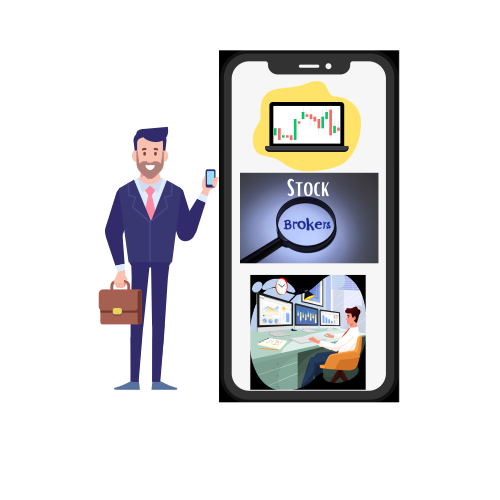
स्टॉकब्रोकर हा परवानाधारक व्यावसायिक किंवा फर्म आहे जो स्टॉक, बाँड्स आणि म्युच्युअल फंड सारख्या क्लायंटच्या वतीने सिक्युरिटीज खरेदी आणि विक्री करतो. ते इन्व्हेस्टर आणि स्टॉक एक्सचेंज दरम्यान मध्यस्थ म्हणून काम करतात, ट्रेड सुलभ करतात आणि मार्केट सल्ला देतात. स्टॉकब्रोकर्स त्यांनी अंमलात आणलेल्या प्रत्येक ट्रेडसाठी कमिशन किंवा फी कमवतात. ते स्वतंत्रपणे किंवा ब्रोकरेज फर्मचा भाग म्हणून काम करू शकतात आणि रिटेल किंवा संस्थात्मक ट्रेडिंग सारख्या क्षेत्रांमध्ये विशेषज्ञता असू शकतात. ट्रेड्स अंमलात आणण्याव्यतिरिक्त, स्टॉकब्रोकर्स अनेकदा क्लायंटला माहितीपूर्ण फायनान्शियल निर्णय घेण्यास मदत करण्यासाठी इन्व्हेस्टमेंट मार्गदर्शन, संशोधन आणि पोर्टफोलिओ मॅनेजमेंट सर्व्हिसेस प्रदान करतात.
भारतातील स्टॉकब्रोकरची भूमिका आणि कार्ये
- ट्रेड्सची अंमलबजावणी:
- स्टॉकब्रोकर त्यांच्या क्लायंटसाठी स्टॉक एक्सचेंजवर खरेदी आणि विक्री ऑर्डर अंमलात आणण्यासाठी जबाबदार आहेत. त्यांना क्लायंटकडून थेट किंवा ऑनलाईन ट्रेडिंग प्लॅटफॉर्मद्वारे सूचना प्राप्त होतात आणि सर्वोत्तम उपलब्ध मार्केट किंमतीत ट्रान्झॅक्शन करतात.
- ते इक्विटी शेअर्स, इक्विटी डेरिव्हेटिव्ह, कमोडिटीज, करन्सी फ्यूचर्स आणि डेब्ट इन्स्ट्रुमेंट्स सारख्या विविध ॲसेट क्लासमध्ये ट्रेड करू शकतात.
- ॲडव्हायजरी सर्व्हिसेस:
- भारतातील अनेक स्टॉकब्रोकर्स क्लायंटला माहितीपूर्ण निर्णय घेण्यास मदत करण्यासाठी इन्व्हेस्टमेंट सल्ला आणि मार्केट रिसर्च ऑफर करतात. यामध्ये सिक्युरिटीज खरेदी किंवा विक्री करण्यासाठी शिफारशी, मार्केट ट्रेंड विश्लेषण आणि विविध इन्व्हेस्टमेंट पर्यायांच्या संभाव्य जोखीम आणि रिवॉर्ड्स विषयी माहिती समाविष्ट असू शकते.
- फूल-सर्व्हिस स्टॉकब्रोकर्स अनेकदा पोर्टफोलिओ मॅनेजमेंट, टॅक्स प्लॅनिंग आणि रिटायरमेंट प्लॅनिंगसह सल्लागार सेवांचा सर्वसमावेशक सूट प्रदान करतात.
- डिस्काउंट ब्रोकर्स सामान्यपणे मर्यादित सल्लागार सेवा ऑफर करतात, जे ट्रेड्सच्या किफायतशीर अंमलबजावणीवर लक्ष केंद्रित करतात.
- पोर्टफोलिओ मॅनेजमेंट सर्व्हिसेस (PMS):
- भारतातील काही स्टॉकब्रोकर उच्च-नेट-वर्थ व्यक्तींसाठी (एचएनआय) पोर्टफोलिओ मॅनेजमेंट सर्व्हिसेस (पीएमएस) ऑफर करतात. या सेवेमध्ये, स्टॉकब्रोकर्स क्लायंटच्या आर्थिक उद्दिष्टे, जोखीम सहनशीलता आणि मार्केट आऊटलूकवर आधारित विविध सिक्युरिटीजमध्ये त्यांच्या वतीने गुंतवणूक करून क्लायंटच्या गुंतवणूक पोर्टफोलिओचे व्यवस्थापन करतात.
- IPO आणि इतर ऑफरची सुविधा:
- स्टॉकब्रोकर्स इनिशियल पब्लिक ऑफरिंग (IPO) प्रक्रियेत महत्त्वपूर्ण भूमिका बजावतात. ते ग्राहकांना आयपीओसाठी अर्ज करण्यास मदत करतात, ज्यामध्ये सबस्क्रिप्शन कालावधीदरम्यान शेअर्सची खरेदी सुलभ करणे आणि स्टॉक एक्सचेंजवर सूचीबद्ध झाल्यानंतर नवीन सूचीबद्ध शेअर्सचे ट्रेडिंग करणे समाविष्ट आहे.
- अनुपालन आणि नियामक कर्तव्ये:
- भारतात, स्टॉकब्रोकरचे नियमन सिक्युरिटीज अँड एक्सचेंज बोर्ड ऑफ इंडिया (SEBI) द्वारे केले जाते, जी सिक्युरिटीज मार्केटसाठी प्राथमिक नियामक संस्था आहे. पारदर्शक, निष्पक्ष आणि कार्यक्षम मार्केट पद्धतींची खात्री करण्यासाठी स्टॉकब्रोकरला सेबीच्या मार्गदर्शक तत्त्वे आणि नियमांचे पालन करणे आवश्यक आहे.
- त्यांनी स्टॉक एक्सचेंजच्या नियमांचे पालन करणे आवश्यक आहे आणि सर्व ट्रान्झॅक्शन अखंडतेसह आणि मार्केट नियमांनुसार केले जातात याची खात्री करणे आवश्यक आहे.
- रिस्क मॅनेजमेंट आणि मार्जिन ट्रेडिंग:
- स्टॉकब्रोकर्स मार्जिन ट्रेडिंगशी संबंधित सर्व्हिसेस देखील प्रदान करतात, ज्यामुळे क्लायंटला सिक्युरिटीज ट्रेड करण्यासाठी फंड लोन घेण्याची परवानगी मिळते. तथापि, त्यांनी हे सुनिश्चित करणे आवश्यक आहे की क्लायंट आवश्यक मार्जिन आवश्यकता पूर्ण करतात आणि जास्त रिस्क घेणे टाळण्यासाठी रिस्क मॅनेजमेंट प्रोटोकॉलवर देखरेख करतात.
- डिपॉझिटरी सेवा:
- भारतातील स्टॉकब्रोकर डिमॅट अकाउंट सेवा प्रदान करण्यासाठी डिपॉझिटरी (जसे की NSDL आणि CDSL) सह जवळून काम करतात, ज्यामुळे ग्राहकांना त्यांच्या सिक्युरिटीज इलेक्ट्रॉनिक फॉरमॅटमध्ये ठेवण्याची परवानगी मिळते. स्टॉकब्रोकर क्लायंट आणि डिपॉझिटरी दरम्यान मध्यस्थ म्हणून कार्य करते, सिक्युरिटीज ट्रान्सफर सुलभ करते आणि होल्डिंग्सवर स्टेटमेंट प्रदान करते.
भारतातील स्टॉकब्रोकरचे प्रकार
पूर्ण-सेवा स्टॉकब्रोकर्स:
फूल-सर्व्हिस स्टॉकब्रोकर्स विस्तृत श्रेणीतील सर्व्हिसेस ऑफर करतात, ज्यामध्ये समाविष्ट आहे:
- गुंतवणूक सल्ला
- संशोधन अहवाल
- पोर्टफोलिओ मॅनेजमेंट
- टॅक्स प्लॅनिंग आणि रिटायरमेंट प्लॅनिंग
ते डिस्काउंट ब्रोकर्सच्या तुलनेत त्यांच्या सर्व्हिसेससाठी जास्त कमिशन किंवा फी आकारतात.
उदाहरणे: ICICI डायरेक्ट, HDFC सिक्युरिटीज, कोटक सिक्युरिटीज, मोतीलाल ओसवाल.
डिस्काउंट स्टॉकब्रोकर्स:
- डिस्काउंट ब्रोकर्स मुख्यत्वे कमी खर्चात क्लायंटसाठी ट्रेड अंमलात आणण्यावर लक्ष केंद्रित करतात. ते गुंतवणूकदारांना अधिक वैयक्तिकृत सल्ल्याशिवाय सिक्युरिटीज खरेदी आणि विक्री करण्यासाठी ऑनलाईन ट्रेडिंग प्लॅटफॉर्म प्रदान करतात.
- ते सामान्यपणे कमी कमिशन आकारतात परंतु सल्लागार किंवा संशोधन यासारख्या अतिरिक्त सेवा ऑफर करू शकत नाहीत.
- उदाहरणे: झेरोधा, अपस्टॉक्स, ग्रो, 5Paisa.
ऑनलाईन/टेक-आधारित ब्रोकर्स:
- ऑनलाईन ट्रेडिंगच्या वाढीसह, भारतातील अनेक ब्रोकरने टेक्नॉलॉजी-चालित प्लॅटफॉर्म स्वीकारले आहेत. हे ब्रोकर्स क्लायंटला रिअल-टाइम मार्केट डाटा, ट्रेडिंग प्लॅटफॉर्म आणि मोबाईल ॲप्सचा ॲक्सेस प्रदान करतात, ज्यामुळे त्यांना कुठेही सहजपणे ट्रेड करण्याची परवानगी मिळते.
- हे ब्रोकर्स एकतर पूर्ण-सेवा किंवा सवलत ब्रोकर्स असू शकतात, परंतु ते प्रामुख्याने डिजिटल चॅनेल्सद्वारे कार्य करतात.
- उदाहरणे: एंजल वन, एडलवाईस, शेअरखान.
संस्थात्मक स्टॉकब्रोकर्स:
- इन्स्टिट्यूशनल स्टॉकब्रोकर मोठ्या संस्थात्मक गुंतवणूकदारांची पूर्तता करतात, जसे की म्युच्युअल फंड, हेज फंड, बँक आणि इतर कॉर्पोरेट संस्था. ते सामान्यपणे मोठ्या प्रमाणातील व्यवहार, जटिल मार्केट विश्लेषण आणि इन्व्हेस्टमेंट बँकिंगशी संबंधित उपक्रमांसह अत्यंत विशेष सेवा प्रदान करतात.
भारतातील स्टॉकब्रोकरची भरपाई
- कमिशन-आधारित भरपाई:
- स्टॉकब्रोकर सामान्यपणे ते अंमलात आणणाऱ्या प्रत्येक ट्रेडसाठी कमिशन कमवतात. सर्व्हिस प्रकार (पूर्ण सर्व्हिस किंवा सवलत), व्यापाराचे प्रमाण आणि ब्रोकरच्या फी संरचनेवर आधारित कमिशन बदलू शकते.
- फूल-सर्व्हिस ब्रोकर्स सामान्यपणे ट्रेड वॅल्यूची टक्केवारी आकारतात, तर डिस्काउंट ब्रोकर्स फ्लॅट फी किंवा कमी टक्केवारी आकारू शकतात.
- फी-आधारित भरपाई:
- काही स्टॉकब्रोकर, विशेषत: पोर्टफोलिओ मॅनेजमेंट सर्व्हिसेस किंवा ॲडव्हायजरी सर्व्हिसेस ऑफर करणारे, त्यांच्या सर्व्हिसेससाठी किंवा ॲसेट अंडर मॅनेजमेंट (एयूएम) च्या टक्केवारीसाठी फ्लॅट फी आकारू शकतात. हे शुल्क चालू सल्लागार किंवा व्यवस्थापन सेवांसाठी आकारले जातात आणि सामान्यपणे कमिशन-आधारित ब्रोकर्सपेक्षा जास्त असतात.
- ट्रान्झॅक्शन फी आणि शुल्क:
- डिमॅट अकाउंट मॅनेजमेंट, मार्जिन ट्रेडिंग आणि इतर सुविधा यासारख्या सेवा प्रदान करण्यासाठी स्टॉकब्रोकर ट्रान्झॅक्शन फी, सेवा शुल्क किंवा अकाउंट मेंटेनन्स शुल्कासह इतर विविध शुल्क देखील आकारू शकतात.
भारतातील स्टॉकब्रोकरचे नियमन
- SEBI (सिक्युरिटीज अँड एक्सचेंज बोर्ड ऑफ इंडिया):
- SEBI ही भारतातील सिक्युरिटीज मार्केटसाठी सर्वोच्च नियामक संस्था आहे. सर्व स्टॉकब्रोकर सेबीकडे नोंदणीकृत असणे आवश्यक आहे आणि ट्रेडिंग योग्य आणि पारदर्शक पद्धतीने केली जाते याची खात्री करण्यासाठी त्यांनी सेबीच्या नियम आणि मार्गदर्शक तत्त्वांचे पालन करणे आवश्यक आहे.
- सेबी हे देखील सुनिश्चित करते की स्टॉकब्रोकर पुरेसे जोखीम व्यवस्थापन उपाय राखतात आणि आवश्यक भांडवली आवश्यकता पूर्ण करतात.
- स्टॉक एक्सचेंज (BSE आणि NSE):
- स्टॉकब्रोकर बॉम्बे स्टॉक एक्सचेंज (BSE) किंवा नॅशनल स्टॉक एक्सचेंज (NSE) सारख्या स्टॉक एक्सचेंजचे सदस्य देखील असणे आवश्यक आहे. हे एक्सचेंज सिक्युरिटीज खरेदी आणि विक्रीसाठी प्लॅटफॉर्म प्रदान करतात आणि ब्रोकर्सला त्यांच्या नियम आणि नियमांचे पालन करणे आवश्यक आहे.
- इन्व्हेस्टर प्रोटेक्शन:
- गुंतवणूकदारांची सुरक्षा करण्यासाठी, सेबी स्टॉकब्रोकरना ग्राहक कोड सिस्टीम राखणे, सर्व व्यवहारांचे रेकॉर्ड ठेवणे आणि ट्रेडची योग्य अंमलबजावणी सुनिश्चित करणे अनिवार्य करते.
- ब्रोकरला गुंतवणूकदार तक्रार निवारण यंत्रणा ऑफर करणे आणि फसवणूक टाळण्यासाठी आणि गुंतवणूकदारांचे संरक्षण करण्यासाठी नो युवर कस्टमर (KYC) नियमांचे अनुपालन सुनिश्चित करणे आवश्यक आहे.
भारतातील स्टॉकब्रोकर आणि टेक्नॉलॉजी
तंत्रज्ञानामुळे भारतातील स्टॉकब्रोकिंग उद्योगात लक्षणीय बदल झाला आहे, ज्यामुळे ट्रेडिंग व्यापक प्रेक्षकांसाठी अधिक सुलभ झाले आहे:
- ऑनलाईन ट्रेडिंग प्लॅटफॉर्म: बहुतांश ब्रोकर्स आता ऑनलाईन ट्रेडिंग प्लॅटफॉर्म प्रदान करतात जे गुंतवणूकदारांना ट्रेड करण्याची, मार्केट डाटा ॲक्सेस करण्याची आणि वास्तविक वेळेत त्यांचे पोर्टफोलिओ मॅनेज करण्याची परवानगी देतात.
- मोबाईल अॅप्सः स्मार्टफोनच्या वाढत्या वापरामुळे अनेक ब्रोकर्स मोबाईल ट्रेडिंग अॅप्स ऑफर करतात, ज्यामुळे ग्राहकांना on-the-go ट्रेड करण्याची क्षमता मिळते.
- अल्गोरिदमिक ट्रेडिंग: मोठ्या संस्थात्मक ब्रोकर्स अनेकदा पूर्व-निर्धारित निकषांवर आधारित खरेदी आणि विक्री निर्णय स्वयंचलित करण्यासाठी अल्गोरिदमिक ट्रेडिंग (अल्गो-ट्रेडिंग) वापरतात.
भारतातील स्टॉकब्रोकर्स: आव्हाने आणि भविष्यातील दृष्टीकोन
- स्पर्धा: डिस्काउंट ब्रोकर्स आणि टेक-आधारित प्लॅटफॉर्मच्या वाढीमुळे उद्योगात प्रचंड स्पर्धा निर्माण झाली आहे, कमिशन दर कमी झाले आहेत आणि पूर्ण-सेवा ब्रोकरांना त्यांच्या सेवा नाविन्यपूर्ण करण्यासाठी भाग पाडले आहे.
- मार्केट अस्थिरता: स्टॉकब्रोकर्सने मार्केट अस्थिरता आणि ग्लोबल इकॉनॉमिक इव्हेंटमुळे उद्भवलेल्या रिस्क मॅनेज करणे आवश्यक आहे जे स्टॉकच्या किंमती आणि इन्व्हेस्टरच्या भावनेवर परिणाम करू शकतात.
- नियामक आव्हाने: स्टॉकब्रोकर्सने सतत विकसित होत असलेल्या नियमांचे पालन करणे आवश्यक आहे, विशेषत: सायबर सिक्युरिटी, फसवणूक प्रतिबंध आणि इन्व्हेस्टर संरक्षणाशी संबंधित.
- नवीन तंत्रज्ञानाशी जुळवून घेणे: ट्रेडिंग टेक्नॉलॉजी प्रगतीपथावर असताना, भारतातील स्टॉकब्रोकरांनी डिजिटल उपाय, मोबाईल प्लॅटफॉर्म आणि अधिक कार्यक्षम सेवा ऑफर करण्यासाठी विकसित करणे सुरू ठेवणे आवश्यक आहे.
निष्कर्ष
भारतातील स्टॉकब्रोकर इन्व्हेस्टर आणि फायनान्शियल मार्केट दरम्यान एक आवश्यक लिंक आहेत, जे ट्रेड अंमलबजावणीपासून ते इन्व्हेस्टमेंट सल्ल्यापर्यंत सेवा प्रदान करतात. देशातील स्टॉक मार्केट वाढत आणि विकसित होत असताना, स्टॉकब्रोकरची भूमिका वाढते. पूर्ण-सेवा सल्लागार, डिस्काउंट ब्रोकर्स किंवा डिजिटल प्लॅटफॉर्म म्हणून काम करत असो, स्टॉकब्रोकर्स वैयक्तिक आणि संस्थात्मक गुंतवणूकदारांना भारतीय फायनान्शियल मार्केटच्या जटिलते नेव्हिगेट करण्यास मदत करतात. तांत्रिक नवकल्पना आणि मजबूत नियामक देखरेखीद्वारे, भारतातील स्टॉकब्रोकर अर्थव्यवस्थेत त्यांची महत्त्वाची भूमिका सुरू ठेवण्यासाठी सज्ज आहेत, ज्यामुळे इन्व्हेस्टर त्यांची संपत्ती वाढविण्यासाठी आवश्यक साधने ॲक्सेस करू शकतात याची खात्री मिळते.