11.1. ચાર્ટ પૅટર્ન શું છે?

ચાર્ટ પેટર્ન એ રિકરિંગ ફોર્મેશન અથવા રૂપરેખાંકન છે જે ફાઇનાન્શિયલ એસેટના પ્રાઇસ ચાર્ટ પર દેખાય છે, જેમ કે સ્ટૉક્સ, કરન્સી, કોમોડિટીઝ અને ઇન્ડાઇસિસ. આ પેટર્ન સમય જતાં સંપત્તિની કિંમતની હિલચાલ દ્વારા બનાવવામાં આવે છે અને સંભવિત ભવિષ્યની કિંમતની હિલચાલને ઓળખવા માટે તકનીકી વિશ્લેષકો દ્વારા ઉપયોગમાં લેવામાં આવે છે. ભવિષ્યની કિંમતની ક્રિયા માટે તેની પોતાની લાક્ષણિકતાઓ અને અસરો સાથે વિવિધ પ્રકારની ચાર્ટ પેટર્ન છે. કેટલાક સામાન્ય ચાર્ટ પેટર્નમાં શામેલ છે:
ચાર્ટ પેટર્ન ઘણા કારણોસર વિકલ્પો સ્કેલ્પિંગમાં અવિશ્વસનીય રીતે ઉપયોગી હોઈ શકે છે:
- આગાહી શક્તિ:
ચાર્ટ પેટર્ન વેપારીઓને કિંમતની હિલચાલની દિશાની આગાહી કરવામાં મદદ કરી શકે છે, જે વિકલ્પો સ્કેલ્પિંગમાં ઝડપી નિર્ણયો લેવા માટે મહત્વપૂર્ણ છે. રિવર્સલ પેટર્ન (જેમ કે હેડ અને શોલ્ડર્સ, ડબલ ટોપ્સ/બોટમ્સ) અને ચાલુ રાખવાની પેટર્ન (જેમ કે ફ્લેગ્સ, પેનન્ટ) ને ઓળખવાથી ટ્રેડમાં ક્યારે દાખલ કરવું અથવા બહાર નીકળવું તે સૂચવી શકાય છે.
- સમય:
પેટર્ન સ્પષ્ટ એન્ટ્રી અને એક્ઝિટ પોઇન્ટ પ્રદાન કરી શકે છે, જે સ્કેલ્પિંગના ઝડપી વાતાવરણમાં આવશ્યક છે. કેટલાક પેટર્ન ઉચ્ચ અસ્થિરતાના સમયગાળાને સૂચવે છે જે સ્કેલ્પર્સ ઝડપી લાભ માટે શોષણ કરી શકે છે.
- રિસ્ક મેનેજમેન્ટ:
પેટર્ન ઘણીવાર સ્ટૉપ-લૉસ ઑર્ડર માટે લૉજિકલ લેવલ સૂચવે છે, જે જોખમને અસરકારક રીતે મેનેજ કરવામાં મદદ કરે છે. તેઓ નફો લેવાના લક્ષ્યો પણ પ્રદાન કરે છે, જે વેપાર માટે શિસ્તબદ્ધ અભિગમની ખાતરી કરે છે.
- માર્કેટ સેન્ટિમેન્ટ:
પેટર્ન અંતર્નિહિત સપ્લાય અને ડિમાન્ડ ડાયનેમિક્સને પ્રતિબિંબિત કરે છે, જે બજારની સેન્ટિમેન્ટ વિશે સમજ પ્રદાન કરે છે. સામાન્ય પેટર્નને સમજવાથી અન્ય વેપારીઓના મનોવિજ્ઞાન વિશે સમજ મળી શકે છે, જે સ્કેલ્પર્સને બજારની હિલચાલની અપેક્ષા રાખવાની મંજૂરી આપે છે.
- ટેક્નિકલ ઇન્ડિકેટર્સ:
ટ્રેડિંગ સિગ્નલની પુષ્ટિ કરવા અને ટ્રેડની ચોકસાઈ વધારવા માટે ચાર્ટ પેટર્નનો ઉપયોગ ટેક્નિકલ ઇન્ડિકેટર્સ (જેમ કે મૂવિંગ એવરેજ, આરએસઆઇ, એમએસીડી) સાથે કરી શકાય છે.
- સુગમતા:
પેટર્નને વિવિધ સમય ફ્રેમમાં લાગુ કરી શકાય છે, જે તેમને સ્કેલ્પિંગ વ્યૂહરચનાઓ માટે બહુમુખી બનાવે છે જે ઘણીવાર ટૂંકા સમયના ફ્રેમ પર આધાર રાખે છે.
વિવિધ પ્રકારની ચાર્ટ પેટર્ન છે, દરેક તેની પોતાની લાક્ષણિકતાઓ અને ભવિષ્યની કિંમતની ક્રિયા માટે અસરો સાથે. કેટલાક સામાન્ય ચાર્ટ પેટર્નમાં શામેલ છે:
- ટ્રેન્ડ રિવર્સલ પેટર્ન:
ટ્રેન્ડ રિવર્સલ પેટર્ન ખાસ કરીને ઘણા મુખ્ય કારણોસર વિકલ્પો સ્કેલ્પિંગમાં ઉપયોગી છે
- રિવર્સલ પેટર્ન સ્કેલ્પર્સને બજારમાં સંભવિત ટર્નિંગ પૉઇન્ટને ઓળખવામાં મદદ કરે છે, જે નવા ટ્રેન્ડમાં વહેલા પ્રવેશની મંજૂરી આપે છે. ઝડપી લાભ મેળવવા માટે આ મહત્વપૂર્ણ હોઈ શકે છે.
- આ પેટર્નને ઓળખવાથી ખોટા બ્રેકઆઉટ અને અન્ય ટ્રેપને ટાળવામાં પણ મદદ મળી શકે છે જે નુકસાન તરફ દોરી શકે છે. નવા વલણની શરૂઆતમાં વેપારમાં પ્રવેશ કરવાથી નોંધપાત્ર નફો થઈ શકે છે, ખાસ કરીને ટૂંકા ગાળામાં જે સ્કેલ્પર્સ કામ કરે છે.
- રિવર્સલ પેટર્ન ઘણીવાર સ્પષ્ટ એન્ટ્રી અને એક્ઝિટ પૉઇન્ટ પ્રદાન કરે છે, જે સ્કેલ્પર્સને તેમના રિવૉર્ડ-ટુ-રિસ્ક રેશિયોને મહત્તમ કરવાની મંજૂરી આપે છે. રિવર્સલ પેટર્ન સ્ટૉપ-લૉસ ઑર્ડર સેટ કરવા માટે લૉજિકલ પૉઇન્ટ ઑફર કરે છે, સામાન્ય રીતે માત્ર પેટર્નની સીમાઓથી આગળ, જે જોખમને અસરકારક રીતે મેનેજ કરવામાં મદદ કરે છે.
- આ પેટર્ન પેટર્નની ઊંચાઈ અથવા ઊંડાઈના આધારે પૂર્વનિર્ધારિત કિંમતના લક્ષ્યો પણ પ્રદાન કરે છે, જે સિસ્ટમેટિક પ્રોફિટ-લેવામાં મદદ કરે છે. રિવર્સલ પેટર્ન માર્કેટની સેન્ટિમેન્ટમાં ફેરફારો દર્શાવે છે. આ શિફ્ટને સમજવાથી સ્કેલ્પર્સને અપેક્ષા રાખવામાં અને બજારના ફેરફારો પર ઝડપથી પ્રતિક્રિયા આપવામાં મદદ મળી શકે છે.
- આ પેટર્ન દ્વારા સપ્લાય અને માંગમાં ફેરફારોને ઓળખવાથી માહિતગાર ટ્રેડિંગ નિર્ણયો લેવામાં મદદ મળે છે. અસ્થિર બજારોમાં, ટ્રેન્ડ રિવર્સલ પેટર્ન સ્કેલ્પિંગની તકો માટે ઝડપી સિગ્નલ પ્રદાન કરી શકે છે.
ટ્રેન્ડ રિવર્સલ પેટર્નના પ્રકારો
- હેડ અને શોલ્ડર્સ: અન્ય બે (ખભા) કરતાં મધ્યમ શિખર (માથા) વધુ સાથે ત્રણ ટોચનો સમાવેશ થાય છે. તે બુલિશથી બેરિશ સુધી સંભવિત ટ્રેન્ડ રિવર્સલને સૂચવે છે.
- ઇન્વર્સ હેડ અને શોલ્ડર્સ: હેડ અને શોલ્ડર્સ પેટર્નની જેમ જ પરંતુ ડાઉનટ્રેન્ડના તળિયે દેખાય છે, જે બેરિશથી બુલિશ સુધી સંભવિત રિવર્સલનું સંકેત આપે છે.
- ડબલ ટોપ અને ડબલ બોટમ: સતત બે ટોચ અથવા મુશ્કેલીઓ, જે સંભવિત ટ્રેન્ડ રિવર્સલને દર્શાવે છે.
- ચાલુ રાખવાની પેટર્ન:
- ચાલુ રાખવાની પેટર્ન વિકલ્પો સ્કેલ્પિંગમાં ખૂબ જ મૂલ્યવાન છે કારણ કે તેઓ સંકેત આપે છે કે વર્તમાન વલણ ચાલુ રહેવાની સંભાવના છે, જે વેપારીઓને ગતિ પર મૂડીકરણ કરવાની મંજૂરી આપે છે.
- ચાલુ રાખવાની પેટર્ન સૂચવે છે કે પ્રવર્તમાન ટ્રેન્ડ હજુ પણ મજબૂત છે અને ચાલુ રહેવાની સંભાવના છે, જે સ્કેલ્પર્સને ટ્રેન્ડની દિશામાં ટ્રેડમાં પ્રવેશવા માટે આત્મવિશ્વાસ આપે છે.
- ટ્રેન્ડની પુષ્ટિ કરીને, આ પેટર્ન અનિશ્ચિતતાને ઘટાડે છે અને કાઉન્ટર-ટ્રેન્ડ ટ્રેડને ટાળવામાં મદદ કરે છે, જે જોખમી હોઈ શકે છે. તેઓ સ્પષ્ટ એન્ટ્રી પૉઇન્ટ પ્રદાન કરે છે, સામાન્ય રીતે જેમ કિંમત પેટર્નની બહાર આવે છે. આ સ્કેલ્પર્સને સંભવિત નફાને મહત્તમ કરવા માટે શ્રેષ્ઠ ક્ષણો પર ટ્રેડ દાખલ કરવામાં મદદ કરે છે.
- પેટર્નની લાક્ષણિકતાઓના આધારે નિર્ધારિત બહાર નીકળવાના પોઇન્ટની સ્થાપના કરી શકાય છે, જે શિસ્તબદ્ધ નફો લેવામાં મદદ કરે છે.
- ચાલુ રાખવાની પેટર્ન સ્ટૉપ-લૉસ ઑર્ડર આપવા માટે તાર્કિક વિસ્તારો પ્રદાન કરે છે, સામાન્ય રીતે અપટ્રેન્ડમાં અથવા તેનાથી ઉપરના પેટર્નની નીચે ડાઉનટ્રેન્ડમાં, જોખમને અસરકારક રીતે મેનેજ કરવામાં મદદ કરે છે.
- સ્થાપિત વલણની દિશામાં ટ્રેડિંગ ખોટા બ્રેકઆઉટ અથવા નકલી આઉટમાં પકડવાની સંભાવના ઘટાડે છે.
- ચાલુ રાખવાની પેટર્ન ઘણીવાર ટૂંકા સમયની ફ્રેમ પર બને છે, જે સ્કેલ્પર્સને ઝડપી, માહિતગાર નિર્ણયો લેવાની મંજૂરી આપે છે. આ પેટર્ન સ્કેલ્પિંગના લાક્ષણિક ટૂંકા હોલ્ડિંગ પીરિયડ સાથે સંરેખિત છે, કારણ કે તે તાત્કાલિક ટ્રેન્ડ ચાલુ રાખવાનું સૂચવે છે.
- ચાલુ રાખવાની પેટર્ન બજારના સહભાગીઓના ચાલુ વલણમાં વિશ્વાસને પ્રતિબિંબિત કરે છે, જે બજારની ભાવનાઓ વિશે સમજ પ્રદાન કરે છે. તેઓ ચાલુ પુરવઠા અને માંગ ગતિશીલતા દર્શાવે છે, જે સ્કેલર્સને બજારના સંદર્ભને વધુ સારી રીતે સમજવામાં મદદ કરે છે.
ચાલુ રાખવાના પેટર્નના પ્રકારો
- ધ્વજ અને પેનન્ટ: મજબૂત પ્રાઇસ મૂવ પછી ટૂંકા ગાળાના એકીકરણનો સમયગાળો શામેલ છે. ધ્વજ લંબચોરસ આકારના હોય છે, જ્યારે પેનેન્ટ ત્રિભુજ હોય છે. આ પેટર્ન સૂચવે છે કે એકીકરણ પછી પાછલું વલણ ચાલુ રહેવાની સંભાવના છે.
- સિમેટ્રિકલ ટ્રાયેન્ગલ: ટ્રેન્ડ લાઇન્સને રૂપાંતરિત કરીને બનાવવામાં આવે છે, જે અગાઉના વલણને સંભવિત ચાલુ રાખતા પહેલાં બજારમાં અનિશ્ચિતતાના સમયગાળાને સૂચવે છે.
- ચડતા અને ઉતરતા ત્રિકોણ: આડી અને ચઢતા અથવા ઉતરતા વલણ રેખાઓ સાથે ત્રિકોણીય પેટર્ન. તેઓ સંભવિત બુલિશ અથવા બિયરિશ કન્ટિન્યુશન્સ સૂચવે છે.
- એકીકરણની પેટર્ન:
- એકીકરણની પેટર્ન એ સમયગાળો છે જ્યાં સંપત્તિની કિંમત સંકુચિત શ્રેણીમાં ફરે છે, જે ખરીદદારો અને વિક્રેતાઓ વચ્ચે સંતુલનને પ્રતિબિંબિત કરે છે.
- એકીકરણનો સમયગાળો ઘણીવાર નોંધપાત્ર બ્રેકઆઉટ પહેલાં હોય છે, ક્યાં તો ઉપર અથવા નીચે તરફ. સ્કેલપર્સ આગામી હલનચલન પર મૂડીકરણ કરવા માટે બ્રેકઆઉટની દિશામાં ટ્રેડ દાખલ કરવા માટે તૈયાર થઈ શકે છે. કન્સોલિડેશન પેટર્નમાંથી બ્રેકઆઉટ સામાન્ય રીતે વધારેલી ગતિ સાથે આવે છે, જે સ્કેલ્પિંગ માટે ઝડપી અને નોંધપાત્ર કિંમતની ચાલ પ્રદાન કરે છે.
- એકીકરણ પેટર્ન સ્પષ્ટ સપોર્ટ અને રેઝિસ્ટન્સ લેવલ પ્રદાન કરે છે, જે સ્કેલ્પર્સને આ સીમાઓની બહાર જ ટાઇટ સ્ટૉપ-લૉસ મૂકવાની મંજૂરી આપે છે, જે જોખમને ઘટાડે છે. સારી રીતે વ્યાખ્યાયિત શ્રેણી ચોક્કસ એન્ટ્રી અને એક્ઝિટ પૉઇન્ટ સેટ કરવામાં મદદ કરે છે, જે રિસ્ક મેનેજમેન્ટને વધુ સરળ બનાવે છે.
- કન્સોલિડેશન પછી, બજારમાં ઘણીવાર અસ્થિરતામાં વધારો થાય છે. સ્કેલ્પર્સ ઝડપી નફા માટે આ અસ્થિરતાનો ઉપયોગ કરી શકે છે. જો સપોર્ટ અને રેઝિસ્ટન્સ લેવલ વચ્ચે વારંવાર કિંમત બાઉન્સ થાય તો સ્કેલિંગ કન્સોલિડેશન રેન્જ પણ નફાકારક બની શકે છે.
- એકીકરણ બજારની અનિશ્ચિતતાને સૂચવે છે, જ્યાં ખરીદદારો અથવા વિક્રેતાઓ પાસે ઉપર હાથ નથી. આ ભાવનાને સમજવાથી સ્કૅલ્પર્સને બ્રેકઆઉટ થયા પછી નોંધપાત્ર પગલાંની અપેક્ષા રાખવામાં મદદ મળે છે.
- આ પેટર્ન ઘણીવાર બજારના તબક્કાઓ વચ્ચેના પરિવર્તનને દર્શાવે છે, જે સંભવિત વલણ ફેરફારો અથવા સાતત્ય વિશે સ્કેલર્સને જાણકારી આપે છે.
એકીકરણ પેટર્નના પ્રકારો
- રેક્ટેન્ગલ: સમાનાંતર આડી ટ્રેન્ડ લાઇન દ્વારા બનાવવામાં આવે છે, જે બજારમાં એકીકરણ અથવા અનિશ્ચિતતાનો સમયગાળો દર્શાવે છે.
- વેજ: ત્રિકોણની જેમ જ પરંતુ સમાનાંતર ન હોય તેવી ટ્રેન્ડ લાઇન સાથે. વધતા વેજમાં કિંમતની શ્રેણી ઓછી હોય છે, જ્યારે ઘટતા વેજમાં કિંમતની શ્રેણીઓ વધી રહી છે.
- અન્ય પેટર્ન:
- કપ અને હેન્ડલ: એક રાઉન્ડેડ બોટમ (કપ) અને પછી નાના એકત્રીકરણ (હેન્ડલ)નો સમાવેશ થાય છે, જે સંભવિત બુલિશ સાતત્યને સૂચવે છે.
- રાઉન્ડિંગ બોટમ અને ટોપ: રાઉન્ડેડ કિંમતની રચનાઓ જે સંભવિત ટ્રેન્ડ રિવર્સલને સૂચવે છે.
ચાર્ટ પેટર્ન થોડી હદ સુધી આધિન છે, અને તેમના અર્થઘટન વેપારીઓમાં અલગ હોઈ શકે છે. સિગ્નલની કન્ફર્મ કરવા અને માહિતગાર ટ્રેડિંગ નિર્ણયો લેવા માટે તેનો ઉપયોગ ઘણીવાર અન્ય ટેક્નિકલ એનાલિસિસ ટૂલ્સ જેમ કે ઇન્ડિકેટર્સ અને વૉલ્યુમ એનાલિસિસ સાથે કરવામાં આવે છે.
11.2.કેન્ડલસ્ટિક ચાર્ટ પેટર્ન શું છે?

કેન્ડલસ્ટિક ચાર્ટ પેટર્ન એ કેન્ડલસ્ટિક શેપ અને એરેન્જમેન્ટના વિશિષ્ટ સ્વરૂપો છે જે પ્રાઇસ ચાર્ટ પર દેખાય છે. કેન્ડલસ્ટિક ચાર્ટ ચોક્કસ સમયગાળા (જેમ કે મિનિટ, કલાકો, દિવસો અથવા અઠવાડિયા) માં કિંમતની હિલચાલની વિઝ્યુઅલ રજૂઆત પ્રદાન કરે છે. દરેક કેન્ડલસ્ટિક તે સમયગાળા માટે ખુલ્લી, ઉચ્ચ, ઓછી અને બંધ કિંમતોનું પ્રતિનિધિત્વ કરે છે.
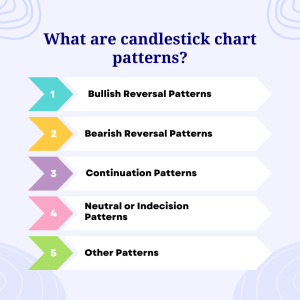
અહીં કેટલાક સામાન્ય કેન્ડલસ્ટિક ચાર્ટ પેટર્ન છે:
- બુલિશ રિવર્સલ પેટર્ન:
- બુલિશ એન્ગલફિંગ: ત્યારે થાય છે જ્યારે એક મોટી બુલિશ કેન્ડલસ્ટિક અગાઉના બેરિશ કેન્ડલસ્ટિકને સંપૂર્ણપણે એન્કલ કરે છે, જે બેરિશથી બુલિશ સેન્ટિમેન્ટ સુધી સંભવિત રિવર્સલ સૂચવે છે.
- હેમર: લાંબા નીચલા શેડો સાથે નાના શરીરની વિશેષતા છે અને કોઈ અપર શેડો નથી, જે ડાઉનટ્રેન્ડથી અપટ્રેન્ડ સુધી સંભવિત રિવર્સલને સૂચવે છે.
- બુલિશ હરમી: અગાઉના મોટી બુલિશ કેન્ડલસ્ટિકમાં શામેલ એક નાના બિયરિશ કેન્ડલસ્ટિકનો સમાવેશ થાય છે, જે સંભવિત રિવર્સલને સૂચવે છે.
- બિયરિશ રિવર્સલ પેટર્ન:
વિકલ્પોના સ્કેલ્પર માટે બિયરિશ રિવર્સલ પેટર્ન મહત્વપૂર્ણ છે કારણ કે તે અપટ્રેન્ડની સંભવિત સમાપ્તિ અને ડાઉનટ્રેન્ડની શરૂઆતનું સંકેત આપે છે. આ પેટર્નને ઓળખીને સ્કૅલ્પર્સને ડાઉનવર્ડ પ્રાઇસ મૂવમેન્ટનો લાભ લેવાની મંજૂરી આપે છે.
- બેરિશ એન્ગલ્ફિંગ: બુલિશ એન્ગલ્ફિંગની સામે, જ્યાં એક મોટી બેરિશ કેન્ડલસ્ટિક અગાઉના બુલિશ કેન્ડલસ્ટિકને સંપૂર્ણપણે એન્ગલ્ડ કરે છે, જે બુલિશથી બેરિશ સેન્ટિમેન્ટ તરફ સંભવિત રિવર્સલનો સંકેત આપે છે.
- શૂટિંગ સ્ટાર: હેમરની જેમ જ થાય છે પરંતુ અપટ્રેન્ડની ટોચ પર થાય છે, જે સંભવિત થાક અને ડાઉનટ્રેન્ડના રિવર્સલને સૂચવે છે.
- હરીશ હરમી: બુલિશ હરમીની સામે, અગાઉના મોટી હરીશ કેન્ડલસ્ટિકમાં સમાવિષ્ટ એક નાની બુલિશ કેન્ડલસ્ટિકનો સમાવેશ થાય છે, જે સંભવિત રિવર્સલનું સૂચન કરે છે.
- ચાલુ રાખવાની પેટર્ન:
ઑપ્શન્સ સ્કેલિંગમાં સાતત્યના પેટર્ન મહત્વપૂર્ણ છે કારણ કે તેઓ સંકેત આપે છે કે વર્તમાન ટ્રેન્ડ ચાલુ રહેવાની સંભાવના છે. આ સ્કૅલ્પર્સને ચાલુ મોમેન્ટમનો લાભ લેવામાં મદદ કરે છે.
- બુલિશ/બેરિશ ફ્લેગ: મજબૂત કિંમતના મૂવ પછી ટૂંકા ગાળાના એકીકરણનો તબક્કો શામેલ છે, જે લંબચોરસ-આકારની પેટર્ન બનાવે છે. અપટ્રેન્ડ દરમિયાન બુલિશ ફ્લૅગ થાય છે, જ્યારે મંદીમાં મંદીનો ધ્વજ દેખાય છે.
- બુલિશ/બેરિશ પેનેન્ટ્સ: ફ્લૅગની જેમ જ પરંતુ ટ્રેન્ડ લાઇન્સને રૂપાંતરિત કરીને ત્રિભુજ આકાર બનાવે છે.
- ન્યુટ્રલ અથવા ઇન્ડિસિઝન પેટર્ન:
ઑપ્શન્સ સ્કેલિંગમાં ન્યુટ્રલ અથવા ઇન્ડિસિઝન પેટર્ન આવશ્યક છે કારણ કે તેઓ માર્કેટ ઇન્ડિસિઝનના સમયગાળાનું સંકેત આપે છે જ્યાં આગામી પગલાની દિશા અનિશ્ચિત છે. આ પેટર્ન ખરીદદારો અને વેચાણકર્તાઓ વચ્ચે સંતુલનને સૂચવે છે અને ઘણીવાર નોંધપાત્ર કિંમતમાં ફેરફાર થાય છે. આ પેટર્નને ઓળખીને સ્કૅલ્પર્સને સમય પહેલાં ટ્રેડમાં દાખલ થવાનું ટાળવામાં અને સંભવિત બ્રેકઆઉટ માટે તૈયાર કરવામાં મદદ કરી શકે છે.
- દોજી: જ્યારે ખુલ્લી અને બંધ કિંમતો વર્ચ્યુઅલી હોય ત્યારે થાય છે, જેના પરિણામે ઉપર અને નીચલા છાજલીઓવાળા નાના શરીરમાં પરિણમે છે. ડોજી મીણબત્તીઓ બજારમાં અનિશ્ચિતતાનું સૂચન કરે છે અને તેમના સંદર્ભના આધારે સંભવિત રિવર્સલ અથવા સાતત્યનું સંકેત આપી શકે છે.
5. અન્ય પેટર્ન:
- મોર્નિંગ સ્ટાર: ત્રણ કેન્ડલસ્ટિક્સનો સમાવેશ કરે છે - એક મોટી બેરિશ કેન્ડલસ્ટિક, ત્યારબાદ એક નાના-બોડીવાળી કેન્ડલસ્ટિક (અથવા એક ડોજી) જે અનિચ્છનીયતા દર્શાવે છે, અને છેવટે, એક મોટી બુલિશ કેન્ડલસ્ટિક. તે બેરિશથી બુલિશ સુધીની સંભવિત રિવર્સલનું સંકેત આપે છે.
- ઇવનિંગ સ્ટાર: મૉર્નિંગ સ્ટાર પેટર્નની સામે, બુલિશથી બેરિશ સેન્ટિમેન્ટ સુધી સંભવિત રિવર્સલને સૂચવે છે
11.3. ચાર્ટ પેટર્નના મુખ્ય સૂચકો

1. મૂવિંગ એવરેજ ચાર્ટ પેટર્ન
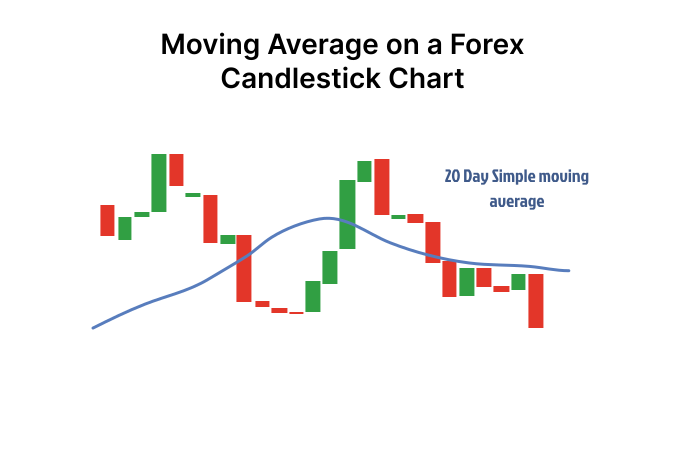
મૂવિંગ એવરેજને સામાન્ય રીતે ચાર્ટ પેટર્ન તરીકે ગણવામાં આવતા નથી જેમ કે કે કેન્ડલસ્ટિક નિર્માણ છે. તેના બદલે, મૂવિંગ એવરેજ એ ટેક્નિકલ ઇન્ડિકેટર છે જેનો ઉપયોગ ચોક્કસ સમયગાળામાં પ્રાઇસ ડેટાને સરળ બનાવવા અને ટ્રેન્ડને ઓળખવામાં મદદ કરવા માટે કરવામાં આવે છે.
જો કે, મૂવિંગ એવરેજ ચોક્કસ ચાર્ટ પેટર્નનો ભાગ હોઈ શકે છે અથવા સિગ્નલની પુષ્ટિ કરવા માટે તેમની સાથે સંયોજનમાં ઉપયોગમાં લઈ શકાય છે. અહીં કેટલાક ઉદાહરણો છે:
- ટ્રેન્ડ કન્ફર્મેશન:
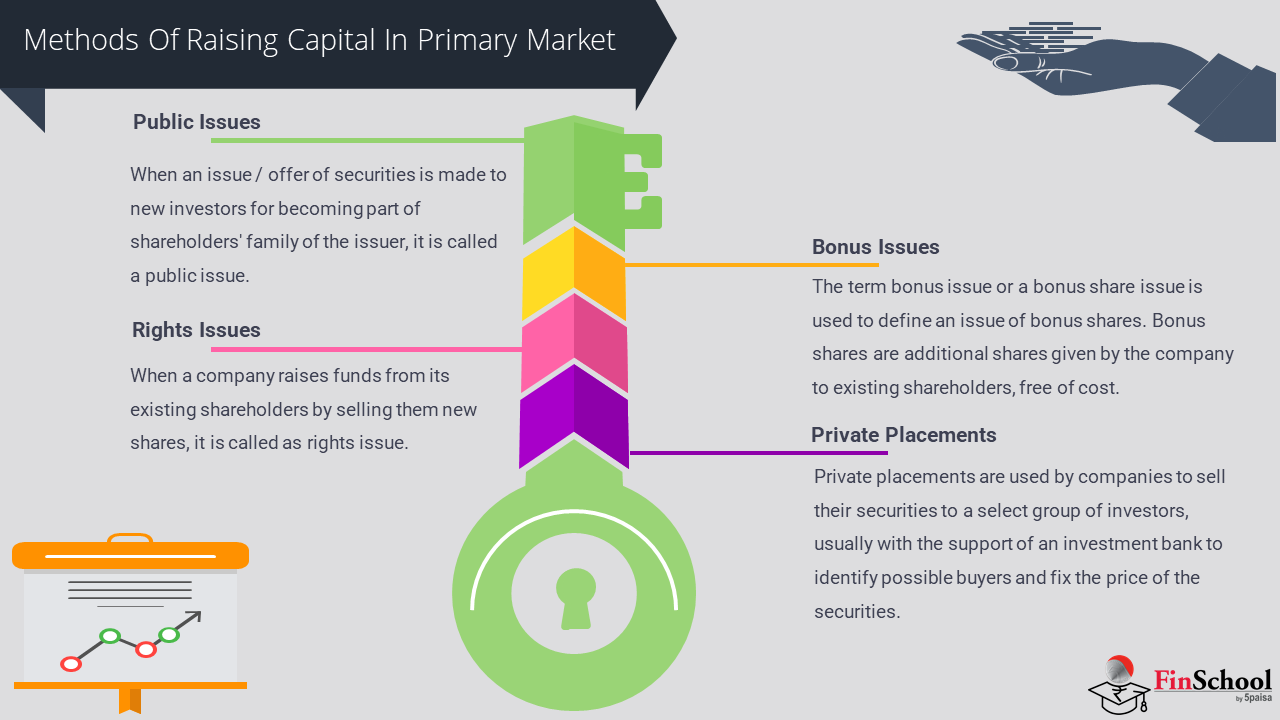
- મૂવિંગ એવરેજ ક્રૉસઓવર: જ્યારે શૉર્ટ-ટર્મ મૂવિંગ એવરેજ લાંબા ગાળાના મૂવિંગ એવરેજ કરતાં વધી જાય છે (દા.ત., 200-દિવસના મૂવિંગ એવરેજથી 50-દિવસને પાર કરે છે), ત્યારે તે અપટ્રેંડની શરૂઆતનું સંકેત આપી શકે છે. તેનાથી વિપરીત, જ્યારે ટૂંકા ગાળાના મૂવિંગ એવરેજ લાંબા ગાળાના મૂવિંગ એવરેજથી નીચે જાય છે, ત્યારે તે ડાઉનટ્રેન્ડની શરૂઆત સૂચવે છે.
- સપોર્ટ અને રેઝિસ્ટન્સ:
- બાઉન્સ ઑફ મૂવિંગ એવરેજ: કિંમતો ઘણીવાર મૂવિંગ એવરેજમાંથી બાઉન્સ કરે છે, ખાસ કરીને નોંધપાત્ર મનોવૈજ્ઞાનિક અથવા તકનીકી મહત્વ ધરાવતા લોકો, જેમ કે 50-દિવસ અથવા 200-દિવસ મૂવિંગ એવરેજ. જ્યારે કિંમતો આ મૂવિંગ એવરેજનો સંપર્ક કરે છે, ત્યારે વેપારીઓ સંભવિત રિવર્સલ અથવા સાતત્યની અપેક્ષા રાખવા માટે સપોર્ટ અથવા રેઝિસ્ટન્સના લક્ષણો શોધી શકે છે.
- ટ્રેન્ડની શક્તિ:
- મૂવિંગ એવરેજનો ઢોળાવ: મૂવિંગ એવરેજનો ઢોળાવ ટ્રેન્ડની તાકાત વિશે જાણકારી પ્રદાન કરી શકે છે. ભારે વધતું મૂવિંગ એવરેજ મજબૂત અપટ્રેન્ડ સૂચવે છે, જ્યારે તીવ્ર ઘટતી મૂવિંગ એવરેજ મજબૂત ડાઉનટ્રેન્ડ સૂચવે છે. તેનાથી વિપરીત, સપાટ અથવા સાઇડવે-મૂવિંગ એવરેજ એકીકરણ અથવા નબળા વલણને સૂચવી શકે છે.
જ્યારે મૂવિંગ એવરેજ પોતે ચાર્ટ પેટર્ન નથી, ત્યારે તે બહુમુખી ટૂલ્સ છે જે અતિરિક્ત પુષ્ટિકરણ અથવા સંદર્ભ પ્રદાન કરીને વિવિધ ચાર્ટ પેટર્નને પૂર્ણ કરી શકે છે. વેપારીઓ ઘણીવાર વધુ માહિતગાર ટ્રેડિંગ નિર્ણયો લેવા માટે અન્ય તકનીકી વિશ્લેષણ તકનીકોના સંયોજનમાં મૂવિંગ એવરેજનો ઉપયોગ કરે છે.
2. રિલેટિવ સ્ટ્રેન્થ ઇન્ડેક્સ
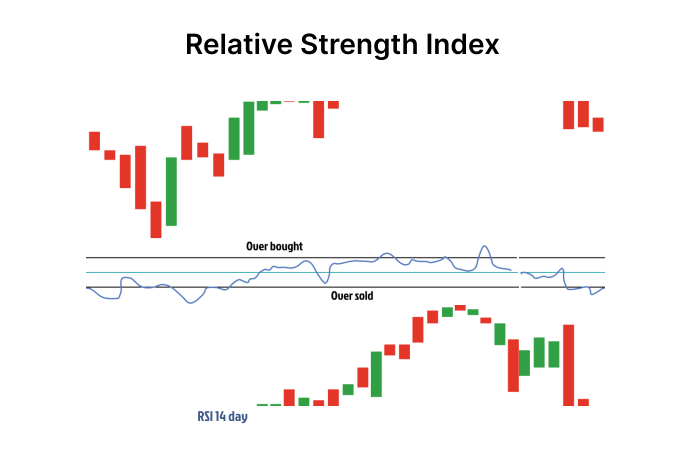
રિલેટિવ સ્ટ્રેન્થ Index (RSI) એ એક લોકપ્રિય મોમેન્ટમ ઑસિલેટર છે જેનો ઉપયોગ કિંમતની હિલચાલની ઝડપ અને ફેરફારને માપવા માટે તકનીકી વિશ્લેષણમાં કરવામાં આવે છે. જે. વેલ્સ વિલ્ડર દ્વારા વિકસિત, RSI ની ગણતરી ચોક્કસ સમયગાળા (સામાન્ય રીતે 14 સમયગાળા) માં સરેરાશ લાભ અને સરેરાશ નુકસાનનો ઉપયોગ કરીને કરવામાં આવે છે, અને તે 0 અને 100 ની વચ્ચે ઓસિલિટેટ થાય છે.
સામાન્ય રીતે આરએસઆઈનું અર્થઘટન અને ઉપયોગ કેવી રીતે કરવામાં આવે છે તે અહીં આપેલ છે:
ઓવરબૉટ અને ઓવરસોલ્ડ પરિસ્થિતિઓ:
- જ્યારે આરએસઆઈ મૂલ્ય 70 થી વધુ હોય, ત્યારે તેને ઓવરબૉટ માનવામાં આવે છે, જે સૂચવે છે કે સંપત્તિ પુલબૅક અથવા રિવર્સલ માટે હોઈ શકે છે.
- તેનાથી વિપરીત, જ્યારે RSI 30 થી નીચે આવે છે, ત્યારે તેને ઓવરસોલ્ડ માનવામાં આવે છે, જે સૂચવે છે કે સંપત્તિનું મૂલ્ય ઓછું કરી શકાય છે અને બાઉન્સ અથવા રિવર્સલ માટે દેય હોઈ શકે છે.
ટ્રેન્ડ કન્ફર્મેશન:
- RSI વિવિધતા: RSI અને કિંમતની હિલચાલ વચ્ચેનો તફાવત સંભવિત ટ્રેન્ડ રિવર્સલને સંકેત આપી શકે છે. જ્યારે કિંમત ઓછી થાય ત્યારે બુલિશ ડાયવર્જન્સ થાય છે, પરંતુ આરએસઆઈ ઉચ્ચ નીચા બનાવે છે, જે મંદીની ગતિને નબળા બનાવીને સૂચવે છે. તેનાથી વિપરીત, જ્યારે કિંમત ઉચ્ચ હોય ત્યારે બિયરિશ ડાઇવર્જન્સ થાય છે, પરંતુ આરએસઆઈ ઓછી ઊંચી બનાવે છે, જે નબળા બુલિશ ગતિને સૂચવે છે.
ટ્રેન્ડની શક્તિ:
- આરએસઆઇ રેન્જ: તેની રેન્જમાં આરએસઆઇની સ્થિતિ ટ્રેન્ડની તાકાત વિશે જાણકારી પ્રદાન કરી શકે છે. મજબૂત અપટ્રેન્ડમાં, આરએસઆઈ ઉપલી શ્રેણીમાં (50 થી વધુ) રહે છે, જ્યારે મજબૂત ડાઉનટ્રેન્ડમાં, તે ઓછી શ્રેણીમાં રહે છે (50 થી નીચે). ઉપરથી 50 થી નીચે અથવા 50 થી નીચેથી એક પગલું ટ્રેન્ડ મોમેન્ટમમાં સંભવિત ફેરફારનું સંકેત આપી શકે છે.
ટ્રેડિંગ સિગ્નલ્સ:
- ઓવરબૉટ/ઓવરસોલ્ડ રિવર્સલ: સંભવિત ટૂંકી તકો માટે વેપારીઓ 70 થી વધુ આરએસઆઈ રીડિંગ અને સંભવિત ખરીદીની તકો માટે 30 થી નીચેના રીડિંગ શોધી શકે છે.
- બુલિશ અને બિયરિશ આરએસઆઇ ક્રોસ: ચોક્કસ સ્તરથી ઉપર અથવા નીચે આરએસઆઇના ક્રોસ (દા.ત., 50) નો ઉપયોગ ટ્રેડિંગ સિગ્નલ તરીકે કરી શકાય છે. ઉદાહરણ તરીકે, 50 થી વધુ બુલિશ ક્રૉસ બેરિશથી બુલિશ મોમેન્ટમમાં શિફ્ટ થવાનું સંકેત આપી શકે છે, જ્યારે 50 થી નીચે બેરિશ ક્રૉસ બુલિશથી બેરિશ મોમેન્ટમમાં શિફ્ટનો સંકેત આપી શકે છે.
અન્ય ઇન્ડિકેટર્સ સાથે કન્ફર્મેશન:
- ટ્રેડિંગ સિગ્નલની પુષ્ટિ કરવા અને એકંદર બજારની સ્થિતિઓનું મૂલ્યાંકન કરવા માટે આરએસઆઈનો ઉપયોગ અન્ય તકનીકી સૂચકાંકો, જેમ કે મૂવિંગ એવરેજ અથવા વોલ્યુમ વિશ્લેષણ સાથે કરી શકાય છે.
- રિલેટિવ સ્ટ્રેન્થ Index એક બહુમુખી ટૂલ છે જે વિવિધ ટ્રેડિંગ વ્યૂહરચનાઓ અને સમયસીમાઓ પર લાગુ કરી શકાય છે. જો કે, તમામ ટેક્નિકલ ઇન્ડિકેટર્સની જેમ, તેનો ઉપયોગ શ્રેષ્ઠ પરિણામો માટે અન્ય વિશ્લેષણ તકનીકો અને રિસ્ક વ્યવસ્થાપન પ્રથાઓના સંયોજનમાં થવો જોઈએ.
3. વૉલ્યુમ વેટેડ મૂવિંગ એવરેજ

વૉલ્યુમ વેટેડ મૂવિંગ એવરેજ (VWMA) એક ટેક્નિકલ ઇન્ડિકેટર છે જે ચોક્કસ સમયગાળામાં સરેરાશ કિંમતોનું વધુ સચોટ પ્રતિનિધિત્વ પ્રદાન કરવા માટે કિંમત અને વૉલ્યુમ ડેટાને જોડે છે. પરંપરાગત મૂવિંગ એવરેજથી વિપરીત, જે દરેક પ્રાઇસ ડેટા પોઇન્ટને સમાન વજન આપે છે, VWMA ઊંચા ટ્રેડિંગ વોલ્યુમ સાથે સમયગાળા માટે વધુ વજન આપે છે.
વૉલ્યુમ વેટેડ મૂવિંગ એવરેજની ગણતરી અને ઉપયોગ કેવી રીતે કરવામાં આવે છે તે અહીં આપેલ છે:
- ગણતરી:
દરેક સમયગાળા માટે, VWMA ની ગણતરી સંબંધિત વૉલ્યુમ દ્વારા તે સમયગાળા માટે કિંમતને ગુણાકાર કરીને અને પછી આ સમયગાળા માટે કુલ વૉલ્યુમ દ્વારા આ મૂલ્યોની રકમને વિભાજિત કરીને કરવામાં આવે છે. ગાણિતિક રીતે, તેનું પ્રતિનિધિત્વ આ રીતે કરી શકાય છે:
VWMA = (કિંમત x વૉલ્યુમi) n વૉલ્યુમ I
વીડબલ્યુએમએની ગણતરી સામાન્ય રીતે ચોક્કસ લુકબૅક સમયગાળામાં કરવામાં આવે છે, જેમ કે 10, 20, અથવા 50 સમયગાળા.
અર્થઘટન:
- ટ્રેન્ડ ઓળખ: અન્ય મૂવિંગ એવરેજની જેમ, VWMA નો ઉપયોગ સંપત્તિની કિંમતમાં ટ્રેન્ડને ઓળખવા માટે કરવામાં આવે છે. જ્યારે વીડબલ્યુએમએ ઉપર ઢીલી રહ્યું છે, ત્યારે તે બુલિશ ટ્રેન્ડ સૂચવે છે, જ્યારે નીચલી ઢોળ બેરિશ ટ્રેન્ડ સૂચવે છે.
- વૉલ્યુમની પુષ્ટિ: કારણ કે VWMA તેની ગણતરીમાં વૉલ્યુમને ધ્યાનમાં લે છે, તે કિંમતની હિલચાલની અતિરિક્ત પુષ્ટિ પ્રદાન કરે છે. ઉચ્ચ વૉલ્યુમ સાથે VWMA માં વધારો મજબૂત ખરીદી અથવા વેચાણનું દબાણ સૂચવે છે, જે કિંમતની ચાલનું મહત્વ વધારે છે.
- સપોર્ટ અને રેઝિસ્ટન્સ: VWMA ડાયનેમિક સપોર્ટ અથવા રેઝિસ્ટન્સ લેવલ તરીકે કાર્ય કરી શકે છે, ખાસ કરીને ટ્રેન્ડિંગ બજારો દરમિયાન. વેપારીઓ VWMA લાઇન સાથે કિંમતની ક્રિયાપ્રતિક્રિયાઓના આધારે સંભવિત પ્રવેશ અથવા બહાર નીકળવાના બિંદુઓને ઓળખવા માટે VWMA નો ઉપયોગ કરી શકે છે.
ટ્રેડિંગ વ્યૂહરચનાઓ:
- ટ્રેન્ડ નીચે મુજબ છે: ટ્રેડર્સ ટ્રેન્ડની દિશામાં ટ્રેડમાં દાખલ કરવા અથવા બહાર નીકળવા માટે સિગ્નલ તરીકે વીડબલ્યુએમએ ક્રૉસઓવરનો ઉપયોગ કરી શકે છે. ઉદાહરણ તરીકે, VWMA થી ઉપરની કિંમતનું બુલિશ ક્રોસઓવર ખરીદીની તકનું સંકેત આપી શકે છે, જ્યારે બેરિશ ક્રોસઓવર વેચાણની તકનો સંકેત આપી શકે છે.
- વૉલ્યુમ કન્ફર્મેશન: ટ્રેડરો ટ્રેન્ડની મજબૂતાઈની પુષ્ટિ કરવા માટે વીડબ્લ્યુએમએ અને વૉલ્યુમમાં વધારો કરીને પ્રાઇસ મૂવ શોધી શકે છે. તેનાથી વિપરીત, વીડબ્લ્યુએમએ અને વૉલ્યુમમાં ઘટાડો કરવાથી નબળી ગતિ અને સંભવિત ટ્રેન્ડ રિવર્સલનો સંકેત મળી શકે છે.
સંવેદનશીલતા ઍડજસ્ટ કરી રહ્યા છીએ:
- અન્ય મૂવિંગ એવરેજની જેમ, વીડબલ્યુએમએની સંવેદનશીલતા લુકબૅક સમયગાળાને બદલીને સમાયોજિત કરી શકાય છે. ટૂંકા લુકબૅક પીરિયડના પરિણામે વધુ રિસ્પોન્સિવ વીડબલ્યુએમએ લાઇનો થાય છે જે તાજેતરની કિંમત અને વૉલ્યુમ મૂવમેન્ટને નજીકથી ટ્રૅક કરે છે, જ્યારે લાંબા લુકબૅક પીરિયડ સરળ લાઇનોનું નિર્માણ કરે છે જે ટૂંકા ગાળાની વધઘટ માટે ઓછી સંવેદનશીલ છે.
- એકંદરે, વૉલ્યુમ વેટેડ મૂવિંગ એવરેજ એ વેપારીઓ માટે એક મૂલ્યવાન સાધન છે જે તેમના ટેક્નિકલ એનાલિસિસ ટૂલકિટમાં વૉલ્યુમ વિશ્લેષણને શામેલ કરવા માંગે છે. તે કિંમતના વલણો, સપોર્ટ અને રેઝિસ્ટન્સ લેવલ અને કિંમતની હિલચાલની શક્તિ વિશે જાણકારી પ્રદાન કરે છે, જે વેપારીઓને વધુ માહિતગાર ટ્રેડિંગ નિર્ણયો લેવામાં મદદ કરે છે.
4. સુપર ટ્રેન્ડ
સુપરટ્રેન્ડ ઇન્ડિકેટર એક લોકપ્રિય ટેક્નિકલ એનાલિસિસ ટૂલ છે જેનો ઉપયોગ ફાઇનાન્શિયલ બજારોમાં ટ્રેન્ડ અને સંભવિત ટ્રેન્ડ રિવર્સલને ઓળખવા માટે કરવામાં આવે છે. તે વેપારીઓને પ્રવર્તમાન ટ્રેન્ડની દિશા નિર્ધારિત કરવામાં મદદ કરે છે અને પ્રાઇસ ઍક્શનના આધારે એન્ટ્રી અને એક્ઝિટ સિગ્નલ પ્રદાન કરે છે.
સુપરટ્રેન્ડ ઇન્ડિકેટર કેવી રીતે કામ કરે છે તે અહીં આપેલ છે:
- ગણતરી:
- સુપરટ્રેન્ડ બે મુખ્ય પરિમાણો પર આધારિત છે: સમયગાળો (સામાન્ય રીતે 7 અથવા 10 પર સેટ કરવામાં આવે છે) અને મલ્ટિપ્લાયર (સામાન્ય રીતે 3 અથવા 2 પર સેટ કરવામાં આવે છે). આ પરિમાણોને વેપારીની પસંદગીઓ અને બજારના વિશ્લેષણની લાક્ષણિકતાઓના આધારે સમાયોજિત કરી શકાય છે.
સુપરટ્રેન્ડ ઇન્ડિકેટરની ગણતરી બે પગલાંમાં કરવામાં આવે છે:
ટ્રૂ રેન્જ (ટીઆર): સાચી રેન્જ બજારની અસ્થિરતાને માપે છે અને નીચેનામાંથી વધુ છે:
- વર્તમાન ઉચ્ચ માઇનસ કરન્ટ લો
- પાછલા બંધને બાદ કરતા વર્તમાન ઉચ્ચનું સંપૂર્ણ મૂલ્ય
- વર્તમાન ઓછા માઇનસ અગાઉના બંધનું સંપૂર્ણ મૂલ્ય
બેસિક અપર બૅન્ડ (યુબી) અને બેસિક લોઅર બૅન્ડ (એલબી):
- મૂળભૂત ઉપલા બેન્ડ (યુબી)ની ગણતરી સાચી રેન્જના ઉત્પાદનને બાદ કરીને અને ઉચ્ચ કિંમતથી ગુણાકાર કરીને કરવામાં આવે છે.
- મૂળભૂત લોઅર બેન્ડ (LB) ની ગણતરી સાચી રેન્જ અને ઓછા કિંમતમાં ગુણકના પ્રૉડક્ટને ઉમેરીને કરવામાં આવે છે.
છેવટે, સુપરટ્રેન્ડ વેલ્યૂ નિર્ધારિત કરવામાં આવે છે:
- અપટ્રેન્ડ્સ માટે, સુપરટ્રેન્ડ વેલ્યૂ મૂળભૂત અપર બેન્ડ છે.
- ડાઉનટ્રેન્ડ્સ માટે, સુપરટ્રેન્ડ વેલ્યૂ મૂળભૂત લોઅર બેન્ડ છે.
અર્થઘટન:
- ટ્રેન્ડની ઓળખ: જ્યારે કિંમત સુપરટ્રેન્ડ લાઇનથી ઉપર હોય, ત્યારે તે અપટ્રેન્ડ સૂચવે છે, જ્યારે સુપરટ્રેન્ડ લાઇનની નીચેની કિંમત ડાઉનટ્રેન્ડને સૂચવે છે.
- સિગ્નલ જનરેશન: જ્યારે કિંમત સુપરટ્રેન્ડ લાઇનની ઉપર બંધ થાય છે ત્યારે સુપરટ્રેન્ડ ખરીદી સિગ્નલ બનાવી શકે છે અને જ્યારે કિંમત સુપરટ્રેન્ડ લાઇનની નીચે બંધ થાય છે ત્યારે સિગ્નલ વેચી શકે છે. આ સિગ્નલ વેપારીઓને પ્રવર્તમાન ટ્રેન્ડની દિશામાં પોઝિશનમાં પ્રવેશ અને બહાર નીકળવામાં મદદ કરે છે.
એડજસ્ટમેન્ટ:
- સુપરટ્રેન્ડ ઇન્ડિકેટરની સંવેદનશીલતા સમયગાળો અને મલ્ટિપ્લાયર પરિમાણો બદલીને ગોઠવી શકાય છે. ટૂંકા સમયગાળા અને ઉચ્ચ મલ્ટિપ્લાયર વધુ રિસ્પોન્સિવ સુપરટ્રેન્ડ લાઇનમાં પરિણમે છે જે કિંમતની હિલચાલને નજીકથી ટ્રૅક કરે છે, જ્યારે લાંબા સમયગાળા અને ઓછા મલ્ટિપ્લાયર સરળ લાઇન ઉત્પન્ન કરે છે જે ટૂંકા ગાળાની વધઘટ માટે ઓછા સંવેદનશીલ છે.
રિસ્ક મેનેજમેન્ટ:
- વેપારીઓ ઘણીવાર સુપરટ્રેન્ડ લાઇનના આધારે સ્ટૉપ-લૉસ ઑર્ડર મૂકીને તેમની રિસ્ક મેનેજમેન્ટ વ્યૂહરચનાના ભાગ રૂપે સુપરટ્રેન્ડનો ઉપયોગ કરે છે. લાંબી સ્થિતિઓ માટે, સ્ટૉપ-લૉસ સુપરટ્રેન્ડ લાઇનની નીચે મૂકી શકાય છે, જ્યારે ટૂંકી સ્થિતિઓ માટે, તેને સુપરટ્રેન્ડ લાઇનની ઉપર મૂકી શકાય છે.
- સુપરટ્રેન્ડ ઇન્ડિકેટર એક બહુમુખી ટૂલ છે જેનો ઉપયોગ વિવિધ સમયસીમાઓ અને વિવિધ બજારોમાં કરી શકાય છે. જો કે, કોઈપણ ટેક્નિકલ ઇન્ડિકેટરની જેમ, તેનો ઉપયોગ શ્રેષ્ઠ પરિણામો માટે અન્ય વિશ્લેષણ તકનીકો અને રિસ્ક વ્યવસ્થાપન પ્રથાઓના સંયોજનમાં કરવો જોઈએ.
5. વેઇટેડ મૂવિંગ એવરેજ

વેઇટેડ મૂવિંગ એવરેજ (WMA) એ એક પ્રકારનું મૂવિંગ એવરેજ છે જે ગણતરીના સમયગાળામાં દરેક ડેટા પૉઇન્ટને વિવિધ વજન આપે છે. સિમ્પલ મૂવિંગ એવરેજ (SMA)થી વિપરીત, જ્યાં તમામ ડેટા પૉઇન્ટ સમાન રીતે ભારિત હોય છે, WMAs તાજેતરના ડેટા પૉઇન્ટને વધુ વજન આપે છે, જે તેમને તાજેતરની કિંમતની હલનચલન માટે વધુ જવાબદાર બનાવે છે.
વેટેડ મૂવિંગ એવરેજની ગણતરી કેવી રીતે કરવામાં આવે છે તે અહીં આપેલ છે:
- વેટ નક્કી કરો: દરેક ડેટા પૉઇન્ટને સોંપેલ વજન પસંદ કરેલા સમયગાળા પર આધારિત છે. સામાન્ય રીતે, તાજેતરના ડેટા પૉઇન્ટનું વજન વધુ હોય તે રીતે વજન સોંપવામાં આવે છે, જ્યારે જૂના ડેટા પૉઇન્ટનું વજન ઓછું હોય છે. વજનની રકમ સામાન્ય રીતે સમયગાળાની લંબાઈ સમાન હોય છે.
- વેટેડ એવરેજની ગણતરી કરો: ગણતરીના સમયગાળામાં દરેક ડેટા પૉઇન્ટ માટે:
- દરેક ડેટા પૉઇન્ટની કિંમતને તેના સંબંધિત વજન દ્વારા ગુણાકાર કરો.
- પાછલા પગલાંમાં મેળવેલ પ્રૉડક્ટ્સનો સરવાળો.
- વજનની કુલ સંખ્યા દ્વારા રકમને વિભાજિત કરો.
ગાણિતિક રીતે, ભારિત મૂવિંગ એવરેજ (WMA) ની ગણતરી માટે ફોર્મ્યુલા છે:
WMA = (P1×w1)+(P2×w2)+...+(Pn×wn)w1+w2+...+wnWMA=w1+w2+...+wn(P1×w1)+(P2×w2)+...+(Pn×w)
- જ્યાં:
- P1,2,...,PnP1,P2,...,Pn એ ગણતરીના સમયગાળાની અંદર ડેટા પૉઇન્ટની કિંમતો છે.
- w1,2,...,wnw1,w2,...,wn દરેક ડેટા પૉઇન્ટને અસાઇન કરેલ વજન છે.
- 𝑛n ગણતરીના સમયગાળાની અંદર ડેટા પૉઇન્ટની સંખ્યા છે.
અર્થઘટન:
- વેટેડ મૂવિંગ એવરેજ સરળ મૂવિંગ એવરેજની તુલનામાં તાજેતરની કિંમતની હલનચલન માટે વધુ જવાબદાર છે. તેથી, તેઓ ટ્રેન્ડની દિશામાં ફેરફારો પર વધુ ઝડપથી પ્રતિસાદ આપે છે.
- દરેક ડેટા પૉઇન્ટને સોંપેલ વિશિષ્ટ વજન વેપારીની પસંદગીઓ અને વિશ્લેષણ કરવામાં આવતા બજારની લાક્ષણિકતાઓના આધારે અલગ હોઈ શકે છે.
- વેપારીઓ ઘણીવાર અન્ય તકનીકી સૂચકાંકો સાથે સંયોજનમાં અથવા ટ્રેન્ડ, સંભવિત એન્ટ્રી અથવા એક્ઝિટ પૉઇન્ટને ઓળખવા અને કિંમતની વધઘટને સરળ બનાવવા માટે વ્યાપક ટ્રેડિંગ વ્યૂહરચનાના ભાગ રૂપે વેઇટેડ મૂવિંગ એવરેજનો ઉપયોગ કરે છે.
રિસ્ક મેનેજમેન્ટ:
- રિસ્ક મેનેજમેન્ટ હેતુઓ માટે પણ વેઇટેડ મૂવિંગ એવરેજનો ઉપયોગ કરી શકાય છે. વેપારીઓ ડબલ્યુએમએને ગતિશીલ સપોર્ટ અથવા રેઝિસ્ટન્સ લેવલ તરીકે ઉપયોગ કરી શકે છે, જે જોખમનું સંચાલન કરવા માટે સ્ટૉપ-લૉસ ઑર્ડર આપે છે.
- વેઇટેડ મૂવિંગ એવરેજ એ અન્યની વચ્ચે માત્ર એક પ્રકારની મૂવિંગ એવરેજ છે, દરેકની પોતાની લાક્ષણિકતાઓ અને ટેક્નિકલ એનાલિસિસમાં એપ્લિકેશનો છે. તેઓ બહુમુખી સાધનો છે જેને વિવિધ ટ્રેડિંગ શૈલીઓ અને સમયફ્રેમ્સ સાથે અનુકૂળ કરી શકાય છે.
6. પેરાબોલિક એસએઆર
પેરાબોલિક એસએઆર (સ્ટૉપ અને રિવર્સ) એક ટેક્નિકલ ઇન્ડિકેટર છે જેનો ઉપયોગ મુખ્યત્વે પ્રાઇસ મૂવમેન્ટની દિશામાં સંભવિત રિવર્સલને ઓળખવા માટે કરવામાં આવે છે. તે જે. વેલ્સ વાઇલ્ડર દ્વારા વિકસિત કરવામાં આવ્યું હતું અને ખાસ કરીને ટ્રેન્ડ-ફૉલો કરતા વેપારીઓમાં લોકપ્રિય છે. વલણની દિશાના આધારે, પેરાબોલિક એસએઆર ભાવ મીણબત્તીઓથી ઉપર અથવા નીચે બિંદુઓની શ્રેણી તરીકે દેખાય છે.
પેરાબોલિક એસએઆર કેવી રીતે કામ કરે છે તે અહીં આપેલ છે:
ગણતરી:
પેરબોલિક એસએઆરની ગણતરી અગાઉના સમયગાળાના એસએઆર મૂલ્ય અને ઍક્સિલરેશન પરિબળ (એએફ) ના આધારે કરવામાં આવે છે. AF સામાન્ય રીતે નાના મૂલ્યથી શરૂ થાય છે (દા.ત., 0.02) અને દરેક સમયગાળા (દા.ત., 0.02 સુધી) મહત્તમ મૂલ્ય સુધી વધે છે (દા.ત., 0.20).
એસએઆરની ગણતરી માટે ફોર્મ્યુલા પુનરાવર્તિત છે અને તે વર્તમાન વલણ ઉપર અથવા નીચે છે તેના પર આધારિત છે:
- અપટ્રેન્ડ્સ માટે, આ ફોર્મ્યુલાનો ઉપયોગ કરીને એસએઆર મૂલ્યની ગણતરી કરવામાં આવે છે: સારૂપ = પૂર્વ એસએઆર + પૂર્વ AF × (પૂર્વ EP − એસએઆર)
- ડાઉનટ્રેન્ડ્સ માટે, એસએઆર મૂલ્યની ગણતરી આ ફોર્મ્યુલાનો ઉપયોગ કરીને કરવામાં આવે છે: SARdown = પૂર્વ એસએઆર − AF × (પૂર્વ એસએઆર − EP)
- ઇપી (અત્યંત બિંદુ) એ વર્તમાન વલણ દરમિયાન સૌથી વધુ ઊંચો (અપ્ટ્રેન્ડમાં) અથવા સૌથી ઓછો (ડાઉનટ્રેન્ડમાં) છે.
અર્થઘટન:
- ટ્રેન્ડ ડાયરેક્શન: પેરાબૉલિક એસએઆર ડૉટ્સ ડાઉનટ્રેન્ડ દરમિયાન અપટ્રેન્ડ દરમિયાન અને પ્રાઇસ કેન્ડલ્સથી ઉપરની પ્રાઇસ કેન્ડલ્સથી નીચે દેખાય છે. જ્યારે ડૉટ્સ બાજુમાં સ્વિચ કરે છે, ત્યારે તે સંભવિત ટ્રેન્ડ રિવર્સલનું સૂચન કરે છે.
- પ્રવેશ અને બહાર નીકળવાના સંકેતો: વેપારીઓ પ્રવેશ અને બહાર નીકળવાના સંકેતો બનાવવા માટે પેરાબોલિક એસએઆરનો ઉપયોગ કરે છે. ઉદાહરણ તરીકે, જ્યારે એસએઆર ડૉટ્સ કિંમતની મીણબત્તીઓથી નીચે હોય, ત્યારે તેને ખરીદીનું સિગ્નલ માનવામાં આવે છે, અને વેપારીઓ લાંબી પોઝિશનમાં દાખલ થઈ શકે છે. તેનાથી વિપરીત, જ્યારે એસએઆર ડૉટ્સ કિંમત મીણબત્તીઓથી વધુ હોય, ત્યારે તેને વેચાણ સિગ્નલ માનવામાં આવે છે, અને વેપારીઓ ટૂંકી પોઝિશનમાં પ્રવેશ કરી શકે છે.
- ટ્રાઇલિંગ સ્ટૉપ: પેરાબોલિક એસએઆર એક ટ્રેલિંગ સ્ટૉપ-લૉસ મિકેનિઝમ તરીકે પણ કાર્ય કરે છે. જેમ ટ્રેન્ડ આગળ વધે છે, એસએઆર ડૉટ્સ કિંમત મીણબત્તીઓની નજીક જાય છે, જે ટ્રેન્ડ સાથે ઍડજસ્ટ કરતું ગતિશીલ સ્ટૉપ-લૉસ લેવલ પ્રદાન કરે છે.
- એડજસ્ટમેન્ટ:
- ટ્રેડર્સ પેરાબોલિક એસએઆર ઇન્ડિકેટરની સંવેદનશીલતાને નિયંત્રિત કરવા માટે ઍક્સિલરેશન ફેક્ટર (એએફ) ને ઍડજસ્ટ કરી શકે છે. એક નાની AF વેલ્યૂ એસએઆરને કિંમતની હલનચલન માટે વધુ સંવેદનશીલ બનાવે છે પરંતુ તેના પરિણામે વધુ વ્હિપસો થઈ શકે છે, જ્યારે મોટી AF વેલ્યૂ એસએઆરને ઓછી સંવેદનશીલ બનાવે છે પરંતુ કિંમતની હલનચલનની પાછળ રહી શકે છે.
રિસ્ક મેનેજમેન્ટ:
- ટ્રેડર્સ ઘણીવાર જોખમનું સંચાલન કરવા માટે પેરાબોલિક એસએઆરનો ગતિશીલ સ્ટૉપ-લૉસ લેવલ તરીકે ઉપયોગ કરે છે. લાંબા પોઝિશન માટે, એસએઆર ડૉટ્સ પ્રાઇસ કેન્ડલ્સની નીચે ટ્રેલિંગ સ્ટૉપ તરીકે કાર્ય કરે છે, જ્યારે ટૂંકી પોઝિશન માટે, તેઓ પ્રાઇસ કેન્ડલ્સથી ઉપર ટ્રેલિંગ સ્ટૉપ તરીકે કાર્ય કરે છે.
- એકંદરે, પેરાબોલિક એસએઆર એક બહુમુખી ઇન્ડિકેટર છે જે વેપારીઓને ટ્રેન્ડ, સંભવિત રિવર્સલ પૉઇન્ટને ઓળખવામાં અને જોખમને અસરકારક રીતે મેનેજ કરવામાં મદદ કરે છે. જો કે, કોઈપણ ટેક્નિકલ ઇન્ડિકેટરની જેમ, તેનો ઉપયોગ શ્રેષ્ઠ પરિણામો માટે અન્ય વિશ્લેષણ તકનીકો અને રિસ્ક વ્યવસ્થાપન પ્રથાઓના સંયોજનમાં કરવો જોઈએ.
મુખ્ય ટેકઅવે
- ચાર્ટ પેટર્ન એ રિકરિંગ ફોર્મેશન અથવા કન્ફિગરેશન છે જે ફાઇનાન્શિયલ સંપત્તિઓના ભાવ ચાર્ટ પર દેખાય છે, જેમ કે સ્ટૉક, કરન્સી, કોમોડિટીઝ અને સૂચકાંકો.
- કેન્ડલસ્ટિક ચાર્ટ પેટર્ન એ કેન્ડલસ્ટિક શેપ અને એરેન્જમેન્ટના વિશિષ્ટ સ્વરૂપો છે જે પ્રાઇસ ચાર્ટ પર દેખાય છે.
- મૂવિંગ એવરેજને સામાન્ય રીતે ચાર્ટ પેટર્ન તરીકે ગણવામાં આવતા નથી જેમ કે કે કેન્ડલસ્ટિક નિર્માણ છે. તેના બદલે, મૂવિંગ એવરેજ એ ટેક્નિકલ ઇન્ડિકેટર છે જેનો ઉપયોગ ચોક્કસ સમયગાળામાં પ્રાઇસ ડેટાને સરળ બનાવવા અને ટ્રેન્ડને ઓળખવામાં મદદ કરવા માટે કરવામાં આવે છે.
- રિલેટિવ સ્ટ્રેન્થ Index (RSI) એ એક લોકપ્રિય મોમેન્ટમ ઑસિલેટર છે જેનો ઉપયોગ કિંમતની હિલચાલની ઝડપ અને ફેરફારને માપવા માટે તકનીકી વિશ્લેષણમાં કરવામાં આવે છે. જે. વેલ્સ વિલ્ડર દ્વારા વિકસિત, RSI ની ગણતરી ચોક્કસ સમયગાળા (સામાન્ય રીતે 14 સમયગાળા) માં સરેરાશ લાભ અને સરેરાશ નુકસાનનો ઉપયોગ કરીને કરવામાં આવે છે, અને તે 0 અને 100 ની વચ્ચે ઓસિલિટેટ થાય છે.
- વેઇટેડ મૂવિંગ એવરેજ (WMA) એ એક પ્રકારનું મૂવિંગ એવરેજ છે જે ગણતરીના સમયગાળામાં દરેક ડેટા પૉઇન્ટને વિવિધ વજન આપે છે. સિમ્પલ મૂવિંગ એવરેજ (SMA)થી વિપરીત, જ્યાં તમામ ડેટા પૉઇન્ટ સમાન રીતે ભારિત હોય છે, WMAs તાજેતરના ડેટા પૉઇન્ટને વધુ વજન આપે છે, જે તેમને તાજેતરની કિંમતની હલનચલન માટે વધુ જવાબદાર બનાવે છે.
- પેરાબોલિક એસએઆર (સ્ટૉપ અને રિવર્સ) એક ટેક્નિકલ ઇન્ડિકેટર છે જેનો ઉપયોગ મુખ્યત્વે પ્રાઇસ મૂવમેન્ટની દિશામાં સંભવિત રિવર્સલને ઓળખવા માટે કરવામાં આવે છે. તે જે. વેલ્સ વાઇલ્ડર દ્વારા વિકસિત કરવામાં આવ્યું હતું અને ખાસ કરીને ટ્રેન્ડ-ફૉલો કરતા વેપારીઓમાં લોકપ્રિય છે