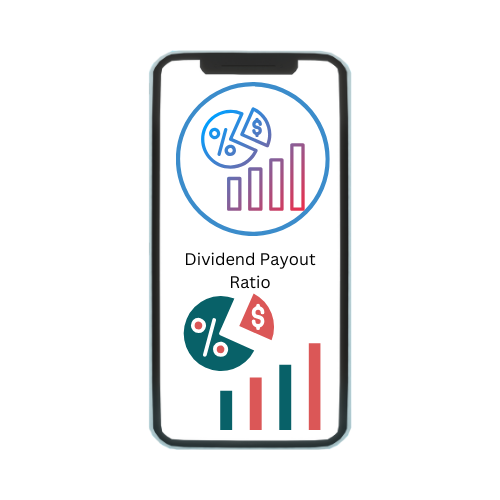
डिविडेंड भुगतान अनुपात एक फाइनेंशियल मेट्रिक है जो कंपनी द्वारा अपने शेयरधारकों को डिविडेंड के रूप में भुगतान की जाने वाली आय का अनुपात दिखाता है. यह समझना एक महत्वपूर्ण उपाय है कि शेयरधारकों को कितनी कमाई वापस की जा रही है, बल्कि विकास और अन्य उद्देश्यों के लिए बनाए रखा जा रहा है.
डिविडेंड भुगतान अनुपात की गणना
लाभांश भुगतान अनुपात की गणना निम्नलिखित फॉर्मूला का उपयोग करके की जा सकती है:
डिविडेंड भुगतान अनुपात = (भुगतान किए गए कुल डिविडेंड/निवल आय) x 100
वैकल्पिक रूप से, इसकी गणना प्रति-शेयर आधार पर की जा सकती है:
डिविडेंड पेआउट रेशियो = (डिविडेंड प्रति शेयर (डीपी) / प्रति शेयर आय (ईपीएस)) × 100
उदाहरण की गणना
आइए एक दिए गए वर्ष के लिए निम्नलिखित फाइनेंशियल वाली कंपनी पर विचार करें:
- भुगतान किए गए कुल डिविडेंड: ₹ 20,00,000
- निवल आय: ₹ 50,00,000
- प्रति शेयर डिविडेंड (डीपीएस): ₹5
- प्रति शेयर आय (EPS): ₹10
पहले फॉर्मूला का उपयोग करके:
- लाभांश भुगतान अनुपात = (₹ 20,00,000/₹ 50,00,000)x100=40%
दूसरे फॉर्मूला का उपयोग करके:
लाभांश भुगतान अनुपात = (₹5/₹10)x100=50%
डिविडेंड भुगतान अनुपात का महत्व
- इन्वेस्टर की जानकारी:
- इनकम इन्वेस्टर: उच्च और स्थिर डिविडेंड भुगतान अनुपात वाली कंपनियों को पसंद करें, जो विश्वसनीय आय को दर्शाता है.
- ग्रोथ इन्वेस्टर: कम डिविडेंड भुगतान अनुपात वाली कंपनियों को पसंद कर सकते हैं, जिसका अर्थ है पूंजी में वृद्धि की क्षमता.
- फाइनेंशियल हेल्थ:
- सस्टेनेबिलिटी: एक सस्टेनेबल डिविडेंड भुगतान रेशियो से पता चलता है कि कंपनी अच्छी फाइनेंशियल स्थिति में है और अपने विकास या स्थिरता से समझौता किए बिना डिविडेंड का भुगतान जारी रख सकती है.
- जोखिम मूल्यांकन: अगर कंपनी को आय में गिरावट का सामना करना पड़ता है, तो बहुत अधिक अनुपात जोखिम को दर्शाता है.
- कंपनी की रणनीति:
- डिविडेंड पॉलिसी: कंपनी की डिविडेंड पॉलिसी और शेयरहोल्डर रिटर्न और बिज़नेस री-इन्वेस्टमेंट को संतुलित करने के लिए इसके दृष्टिकोण को दर्शाता है.
- लाइफसाइकिल स्टेज: कंपनी के जीवनचक्र में चरण को दर्शाता है (जैसे, मेच्योर कंपनियां बनाम ग्रोथ कंपनियां).
डिविडेंड भुगतान अनुपात की व्याख्या
डिविडेंड भुगतान रेशियो कंपनी की डिविडेंड पॉलिसी और फाइनेंशियल हेल्थ के बारे में जानकारी प्रदान करता है:
- उच्च डिविडेंड भुगतान अनुपात:
- यह दर्शाता है कि कंपनी अपनी आय का एक बड़ा हिस्सा शेयरधारकों को वापस कर रही है.
- परिपक्व, स्थिर कंपनियों में सामान्य, जिनकी पुनर्निवेश की कम आवश्यकता होती है.
- अगर अस्थिर रूप से उच्च हो, तो यह चेतावनी का संकेत हो सकता है कि कंपनी भविष्य की वृद्धि या अप्रत्याशित खर्चों को कवर करने के लिए पर्याप्त आय नहीं बनाए रख सकती है.
- कम डिविडेंड भुगतान अनुपात:
- सुझाव देता है कि कंपनी विकास, अनुसंधान और विकास, क़र्ज़ में कमी या अन्य उद्देश्यों में पुनर्निवेश के लिए अपनी आय का एक महत्वपूर्ण हिस्सा बनाए रख रही है.
- विस्तार के लिए पूंजी की आवश्यकता वाली उच्च-वृद्धि वाली कंपनियों की विशिष्टता.
- डिविडेंड भुगतान के लिए एक रूढ़िवादी दृष्टिकोण का संकेत दे सकता है, जिससे फाइनेंशियल स्थिरता सुनिश्चित हो सकती है.
- मध्यम डिविडेंड भुगतान अनुपात:
- शेयरधारकों को रिटर्न करने वाली आय और ग्रोथ और अन्य आवश्यकताओं के लिए आय को बनाए रखने में बैलेंस.
- अक्सर ग्रोथ और शेयरहोल्डर रिटर्न के लिए संतुलित दृष्टिकोण के साथ अच्छी तरह से प्रबंधित कंपनी के संकेत के रूप में देखा जाता है.
डिविडेंड भुगतान अनुपात को प्रभावित करने वाले कारक
कई कारक कंपनी के डिविडेंड भुगतान अनुपात को प्रभावित करते हैं, जो अपनी फाइनेंशियल पॉलिसी, रणनीतिक लक्ष्य और ऑपरेशनल परिस्थितियों को दर्शाता है. इन कारकों को समझने से निवेशकों को कंपनी के डिविडेंड भुगतान की स्थिरता और प्रभावों का आकलन करने में मदद मिल सकती है. डिविडेंड भुगतान अनुपात को प्रभावित करने वाले प्रमुख कारक यहां दिए गए हैं:
- लाभप्रदता
- निवल आय: उच्च लाभप्रदता उच्च भुगतान अनुपात की अनुमति देती है, क्योंकि कंपनी के पास वितरण के लिए अधिक आय होती है.
- आय में उतार-चढ़ाव: स्थिर आय वाली कंपनियों को निरंतर भुगतान अनुपात बनाए रखने की संभावना अधिक होती है, जबकि अस्थिर आय वाले लोग फाइनेंशियल स्थिरता को मैनेज करने के लिए अपने भुगतान अनुपात में बदलाव कर सकते हैं.
- कैश फ्लो
- ऑपरेशनल कैश फ्लो: ऑपरेशन से पर्याप्त कैश फ्लो यह सुनिश्चित करता है कि कंपनी अपनी ऑपरेशनल ज़रूरतों को प्रभावित किए बिना डिविडेंड का भुगतान कर सकती है.
- मुफ्त कैश फ्लो: मजबूत मुफ्त कैश फ्लो वाली कंपनियां (ऑपरेशन से कैश माइनस कैपिटल एक्सपेंस) डिविडेंड का भुगतान करने के लिए बेहतर स्थिति में हैं.
- विकास के अवसर
- री-इन्वेस्टमेंट की आवश्यकताएं: महत्वपूर्ण विकास के अवसर वाली कंपनियां विस्तार, अनुसंधान और विकास या अधिग्रहण के लिए अधिक आय बनाए रख सकती हैं, जिसके परिणामस्वरूप भुगतान अनुपात कम हो सकता है.
- बिज़नेस लाइफसाइकिल का चरण: कम विकास अवसर वाली मेच्योर कंपनियों में अक्सर अधिक भुगतान अनुपात होते हैं, जबकि युवा, उच्च-वृद्धि वाली कंपनियां अधिक आय बनाए रख सकती हैं.
- डेट लेवल और फाइनेंशियल लिवरेज
- कर्ज़ दायित्व: उच्च स्तर के क़र्ज़ और ब्याज दायित्व कंपनी को सर्विस डेट के लिए अधिक आय बनाए रखने, भुगतान अनुपात को कम करने के लिए प्रेरित कर सकते हैं.
- लीवरेज स्ट्रेटजी: कंजर्वेटिव फाइनेंशियल स्ट्रेटेजी वाली कंपनियां कम भुगतान अनुपात बनाए रख सकती हैं, ताकि यह सुनिश्चित किया जा सके कि वे आराम से क़र्ज़ दायित्वों को मैनेज कर सकते हैं.
- पूंजीगत व्यय की आवश्यकताएं
- इंफ्रास्ट्रक्चर इन्वेस्टमेंट: मेंटेनेंस या विस्तार के लिए महत्वपूर्ण पूंजीगत खर्चों की आवश्यकता वाली कंपनियां अधिक आय बनाए रख सकती हैं, जिसके परिणामस्वरूप भुगतान अनुपात कम हो सकता है.
- लॉन्ग-टर्म प्रोजेक्ट: लॉन्ग-टर्म प्रोजेक्ट में इन्वेस्टमेंट के लिए अक्सर पर्याप्त बनाए रखे गए आय की आवश्यकता होती है, जिससे भुगतान अनुपात प्रभावित होता है.
- आर्थिक स्थिति
- आर्थिक स्थिरता: आर्थिक मंदी के दौरान, कंपनियां कैश बनाए रखने के लिए अपने भुगतान अनुपात को कम कर सकती हैं.
- महंगाई और ब्याज दरें: उच्च मुद्रास्फीति और ब्याज दरें कंपनी की आय और कैश फ्लो को प्रभावित कर सकती हैं, जो उच्च भुगतान अनुपात बनाए रखने की अपनी क्षमता को प्रभावित कर सकती हैं.
- नियामक पर्यावरण
- टैक्स पॉलिसी: डिविडेंड को प्रभावित करने वाले टैक्स कानूनों में बदलाव भुगतान अनुपात को प्रभावित कर सकते हैं. डिविडेंड के लिए अनुकूल टैक्स ट्रीटमेंट अधिक भुगतान अनुपात को बढ़ा सकता है.
- कानूनी आवश्यकताएं: नियामक बाधाएं कंपनी की डिविडेंड का भुगतान करने की क्षमता को प्रभावित कर सकती हैं.
- प्रबंधन और कॉर्पोरेट गवर्नेंस
- मैनेजमेंट की रणनीति: भविष्य की कमाई और रणनीतिक लक्ष्यों पर मैनेजमेंट का दृष्टिकोण भुगतान अनुपात को प्रभावित करता है. वृद्धि पर ध्यान देने से भुगतान कम हो सकता है, जबकि शेयरधारक के रिटर्न पर ध्यान केंद्रित करने से उन्हें बढ़ सकता है.
- गवर्नेंस प्रैक्टिस: मजबूत कॉर्पोरेट गवर्नेंस से पारदर्शी और निरंतर डिविडेंड पॉलिसी हो सकती है, जिससे भुगतान अनुपात प्रभावित हो सकता है.
- शेयरहोल्डर की अपेक्षाएं
- इन्वेस्टर डेमोग्राफिक्स: इनकम-केंद्रित निवेशकों के बड़े आधार वाली कंपनियां शेयरहोल्डर की अपेक्षाओं को पूरा करने के लिए उच्च भुगतान अनुपात बनाए रख सकती हैं.
- मार्केट की अपेक्षाएं: डिविडेंड के संबंध में मार्केट की अपेक्षाओं को पूरा करना या उससे अधिक करना स्टॉक की कीमतों और इन्वेस्टर की भावना को सकारात्मक रूप से प्रभावित कर सकता है.
- ऐतिहासिक लाभांश नीति
- रिकॉर्ड ट्रैक करें: डिविडेंड का भुगतान करने के लंबे इतिहास वाली कंपनियां अपनी प्रतिष्ठा को बनाए रखने के लिए स्थिर या बढ़ते भुगतान अनुपात को बनाए रख सकती हैं.
- डिविडेंड कल्चर: कंपनी और इसके इंडस्ट्री के सांस्कृतिक और ऐतिहासिक कारक डिविडेंड पॉलिसी और भुगतान रेशियो को प्रभावित कर सकते हैं.
लाभांश भुगतान अनुपात की सीमाएं
हालांकि डिविडेंड भुगतान रेशियो कंपनी की डिविडेंड पॉलिसी का आकलन करने के लिए एक उपयोगी मेट्रिक है, लेकिन इसमें कई सीमाएं हैं. सूचित इन्वेस्टमेंट निर्णय लेने के लिए इन सीमाओं को समझना महत्वपूर्ण है. लाभांश भुगतान अनुपात की प्रमुख सीमाएं यहां दी गई हैं:
- कैश फ्लो की गणना नहीं करता है
- कैश बनाम आय: डिविडेंड भुगतान रेशियो निवल आय पर आधारित होता है, कैश फ्लो पर नहीं. किसी कंपनी की आय अधिक हो सकती है लेकिन डिविडेंड का भुगतान करने के लिए अपर्याप्त कैश फ्लो हो सकता है, जिससे रेशियो भ्रामक हो जाता है.
- नॉन-कैश आइटम: निवल इनकम में डेप्रिसिएशन और एमॉर्टाइज़ेशन जैसे नॉन-कैश आइटम शामिल होते हैं, जो कैश फ्लो को प्रभावित नहीं करते हैं, लेकिन भुगतान रेशियो को विकृत कर सकते हैं.
- विकास के अवसरों को अनदेखा करता है
- पुनर्निवेश की आवश्यकताएं: यह रेशियो कंपनी की वृद्धि के लिए आय को दोबारा निवेश करने की आवश्यकता पर विचार नहीं करता है. कम भुगतान अनुपात यह संकेत दे सकता है कि कंपनी लाभदायक निवेश के लिए कमाई को बनाए रखती है, जो एक सकारात्मक संकेत हो सकता है.
- जीवनचक्र का चरण: उच्च विकास वाली कंपनियों के पास अक्सर कम या कोई भुगतान अनुपात नहीं होता है क्योंकि वे आय का दोबारा निवेश करते हैं, लेकिन यह आवश्यक नहीं है कि खराब प्रदर्शन हो.
- कर्ज़ के स्तर को नहीं दर्शाता है
- फाइनेंशियल लीवरेज: यह रेशियो कंपनी के डेट दायित्वों पर विचार नहीं करता है. अगर कंपनी के पास सर्विस के लिए महत्वपूर्ण कर्ज़ है, तो उच्च भुगतान अनुपात जोखिम भरा हो सकता है.
- डेट बनाम इक्विटी फाइनेंसिंग: उच्च लीवरेज वाली कंपनियां कर्ज़ के पुनर्भुगतान के लिए कैश को सुरक्षित रखने के लिए कम भुगतान रेशियो बनाए रख सकती हैं, जिसे केवल रेशियो प्रकट नहीं करता है.
- मार्केट की स्थिति और आर्थिक चक्र
- आर्थिक मंदी: आर्थिक मंदी के दौरान, कंपनियां कैश को सुरक्षित रखने के लिए डिविडेंड को कम कर सकती हैं, जिसके परिणामस्वरूप कम भुगतान अनुपात होता है जो खराब मैनेजमेंट या परफॉर्मेंस को नहीं दर्शाता है.
- साइक्लिकल इंडस्ट्रीज़: साइक्लिकल इंडस्ट्रीज़ की कंपनियां आय में उतार-चढ़ाव का अनुभव कर सकती हैं, जिससे लॉन्ग-टर्म समस्याओं का संकेत दिए बिना भुगतान अनुपात प्रभावित हो सकता है.
- प्रबंधन निर्णय
- अर्निंग मैनिपुलेशन: मैनेजमेंट वांछित भुगतान अनुपात बनाए रखने के लिए कमाई में हेरफेर कर सकता है, जो निवेशकों को कंपनी की वास्तविक फाइनेंशियल स्थिति के बारे में गुमराह कर सकता है.
- पॉलिसी में बदलाव: डिविडेंड पॉलिसी में अचानक बदलाव भुगतान रेशियो को प्रभावित कर सकते हैं, जिससे ऐतिहासिक तुलना मुश्किल हो सकती है.
- वन-डाइमेंशनल व्यू
- कुल रिटर्न: यह रेशियो केवल डिविडेंड पर ध्यान केंद्रित करता है और कैपिटल गेन को अनदेखा करता है, जो निवेशकों के लिए कुल रिटर्न का एक महत्वपूर्ण हिस्सा है.
- नॉन-डिविडेंड फैक्टर: यह रेशियो इन्वेस्टर के रिटर्न को प्रभावित करने वाले अन्य कारकों को ध्यान में नहीं रखता है, जैसे शेयर बायबैक, जो शेयरहोल्डर को वैल्यू भी वापस कर सकता है.
- शॉर्ट-टर्म फोकस
- तिमाही उतार-चढ़ाव: मौसमी आय में बदलाव के कारण रेशियो तिमाही से तिमाही में महत्वपूर्ण रूप से अलग हो सकता है, जिससे शॉर्ट-टर्म बदलाव संभावित रूप से भ्रामक हो सकते हैं.
- लॉन्ग-टर्म व्यवहार्यता: उच्च भुगतान अनुपात शॉर्ट टर्म में टिकाऊ हो सकता है, लेकिन अगर सही तरीके से मैनेज नहीं किया जाता है, तो लॉन्ग-टर्म व्यवहार्यता को खतरे में डाल सकता है.
- इंडस्ट्री वेरिएशन
- उद्योग के मानदंड: विभिन्न उद्योगों के भुगतान अनुपात के लिए अलग-अलग मानदंड होते हैं. इस अनुपात का उपयोग करके विभिन्न उद्योगों की कंपनियों की तुलना करना भ्रामक हो सकता है.
- बिज़नेस मॉडल: भारी रीइन्वेस्टमेंट (जैसे टेक्नोलॉजी या बायोटेक फर्म) के लिए आवश्यक बिज़नेस मॉडल में आमतौर पर यूटिलिटी या कंज्यूमर गुड्स कंपनियों की तुलना में कम भुगतान अनुपात होता है.
- महंगाई और मुद्रा में उतार-चढ़ाव
- खरीद शक्ति: यह रेशियो खरीद शक्ति पर महंगाई के प्रभाव पर विचार नहीं करता है. अगर भुगतान अनुपात स्थिर रहता है, तो भी महंगाई डिविडेंड की वास्तविक वैल्यू को कम कर सकती है.
- विदेशी एक्सचेंज: बहुराष्ट्रीय कंपनियों के लिए, करेंसी में उतार-चढ़ाव आय और डिविडेंड को प्रभावित कर सकते हैं, जिससे अंतर्निहित बिज़नेस परफॉर्मेंस को प्रतिबिंबित किए बिना भुगतान अनुपात प्रभावित हो सकता है.
डिविडेंड पेआउट रेशियो को मैनेज करने की रणनीतियां
शेयरहोल्डर की अपेक्षाओं को संतुलित करने और कंपनी की फाइनेंशियल स्थिति को बनाए रखने के लिए डिविडेंड भुगतान रेशियो को प्रभावी रूप से मैनेज करना महत्वपूर्ण है. यहां कई रणनीतियां दी गई हैं जिनका उपयोग कंपनियां कर सकती हैं:
- रीइन्वेस्टमेंट और भुगतान को संतुलित करना
- वृद्धि के लिए री-इन्वेस्टमेंट: भविष्य की वृद्धि और इनोवेशन के लिए बिज़नेस में री-इन्वेस्ट करने के लिए आय का एक हिस्सा आवंटित करें.
- पेआउट स्टेबिलिटी: लॉन्ग-टर्म प्रॉफिटबिलिटी और ग्रोथ की संभावनाओं के अनुरूप निरंतर डिविडेंड भुगतान रेशियो का लक्ष्य रखें.
- कमाई की स्थिरता
- बिल्ड रिज़र्व: कम लाभदायक अवधि के दौरान डिविडेंड को कवर करने के लिए लाभदायक वर्षों से रिज़र्व फंड बनाए रखें.
- विविध रेवेन्यू स्ट्रीम: इनकम के किसी भी स्रोत पर निर्भरता को कम करने के लिए कई रेवेन्यू स्ट्रीम विकसित करें, जिससे अधिक स्थिर आय सुनिश्चित होती है.
- सुविधाजनक डिविडेंड पॉलिसी
- फिक्स्ड और वेरिएबल डिविडेंड: परफॉर्मेंस से जुड़े वेरिएबल डिविडेंड द्वारा सप्लीमेंट किए गए फिक्स्ड बेस डिविडेंड के साथ पॉलिसी लागू करें.
- डिविडेंड रीइन्वेस्टमेंट प्लान (DRIPs): शेयरहोल्डर को डिविडेंड को अतिरिक्त शेयरों में दोबारा निवेश करने का विकल्प प्रदान करता है, जिससे निवेशकों को रिवॉर्ड मिलता है और कैश फ्लो को सुरक्षित किया जाता है.
- शेयरधारकों के साथ संचार
- पारदर्शिता: डिविडेंड निर्णयों और भुगतान पॉलिसी में किसी भी बदलाव के पीछे के तर्क को स्पष्ट रूप से बताएं.
- शिक्षा: शेयरधारकों को कंपनी की लॉन्ग-टर्म स्ट्रेटजी के बारे में शिक्षित करें और डिविडेंड पॉलिसी इसे कैसे सपोर्ट करती हैं.
- फाइनेंशियल हेल्थ की निगरानी
- लीवरेज रेशियो: नियमित रूप से डेट लेवल की निगरानी करें और यह सुनिश्चित करने के लिए रेशियो का लाभ उठाएं कि डिविडेंड फाइनेंशियल स्थिरता से समझौता न करें.
- कैश फ्लो मैनेजमेंट: डिविडेंड भुगतान के लिए लिक्विडिटी बनाए रखने के लिए मजबूत कैश फ्लो मैनेजमेंट प्रैक्टिस सुनिश्चित करें.
- बायबैक का रणनीतिक उपयोग
- बायबैक शेयर करें: डिविडेंड के विकल्प के रूप में शेयर री-परचेज़ प्रोग्राम पर विचार करें, जिससे शेयरहोल्डर को लचीलापन और टैक्स लाभ मिलता है.
- आर्थिक स्थितियों के अनुसार अनुकूल होना
- साइक्लिकल एडजस्टमेंट: स्थिरता बनाए रखने के लिए आर्थिक स्थितियों और बिज़नेस साइकिल के आधार पर भुगतान अनुपात को एडजस्ट करें.
- आकस्मिक प्लान: अधिक लाभ के बिना डिविडेंड भुगतान को बनाए रखने के लिए आर्थिक मंदी के लिए आकस्मिक प्लान विकसित करें.
- परफॉर्मेंस-आधारित मेट्रिक्स
- अर्निंग ग्रोथ को-रिलेशन: डिविडेंड को आय में वृद्धि जैसे परफॉर्मेंस मेट्रिक्स से लिंक करें, जिससे यह सुनिश्चित होता है कि भुगतान कंपनी की फाइनेंशियल स्थिति को दर्शाता है.
- पेआउट रेशियो के लक्ष्य: इंडस्ट्री के मानकों और कंपनी के लक्ष्यों के अनुरूप भुगतान रेशियो के लक्ष्यों को सेट और समय-समय पर रिव्यू करें.
- नियामक और टैक्स संबंधी विचार
- अनुपालन: डिविडेंड भुगतान के संबंध में नियामक आवश्यकताओं का अनुपालन सुनिश्चित करें.
- टैक्स दक्षता: कंपनी और शेयरहोल्डर दोनों के लिए टैक्स प्रभाव को अनुकूल बनाने के लिए डिविडेंड पॉलिसी बनाएं.
- लॉन्ग-टर्म सस्टेनेबिलिटी फोकस
- पर्यावरण, सामाजिक और शासन (ESG) विचार: सामाजिक रूप से जागरूक निवेशकों को आकर्षित करने के लिए डिविडेंड पॉलिसी सहित फाइनेंशियल निर्णय लेने में ESG कारकों को एकीकृत करें.
इन रणनीतियों का उपयोग करके, कंपनियां अपने डिविडेंड भुगतान रेशियो को प्रभावी रूप से मैनेज कर सकती हैं, फाइनेंशियल हेल्थ को बनाए रखने और भविष्य की वृद्धि को सपोर्ट करने की आवश्यकता के साथ शेयरधारकों को रिवॉर्ड देने की आवश्यकता को संतुलित कर सकती हैं.
निष्कर्ष
डिविडेंड भुगतान रेशियो एक फाइनेंशियल मेट्रिक है जो डिविडेंड के रूप में शेयरधारकों को वितरित की जाने वाली कंपनी की आय के अनुपात को दर्शाता है. यह निवेशकों और कंपनी के मैनेजमेंट दोनों के लिए एक आवश्यक उपाय है, क्योंकि यह कंपनी की डिविडेंड पॉलिसी और समय के साथ डिविडेंड भुगतान को बनाए रखने की इसकी क्षमता को दर्शाता है.