फॉलिंग वेज पैटर्न क्या है?
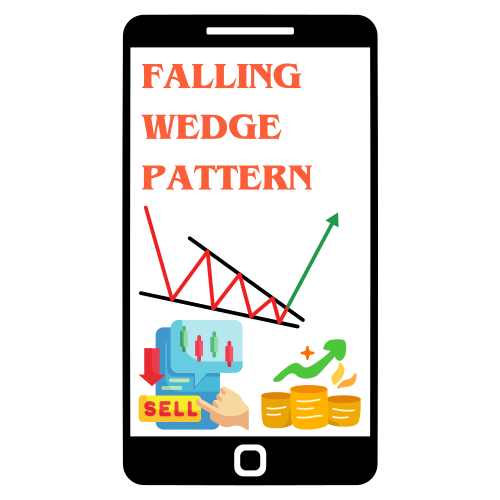
- गिरती वेज नामक एक बुलिश पैटर्न शीर्ष पर चौड़ा होता है और कीमतों में गिरावट के साथ संकुचित होता है. जैसे-जैसे रिस्पॉन्स हाई और रिएक्शन कम कन्वर्ज होता है, यह प्राइस एक्शन एक कोन को आकार देता है जो उतारता है. गिरने वाले वेज में एक स्पष्ट नीचे की ढलान और सममितीय त्रिकोणों के विपरीत बुलिश प्रवृत्ति होती है, जिसमें दोनों की कमी होती है. हालांकि, जब तक प्रतिरोध का ब्रेकडाउन नहीं होता है, तब तक यह बुलिश पक्षपात महत्वपूर्ण नहीं होगा.
- हालांकि इस लेख में गिरते वेज पर रिवर्सल पैटर्न के रूप में चर्चा की जाती है, लेकिन इसे जारी रखने के पैटर्न के रूप में भी वर्गीकृत किया जा सकता है. गिरती वेज एक निरंतर पैटर्न के रूप में नीचे की ओर ढलना जारी रखेगी, लेकिन मौजूदा अपट्रेंड के खिलाफ ढलान नीचे की ओर होगी. फॉलिंग वेज एक रिवर्सल पैटर्न है जो सामान्य ट्रेंड के अनुसार नीचे की ओर ढलता है.
- जब सुरक्षा की कीमत बार-बार ऊंचाई और निचले स्तर पर आ जाती है, तो प्राइस मूवमेंट की सीमा, गिरती वेज, जिसे डिक्लाइंग वेज पैटर्न भी कहा जाता है, उभरता है. मार्केट की गति में नीचे की ओर बदलने के बीच गिरने वाले वेज को रिवर्सल पैटर्न के रूप में देखा जाता है. ऐसा इसलिए है क्योंकि कम होने वाली रेंज से पता चलता है कि एसेट के प्रति बेयरिश सेंटीमेंट कम हो रहा है.
- अगर मार्केट मोमेंटम में अपवर्ड शिफ्ट के साथ आता है, तो वेज पैटर्न गिरना एक बुलिश पैटर्न माना जाता है. ऐसा इसलिए है क्योंकि इस स्थिति में रेंज की संकुचित रेंज का मतलब है कि एसेट की कीमत में सुधार कम हो रहा है, जिसका मतलब है कि एक मजबूत रैली होगी. परिणामस्वरूप, ऐसे ट्रेंड के बिंदु पर निर्भर करता है जहां यह खुद को प्रकट करता है, गिरती वेज एक रिवर्सल और निरंतर बुलिश पैटर्न दोनों के रूप में दिखाई दे सकती है.
फॉलिंग वेज पैटर्न की पहचान कैसे करें?

- निरंतरता और रिवर्सल पैटर्न एक गिरने वाला वेज चार्ट पैटर्न है. दो ट्रेंड लाइनों पर नज़र रखकर, जो समय के साथ लगातार निर्माण कर रहे हैं और एकजुट हो रहे हैं, एक गिरने वाले या उतरने वाले वेज पैटर्न की पहचान करना आसान है. जब ये ट्रेंड लाइन एक साथ आती हैं, तो वे एक वेज बनाते हैं, जिसे यह अपना नाम कैसे प्राप्त करता है. बेरिश मार्केट में ट्रेड में प्रवेश करते समय, कोई भी व्यक्ति एक संकेत या कन्फर्मेशन टूल के रूप में गिरते वेज पैटर्न का उपयोग कर सकता है. आप अतिरिक्त इंडिकेटर के रूप में मोमेंटम ऑसिलेटर या सपोर्ट लेवल का भी उपयोग कर सकते हैं. अगर उपयुक्त रूप से और प्रचलित समय के दौरान उपयोग किया जाता है, तो गिरते वेज पैटर्न से सम्मानजनक रिटर्न मिल सकता है.
वेज पैटर्न गिरने के लिए ट्रेडिंग के लाभ
- फॉलिंग वेज पैटर्न के नाम से जाना जाने वाला एक तकनीकी निर्माण समेकन अवधि के समापन को दर्शाता है, जिससे पुलबैक लोअर की अनुमति मिलती है. गिरती वेज एक निरंतरता या रिवर्सल पैटर्न हो सकती है, जैसा कि पहले बताया गया था. सारांश में, निरंतरता और रिवर्सल दोनों की स्थिति आशावादी होती है.
- इसलिए वेज को गिरने से पहले "कैल्म" के रूप में देखा जा सकता है. खरीदार कंसोलिडेशन फेज का उपयोग करके नए खरीद इंटरेस्ट को फिर से व्यवस्थित करेंगे, ताकि बीयर को आउटवाइट किया जा सके और प्राइस एक्शन को बहुत अधिक बढ़ाया जा सके.
- चूंकि एसेट की कीमत तेजी से बाहर निकलती है और, अधिकांश स्थितियों में, व्यापक ट्रेंड जारी रहता है, इसलिए गिरावट एक महत्वपूर्ण तकनीकी पैटर्न है जो यह दर्शाता है कि सुधार या समेकन अभी समाप्त हो गया है.
फॉलिंग वेज पैटर्न को कैसे ट्रेड करें

गिरते हुए वेज आदर्श रूप से एक लंबे ढलान के दौरान उभरेंगे और अंतिम बॉटम का संकेत करेंगे. केवल जब पहले का ट्रेंड होता है, तो यह रिवर्सल पैटर्न के मानदंडों को पूरा करता है.
- अपर रेजिस्टेंस लाइन कम से कम दो इंटरमिटेंट हाई से बनी होनी चाहिए. कम सपोर्ट लाइन बनाने के लिए, कम से कम दो इंटरमिटेंट लो की आवश्यकता होती है.
- फॉलिंग वेज पैटर्न के बाद के हाई और लो, दोनों को क्रमशः पिछले हाई और लो से कम होना चाहिए.
- शियोलावर की कमी से पता चलता है कि बाजार का दबाव बियर की पकड़ में कम हो रहा है. इस प्रकार लोअर सपोर्ट लाइन में एक ढलान है जो कम सेल-साइड मोमेंटम के कारण उच्च रेजिस्टेंस लाइन से कम है.
- हालांकि एक उभरते हुए वेज समान नियमों का पालन नहीं करता है, फिर भी कम हो रहे वेज निर्माण में लेन-देन की मात्रा का विश्लेषण करना महत्वपूर्ण है. मात्रा में वृद्धि के बिना ब्रेकडाउन की अच्छी तरह पुष्टि नहीं की जाएगी.
फॉलिंग वेज पैटर्न के लाभ और सीमाएं
- एक गिरते हुए वेज निर्माण, जो तकनीकी विश्लेषण में बुलिश है, यह दर्शाता है कि डाउनवर्ड ट्रेंड की शक्ति कम हो रही है. यह सुझाव देता है कि वर्तमान ट्रेंड या तो जारी रहेगा या रिवर्स होगा.
- यह स्पष्ट रूप से सुधार या समेकन की अवधि के समापन को दर्शाता है. नई खरीद की संभावनाओं को बनाने और बीयर को दूर करने और कीमतों को अधिक बढ़ाने के लिए, खरीदार कीमत समेकन का लाभ उठाते हैं.
लाभ | नुकसान |
फाइनेंशियल मार्केट में अक्सर होता है | नए ट्रेडर्स के लिए अस्पष्ट हो सकता है |
फॉलिंग वेज पैटर्न ट्रेडर को शुरुआती मूव (कन्टिन्यूएशन केस) खोने के बाद ट्रेंडिंग मार्केट में जाने की अनुमति देता है | अन्य टेक्निकल इंडिकेटर और ऑसिलेटर का उपयोग करके अतिरिक्त कन्फर्मेशन की आवश्यकता होती है |
स्पष्ट स्टॉप, एंट्री और लिमिट लेवल प्रस्तुत करता है | अक्सर गलत पहचान की जाती है |
अनुकूल रिस्क-रिवॉर्ड रेशियो के लिए अवसर | फॉलिंग वेज रिवर्सल या कंटिन्यूएशन पैटर्न को दर्शा सकता है (इसकी सही पहचान करने के लिए आवश्यक) |
निष्कर्ष
- स्टॉक मार्केट में गिरते ट्रेड पैटर्न को देखना और ट्रेड करना चुनौतीपूर्ण हो सकता है. इस विधि का उपयोग आमतौर पर बेयर मार्केट की गति में गिरावट की पहचान करने के लिए किया जाता है, जो विपरीत दिशा में संभावित बदलाव को दर्शाता है. ट्रेडिंग शुरू करने के लिए, आपको आरएसआई, स्टोकैस्टिक और ऑसिलेटर जैसे अतिरिक्त संकेतकों के साथ रिवर्सल की पुष्टि करनी होगी; बस ब्रेकडाउन की प्रतीक्षा करना पर्याप्त नहीं है.
- सिक्योरिटीज़ पर ट्रेड करने से पहले ऊपरी ट्रेंड लाइन का उल्लंघन होना चाहिए. लोअर ट्रेंड लाइन का लोअर एंड ट्रेडर के लिए स्टॉप लॉस पॉइंट होना चाहिए. वेज की ऊंचाई को मापकर और पिछले ब्रेकडाउन पॉइंट को बढ़ाकर कीमत के लक्ष्य की गणना करें.