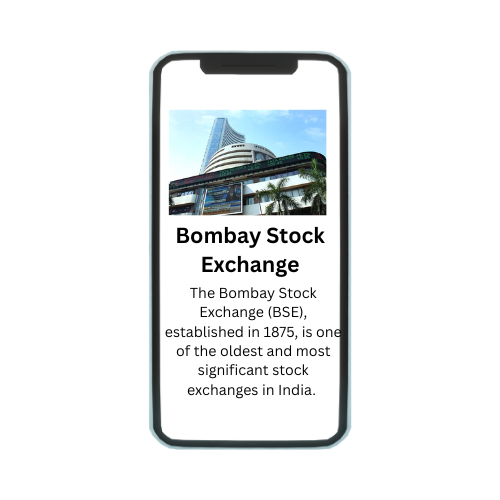
The बॉम्बे स्टॉक एक्सचेंज (BSE), 1875 मध्ये स्थापित, हे भारतातील सर्वात जुने आणि सर्वात महत्त्वाचे स्टॉक एक्सचेंजपैकी एक आहे. याने भारतीय फायनान्शियल मार्केटच्या विकासामध्ये महत्त्वाची भूमिका बजावली आहे, जी अर्थव्यवस्थेचा पाया म्हणून काम करते. BSE स्टॉक, बाँड्स, डेरिव्हेटिव्ह आणि म्युच्युअल फंडसह ट्रेडिंग सिक्युरिटीजसाठी प्लॅटफॉर्म प्रदान करते. हे संचालक मंडळाद्वारे नियंत्रित केले जाते आणि व्यावसायिकांच्या टीमद्वारे व्यवस्थापित केले जाते, सिक्युरिटीज अँड एक्स्चेंज बोर्ड ऑफ इंडिया (सेबी) द्वारे सेट केलेल्या नियामक मानकांचे सुरळीत ऑपरेशन्स आणि अनुपालन सुनिश्चित करते. एक्स्चेंजने तांत्रिक प्रगती स्वीकारली आहे, 1995 मध्ये इलेक्ट्रॉनिक ट्रेडिंगमध्ये परिवर्तन केले आहे, ज्यामुळे ट्रेडिंग कार्यक्षमता वाढली आहे आणि त्रुटी कमी झाली आहे. BSE चे फ्लॅगशिप इंडेक्स, सेन्सेक्स, मध्ये 30 सर्वात मोठे आणि सर्वात सक्रियपणे ट्रेड केलेल्या स्टॉकचा समावेश होतो, जे एक्सचेंजची एकूण कामगिरी दर्शविते. बीएसईची ऐतिहासिक कामगिरी, मजबूत संरचना आणि निरंतर नाविन्य हे जागतिक आर्थिक बाजारातील प्रमुख खेळाडू बनवते, ज्यामुळे आर्थिक धोरणे आणि गुंतवणूकदारांच्या वर्तनावर प्रभाव पडतो.
बॉम्बे स्टॉक एक्सचेंजचा इतिहास
BSE चा प्रवास mid-19th शतकात सुरू झाला जेव्हा स्टॉकब्रोकर्सच्या ग्रुपने मुंबईमध्ये बन्यान ट्री अंतर्गत ट्रेडिंग सुरू केले. वर्षानुवर्षे, ते मूळ शेअर आणि स्टॉकब्रोकर्स असोसिएशन म्हणून ओळखल्या जाणार्या औपचारिक संस्थेमध्ये विकसित झाले. प्रमुख माईलस्टोन्समध्ये 1986 मध्ये सेन्सेक्सचा परिचय आणि 1995 मध्ये इलेक्ट्रॉनिक ट्रेडिंगमध्ये संक्रमण यांचा समावेश होतो
संरचना आणि संस्था
कार्यक्षम आणि पारदर्शक ऑपरेशन्स सुनिश्चित करण्यासाठी बॉम्बे स्टॉक एक्सचेंज (बीएसई) ची रचना आणि संस्था तयार केली गेली आहे. बीएसई हे संचालक मंडळाद्वारे नियंत्रित केले जाते, ज्यामध्ये फायनान्शियल इंडस्ट्रीच्या विविध क्षेत्रातील प्रतिनिधींचा समावेश होतो. हे बोर्ड धोरणे सेट करण्यासाठी आणि एक्स्चेंजच्या एकूण कार्याच्या देखरेखीसाठी जबाबदार आहे. सीईओ आणि इतर प्रमुख अधिकाऱ्यांसह व्यावसायिकांच्या टीमद्वारे दैनंदिन कामकाजाचे व्यवस्थापन केले जाते. बीएसई विविध विभागांमध्ये विभाजित आहे, प्रत्येक विशिष्ट कार्यांसह. ट्रेडिंग डिपार्टमेंट ट्रेडची अंमलबजावणी हाताळते आणि ट्रान्झॅक्शन सुरळीतपणे आयोजित केल्याची खात्री करते. नवीन कंपन्यांच्या प्रवेशासाठी लिस्टिंग विभाग जबाबदार आहे, ज्यामुळे ते आवश्यक निकषांची पूर्तता करतात याची खात्री होते. इन्व्हेस्टर सर्व्हिसेस डिपार्टमेंट इन्व्हेस्टरना सपोर्ट आणि माहिती प्रदान करते, त्यांना मार्केट नेव्हिगेट करण्यास मदत करते. याव्यतिरिक्त, BSE कडे अनुपालन आणि नियामक विभाग आहे जे सिक्युरिटीज अँड एक्स्चेंज बोर्ड ऑफ इंडिया (सेबी) द्वारे सेट केलेल्या नियम आणि नियमांचे पालन करण्याची खात्री करते. ही संरचित संस्था BSE ला प्रशासन आणि कार्यात्मक कार्यक्षमतेचे उच्च मानक राखण्याची परवानगी देते, ज्यामुळे ते ट्रेडिंग सिक्युरिटीजसाठी विश्वसनीय आणि विश्वसनीय प्लॅटफॉर्म बनते.
ट्रेडिंग यंत्रणा
बॉम्बे स्टॉक एक्सचेंज (बीएसई) ची ट्रेडिंग यंत्रणा ही एक सुपरिभाषित प्रोसेस आहे जी सिक्युरिटीजचे कार्यक्षम आणि पारदर्शक ट्रेडिंग सुनिश्चित करते. BSE वर ट्रेडिंगमध्ये अनेक टप्प्यांचा समावेश होतो: प्री-ट्रेडिंग, ट्रेडिंग आणि पोस्ट-ट्रेडिंग उपक्रम. एक्सचेंज इलेक्ट्रॉनिक ट्रेडिंग सिस्टीमवर काम करते, ज्यामुळे ट्रान्झॅक्शनची गती आणि अचूकता लक्षणीयरित्या वाढली आहे. प्री-ट्रेडिंग फेज दरम्यान, इन्व्हेस्टरद्वारे त्यांच्या ब्रोकरद्वारे ऑर्डर दिली जातात. या ऑर्डर नंतर ट्रेडिंग फेज दरम्यान किंमत आणि वेळेच्या प्राधान्यानुसार मॅच केल्या जातात. BSE निरंतर ट्रेडिंग सिस्टीमचा वापर करते, जिथे ऑर्डर मॅच होत असल्याने रिअल-टाइममध्ये ट्रेड अंमलात आणले जातात. याव्यतिरिक्त, एक्सचेंज काही सिक्युरिटीजसाठी कॉल लिलाव प्रणालीचा वापर करते, जिथे ऑर्डर जमा होतात आणि विशिष्ट अंतराने जुळतात. पोस्ट-ट्रेडिंग उपक्रमांमध्ये ट्रेड्सचे सेटलमेंट समाविष्ट आहे, जिथे खरेदीदार आणि विक्रेत्यांदरम्यान सिक्युरिटीज आणि फंडचे ट्रान्सफर पूर्ण होते. बीएसईची ट्रेडिंग यंत्रणा प्रगत तंत्रज्ञानाद्वारे समर्थित आहे, किमान त्रुटी आणि उच्च कार्यक्षमतेची खात्री करते. ट्रेडिंगसाठी हा संरचित दृष्टीकोन मार्केटची अखंडता आणि इन्व्हेस्टरचा आत्मविश्वास राखण्यास मदत करतो, ज्यामुळे बीएसईला विविध प्रकारच्या फायनान्शियल इन्स्ट्रुमेंट्स ट्रेडिंगसाठी विश्वसनीय प्लॅटफॉर्म बनते.
प्रमुख इंडायसेस
बॉम्बे स्टॉक एक्सचेंज (बीएसई) चे प्रमुख इंडायसेस हे आवश्यक इंडिकेटर आहेत जे मार्केटची एकूण कामगिरी आणि आरोग्य दर्शवितात. सर्वात प्रमुख इंडेक्स म्हणजे सेन्सेक्स, ज्याला बीएसई 30 म्हणूनही ओळखले जाते, ज्यामध्ये एक्सचेंजवर सर्वात मोठे आणि सर्वात सक्रियपणे ट्रेड केलेल्या स्टॉकपैकी 30 समाविष्ट आहे. हे स्टॉक त्यांच्या मार्केट कॅपिटलायझेशन, लिक्विडिटी आणि इंडस्ट्री प्रतिनिधित्वावर आधारित निवडले जातात, ज्यामुळे सेन्सेक्सला भारतीय अर्थव्यवस्थेचा विश्वसनीय बॅरोमीटर बनते. सेन्सेक्स व्यतिरिक्त, बीएसई कडे इतर अनेक महत्त्वाचे इंडायसेस आहेत, जसे की बीएसई 100, ज्यामध्ये टॉप 100 कंपन्या आणि बीएसई 200 समाविष्ट आहेत, ज्यामध्ये 200 कंपन्यांच्या विस्तृत स्पेक्ट्रमचा समावेश होतो. माहिती तंत्रज्ञान क्षेत्रासाठी बीएसई आयटी आणि बँकिंग क्षेत्रासाठी बीएसई बँकेक्स सारख्या क्षेत्र-विशिष्ट निर्देशांक देखील आहेत. हे इंडायसेस इन्व्हेस्टरना विशिष्ट सेक्टरच्या कामगिरीची माहिती प्रदान करतात आणि माहितीपूर्ण इन्व्हेस्टमेंट निर्णय घेण्यास मदत करतात. या इंडायसेस ट्रॅक करून, इन्व्हेस्टर मार्केट ट्रेंडचे मापन करू शकतात, वाढीच्या संधी ओळखू शकतात आणि एकूण मार्केट सेंटिमेंटचे मूल्यांकन करू शकतात. BSE चे प्रमुख इंडायसेस हे देशांतर्गत आणि आंतरराष्ट्रीय दोन्ही इन्व्हेस्टरसाठी महत्त्वाचे साधन आहेत, जे मार्केटच्या डायनॅमिक्सचे सर्वसमावेशक व्ह्यू ऑफर करतात.
सूचीबद्ध कंपन्या
बॉम्बे स्टॉक एक्सचेंज (बीएसई) वरील सूचीबद्ध कंपन्या हे विशिष्ट निकष पूर्ण केले आहेत आणि एक्स्चेंजवर त्यांच्या सिक्युरिटीज ट्रेड करण्यासाठी मंजूर केले आहेत. सूचीबद्ध होण्यासाठी, कंपन्यांनी बीएसई आणि सिक्युरिटीज अँड एक्स्चेंज बोर्ड ऑफ इंडिया (सेबी) द्वारे निर्धारित कठोर आर्थिक आणि कॉर्पोरेट गव्हर्नन्स मानकांचे पालन करणे आवश्यक आहे. यामध्ये फायनान्शियल स्थिरता प्रदर्शित करणे, ऑपरेशन्समध्ये पारदर्शकता राखणे आणि फायनान्शियल माहितीचे वेळेवर प्रकटीकरण सुनिश्चित करणे समाविष्ट आहे. एकदा सूचीबद्ध झाल्यानंतर, या कंपन्या सार्वजनिकांना शेअर्स जारी करून भांडवल उभारू शकतात, जे नंतर एक्सचेंजवर ट्रेड केले जाऊ शकते. BSE वर सूचीबद्ध काही प्रमुख कंपन्यांमध्ये रिलायन्स इंडस्ट्रीज, टाटा कन्सल्टन्सी सर्व्हिसेस आणि एच डी एफ सी बँक यासारख्या उद्योग दिग्गजांचा समावेश होतो. या कंपन्या तंत्रज्ञान, वित्त, उत्पादन आणि ग्राहक वस्तूंसह विविध क्षेत्रांचे प्रतिनिधित्व करतात, ज्यामुळे इन्व्हेस्टरला विविध इन्व्हेस्टमेंट संधी प्रदान करतात. BSE वर सूचीबद्ध केल्यामुळे केवळ कंपनीची दृश्यमानता आणि विश्वसनीयता वाढत नाही तर ते व्यापक इन्व्हेस्टर बेसचा ॲक्सेस देखील प्रदान करते. या सूचीबद्ध कंपन्यांची कामगिरी सेन्सेक्स सारख्या विविध इंडायसेसद्वारे ट्रॅक केली जाते, जे इन्व्हेस्टरला मार्केट ट्रेंडचे मापन करण्यास आणि माहितीपूर्ण इन्व्हेस्टमेंट निर्णय घेण्यास मदत करते.
मार्केट विभाग
बॉम्बे स्टॉक एक्सचेंज (बीएसई) चे मार्केट सेगमेंट विविध प्रकारचे फायनान्शियल इन्स्ट्रुमेंट्स आणि इन्व्हेस्टरच्या गरजा पूर्ण करणारे वैविध्यपूर्ण आहेत. येथे प्रमुख विभाग आहेत:
- इक्विटी: या विभागात कंपन्यांचे स्टॉक आणि शेअर्स समाविष्ट आहेत. इन्व्हेस्टर शेअर्स खरेदी आणि विक्री करू शकतात, कंपन्यांमध्ये मालकी मिळवू शकतात आणि संभाव्यपणे डिव्हिडंड आणि कॅपिटल गेन कमवू शकतात.
- कर्ज: या विभागात बाँड्स आणि डिबेंचर्सचा समावेश होतो. इन्व्हेस्टर नियतकालिक इंटरेस्ट पेमेंट आणि मॅच्युरिटी वेळी प्रिन्सिपल रिटर्नच्या बदल्यात संस्थांना (कॉर्पोरेट किंवा सरकार) पैसे देतात.
- डेरिव्हेटिव्ह: यामध्ये फ्यूचर्स आणि ऑप्शन काँट्रॅक्ट्सचा समावेश होतो. हे फायनान्शियल इन्स्ट्रुमेंट्स स्टॉक, इंडायसेस किंवा कमोडिटी सारख्या अंतर्निहित ॲसेट्समधून त्यांचे मूल्य प्राप्त करतात. त्यांचा वापर रिस्क किंवा अटकळीच्या उद्देशांसाठी केला जातो.
- म्युच्युअल फंड: या विभागात ॲसेट मॅनेजमेंट कंपन्यांद्वारे मॅनेज केलेल्या इन्व्हेस्टमेंट फंडचा समावेश होतो. इन्व्हेस्टर त्यांचे पैसे सिक्युरिटीजच्या वैविध्यपूर्ण पोर्टफोलिओमध्ये इन्व्हेस्ट करण्यासाठी एकत्रित करतात, जे प्रोफेशनल फंड मॅनेजर्सद्वारे मॅनेज केले जातात.
- एसएमई प्लॅटफॉर्म: हा विभाग भांडवल उभारण्यासाठी आणि दृश्यमानता मिळविण्यासाठी लघु आणि मध्यम उद्योगांसाठी (एसएमई) डिझाईन केलेला आहे. हे एसएमईंना त्यांच्या शेअर्सची यादी आणि व्यापार करण्यासाठी एक व्यासपीठ प्रदान करते.
- करन्सी डेरिव्हेटिव्ह: यामध्ये करन्सी फ्यूचर्स आणि ऑप्शन्समध्ये ट्रेडिंगचा समावेश होतो. हे इन्व्हेस्टरना करन्सी रिस्कपासून बचाव करण्यास किंवा करन्सीच्या हालचालींवर अंदाज लावण्याची परवानगी देते.
- इंटरेस्ट रेट डेरिव्हेटिव्ह: या सेगमेंटमध्ये इंटरेस्ट रेट फ्यूचर्स आणि पर्यायांमध्ये ट्रेडिंग समाविष्ट आहे, ज्यामुळे इन्व्हेस्टरला इंटरेस्ट रेट रिस्क मॅनेज करण्यास मदत होते.
नियामक फ्रेमवर्क
बॉम्बे स्टॉक एक्सचेंज (बीएसई) चे रेग्युलेटरी फ्रेमवर्क मार्केटचे योग्य, पारदर्शक आणि कार्यक्षम कार्य सुनिश्चित करण्यासाठी डिझाईन केलेले आहे. BSE चे देखरेख करणारे प्राथमिक नियामक प्राधिकरण हे सिक्युरिटीज अँड एक्स्चेंज बोर्ड ऑफ इंडिया (SEBI) आहे, जे फायनान्शियल कायद्यांचे पालन करते आणि इन्व्हेस्टरच्या हिताचे संरक्षण करते. सिक्युरिटीज काँट्रॅक्ट्स (रेग्युलेशन) ॲक्ट, 1956 (SCRA), सेबी ॲक्ट, 1992, कंपनीज ॲक्ट, 2013 आणि डिपॉझिटरीज ॲक्ट, 1996 सह अनेक प्रमुख कायद्यांद्वारे रेग्युलेटरी फ्रेमवर्क समर्थित आहे. हे कायदे एकत्रितपणे BSE वर सिक्युरिटीजची लिस्टिंग, ट्रेडिंग आणि सेटलमेंट नियंत्रित करतात. सेबीच्या भूमिकेत मार्केट उपक्रमांची देखरेख करणे, फसवणूकीच्या पद्धती टाळणे आणि कंपन्या प्रकटीकरण नियम आणि कॉर्पोरेट गव्हर्नन्स मानकांचे पालन करतात याची खात्री करणे समाविष्ट आहे. BSE कडेच नियम आणि रेग्युलेशन्सचा सेट आहे जे सूचीबद्ध कंपन्या आणि मार्केट सहभागींनी फॉलो करणे आवश्यक आहे, जे मार्केट अखंडता आणि इन्व्हेस्टरचा आत्मविश्वास राखण्यासाठी डिझाईन केलेले आहेत. ही मजबूत नियामक फ्रेमवर्क रिस्क कमी करण्यास, पारदर्शकतेला प्रोत्साहन देण्यास आणि स्थिर फायनान्शियल वातावरण वाढविण्यास मदत करते, ज्यामुळे BSE हा गुंतवणूकदार आणि कंपन्यांसाठी एक विश्वसनीय प्लॅटफॉर्म बनतो
तांत्रिक प्रगती
बॉम्बे स्टॉक एक्सचेंज (BSE) मधील तांत्रिक प्रगतीने त्यांच्या ऑपरेशन्समध्ये लक्षणीयरित्या बदल केले आहे, ज्यामुळे कार्यक्षमता, पारदर्शकता आणि सुलभता वाढली आहे. सर्वात उल्लेखनीय प्रगती म्हणजे 1995 मध्ये इलेक्ट्रॉनिक ट्रेडिंगमध्ये संक्रमण, ज्याने पारंपारिक ओपन आऊटक्राई सिस्टीमची जागा घेतली. जलद व्यापार अंमलबजावणी, कमी त्रुटी आणि वाढलेल्या पारदर्शकतेसाठी इलेक्ट्रॉनिक प्लॅटफॉर्मवर या शिफ्टला अनुमती आहे. BSE ने शेअर्सचे डीमटेरियलायझेशन देखील स्वीकारले, फिजिकल शेअर सर्टिफिकेटची गरज दूर केली आणि सिक्युरिटीजचे इलेक्ट्रॉनिक होल्डिंग आणि ट्रान्सफर सक्षम केले. यामुळे चोरी, नुकसान आणि बनावटशी संबंधित जोखीम कमी होतात. याव्यतिरिक्त, ऑनलाईन ट्रेडिंग प्लॅटफॉर्मच्या परिचयामुळे गुंतवणूकदार मार्केटशी संवाद साधण्याच्या पद्धतीत क्रांती निर्माण झाली आहे. हे प्लॅटफॉर्म मार्केट डाटा, रिसर्च रिपोर्ट्स आणि ट्रेडिंग टूल्सचा रिअल-टाइम ॲक्सेस प्रदान करतात, ज्यामुळे रिटेल इन्व्हेस्टरसाठी ट्रेडिंग अधिक सुलभ होते. BSE ने बाजारपेठेचे विश्लेषण आणि देखरेख वाढविण्यासाठी ब्लॉकचेन आणि कृत्रिम बुद्धिमत्ता यासारख्या प्रगत तंत्रज्ञानाचे एकत्रीकरण केले आहे, ज्यामुळे सुरक्षित आणि कार्यक्षम व्यापार वातावरण सुनिश्चित होईल. या तांत्रिक प्रगतीमुळे BSE ला एक आधुनिक, नाविन्यपूर्ण विनिमय म्हणून स्थान मिळाले आहे, जे गुंतवणूकदारांच्या वाढत्या गरजा पूर्ण करण्यास आणि जागतिक फायनान्शियल मार्केटमध्ये त्याचे स्पर्धात्मक धार राखण्यास सक्षम आहे.
आव्हाने आणि संधी
बॉम्बे स्टॉक एक्सचेंज (BSE) च्या चॅलेंजेस आणि संधी बहुआयामी आणि गतिशील आहेत. येथे काही प्रमुख मुद्दे आहेत:
- मार्केट अस्थिरता: स्टॉकच्या किंमतीमधील वारंवार चढ-उतार इन्व्हेस्टरसाठी अनिश्चितता निर्माण करू शकतात, ज्यामुळे त्यांच्या आत्मविश्वास आणि इन्व्हेस्टमेंट निर्णयांवर परिणाम होऊ शकतो.
- नियामक बदल: फायनान्शियल नियमांमधील निरंतर अपडेट्स आणि बदलांसाठी BSE ला त्वरित जुळवून घेणे आवश्यक आहे, अनुपालन सुनिश्चित करणे आणि मार्केट स्थिरता राखणे आवश्यक आहे.
- टेक्नॉलॉजी व्यत्यय: तंत्रज्ञानातील जलद प्रगतीसाठी स्पर्धात्मक आणि सुरक्षित राहण्यासाठी ट्रेडिंग सिस्टीम आणि पायाभूत सुविधांमध्ये निरंतर अपग्रेड आवश्यक आहेत.
- जागतिक आर्थिक परिस्थिती: BSE जागतिक आर्थिक ट्रेंड आणि इव्हेंटद्वारे प्रभावित आहे, जे मार्केट परफॉर्मन्स आणि इन्व्हेस्टरच्या भावनेवर परिणाम करू शकते.
- स्पर्धा: नॅशनल स्टॉक एक्सचेंज (एनएसई) सारख्या इतर प्रमुख स्टॉक एक्सचेंजची उपस्थिती स्पर्धात्मक वातावरण तयार करते, ज्यामुळे बीएसईला त्यांच्या सेवांमध्ये नाविन्यपूर्ण आणि सुधारणा करण्यासाठी चालना मिळते.
संधी:
- टेक्नॉलॉजी इनोव्हेशन: ब्लॉकचेन आणि आर्टिफिशियल इंटेलिजन्स सारख्या नवीन तंत्रज्ञानाचा स्वीकार केल्याने ट्रेडिंग कार्यक्षमता आणि सुरक्षा वाढू शकते.
- परदेशी इन्व्हेस्टमेंट: थेट परदेशी इन्व्हेस्टमेंट (एफडीआय) आणि परदेशी संस्थात्मक इन्व्हेस्टमेंट (एफआयआय) वाढवणे मार्केट लिक्विडिटी आणि वाढ वाढवू शकते.
- मार्केट विस्तार: डेरिव्हेटिव्ह आणि म्युच्युअल फंड सारख्या मार्केट सेगमेंटचा विस्तार, इन्व्हेस्टरची विस्तृत श्रेणी आकर्षित करू शकते.
- इन्व्हेस्टर एज्युकेशन: इन्व्हेस्टर जागरूकता आणि शिक्षण वाढविल्याने अधिक माहितीपूर्ण इन्व्हेस्टमेंट निर्णय होऊ शकतात आणि मार्केट सहभाग वाढू शकतो.
- सस्टेनेबल फायनान्स: ग्रीन बाँड्स आणि शाश्वत इन्व्हेस्टमेंट पर्यायांना प्रोत्साहन देणे पर्यावरणास जाणीव असलेल्या इन्व्हेस्टरना आकर्षित करू शकते आणि शाश्वत विकास ध्येयांना सहाय्य करू शकते.
निष्कर्ष
शेवटी, बॉम्बे स्टॉक एक्सचेंज (BSE) ही भारतातील फायनान्शियल क्षेत्रातील एक महत्त्वाची संस्था म्हणून काम करते, ज्याचा समृद्ध इतिहास 1875 आहे. बन्यान झाडाखाली व्यापार करणाऱ्या ब्रोकर्सच्या लहान गटातून आधुनिक, तांत्रिकदृष्ट्या प्रगत एक्सचेंज पर्यंतचा विकास त्याच्या लवचिकता आणि अनुकूलता अधोरेखित करतो. बीएसईची मजबूत रचना, सर्वसमावेशक मार्केट विभाग आणि कठोर नियामक फ्रेमवर्कचे पालन त्याची विश्वासार्हता आणि विश्वसनीयता सुनिश्चित करते. मार्केट अस्थिरता आणि नियामक बदल यासारख्या आव्हानांचा सामना करत असतानाही, BSE तांत्रिक नवकल्पनां, मार्केट सेगमेंटचा विस्तार आणि परदेशी गुंतवणूक वाढवून संधींचा लाभ घेत आहे. हे जागतिक फायनान्शियल मार्केटच्या जटिलतेवर मार्गक्रमण करत असताना, BSE हा भारताच्या आर्थिक विकासाचा आधारस्तंभ आहे, इन्व्हेस्टरचा आत्मविश्वास वाढवत आहे आणि फायनान्शियल सेक्टरच्या एकूण विकासात योगदान देत आहे.