कम्पाउंड इंटरेस्ट म्हणजे काय?
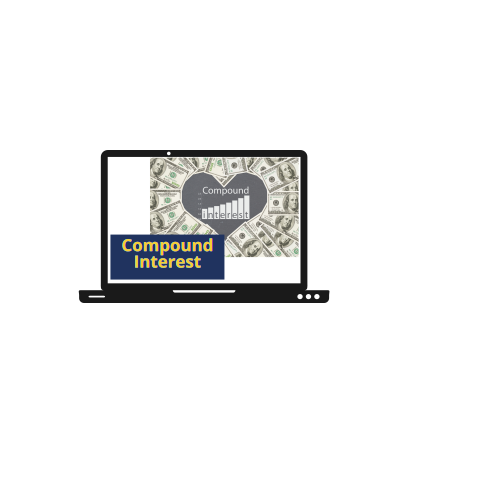
कंपाउंड इंटरेस्ट हा मागील कालावधीत जमा झालेल्या प्रिन्सिपल आणि इंटरेस्टवर कॅल्क्युलेट केलेला इंटरेस्ट आहे. हे साधे इंटरेस्टपेक्षा वेगळे आहे, जिथे पुढील कालावधीदरम्यान इंटरेस्ट कॅल्क्युलेट करताना प्रिन्सिपलमध्ये इंटरेस्ट जोडले जात नाही. गणितामध्ये, कम्पाउंड इंटरेस्ट सामान्यपणे सी.आय द्वारे दर्शविले जाते.
कंपाउंड इंटरेस्टचा वापर बँकिंग आणि फायनान्स सेक्टर आणि इतर क्षेत्रातील बहुतांश ट्रान्झॅक्शनमध्ये दिसून येतो. त्यातील काही ॲप्लिकेशन्स आहेत:
- लोकसंख्येत वाढ किंवा घट.
- बॅक्टेरियाची वाढ.
- वस्तूच्या मूल्यात वाढ किंवा डेप्रीसिएशन.
- सोप्या अटींमध्ये कम्पाउंड इंटरेस्ट म्हणजे इंटरेस्ट वर इंटरेस्ट. जेव्हा प्रिन्सिपलमध्ये मागील कालावधीचे संचयित इंटरेस्ट समाविष्ट असते आणि त्यावर इंटरेस्टची गणना केली जाते तेव्हा ते म्हणतात की ते कम्पाउंड इंटरेस्ट आहे. लोन, डिपॉझिट आणि इन्व्हेस्टमेंटवर कम्पाउंडिंग केले जाते.
- कम्पाउंडिंगची फ्रिक्वेन्सी ही मूलभूतपणे एका वर्षात इंटरेस्टची गणना किती वेळा केली जाते. दररोज, साप्ताहिक, मासिक, तिमाही, अर्ध-वार्षिक आणि वार्षिक हे सर्वात सामान्य कम्पाउंडिंग फ्रिक्वेन्सी आहेत.
- कम्पाउंडिंगची उच्च फ्रिक्वेन्सी, कम्पाउंड इंटरेस्टची अधिक रक्कम. कम्पाउंडिंगची फ्रिक्वेन्सी इन्स्ट्रुमेंटवर अवलंबून असते. क्रेडिट कार्ड लोन सामान्यपणे मासिक कंपाउंड केले जाते आणि सेव्हिंग्स बँक अकाउंट दररोज कंपाउंड केले जाते.
कम्पाउंड इंटरेस्ट कसे कॅल्क्युलेट करावे?
सोप्या फॉर्म्युलासह कम्पाउंड इंटरेस्टची गणना केली जाऊ शकते.
कम्पाउंड इंटरेस्ट = भविष्यातील प्रिन्सिपल आणि इंटरेस्टची एकूण रक्कम (किंवा फ्यूचर वॅल्यू) कमी प्रिन्सिपल रक्कम सध्या (किंवा वर्तमान मूल्य)
कम्पाउंड इंटरेस्ट = P [(1+I)N - 1]
जिथे P हे प्रिन्सिपल आहे,
मी इंटरेस्ट रेट आहे,
n म्हणजे कंपाउंडिंग कालावधीची संख्या.
कम्पाउंड इंटरेस्ट कॅल्क्युलेशनची फ्रिक्वेन्सी
कम्पाउंड इंटरेस्ट कॅल्क्युलेटरमध्ये यासाठी पर्याय समाविष्ट आहेत :
- दैनंदिन कम्पाउंडिंग
- मासिक कम्पाउंडिंग
- तिमाही कम्पाउंडिंग
- अर्धवार्षिक कम्पाउंडिंग
- वार्षिक कम्पाउंडिंग
साधे इंटरेस्टपेक्षा कम्पाउंड इंटरेस्ट का चांगले आहे?
कम्पाउंड इंटरेस्टमध्ये, इन्व्हेस्टमेंट साध्या इंटरेस्टपेक्षा अधिक वेगाने वाढते कारण इन्व्हेस्टमेंट तसेच मागील इंटरेस्ट दोन्हीवर इंटरेस्ट दिले जाते.
चला एक उदाहरण घेऊया:
यासाठी 1 लाख रुपयांची इन्व्हेस्टमेंट करावी लागेल. चला पाहूया की सोप्या आणि कम्पाउंड इंटरेस्टच्या पर्यायासह रिटर्न काय असेल, कारण 3 वर्षांच्या कालावधीसाठी इंटरेस्ट रेट वार्षिक 20% आहे.
कमवलेले सोपे इंटरेस्ट I = P*R*T/100 असेल
म्हणजेच, I = 1,00,000*20*3/100 = ₹ 60,000
आणि कम्पाउंड इंटरेस्टच्या बाबतीत, रक्कम P(1+r/n)^nt आहे
म्हणजे,
A = 1,00,000 (1+0.2) ^3
= 1,00,000(1.728)
= 1,72,800
म्हणून, I = A-P म्हणजेच 1,72,800-1,00,000
= रु. 72,800
त्यामुळे, इन्व्हेस्टमेंट रिटर्नसाठी कम्पाउंड इंटरेस्ट हा एक चांगला पर्याय असल्याचे सिद्ध होते. रिटर्न साधारण इंटरेस्टपेक्षा जास्त आहे.
निष्कर्ष
शेवटी, कम्पाउंड इंटरेस्ट ही एक शक्तिशाली फायनान्शियल संकल्पना आहे जी संपत्ती संकलनात वेळ आणि पुन्हा इन्व्हेस्टमेंटचे महत्त्व अधोरेखित करते. साधारण इंटरेस्टच्या विपरीत, जे केवळ प्रिन्सिपल रकमेवर कॅल्क्युलेट केले जाते, कम्पाउंड इंटरेस्ट इन्व्हेस्टरला केवळ त्यांच्या प्रारंभिक इन्व्हेस्टमेंटवरच नाही तर वेळेनुसार जमा होणाऱ्या इंटरेस्टवरही रिटर्न कमविण्याची परवानगी देते. ही प्रचंड वाढ सेव्हिंग्स आणि इन्व्हेस्टमेंट लक्षणीयरित्या वाढवू शकते, ज्यामुळे ते फायनान्शियल प्लॅनिंगमध्ये महत्त्वाचा घटक बनते. कम्पाउंड इंटरेस्ट समजून घेणे व्यक्तींना लवकर सेव्हिंग सुरू करण्यास, त्यांच्या योगदानात सातत्यपूर्ण राहण्यास आणि दीर्घकालीन फायनान्शियल लक्ष्य प्राप्त करण्यासाठी कम्पाउंडिंग इफेक्टचा लाभ घेण्यास प्रोत्साहित करते.