What Is Decision Fatigue?
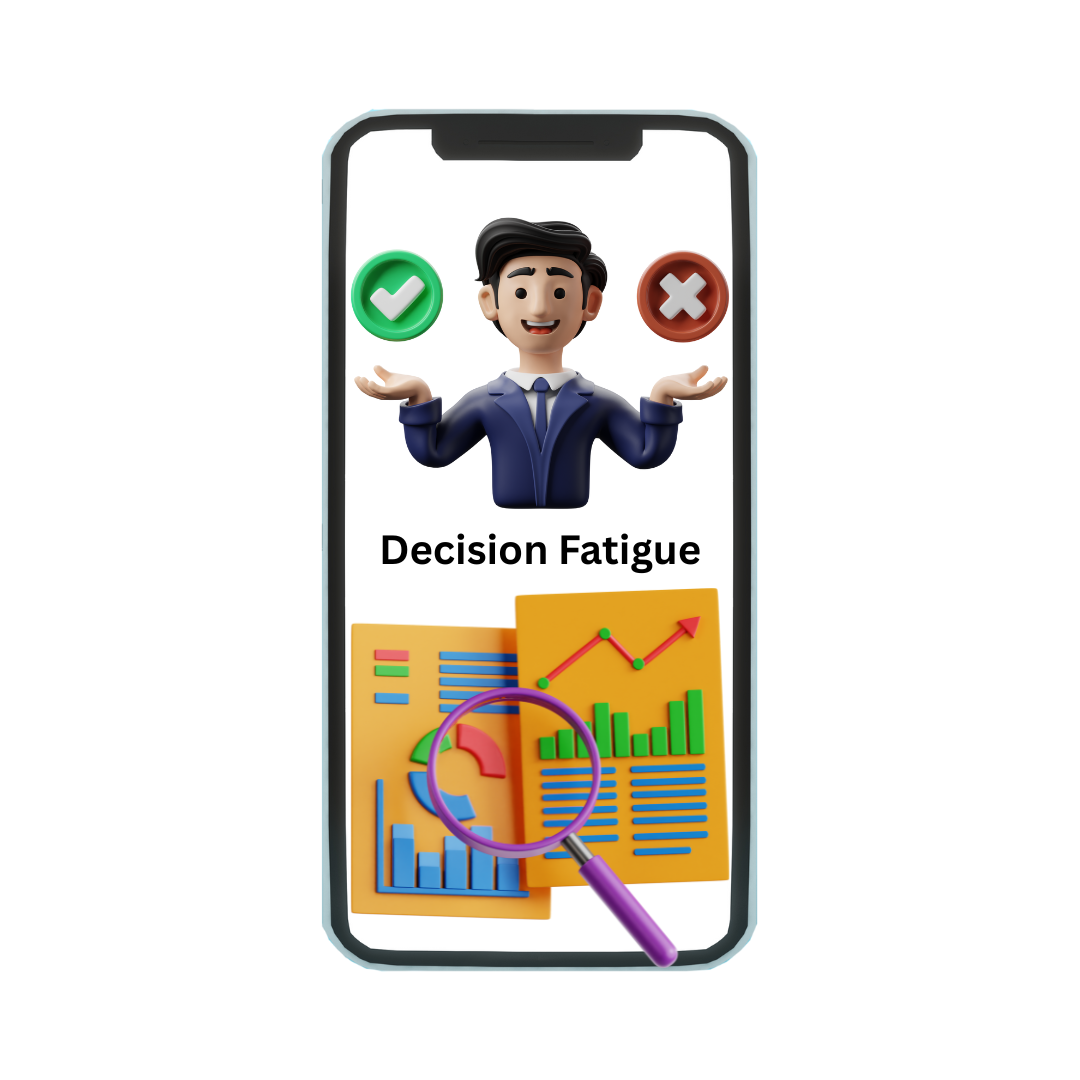
Decision fatigue refers to the mental exhaustion that occurs after making numerous decisions over a period of time. As the brain processes each choice, it gradually depletes its cognitive resources, leading to reduced decision-making quality. In the context of stock market trading, this can result in impulsive actions, missed opportunities, and deviation from planned strategies.
The Science Behind It
Psychologists have found that the human brain has a limited capacity for making decisions. Each choice, whether trivial or significant, consumes mental energy. Over time, this leads to fatigue, which impairs judgment, increases reliance on shortcuts, and reduces self-control. Traders, who often make dozens of decisions in a single trading session, are particularly vulnerable to this effect.
How Decision Fatigue Manifests in Trading
Decision fatigue can influence traders in various ways, often without their conscious awareness. The symptoms may appear subtle at first but can have significant consequences over time.
Overtrading
One common manifestation is overtrading. As mental energy wanes, traders may begin to place trades without proper analysis or justification. The urge to stay active in the market overrides rational thinking, leading to unnecessary risks.
Ignoring Risk Management
Fatigued traders may neglect stop-loss orders, increase position sizes, or skip risk assessments. These lapses can expose portfolios to greater volatility and potential losses.
Strategy Abandonment
Traders often develop strategies based on technical indicators, market trends, or fundamental analysis. Under decision fatigue, they may abandon these strategies in favor of impulsive decisions, believing they are adapting to market conditions when they are actually reacting emotionally.
Hesitation and Missed Opportunities
On the flip side, decision fatigue can also cause hesitation. Traders may second-guess their analysis, delay execution, or miss ideal entry and exit points due to mental overload.
Causes of Decision Fatigue in the Stock Market
Understanding the root causes of decision fatigue helps traders take proactive steps to manage it.
Information Overload
Modern trading platforms provide access to vast amounts of data—charts, news feeds, indicators, analyst opinions, and social media updates. While this information can be valuable, it can also overwhelm the brain, forcing traders to process too much at once.
Real-Time Pressure
Markets move quickly, and traders often feel pressured to make decisions within seconds. This constant urgency accelerates mental exhaustion and reduces the time available for thoughtful analysis.
Lack of Routine
Without a structured trading routine, traders may jump between tasks, strategies, and timeframes. This lack of consistency increases the number of decisions required and contributes to fatigue.
Emotional Involvement
Trading involves real money, and every decision carries emotional weight. Fear of loss, desire for profit, and the need to prove oneself can amplify stress and drain mental energy.
The Impact of Decision Fatigue on Trading Performance
Decision fatigue doesn’t just affect individual trades—it can undermine overall trading performance and long-term success.
Reduced Accuracy
Fatigued traders are more likely to misinterpret signals, overlook key data points, or miscalculate risk-reward ratios. These errors can accumulate and lead to poor outcomes.
Increased Emotional Trading
As cognitive control diminishes, emotional impulses take over. Traders may chase trends, revenge trade after losses, or hold onto losing positions longer than necessary.
Lower Confidence
Repeated mistakes caused by decision fatigue can erode a trader’s confidence. This leads to hesitation, self-doubt, and a reluctance to follow through on well-researched strategies.
Burnout
Chronic decision fatigue can lead to burnout—a state of physical and emotional exhaustion. Burnout reduces motivation, impairs focus, and may cause traders to withdraw from the market altogether.
Recognizing the Signs of Decision Fatigue
Identifying decision fatigue early allows traders to take corrective action before it affects performance.
Mental Exhaustion
Feeling mentally drained, even after a short trading session, is a key indicator. Traders may struggle to concentrate, feel overwhelmed by simple tasks, or experience brain fog.
Impulsive Behavior
Sudden deviations from planned strategies, frequent changes in trading style, or placing trades without analysis suggest fatigue-driven decision-making.
Avoidance
Traders may begin to avoid reviewing their trades, skip journaling, or delay planning sessions due to mental fatigue.
Emotional Volatility
Mood swings, frustration, and irritability during or after trading sessions can signal that decision fatigue is affecting emotional regulation.
Strategies to Manage and Prevent Decision Fatigue
While decision fatigue is a natural response to cognitive overload, it can be managed through deliberate strategies and habits.
Pre-Market Planning
Start each trading day with a clear plan. Define which stocks or instruments to monitor, what setups to look for, and the criteria for entry and exit. This reduces the number of decisions required during market hours.
Limit Watchlists
Focus on a manageable number of assets. Tracking too many instruments increases cognitive load and dilutes attention. A focused watchlist improves clarity and decision quality.
Use Checklists
Develop a checklist for trade execution. Include criteria such as trend confirmation, volume analysis, risk-reward ratio, and stop-loss placement. Checklists reduce impulsivity and reinforce discipline.
Time Blocking
Divide the trading day into structured blocks—analysis, execution, review, and breaks. Avoid continuous screen time, which accelerates fatigue. Short breaks help reset mental energy.
Automate Routine Tasks
Use alerts, scanners, and trading tools to automate repetitive tasks. This frees up cognitive resources for strategic decisions.
Maintain a Trading Journal
Document trades, reasoning, outcomes, and emotional states. Reviewing journal entries helps identify patterns of fatigue and refine strategies.
Building Mental Resilience for Trading
Managing decision fatigue also involves strengthening mental resilience through lifestyle and mindset adjustments.
Prioritize Sleep
Adequate sleep is essential for cognitive recovery. Traders who sleep well make better decisions, maintain focus, and regulate emotions more effectively.
Eat Mindfully
Nutrition affects brain function. Avoid heavy meals during trading hours and stay hydrated to maintain alertness.
Practice Mindfulness
Mindfulness techniques such as deep breathing, meditation, or short walks can reduce stress and improve mental clarity.
Set Realistic Goals
Avoid the pressure to trade constantly or achieve unrealistic returns. Focus on consistency and process rather than performance alone.
Limit External Noise
Reduce exposure to conflicting opinions, excessive news, and social media chatter. Curate information sources to maintain focus and reduce confusion.
Case Study: A Day in the Life of a Structured Trader
Consider a trader who begins the day with a pre-defined plan. They monitor five stocks, use a checklist for trade validation, and take scheduled breaks. By limiting decisions and following a routine, they maintain clarity and avoid impulsive behavior. At the end of the day, they review trades, note emotional responses, and adjust their plan for tomorrow. This structured approach minimizes decision fatigue and enhances performance.
Long-Term Benefits of Managing Decision Fatigue
Traders who actively manage decision fatigue experience several long-term benefits:
- Improved Consistency: Fewer impulsive trades and better adherence to strategy.
- Higher Confidence: Clear decision-making builds trust in one’s process.
- Better Risk Management: Thoughtful analysis leads to more disciplined risk control.
- Sustainable Trading: Reduced burnout ensures longevity in the markets.
Conclusion: Clarity Over Chaos
Decision fatigue is an invisible force that can quietly derail trading performance. By recognizing its signs, understanding its causes, and implementing structured strategies, traders can protect their mental bandwidth and make better decisions. In a market that rewards clarity and discipline, managing decision fatigue is not just helpful—it’s essential.