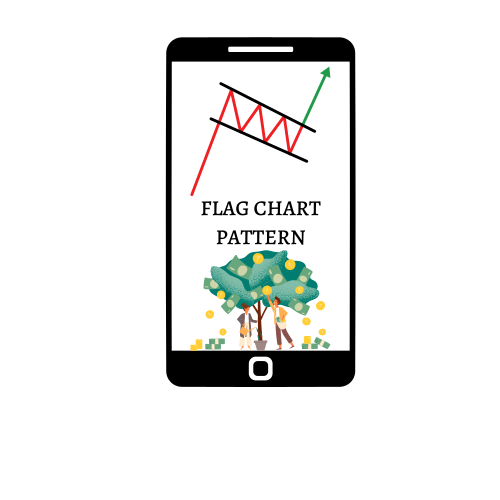
फ्लैग चार्ट पैटर्न व्यापक रूप से मान्यता प्राप्त टेक्निकल एनालिसिस पैटर्न ट्रेडर हैं, जो फाइनेंशियल मार्केट में संभावित निरंतरता सिग्नल की पहचान करने के लिए उपयोग करते हैं. यह आर्टिकल फ्लैग चार्ट पैटर्न, इसकी विशेषताओं और ट्रेडिंग रणनीतियों में इसका प्रभावी रूप से उपयोग कैसे किया जा सकता है, का ओवरव्यू प्रदान करेगा.
फ्लैग चार्ट पैटर्न क्या है?
फ्लैग चार्ट पैटर्न एक विशेष दिशा में पर्याप्त कीमत मूवमेंट के बाद एक निरंतर पैटर्न है. इसे एक संक्षिप्त समेकन अवधि द्वारा विशिष्ट किया जाता है, जहां पिछले ट्रेंड को फिर से शुरू करने से पहले कीमत संकुचित रेंज में पहुंच जाती है. पैटर्न का आकार फ्लैगपोल पर ध्वज के समान होता है, इसलिए "फ्लैग चार्ट पैटर्न" नाम दें
फ्लैग चार्ट पैटर्न में आमतौर पर दो मुख्य घटक होते हैं: एक फ्लैगपोल और फ्लैग खुद. फ्लैगपोल शुरुआती मजबूत कीमत मूवमेंट को दर्शाता है, जबकि फ्लैग समानांतर ट्रेंड लाइनों की एक श्रृंखला द्वारा बनाया जाता है जिसमें छोटी सीमा के भीतर कीमत कार्रवाई होती है.
फ्लैग पैटर्न कैसे काम करता है
एक फ्लैग पैटर्न बनाने से पता चलता है कि मार्केट के प्रतिभागी थोड़ी देर बाद रोकते हैं या महत्वपूर्ण कीमत बढ़ने के बाद अपनी सांस लेते हैं. यह प्रमुख ट्रेंड फिर से शुरू होने से पहले खरीदारों और विक्रेताओं के बीच अस्थायी संतुलन को दर्शाता है.
फ्लैग के निर्माण के दौरान, ट्रेडिंग वॉल्यूम आमतौर पर कम होता है, जो मार्केट गतिविधि में कमी को दर्शाता है. वॉल्यूम में यह कमी अक्सर पिछले ट्रेंड के ब्रेकआउट या जारी रहने से पहले होती है. ट्रेडर फ्लैग पैटर्न के ब्रेकआउट की बारीकी से निगरानी करते हैं क्योंकि यह पहले की तरह ही एक ही दिशा में नए प्राइस ट्रेंड की शुरुआत का संकेत दे सकता है.
बेरिश या बुलिश फ्लैग पैटर्न की पहचान कैसे करें
भविष्य में प्राइस मूवमेंट की संभावित दिशा निर्धारित करने के लिए ट्रेडर के लिए बेयरिश या बुलिश फ्लैग पैटर्न की पहचान करना महत्वपूर्ण है. फ्लैग पैटर्न का विश्लेषण करते समय विचार करने लायक कुछ प्रमुख विशेषताएं यहां दी गई हैं:
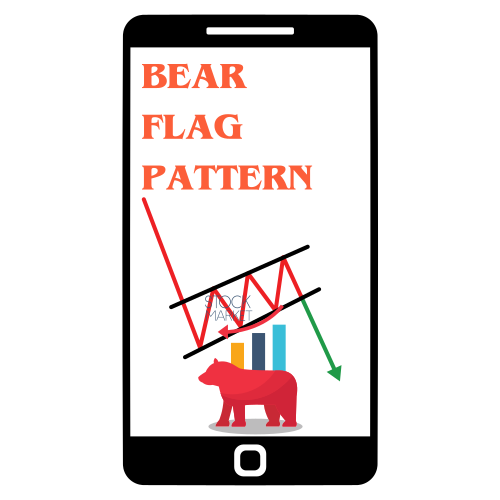
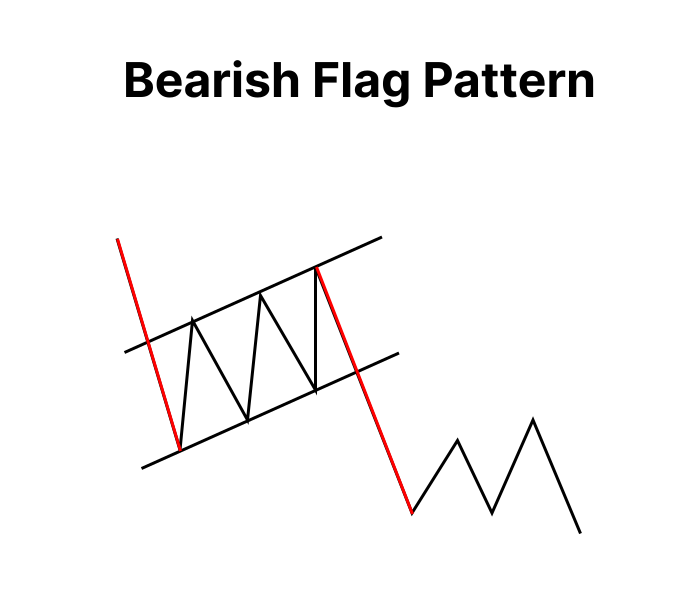
- बेयरिश फ्लैग पैटर्न: एक बेयरिश फ्लैग एक महत्वपूर्ण डाउनवर्ड प्राइस मूवमेंट (फ्लैगपोल) के बाद होता है. बाद का फ्लैग एक समेकन चरण है जहां कीमत एक संकीर्ण रेंज के भीतर ट्रेड होती है. फ्लैग से ब्रेकआउट आमतौर पर शुरुआती गिरावट के समान दिशा में होता है, जो डाउनट्रेंड की निरंतरता को दर्शाता है.
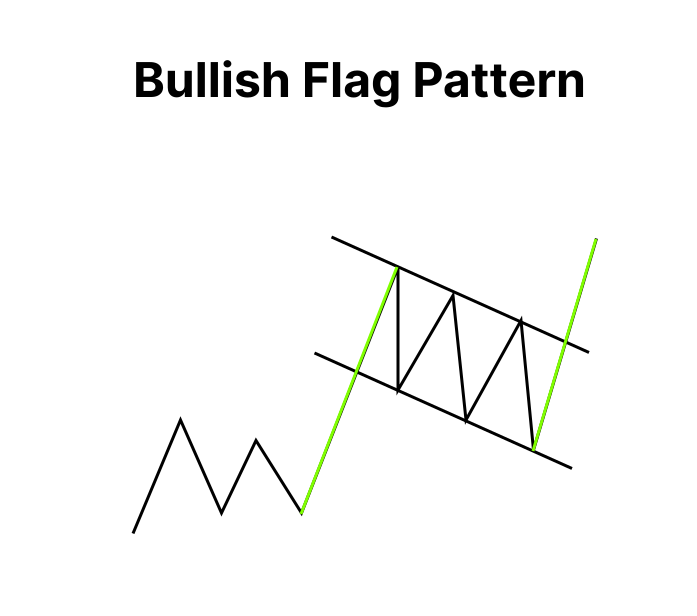
- बुलिश फ्लैग पैटर्न: एक बुलिश फ्लैग काफी ऊपर की ओर प्राइस मूवमेंट (फ्लैगपोल) के बाद बनता है. फ्लैग समेकन की अवधि को दर्शाता है जहां कीमत टाइट रेंज के भीतर ट्रेड होती है. जब फ्लैग की ऊपरी सीमा से कीमत समाप्त हो जाती है, तो यह अपट्रेंड को जारी रखने का सुझाव देता है.

फ्लैग पैटर्न उदाहरण
विभिन्न मार्केट परिस्थितियों में अपनी घटना को दर्शाने के लिए फ्लैग पैटर्न के तीन उदाहरण यहां दिए गए हैं:
- उदाहरण 1: XYZ स्टॉक
- फ्लैग का प्रकार: बेयरिश फ्लैग पैटर्न
- फ्लैगपोल: XYZ स्टॉक $50 से घटकर $40 हो गया.
- फ्लैग निर्माण: $42 और $44 के बीच ट्रेड की गई कीमत के रूप में निर्मित बाद का फ्लैग.
- ब्रेकआउट: फ्लैग की निचली सीमा से नीचे कीमत टूट गई, जिससे डाउनट्रेंड की निरंतरता की पुष्टि होती है.
- उदाहरण 2: ABC करेंसी पेयर
- फ्लैग का प्रकार: बुलिश फ्लैग पैटर्न
- फ्लैगपोल: ABC करेंसी जोड़ी ने 1.2000 से 1.2500 तक एक महत्वपूर्ण रैली का अनुभव किया.
- फ्लैग निर्माण: 1.2300 और 1.2400 के बीच समेकित मूल्य के रूप में विकसित किया गया बाद का फ्लैग.
- ब्रेकआउट: फ्लैग की ऊपरी सीमा से ऊपर कीमत टूट गई, जो अपट्रेंड के दोबारा शुरू होने का संकेत देती है.
- उदाहरण 3: कमोडिटी फ्यूचर्स
- फ्लैग का प्रकार: बेयरिश फ्लैग पैटर्न
- फ्लैगपोल: कमोडिटी फ्यूचर्स कॉन्ट्रैक्ट $100 से $80 तक कम हुआ.
- फ्लैग निर्माण: फ्लैग पैटर्न $82 और $86 के बीच ट्रेड की गई कीमत के रूप में उभरा.
- ब्रेकआउट: फ्लैग की निचली सीमा से नीचे कीमत टूट गई, जो डाउनवर्ड ट्रेंड की निरंतरता को दर्शाता है.
फ्लैग पैटर्न कैसे ट्रेड करें
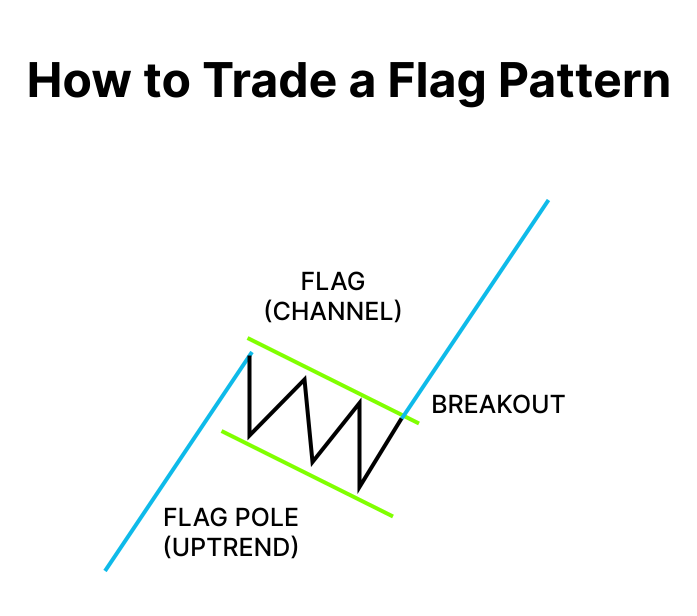
फ्लैग पैटर्न को ट्रेडिंग करने के लिए सावधानीपूर्वक विश्लेषण और विभिन्न कारकों पर विचार करने की आवश्यकता होती है. ट्रेडर्स को इस पैटर्न का प्रभावी उपयोग करने में मदद करने के लिए यहां कुछ पॉइंटर्स दिए गए हैं:
- फ्लैग पैटर्न की पहचान करें: स्पष्ट रूप से परिभाषित समानांतर ट्रेंड लाइन के साथ समेकन चरण (फ्लैग) के बाद एक महत्वपूर्ण कीमत मूवमेंट (फ्लैगपोल) देखें.
- ब्रेकआउट की पुष्टि करें: अधिक ट्रेडिंग वॉल्यूम के साथ फ्लैग की ऊपरी या निचले सीमा से कीमत को तोड़ने की प्रतीक्षा करें. यह ब्रेकआउट पहले के ट्रेंड को जारी रखने की पुष्टि करता है.
- एंट्री और एग्जिट पॉइंट सेट करें: ब्रेकआउट होने के बाद अपने ट्रेड के लिए एंट्री पॉइंट निर्धारित करें. बुलिश फ्लैग की निम्न सीमा से नीचे या बियरिश फ्लैग की ऊपरी सीमा से ऊपर स्टॉप-लॉस ऑर्डर देने पर विचार करें. फ्लैगपोल की लंबाई के आधार पर लाभ लक्ष्य स्थापित करें या अतिरिक्त पुष्टिकरण के लिए अन्य तकनीकी संकेतकों का उपयोग करें.
- रिस्क को मैनेज करें: उपयुक्त स्टॉप-लॉस लेवल और पोजीशन साइज़ सेट करके उचित रिस्क मैनेजमेंट तकनीकों को लागू करें. ट्रेड में प्रवेश करने से पहले हमेशा risk-to-reward रेशियो पर विचार करें.
बुल फ्लैग बनाम बीयर फ्लैग
ट्रेडिंग में, बुल फ्लैग और बीयर फ्लैग के बीच अंतर करना आवश्यक है. हालांकि दोनों पैटर्न जारी रखने के पैटर्न हैं, लेकिन वे अलग-अलग मार्केट स्थितियों में होते हैं और अलग-अलग कीमत दिशाओं को दर्शाते हैं:
- बुल फ्लैग: मार्केट में बुल फ्लैग बन जाता है और कीमत बढ़ने से पहले अस्थायी विराम का संकेत देता है. यह एक अपवर्ड ट्रेंड के भीतर एक समेकन चरण को दर्शाता है, जिसके बाद आमतौर पर अपसाइड के लिए ब्रेकआउट होता है.
- बीयर फ्लैग: डाउन-ट्रेंडिंग मार्केट के दौरान बीयर फ्लैग होता है और कीमत में गिरावट शुरू होने से पहले एक संक्षिप्त समेकन को दर्शाता है. यह एक डाउनवर्ड ट्रेंड के भीतर अस्थायी राहत की अवधि को दर्शाता है और आमतौर पर डाउनसाइड में ब्रेकडाउन होता है.
ट्रेडर्स के लिए प्राइस पैटर्न का विश्लेषण करने और सूचित करने के लिए बुल फ्लैग और बीयर फ्लैग के बीच अंतर को समझना महत्वपूर्ण है
प्रभावी रूप से ट्रेडिंग निर्णय.
फ्लैग पैटर्न और पेनेंट के बीच अंतर
जहां फ्लैग पैटर्न और पेनेंट कुछ समानताएं साझा करते हैं, वहीं इनमें अलग-अलग विशेषताएं होती हैं जो उन्हें एक-दूसरे से अलग करती हैं:
- फ्लैग पैटर्न: एक फ्लैग पैटर्न में समानांतर ट्रेंड लाइन होती हैं जिसमें एक छोटी रेंज के भीतर प्राइस एक्शन होता है. यह आमतौर पर आयताकार होता है और एक महत्वपूर्ण कीमत मूवमेंट के बाद एक संक्षिप्त समेकन चरण को दर्शाता है. फ्लैग से ब्रेकआउट पहले ट्रेंड के समान दिशा में होता है.
- पेनेंट: एक पेनेंट को त्रिभुज आकार बनाने वाली ट्रेंड लाइनों को कन्वर्ट करके बनाया जाता है. यह कीमत के पिछले ट्रेंड को जारी रखने से पहले शॉर्ट-टर्म कंसोलिडेशन को दर्शाता है. पेनेंट से ब्रेकआउट किसी भी दिशा में हो सकता है, जो ट्रेंड रिवर्सल की क्षमता का संकेत देता है.
हालांकि दोनों पैटर्न मार्केट डायनेमिक्स के बारे में महत्वपूर्ण जानकारी प्रदान कर सकते हैं, लेकिन ट्रेडर को सही तरीके से यह पहचानना चाहिए कि वे सूचित ट्रेडिंग निर्णय लेने के लिए फ्लैग पैटर्न या पेनेंट से डील कर रहे हैं या नहीं.
निष्कर्ष
अंत में, फ्लैग चार्ट पैटर्न ट्रेडर्स के लिए फाइनेंशियल मार्केट में संभावित निरंतरता संकेतों की पहचान करने के लिए एक शक्तिशाली टूल है. पैटर्न की विशेषताओं को समझकर और प्राइस मूवमेंट का प्रभावी विश्लेषण करके, ट्रेडर अपनी ट्रेडिंग स्ट्रेटेजी को बढ़ा सकते हैं और सफलता की संभावनाओं को बेहतर बना सकते हैं.
याद रखें, फ्लैग पैटर्न को बढ़ी हुई ट्रेडिंग वॉल्यूम के साथ ब्रेकआउट के माध्यम से कन्फर्मेशन की आवश्यकता होती है. उचित रिस्क मैनेजमेंट तकनीकों को लागू करना और ट्रेडिंग निर्णयों को सपोर्ट करने के लिए अन्य तकनीकी संकेतकों का उपयोग करना महत्वपूर्ण है. निरंतर प्रैक्टिस, निरीक्षण और विश्लेषण से ट्रेडर्स को विभिन्न मार्केट स्थितियों में फ्लैग पैटर्न की पहचान करने के लिए गहरी नजर विकसित करने में मदद मिलेगी.