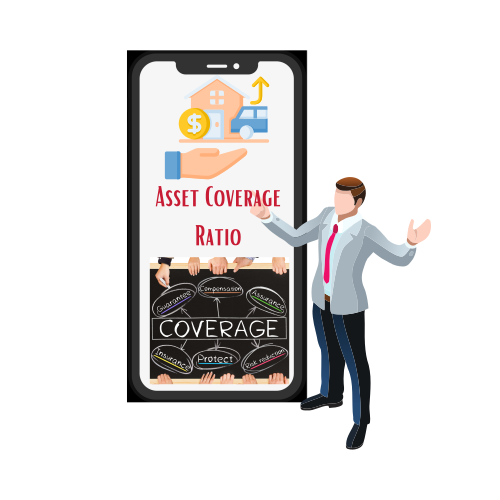
એસેટ કવરેજ રેશિયો (ACR) એ એક નાણાંકીય મેટ્રિક છે જેનો ઉપયોગ કંપનીની તેની મૂર્ત સંપત્તિઓ સાથે તેની કુલ દેવાની જવાબદારીઓને પૂર્ણ કરવાની ક્ષમતાનું મૂલ્યાંકન કરવા માટે કરવામાં આવે છે. તે કુલ અસ્ક્યામતોમાંથી વર્તમાન જવાબદારીઓને બાદ કરીને અને પરિણામને કુલ ડેબ્ટ દ્વારા વિભાજિત કરીને ગણવામાં આવે છે.
એસીઆર કંપનીના ફાઇનાન્શિયલ સ્વાસ્થ્ય વિશે જાણકારી પ્રદાન કરે છે, જે દર્શાવે છે કે તેની જવાબદારીઓને કવર કરવા માટે તેની પાસે પૂરતી સંપત્તિ છે કે નહીં. 1 કરતાં વધુ રેશિયો સૂચવે છે કે કંપની તેની કરજની જવાબદારીઓને આરામદાયક રીતે પૂર્ણ કરી શકે છે, જ્યારે 1 થી ઓછો રેશિયો તેની ફાઇનાન્શિયલ સ્થિરતા વિશે ચિંતાઓને ઉઠાવે છે. રોકાણકારો અને લેણદારો ક્રેડિટ યોગ્યતા અને જોખમનું મૂલ્યાંકન કરવા માટે એસીઆરનો ઉપયોગ કરે છે.
એસેટ કવરેજ રેશિયોની મુખ્ય વિશેષતાઓ:
સૂત્ર: એસેટ કવરેજ રેશિયોની ગણતરી નીચેના સૂત્રનો ઉપયોગ કરીને કરવામાં આવે છે:
એસેટ કવરેજ રેશિયો = કુલ સંપત્તિ − વર્તમાન જવાબદારીઓ / કુલ ડેબ્ટ
વૈકલ્પિક રીતે, કેટલીક ગણતરીઓ ફોર્મ્યુલાનો ઉપયોગ કરી શકે છે:
એસેટ કવરેજ રેશિયો = મૂર્ત અસ્કયામતો / કુલ ડેબ્ટ
જ્યાં:
- કુલ સંપત્તિઃ કંપનીની માલિકીની તમામ સંપત્તિઓ.
- વર્તમાન જવાબદારીઓ: એક વર્ષની અંદર બાકી ટૂંકા ગાળાની જવાબદારીઓ.
- કુલ ડેબ્ટ: તમામ લાંબા ગાળાના અને ટૂંકા ગાળાના ડેબ્ટનો સરવાળો.
અર્થઘટન:
- 1 થી વધુ એસીઆર સૂચવે છે કે કંપનીની જવાબદારીઓ કરતાં વધુ સંપત્તિ છે, જે સૂચવે છે કે તે તેના દેવાની જવાબદારીઓને સરળતાથી પૂર્ણ કરી શકે છે.
- 1 થી ઓછા એસીઆરનો અર્થ એ છે કે કંપનીની જવાબદારીઓ તેની સંપત્તિઓ કરતાં વધી જાય છે, જે દેવાંને આવરી લેવાની તેની ક્ષમતા વિશે ચિંતા ઉભી કરે છે.
મૂર્ત સંપત્તિઓ:
- આ રેશિયો સામાન્ય રીતે મૂર્ત અસ્કયામતો પર ધ્યાન કેન્દ્રિત કરે છે, જેમ કે પ્રોપર્ટી, સાધનો અને ઇન્વેન્ટરી, કારણ કે પેટન્ટ અથવા ગુડવિલ જેવી અમૂર્ત અસ્કયામતોની તુલનામાં આ વધુ સરળતાથી રોકડમાં રૂપાંતરિત કરી શકાય છે.
મહત્વ:
- ધિરાણપાત્રતા: ધિરાણકર્તાઓ અને લેણદારો ACR નો ઉપયોગ કંપનીને ધિરાણના રિસ્કનું મૂલ્યાંકન કરવા માટે કરે છે. ઉચ્ચ રેશિયો વધુ સારી ઉધારની શરતો અને ઓછા ઇન્ટરેસ્ટ દરો તરફ દોરી શકે છે.
- ફાઇનાન્શિયલ વિશ્લેષણ: રોકાણકારો અને વિશ્લેષકો કંપનીની ફાઇનાન્શિયલ સ્થિરતા અને લાંબા ગાળાની યોગ્યતાનું મૂલ્યાંકન કરવા માટે એસીઆરનો ઉપયોગ કરે છે. એક મજબૂત ACR સૂચવે છે કે કંપની આર્થિક મંદીને કારણે સારી રીતે સ્થિત છે.
ઇન્ડસ્ટ્રી વેરિએશન:
- વિવિધ ઉદ્યોગોમાં "સ્વસ્થ" ACR નું ગઠન કરવા માટે વિવિધ બેન્ચમાર્ક હોઈ શકે છે. મૂડી-સઘન ઉદ્યોગો, જેમ કે ઉત્પાદન અથવા ઉપયોગિતાઓ, સામાન્ય રીતે ટેક્નોલોજી કંપનીઓ કરતાં ઉચ્ચ ગુણોત્તર પ્રદર્શિત કરી શકે છે, જેમાં ઓછા એસેટ બેઝ હોઈ શકે છે.
મર્યાદાઓ:
- એસીઆર અસ્ક્યામતોની લિક્વિડિટીને ધ્યાનમાં લેતા નથી, એટલે કે કંપની પાસે ઉચ્ચ એસેટ કવરેજ હોઈ શકે છે પરંતુ જો તે અસ્ક્યામતોને ઝડપથી રોકડમાં રૂપાંતરિત કરી શકાતી નથી તો હજુ પણ રોકડ પ્રવાહ સાથે સંઘર્ષ કરે છે.
- તે અસ્ક્યામતોની ગુણવત્તા માટે એકાઉન્ટ નથી. ઉદાહરણ તરીકે, જો કોઈ કંપનીની સંપત્તિ જૂની છે અથવા માંગમાં નથી, તો તેઓ જવાબદારીઓ માટે અપેક્ષિત કવરેજ પ્રદાન કરી શકશે નહીં.
નિષ્કર્ષ
એસેટ કવરેજ રેશિયો (એસીઆર) એક આવશ્યક ફાઇનાન્શિયલ મેટ્રિક છે જે કંપનીની સંપત્તિ સાથે તેના દેવાંને આવરી લેવાની ક્ષમતા વિશે જાણકારી પ્રદાન કરે છે. મૂર્ત સંપત્તિઓ અને જવાબદારીઓ વચ્ચેના સંબંધ પર ધ્યાન કેન્દ્રિત કરીને, ACR ફાઇનાન્શિયલ સ્વાસ્થ્ય, ક્રેડિટ યોગ્યતા અને એકંદર જોખમના મહત્વપૂર્ણ સૂચક તરીકે કાર્ય કરે છે. રોકાણકાર, લેણદારો અને વિશ્લેષકોએ કંપનીની ફાઇનાન્શિયલ સ્થિતિ અને ભવિષ્યના વિકાસની સંભાવનાઓની કોમ્પ્રિહેન્સિવ સમજ મેળવવા માટે અન્ય ફાઇનાન્શિયલ રેશિયો અને મેટ્રિક્સ સાથે એસીઆરને ધ્યાનમાં લેવું જોઈએ.