સરેરાશ વાર્ષિક વૃદ્ધિ દર (એએજીઆર) શું છે?
સરેરાશ વાર્ષિક વૃદ્ધિ દર (એએજીઆર) એ ચોક્કસ સમયગાળામાં ક્વૉન્ટિટીની સરેરાશ વૃદ્ધિને માપવા માટે સામાન્ય રીતે ઉપયોગમાં લેવાતા મેટ્રિક છે. તે ખાસ કરીને નાણાંકીય વિશ્લેષણ, વ્યવસાય આયોજન અને રોકાણ મૂલ્યાંકનમાં ઉપયોગી છે.
ફોર્મ્યુલા
સરેરાશ વાર્ષિક વિકાસ દર (એએજીઆર) ની ગણતરી માટે ફોર્મ્યુલા છે:
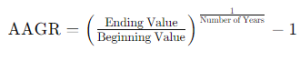
જ્યાં:
- અંતિમ મૂલ્ય: સમયગાળાના અંતે ક્વૉન્ટિટીનું મૂલ્ય.
- શરૂઆતનું મૂલ્ય: સમયગાળાની શરૂઆતમાં ક્વૉન્ટિટીનું મૂલ્ય.
- વર્ષોની સંખ્યા: જે વર્ષોમાં વૃદ્ધિ થઈ હતી તેની સંખ્યા.
ગણતરી
ચાલો કહીએ કે તમે 5-વર્ષના સમયગાળામાં કંપનીની આવકની ગણતરી કરવા માંગો છો:
- શરૂઆતનું મૂલ્ય (સમયગાળાની શરૂઆતમાં આવક): ₹ 1,000,000
- અંતિમ મૂલ્ય (સમયગાળાના અંતે આવક): ₹ 1,800,000
- વર્ષોની સંખ્યા: 5 વર્ષ
AAGR = (1800,000/1,000,000)1/5 - 1
AAGR = (1.8)0.2−1
AAGR=1.1487−1
AAGR=0.1487
AAGR≈14.87%
આ ઉદાહરણમાં, 5-વર્ષના સમયગાળામાં કંપનીની આવકનો સરેરાશ વાર્ષિક વિકાસ દર (એજીઆર) આશરે 14.87% છે. આનો અર્થ એ છે કે, સરેરાશ, કંપનીની આવક નિર્દિષ્ટ સમયગાળામાં દર વર્ષે લગભગ 14.87% વધી છે.
AAGR નો અર્થઘટન
સરેરાશ વાર્ષિક વિકાસ દર (એએજીઆર) એ એક મૂલ્યવાન મેટ્રિક છે જેનો ઉપયોગ સરેરાશ દરને સમજવા માટે કરવામાં આવે છે જેના પર એક ચોક્કસ સમયગાળામાં જથ્થો (જેમ કે આવક, નફો, રોકાણ વગેરે) વધ્યો છે. AAGR ને અસરકારક રીતે કેવી રીતે અર્થઘટન કરવું તે અહીં આપેલ છે:
- વૃદ્ધિનો દર: AAGR આપેલ સમયગાળા માટે દર વર્ષે સરેરાશ ટકાવારીમાં વધારો અથવા ઘટાડો સૂચવે છે. ઉદાહરણ તરીકે, 10% ની AGR નો અર્થ એ છે કે, સરેરાશ, પ્રશ્નમાં ક્વૉન્ટિટી નિર્દિષ્ટ સમયગાળામાં દર વર્ષે 10% વધી છે.
- સરળ વિકાસ દર: AAGR વૃદ્ધિમાં વાર્ષિક વધઘટને સરળ બનાવે છે અને એકંદર વૃદ્ધિના વલણનું એકીકૃત દૃશ્ય પ્રદાન કરે છે. તે વ્યક્તિગત વર્ષ-થી-વર્ષના ફેરફારો પર ધ્યાન કેન્દ્રિત કરવાને બદલે સમય જતાં વૃદ્ધિની સતત ગતિને સમજવામાં મદદ કરે છે.
- તુલનાત્મક વિશ્લેષણ: AAGR વિવિધ સંસ્થાઓ અથવા સમયગાળા વચ્ચે તુલના કરવાની મંજૂરી આપે છે. ઉદાહરણ તરીકે, બે કંપનીઓ વચ્ચે આવકની વૃદ્ધિની તુલના કરવાથી તે જાહેર થઈ શકે છે કે કઈ કંપનીએ એક જ સમયગાળામાં ઝડપી અથવા વધુ સાતત્યપૂર્ણ વૃદ્ધિનો અનુભવ કર્યો છે.
- આગાહી અને અનુમાન: ઐતિહાસિક વિકાસના વલણોના આધારે ભવિષ્યના પ્રદર્શનની આગાહી કરવા માટે AAGR નો ઉપયોગ કરી શકાય છે. જો કે, ભવિષ્યની વૃદ્ધિને અસર કરી શકે તેવા અન્ય પરિબળોને ધ્યાનમાં લેવું મહત્વપૂર્ણ છે, જેમ કે બજારની સ્થિતિઓ, સ્પર્ધા અને આર્થિક પરિબળો.
- ઇન્વેસ્ટમેન્ટ પરફોર્મન્સ: ઇન્વેસ્ટમેન્ટમાં, સ્ટૉક, મ્યુચ્યુઅલ ફંડ અથવા પોર્ટફોલિયોના પરફોર્મન્સનું મૂલ્યાંકન કરવા માટે AAGR મહત્વપૂર્ણ છે. તે રોકાણકારોને ચોક્કસ સમયસીમામાં તેમના રોકાણ પર સરેરાશ વાર્ષિક વળતરનું મૂલ્યાંકન કરવામાં મદદ કરે છે.
- લાંબા ગાળાનું આયોજન: બિઝનેસ લાંબા ગાળાની વ્યૂહરચનાઓનું આયોજન કરવા અને વાસ્તવિક વિકાસના લક્ષ્યો સેટ કરવા માટે AAGR નો ઉપયોગ કરે છે. તે વર્તમાન વિકાસ દરો ટકાઉ છે કે નહીં અથવા જો ઇચ્છિત ઉદ્દેશો પ્રાપ્ત કરવા માટે ગોઠવણની જરૂર હોય તો તે વિશેની માહિતી પ્રદાન કરે છે.
- જોખમ મૂલ્યાંકન: ઘટાડો અથવા નકારાત્મક એગ્રી બિઝનેસ અથવા રોકાણમાં પડકારો અથવા નબળાઈઓને સૂચવી શકે છે. તે હિસ્સેદારોને અંતર્નિહિત પરિબળોનું વિશ્લેષણ કરવા અને વિકાસની સંભાવનાઓને સુધારવા માટે સુધારાત્મક પગલાં લેવા માટે પ્રોત્સાહિત કરે છે.
- સંદર્ભિત સમજણ: AAGR ને ઉદ્યોગ, આર્થિક પર્યાવરણ અને પ્રશ્નમાં એન્ટિટીને અસર કરતી ચોક્કસ પરિસ્થિતિઓના સંદર્ભમાં અર્થઘટન કરવું જોઈએ. ઉચ્ચ આગર પ્રભાવશાળી હોઈ શકે છે, પરંતુ તે ટકાઉ અને વ્યાપક માર્કેટ ડાયનેમિક્સ સાથે સંરેખિત હોવું જરૂરી છે.
AAGR ની અરજીઓ
સરેરાશ વાર્ષિક વિકાસ દર (એએજીઆર) વિવિધ ક્ષેત્રોમાં વિવિધ અરજીઓ શોધે છે, ખાસ કરીને નાણાં, અર્થશાસ્ત્ર, વ્યવસાય વિશ્લેષણ અને રોકાણ મૂલ્યાંકનમાં. AAGR ની કેટલીક મુખ્ય એપ્લિકેશનો અહીં આપેલ છે:
- ફાઇનાન્શિયલ એનાલિસીસ:
- આવક અને નફાની વૃદ્ધિ: એએજીઆરનો ઉપયોગ સામાન્ય રીતે ચોક્કસ સમયગાળામાં કંપનીના આવક અથવા નફાની સરેરાશ વાર્ષિક વૃદ્ધિનું વિશ્લેષણ કરવા માટે કરવામાં આવે છે. તે કંપનીની કામગીરી અને આવક પેદા કરવામાં વલણનું મૂલ્યાંકન કરવામાં મદદ કરે છે.
- સંપત્તિની વૃદ્ધિ: એએજીઆરને સંપત્તિના વિકાસ દર, જેમ કે કુલ સંપત્તિ, નેટ વર્થ અથવા પોર્ટફોલિયો વેલ્યૂનું મૂલ્યાંકન કરવા માટે લાગુ કરી શકાય છે, જે સંપત્તિ સંચય દર વિશે જાણકારી પ્રદાન કરે છે.
- રોકાણનું મૂલ્યાંકન:
- ઇન્વેસ્ટમેન્ટ રિટર્ન: સ્ટૉક, મ્યુચ્યુઅલ ફંડ અથવા પોર્ટફોલિયો જેવા ઇન્વેસ્ટમેન્ટ પર સરેરાશ વાર્ષિક રિટર્નનું મૂલ્યાંકન કરવા માટે AAGR મહત્વપૂર્ણ છે. તે રોકાણકારોને સમાન સમયગાળામાં વિવિધ રોકાણોના પ્રદર્શનની તુલના કરવામાં મદદ કરે છે.
- પોર્ટફોલિયો મેનેજમેન્ટ: પોર્ટફોલિયો મેનેજરો તેમના ઇન્વેસ્ટમેન્ટ પોર્ટફોલિયોના વિકાસ દરને માપવા માટે AAGR નો ઉપયોગ કરે છે, વ્યૂહાત્મક એસેટ ફાળવણી અને પરફોર્મન્સ બેન્ચમાર્કિંગમાં સહાય કરે છે.
- બિઝનેસ પ્લાનિંગ:
- વ્યૂહાત્મક આયોજન: વ્યવસાયો AAGRનો ઉપયોગ વૃદ્ધિના લક્ષ્યો સેટ કરવા અને ઐતિહાસિક વૃદ્ધિના વલણોના આધારે વ્યૂહાત્મક યોજનાઓ બનાવવા માટે કરે છે. તે ભવિષ્યના પરફોર્મન્સની આગાહી કરવામાં અને વિકાસના ઉદ્દેશો સાથે બિઝનેસ સ્ટ્રેટેજીને સંરેખિત કરવામાં મદદ કરે છે.
- માર્કેટનું વિસ્તરણ: AAGR વ્યવસાયોને નવા બજારો અથવા પ્રૉડક્ટ લાઇનમાં ઐતિહાસિક વિકાસ દરોને સમજીને માર્કેટ વિસ્તરણની તકોનું મૂલ્યાંકન કરવામાં મદદ કરે છે.
- ઇકોનોમિક એનાલિસીસ:
- ક્ષેત્રનું વિશ્લેષણ: અર્થશાસ્ત્રીઓ અને વિશ્લેષકો આર્થિક ક્ષેત્રો અથવા ઉદ્યોગોના વિકાસ દરોનું વિશ્લેષણ કરવા માટે એએજીઆરનો ઉપયોગ કરે છે, જે ક્ષેત્રીય કામગીરી અને વલણો વિશે જાણકારી પ્રદાન કરે છે.
- GDP વૃદ્ધિ: AAGR ને ગ્રોસ ડોમેસ્ટિક પ્રોડક્ટ (GDP) અથવા અન્ય મેક્રોઇકોનોમિક સૂચકોના સરેરાશ વાર્ષિક વૃદ્ધિ દરને માપવા માટે લાગુ કરી શકાય છે, જે આર્થિક પૉલિસી વિશ્લેષણની સુવિધા આપે છે.
- આગાહી અને અંદાજો:
- ભવિષ્યના વિકાસનો અંદાજ: AAGR ઐતિહાસિક ડેટાના આધારે ભવિષ્યના વિકાસના વલણોની આગાહી કરવા માટે આધાર તરીકે કાર્ય કરે છે. તે ભવિષ્યની આવક, નફા અથવા બજારની માંગની આગાહી કરવામાં મદદ કરે છે.
- જોખમનું મૂલ્યાંકન: AAGR સાથે આગાહી કરવાથી સંભવિત વિકાસની અનિશ્ચિતતાઓ અથવા મંદીને ઓળખીને બિઝનેસ અથવા રોકાણના જોખમોનું મૂલ્યાંકન કરવામાં મદદ મળે છે.
- પરફોર્મન્સની તુલના:
- બેંચમાર્કિંગ: એએજીઆર એકમો વચ્ચે વિકાસ દરોની તુલના કરવાની મંજૂરી આપે છે, જેમ કે કંપનીઓ વચ્ચે આવકની વૃદ્ધિ અથવા ફંડ વચ્ચે ઇન્વેસ્ટમેન્ટ રિટર્નની તુલના કરવી. તે પરફોર્મન્સમાં લીડર્સ અને લેગાર્ડને ઓળખવામાં મદદ કરે છે.
- લાંબા ગાળાનું આયોજન અને નિર્ણય લેવો:
- વ્યૂહાત્મક નિર્ણય સહાય: એએજીઆર લાંબા ગાળાની આયોજન અને નિર્ણય લેવાની પ્રક્રિયાઓ માટે ડેટા-સંચાલિત આંતરદૃષ્ટિઓ સાથે નિર્ણય લેનારાઓને પ્રદાન કરે છે. તે સંસાધન ફાળવણી, ઇન્વેસ્ટમેન્ટ પ્રાથમિકતાઓ અને વિસ્તરણ વ્યૂહરચનાઓને જાણ કરે છે.
સરેરાશ વાર્ષિક વૃદ્ધિ દરની મર્યાદાઓ
જ્યારે સરેરાશ વાર્ષિક વિકાસ રેટ (AGR) સમય જતાં વિકાસના વલણોને માપવા માટે એક ઉપયોગી મેટ્રિક છે, ત્યારે તેમાં ઘણી મર્યાદાઓ છે જેને આ મેટ્રિકનું અર્થઘટન અને ઉપયોગ કરતી વખતે ધ્યાનમાં લેવી જોઈએ:
- સ્મૂથિંગ ઇફેક્ટ: AAGR એક સમયગાળામાં સરેરાશ વૃદ્ધિ દરની ગણતરી કરે છે, જે વિકાસ દરોમાં નોંધપાત્ર year-to-year ફેરફારોને અવગણી શકે છે. આ સરળ અસર આ સમયગાળા દરમિયાન અનુભવેલી અસ્થિરતા અને વધઘટને પ્રતિબિંબિત કરી શકતી નથી.
- સમયાંતરે નિર્ભરતા: એએજીઆર ભારે ગણતરી માટે પસંદ કરેલ ચોક્કસ સમયગાળા પર આધારિત છે. વિવિધ શરૂઆત અને અંતિમ બિંદુઓ નોંધપાત્ર રીતે વિવિધ એએજીઆર મૂલ્યો પ્રદાન કરી શકે છે, જે સંભવિત રીતે ગેરમાર્ગે દોરતી તુલનાઓ તરફ દોરી જાય છે જો યોગ્ય રીતે સંદર્ભિત ન હોય.
- બિન-લીનિયર વૃદ્ધિ: એએજીઆર સમગ્ર સમયગાળા દરમિયાન સતત વિકાસ દર ધરાવે છે, જે બિન-લીનિયર વિકાસની પરિસ્થિતિઓને સચોટ રીતે રજૂ કરી શકશે નહીં. સ્થિર અથવા ઘટાડા પછી ઝડપી વૃદ્ધિ એએજીઆરની ગણતરીને વિકૃત કરી શકે છે.
- વિકાસના સમયને ધ્યાનમાં લેતા નથી: AAGR દર વર્ષે સમાન રીતે વિતરિત વૃદ્ધિને ધ્યાનમાં લે છે, પછી ભલે વર્ષમાં વૃદ્ધિ થઈ હોય. આ મોસમી અથવા ચક્રીય વધઘટનો સમય કૅપ્ચર કરી શકશે નહીં જે વિકાસની પેટર્નને અસર કરે છે.
- આઉટલાયર્સ માટે સંવેદનશીલ: એક વર્ષમાં એક અસાધારણ ઉચ્ચ અથવા ઓછો વિકાસ દર એએજીઆરની ગણતરી, સંભવિત સ્કિવિંગ એવરેજને અસર કરી શકે છે અને અન્ડરલાઇંગ ગ્રોથ ટ્રેન્ડને સચોટ રીતે પ્રતિબિંબિત કરી શકશે નહીં.
- સંદર્ભિક માહિતીનો અભાવ: માત્ર એએજીઆર વિકાસને પ્રભાવિત કરતા પરિબળો જેમ કે બજારની સ્થિતિઓ, આર્થિક ચક્ર, સ્પર્ધાત્મક ગતિશીલતા અથવા વ્યૂહાત્મક પહેલ વિશે પર્યાપ્ત સંદર્ભ પ્રદાન કરી શકશે નહીં. AAGR ને અસરકારક રીતે અર્થઘટન કરવા માટે અતિરિક્ત ગુણાત્મક વિશ્લેષણની જરૂર પડે છે.
- મર્યાદિત આગાહી શક્તિ: જ્યારે AAGR ઐતિહાસિક વિશ્લેષણ અને ટ્રેન્ડની ઓળખ માટે ઉપયોગી છે, ત્યારે તે ભવિષ્યના વિકાસ દરોની વિશ્વસનીય રીતે આગાહી કરી શકશે નહીં, ખાસ કરીને ગતિશીલ અથવા ઝડપથી બદલાતા વાતાવરણમાં જ્યાં ભૂતકાળની કામગીરી ભવિષ્યના પરિણામોને સૂચવી શકતી નથી.
- વિવિધ સમય ફ્રેમ: પસંદ કરેલી સમયસીમાના આધારે એએજીઆર વિવિધ પરિણામો ઉત્પન્ન કરી શકે છે (દા.ત., ટૂંકા ગાળાના વિરુદ્ધ લાંબા ગાળાના એએજીઆર). અર્થઘટન અને અસરો અલગ હોઈ શકે છે, જેમાં ચોક્કસ સંદર્ભ અને ઉદ્દેશોને કાળજીપૂર્વક ધ્યાનમાં લેવાની જરૂર છે.
- મર્યાદિત તુલના: વિવિધ એકમો અથવા ક્ષેત્રોમાં એએજીઆરની તુલના વિવિધ બેઝ સાઇઝ, બજારની સ્થિતિઓ અને વૃદ્ધિ ગતિશીલતાને કારણે પડકારજનક હોઈ શકે છે. અર્થપૂર્ણ તુલનાઓ માટે એડજસ્ટમેન્ટ અથવા અતિરિક્ત મેટ્રિક્સ જરૂરી હોઈ શકે છે.
- ખોટા અર્થઘટનનો જોખમ: AAGR ને તેની મર્યાદાઓને ધ્યાનમાં લીધા વિના વિકાસના વ્યાપક માપદંડ તરીકે ખોટી રીતે અર્થઘટન કરવાથી ખોટા નિષ્કર્ષ અથવા નિર્ણયો થઈ શકે છે. તેનો ઉપયોગ મજબૂત વિશ્લેષણ માટે અન્ય મેટ્રિક્સ અને ગુણાત્મક આંતરદૃષ્ટિ સાથે થવો જોઈએ.
સરેરાશ વાર્ષિક વિરુદ્ધ. ચક્રવૃદ્ધિ વાર્ષિક વૃદ્ધિ દર
મુખ્ય તફાવતો:
- સંયુક્ત અસર: CAGR સમય જતાં વિકાસની સંયુક્ત અસરનો સમાવેશ કરે છે, જે વાસ્તવિક વિકાસ દરને પ્રતિબિંબિત કરે છે જેના પરિણામે અંતિમ મૂલ્ય થશે. AAGR કમ્પાઉન્ડિંગને ધ્યાનમાં લેતું નથી અને માત્ર વાર્ષિક વિકાસ દરોને સરેરાશ કરે છે.
- વ્યાખ્યા: CAGR લાંબા ગાળાના વિકાસ દરોનું વધુ સચોટ પ્રતિનિધિત્વ પ્રદાન કરે છે, ખાસ કરીને રોકાણ અથવા સંપત્તિ માટે જે ચક્રવૃદ્ધિ અસરનો અનુભવ કરે છે. બીજી તરફ, એએજીઆર, કમ્પાઉન્ડિંગને ધ્યાનમાં લીધા વિના મૂળભૂત સરેરાશ વૃદ્ધિ રેટ પ્રદાન કરે છે.
- વધારો: CAGR ખાસ કરીને રોકાણ અથવા સંપત્તિઓનું મૂલ્યાંકન કરતી વખતે ઉપયોગી છે જે વિવિધ વાર્ષિક વિકાસ દરોનો અનુભવ કરે છે પરંતુ નફાના પુનઃરોકાણથી લાભ આપે છે. AAGR વધુ સરળ છે અને લીનિયર વૃદ્ધિના વલણોનું મૂલ્યાંકન કરવા માટે પૂરતું હોઈ શકે છે.
જોકે એએજીઆર અને સીએજીઆર બંને સમય જતાં વિકાસ દરને માપે છે, પરંતુ સીએજીઆરને સામાન્ય રીતે તેના સંયોજન અસરોને ધ્યાનમાં લેતા રોકાણ અને નાણાંકીય વિશ્લેષણ માટે પ્રાધાન્ય આપવામાં આવે છે, જે વધુ સચોટ વાર્ષિક વિકાસ દર પ્રદાન કરે છે. AAGR એ સરળ અને મૂળભૂત વિકાસ દર વિશ્લેષણ માટે યોગ્ય છે જ્યાં કમ્પાઉન્ડિંગ ઇફેક્ટ એક પરિબળ નથી.
નિષ્કર્ષ
AAGR એક બહુમુખી ટૂલ છે જે સમય જતાં વિકાસ દરોને માપવા માટે પ્રમાણિત પદ્ધતિ પ્રદાન કરે છે, જે હિસ્સેદારોને માહિતગાર નિર્ણયો લેવામાં, પરફોર્મન્સ ટ્રેન્ડનું મૂલ્યાંકન કરવામાં અને ભવિષ્ય માટે અસરકારક રીતે પ્લાન કરવામાં સક્ષમ બનાવે છે. તેની એપ્લિકેશનો વિવિધ ઉદ્યોગો અને શાખાઓમાં ફેલાયેલી છે, જે આર્થિક, નાણાંકીય અને વ્યવસાયિક ગતિશીલતા વિશે મૂલ્યવાન માહિતી પ્રદાન કરે છે.