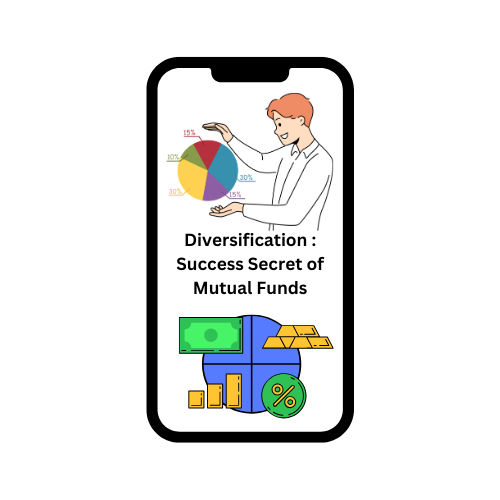
ડાયવર્સિફિકેશન એટલે શું?
ડાઇવર્સિફિકેશન એ એક ઇન્વેસ્ટમેન્ટ સ્ટ્રેટેજી છે જેમાં જોખમને ઘટાડવા માટે વિવિધ એસેટ ક્લાસ, સેક્ટર અથવા ભૌગોલિક પ્રદેશોમાં તમારા ઇન્વેસ્ટમેન્ટને ફેલાવવાનો સમાવેશ થાય છે. વિચાર સરળ છે: તમારા બધા પૈસાને એક જ રોકાણમાં ન મૂકીને, તમે કોઈપણ એક વિસ્તારમાં નબળા પ્રદર્શનની અસરને ઘટાડી શકો છો.
મ્યુચ્યુઅલ ફંડના સંદર્ભમાં, ડાઇવર્સિફિકેશનનો અર્થ એ હોઈ શકે છે કે ઇક્વિટી ફંડ્સ, ડેબ્ટ ફંડ્સ અને અન્ય પ્રકારના ફંડ્સના મિશ્રણમાં રોકાણ કરવું અથવા ટેક્નોલોજી, હેલ્થકેર અને ફાઇનાન્સ જેવા વિવિધ ઉદ્યોગોમાંથી કંપનીઓમાં રોકાણ કરવું. આ રીતે, જો એક સેક્ટર ઓછું કામ કરે છે, તો અન્ય સંભવિત નુકસાનને સરભર કરી શકે છે
ડાઇવર્સિફિકેશનને સમજવું

ડાઇવર્સિફિકેશન એ ઇન્વેસ્ટમેન્ટમાં એક મૂળભૂત સિદ્ધાંત છે જેનો હેતુ વિવિધ સંપત્તિઓ અથવા ફાઇનાન્શિયલ ઇન્સ્ટ્રુમેન્ટમાં ઇન્વેસ્ટમેન્ટને ફેલાવીને રિસ્ક અને રિવૉર્ડને સંતુલિત કરવાનો છે. તે સુનિશ્ચિત કરે છે કે તમારો ઇન્વેસ્ટમેન્ટ પોર્ટફોલિયો એક જ એસેટ, સેક્ટર અથવા માર્કેટના પરફોર્મન્સ પર વધુ નિર્ભર નથી.
ડાઇવર્સિફિકેશન કેવી રીતે કામ કરે છે તેનું વિવરણ અહીં આપેલ છે:
- સંપત્તિના પ્રકારો: ઇક્વિટી (સ્ટોક્સ), ડેબ્ટ (બોન્ડ્સ) અને રિયલ એસ્ટેટ અથવા કોમોડિટી જેવા અન્ય સંપત્તિ વર્ગો વચ્ચે વૈવિધ્યસભરતા.
- ઉદ્યોગો અથવા ક્ષેત્રો: વિવિધ ઉદ્યોગો-ટેક્નોલોજી, હેલ્થકેર, ઉર્જા વગેરેની કંપનીઓમાં રોકાણ કરો-તેથી જો કોઈ ઉદ્યોગમાં ઘટાડો થાય, તો અન્ય લોકો વળતર આપી શકે છે.
- ભૌગોલિક પ્રદેશો: સ્થાનિક આર્થિક મંદીથી પ્રભાવિત થવાનું ટાળવા માટે વિવિધ દેશો અથવા પ્રદેશોમાં રોકાણોની ફાળવણી કરો.
- મ્યુચ્યુઅલ ફંડ: ડાઇવર્સિફાઇડ મ્યુચ્યુઅલ ફંડ પસંદ કરો, જે પહેલેથી જ બહુવિધ કંપનીઓ, સેક્ટર અથવા સંપત્તિઓમાં રોકાણો ફેલાવે છે.
ડાઇવર્સિફિકેશનનો મુખ્ય લાભ એ છે કે તે સંભવિત રિટર્ન જાળવતી વખતે એકંદર જોખમને ઘટાડે છે. તે સંપૂર્ણપણે જોખમને દૂર કરતું નથી, પરંતુ તે એક વિસ્તારમાં નોંધપાત્ર નુકસાન સામે સુરક્ષા કવચ પ્રદાન કરે છે.
ડાઇવર્સિફિકેશન સ્ટ્રેટેજી
એસેટ ક્લાસ ડાઇવર્સિફિકેશન
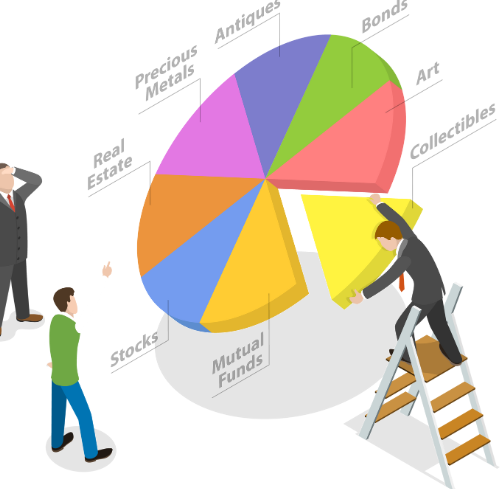
એસેટ ક્લાસમાં ડાઇવર્સિફાઇંગ એ સુનિશ્ચિત કરે છે કે તમારો પોર્ટફોલિયો એક પ્રકારના ઇન્વેસ્ટમેન્ટ પર વધુ આધારિત નથી. અહીં વિવરણ છે:
- ઇક્વિટી (સ્ટૉક્સ): વિવિધ બજારો અને આર્થિક વિકાસના સંપર્ક માટે ઘરેલું અને આંતરરાષ્ટ્રીય સ્ટૉક્સ શામેલ કરો. સ્થાનિક શેરો સ્થાનિક વ્યવસાયો પર ધ્યાન કેન્દ્રિત કરે છે, જ્યારે આંતરરાષ્ટ્રીય શેરો વૈશ્વિક આર્થિક વલણો અને કરન્સીનો લાભ લે છે.
- ફિક્સ્ડ ઇન્કમ (બોન્ડ્સ): બોન્ડ્સ સામાન્ય રીતે વધુ સ્થિર હોય છે અને નિયમિત વ્યાજની ચુકવણી પ્રદાન કરે છે. વિકલ્પોમાં સરકારી બોન્ડ્સ (ઓછું જોખમ), કોર્પોરેટ બોન્ડ્સ (ઉચ્ચ વળતર, પરંતુ જોખમી), અથવા મ્યુનિસિપલ બોન્ડ્સ (ઘણીવાર કર-લાભદાયી) શામેલ છે.
- રિયલ એસ્ટેટ: REITs (રિયલ એસ્ટેટ ઇન્વેસ્ટમેન્ટ ટ્રસ્ટ્સ) માં ઇન્વેસ્ટ કરવાથી સીધી પ્રોપર્ટી ખરીદ્યા વિના રિયલ એસ્ટેટ માર્કેટની ઍક્સેસ મળે છે. વૈકલ્પિક રીતે, ભાડાની પ્રોપર્ટી ખરીદવાથી આવક અને સંપત્તિ બંનેમાં વધારો થાય છે.
- કોમોડિટીઝ: સોના, ચાંદી, તેલ અથવા કૃષિ ઉત્પાદનો જેવા રોકાણો ફુગાવા સામે હેજ તરીકે કાર્ય કરે છે. તેઓ આર્થિક અનિશ્ચિતતા દરમિયાન ખરીદીની શક્તિ જાળવવામાં મદદ કરે છે.
- કૅશ સમકક્ષ: મની માર્કેટ ફંડ અથવા ટ્રેઝરી બિલ જેવા સાધનો સાથે તમારા પોર્ટફોલિયો લિક્વિડનો ભાગ રાખો, જે કૅશમાં રૂપાંતરિત કરવામાં સરળ છે.
ભૌગોલિક વિવિધતા
વિવિધ પ્રદેશોમાં ઇન્વેસ્ટ કરવાથી એક જ દેશની અર્થવ્યવસ્થા પર ખૂબ જ નિર્ભર રહેવાના જોખમને ઘટાડવામાં મદદ મળે છે. ઉદાહરણ તરીકે:
- ઉભરતા બજારો: આ બજારો, જેમ કે ભારત અને બ્રાઝિલ, ઘણીવાર વૃદ્ધિની ઉચ્ચ ક્ષમતા પ્રદાન કરે છે પરંતુ ઉચ્ચ જોખમો સાથે આવે છે.
- વિકસિત બજારો: સ્થિર વળતરની ખાતરી કરવા માટે US, યુરોપ અથવા જાપાન જેવા સ્થિર બજારોનો સમાવેશ કરો.
- પ્રાદેશિક સંતુલન: એશિયા, યુરોપ, ઉત્તર અમેરિકા વગેરેમાં રોકાણની ફાળવણી, વેપાર યુદ્ધો અથવા કુદરતી આપત્તિઓ જેવા પ્રદેશ-વિશિષ્ટ મંદી સામે રક્ષણ આપે છે.
સેક્ટર ડાઇવર્સિફિકેશન
વિવિધ ક્ષેત્રોમાં રોકાણ કરવાથી તમારા જોખમને વધુ ફેલાવે છે. મુખ્ય ક્ષેત્રોમાં શામેલ છે:
- ટેક્નોલોજી: સોફ્ટવેર, હાર્ડવેર અને એઆઈમાં વૃદ્ધિ ચલાવતી નવીન કંપનીઓ પર ધ્યાન કેન્દ્રિત કરો.
- હેલ્થકેર: ફાર્માસ્યુટિકલ્સ, બાયોટેકનોલોજી અને મેડિકલ ડિવાઇસનો સમાવેશ થાય છે-સામાન્ય રીતે આર્થિક મંદી દરમિયાન લચીલા.
- ફાઇનાન્સ: બેંકો, ઇન્શ્યોરન્સ અને ઇન્વેસ્ટમેન્ટ કંપનીઓનો સમાવેશ થાય છે.
- ઉર્જા: તેલ, ગેસ, નવીનીકરણીય ઉર્જા વગેરેમાં રોકાણ, સારી લાંબા ગાળાની વૃદ્ધિની ક્ષમતા પ્રદાન કરે છે.
- ગ્રાહક માલ: આવશ્યક ઉત્પાદનો (એફએમસીજી) અને લક્ઝરી વસ્તુઓનું ઉત્પાદન કરતી કંપનીઓ.
- ઉપયોગિતાઓ: સ્થિર ઇન્વેસ્ટમેન્ટ ગણવામાં આવે છે, જે સ્થિર ડિવિડન્ડ પ્રદાન કરે છે.
ઇન્વેસ્ટમેન્ટ સ્ટાઇલ દ્વારા ડાઇવર્સિફિકેશન
તમારા પોર્ટફોલિયોને વિવિધ ઇન્વેસ્ટમેન્ટ સ્ટાઇલને મિશ્રિત કરવાનો લાભ મળી શકે છે:
- ગ્રોથ સ્ટૉક્સ: આ કંપનીઓ અન્ય કરતાં ઝડપી વૃદ્ધિ થવાની અપેક્ષા છે. તેઓ સામાન્ય રીતે ડિવિડન્ડ ચૂકવવાને બદલે નફાનું ફરીથી રોકાણ કરે છે.
- વેલ્યૂ સ્ટૉક્સ: એવી કંપનીઓ કે જેની વર્તમાન સ્ટૉકની કિંમત તેમના આંતરિક મૂલ્ય કરતાં ઓછી હોય, ઘણીવાર સુરક્ષિત ઇન્વેસ્ટમેન્ટ પ્રદાન કરે છે.
- ડિવિડન્ડ સ્ટૉક્સ: રૂઢિચુસ્ત રોકાણકારો માટે અનુકૂળ ડિવિડન્ડ દ્વારા નિયમિત આવક પ્રદાન કરે છે.
- નૉન-ડિવિડન્ડ સ્ટૉક: લાંબા ગાળાના મૂડી વધારા માટે આદર્શ.
ટાઇમ હોરિઝન ડાઇવર્સિફિકેશન
તમારા લક્ષ્યો અને સમયસીમાના આધારે ઇન્વેસ્ટમેન્ટ પ્લાન કરો:
- ટૂંકા ગાળાના રોકાણો: સામાન્ય રીતે મૂડી જાળવવા માટે બોન્ડ્સ અથવા ફિક્સ્ડ ડિપોઝિટ જેવી ઓછી અસ્થિર સંપત્તિઓનો સમાવેશ થાય છે.
- મધ્યમ-ગાળાના રોકાણ: મ્યુચ્યુઅલ ફંડ અને ઇટીએફ જેવા સાધનો 3-7 વર્ષ માટે યોગ્ય છે કારણ કે તેઓ મધ્યમ વળતર પ્રદાન કરે છે.
- લોન્ગ-ટર્મ ઇન્વેસ્ટમેન્ટ: 7+ વર્ષ દૂરના લક્ષ્યો માટે, ઇક્વિટી, રિયલ એસ્ટેટ અથવા નિવૃત્તિ યોજનાઓ પર ધ્યાન કેન્દ્રિત કરો, જે મૂડીને નોંધપાત્ર રીતે વધારવાની મંજૂરી આપે છે.
રિસ્ક લેવલ ડાઇવર્સિફિકેશન
વિવિધ રિસ્ક લેવલ સાથે ઇન્વેસ્ટમેન્ટ શામેલ કરવા માટે તમારા પોર્ટફોલિયોને ઍડજસ્ટ કરો:
- ઓછું-જોખમ: ફિક્સ્ડ ડિપોઝિટ અથવા ટ્રેઝરી બિલ સ્થિર છે પરંતુ ઓછું રિટર્ન ધરાવે છે.
- મધ્યમ-જોખમ: બોન્ડ અને બૅલેન્સ્ડ મ્યુચ્યુઅલ ફંડ સુરક્ષા અને રિટર્ન વચ્ચે સંતુલન જાળવે છે.
- ઉચ્ચ-જોખમ: સ્ટૉક અને ક્રિપ્ટોકરન્સી ઉચ્ચ રિટર્ન પ્રદાન કરે છે પરંતુ નોંધપાત્ર અસ્થિરતા સાથે આવે છે.
ઇન્સ્ટ્રુમેન્ટ ડાઇવર્સિફિકેશન
વધુ સારી બૅલેન્સ માટે ઇન્વેસ્ટમેન્ટ ઇન્સ્ટ્રુમેન્ટનું કૉમ્બિનેશન પસંદ કરો:
- મ્યુચ્યુઅલ ફંડ: આ રોકાણકારો પાસેથી પ્રોફેશનલ દ્વારા સંચાલિત સ્ટૉક, બોન્ડ અથવા અન્ય સંપત્તિઓના મિશ્રણમાં રોકાણ કરવા માટે પૈસા એકત્રિત કરે છે.
- એક્સચેન્જ-ટ્રેડેડ ફંડ (ઇટીએફ): તેઓ ચોક્કસ ઇન્ડાઇસિસ અથવા કોમોડિટીને ટ્રૅક કરે છે, જે ઓછા ખર્ચ પર વિવિધતા પ્રદાન કરે છે.
- વ્યક્તિગત સ્ટૉક્સ અથવા બોન્ડ્સ: જ્યારે તેઓ તમારા રોકાણો પર ચોક્કસ નિયંત્રણ પ્રદાન કરે છે, ત્યારે તેમને ઊંડાણપૂર્વક સંશોધન અને મેનેજમેન્ટની જરૂર છે.
કોર્પોરેટ લાઇફસાઇકલના તબક્કાઓ
કોર્પોરેટ લાઇફસાઇકલમાં વિશિષ્ટ તબક્કાઓ શામેલ છે જે બિઝનેસમાંથી પસાર થાય છે, અને દરેક તબક્કો શેર અથવા મ્યુચ્યુઅલ ફંડમાં ડાઇવર્સિફિકેશન માટે અનન્ય તકો અને પડકારો પ્રદાન કરે છે. આ તબક્કાઓ સાથે વિવિધતા વ્યૂહરચનાઓ કેવી રીતે સંરેખિત થાય છે તે અહીં આપેલ છે
સ્ટાર્ટઅપનો તબક્કો
સ્ટાર્ટઅપ તબક્કામાં, કંપનીઓ ઉચ્ચ વિકાસની ક્ષમતા પરંતુ નોંધપાત્ર જોખમ પણ દર્શાવે છે. રોકાણકારો વેન્ચર કેપિટલ ફંડ્સ અથવા સ્મોલ-કેપ મ્યુચ્યુઅલ ફંડ્સ સહિત વિવિધતા લાવી શકે છે જે સ્ટાર્ટઅપ્સ પર ધ્યાન કેન્દ્રિત કરે છે. સામેલ ઉચ્ચ જોખમને ઘટાડવા માટે, બ્લૂ-ચિપ સ્ટૉક્સ અથવા બોન્ડ્સ જેવી સ્થિર સંપત્તિઓ સાથે સંતુલન સુરક્ષા નેટ પ્રદાન કરી શકે છે.
વૃદ્ધિનો તબક્કો
વૃદ્ધિના તબક્કા દરમિયાન, કંપનીઓ આવક અને નફામાં ઝડપી વધારોનો અનુભવ કરે છે, ઘણીવાર વિસ્તરણમાં ભારે રોકાણ કરે છે. રોકાણકારો ગ્રોથ-ઓરિએન્ટેડ મ્યુચ્યુઅલ ફંડ અથવા મિડ-કેપ સ્ટૉક્સ દ્વારા ડાઇવર્સિફાઇ કરીને લાભ મેળવી શકે છે. આંતરરાષ્ટ્રીય ભંડોળનો સમાવેશ કરવા માટે પોર્ટફોલિયોનું વિસ્તરણ વૈશ્વિક બજારો અને ઉદ્યોગોના સંપર્કમાં રહેવાની મંજૂરી આપે છે, જે વધુ વિવિધતામાં વધારો કરે છે.
મેચ્યોરિટીનો તબક્કો
મેચ્યોરિટીના તબક્કે, વૃદ્ધિ ધીમી થાય છે, પરંતુ આવક અને ડિવિડન્ડ સ્થિર થાય છે. આ તબક્કો સતત આવકને સુરક્ષિત કરવા માટે લાર્જ-કેપ શેરો અથવા ડિવિડન્ડ-કેન્દ્રિત મ્યુચ્યુઅલ ફંડ પર ધ્યાન કેન્દ્રિત કરવા માટે આદર્શ છે. એક પ્રદેશમાં બજારની સંતૃપ્તિથી જોખમોને ટાળવા માટે ભૌગોલિક રીતે વૈવિધ્યકરણ કરવું મહત્વપૂર્ણ છે. બોન્ડ અથવા ફિક્સ્ડ-ઇન્કમ ફંડ ઉમેરવાથી પોર્ટફોલિયોને વધુ સ્થિરતા મળે છે.
નકારવાનો તબક્કો
ઘટાડાના તબક્કામાં, કંપનીઓને આવકમાં ઘટાડો અને સ્પર્ધામાં વધારો જેવા પડકારોનો સામનો કરવો પડે છે. રોકાણકારો આવી કંપનીઓમાં તેમના એક્સપોઝરને ઘટાડી શકે છે અને વિકાસ અથવા ઉભરતા ક્ષેત્રો પર ધ્યાન કેન્દ્રિત કરી શકે છે. વેલ્યૂ ફંડ્સ જે રિકવરીની ક્ષમતા સાથે અન્ડરવેલ્યૂડ સ્ટૉક્સને લક્ષ્ય બનાવે છે તે અસરકારક ડાઇવર્સિફિકેશન વિકલ્પો છે. જોખમોને મેનેજ કરવા માટે ઇક્વિટી અને ફિક્સ્ડ-ઇન્કમ એસેટનું સંતુલિત પોર્ટફોલિયો જાળવવું મહત્વપૂર્ણ છે.
રિન્યુઅલ અથવા બહાર નીકળવાનો તબક્કો
રિન્યુઅલ અથવા બહાર નીકળવાના તબક્કે, કંપનીઓ સ્પર્ધાત્મક અથવા બહાર નીકળવા માટે નવીનતા લાવે છે. પુનર્ગઠન અથવા ટર્નઅરાઉન્ડની તકો પર ધ્યાન કેન્દ્રિત કરતા વિશેષ પરિસ્થિતિ ભંડોળમાં રોકાણ કરવું એક વ્યૂહાત્મક પસંદગી હોઈ શકે છે. રિયલ એસ્ટેટ અથવા કોમોડિટી જેવા વૈકલ્પિક રોકાણોમાં વિવિધતા આ તબક્કા દરમિયાન હેજ જોખમોને પણ મદદ કરી શકે છે.
રિસ્ક પ્રોફાઇલ
રૂઢિચુસ્ત રિસ્ક પ્રોફાઇલ
રૂઢિચુસ્ત રિસ્ક પ્રોફાઇલ ધરાવતા રોકાણકારો મૂડી સંરક્ષણને પ્રાથમિકતા આપે છે અને ઓછા જોખમવાળા રોકાણોને પસંદ કરે છે જે સ્થિર વળતર પ્રદાન કરે છે. વિવિધતા માટે, તેઓ ઘણીવાર સરકારી બોન્ડ્સ, ટ્રેઝરી બિલ અને ઉચ્ચ-ગુણવત્તાવાળા કોર્પોરેટ બોન્ડ્સ જેવી ફિક્સ્ડ-ઇન્કમ સિક્યોરિટીઝ પર ધ્યાન કેન્દ્રિત કરે છે. વધુમાં, લાર્જ-કેપ ડિવિડન્ડ-પેઇંગ સ્ટૉક્સ અથવા ઇન્કમ-ફોકસ્ડ મ્યુચ્યુઅલ ફંડ સ્થિર ઇન્કમ સ્ટ્રીમ પ્રદાન કરે છે. મની માર્કેટ ફંડ્સ જેવા કૅશ સમકક્ષ લિક્વિડિટીની ખાતરી કરે છે અને પોર્ટફોલિયોની અસ્થિરતાને ઘટાડે છે. રૂઢિચુસ્ત રોકાણકારો સામાન્ય રીતે તેમની મૂડીને સુરક્ષિત કરવા માટે સ્મોલ-કેપ શેરો અથવા ઉભરતા માર્કેટ ફંડ્સ જેવી ઉચ્ચ-જોખમની સંપત્તિઓને ટાળે છે.
મધ્યમ જોખમ પ્રોફાઇલ
મધ્યમ રિસ્ક પ્રોફાઇલ સંતુલિત અભિગમ દર્શાવે છે, જે વૃદ્ધિ અને સ્થિરતાને સંયુક્ત કરે છે. આ કેટેગરીમાં રોકાણકારો ઘણીવાર લગભગ સમાન પ્રમાણમાં ઇક્વિટી અને ફિક્સ્ડ-ઇન્કમ ઇન્સ્ટ્રુમેન્ટને મિશ્રિત કરીને વિવિધતા લાવે છે. બૅલેન્સ્ડ મ્યુચ્યુઅલ ફંડ અથવા ઇટીએફ, જે સ્ટૉક અને બોન્ડ્સમાં એસેટ ફાળવે છે, તે એક લોકપ્રિય પસંદગી છે. વિવિધતામાં રિસ્કનું સંચાલન કરતી વખતે મધ્યમ વૃદ્ધિની ક્ષમતા પ્રાપ્ત કરવા માટે મિડ-કેપ શેરો, REIT દ્વારા રિયલ એસ્ટેટ અને આંતરરાષ્ટ્રીય મ્યુચ્યુઅલ ફંડનો પણ સમાવેશ થઈ શકે છે. બજારની અસ્થિરતા સામે રક્ષણ આપવા માટે, મધ્યમ રોકાણકારો તેમના પોર્ટફોલિયોમાં ઓછા-જોખમવાળા રોકાણોનો એક ભાગ જાળવે છે.
આક્રમક રિસ્ક પ્રોફાઇલ
આક્રમક રિસ્ક પ્રોફાઇલ ધરાવતા ઇન્વેસ્ટરનો હેતુ લાંબા ગાળે મહત્તમ મૂડી વધારવાનો છે અને જોખમ માટે ઉચ્ચ સહનશીલતા ધરાવે છે. તેમની ડાઇવર્સિફિકેશન સ્ટ્રેટેજીમાં ઇક્વિટીમાં નોંધપાત્ર ફાળવણી શામેલ છે, ખાસ કરીને ઉચ્ચ વિકાસની ક્ષમતાવાળા સ્મોલ-કેપ અને મિડ-કેપ શેરો. સેક્ટર-વિશિષ્ટ મ્યુચ્યુઅલ ફંડ, જેમ કે ટેક્નોલોજી અથવા હેલ્થકેરમાં હોય અને ઉભરતા માર્કેટ ફંડ ઉચ્ચ રિટર્ન માટે તકો પ્રદાન કરે છે. આક્રમક રોકાણકારો ઘણીવાર આંતરરાષ્ટ્રીય વૃદ્ધિને મેળવવા માટે વૈશ્વિક સ્તરે વૈવિધ્યકરણ કરે છે અને સારી રીતે સંશોધન કરાયેલા પોર્ટફોલિયોમાં સટ્ટાકીય વિકલ્પો તરીકે ક્રિપ્ટોક્યુરેન્શન્સ અથવા વેન્ચર કેપિટલ ફંડ્સ જેવા વૈકલ્પિક રોકાણોને ધ્યાનમાં લઈ શકે છે.
રિસ્ક પ્રોફાઇલમાં વૈવિધ્યકરણનું મહત્વ
રિસ્ક પ્રોફાઇલને ધ્યાનમાં લીધા વિના, જોખમોને ઘટાડવા અને રિટર્નને ઑપ્ટિમાઇઝ કરવા માટે વૈવિધ્યકરણ આવશ્યક છે. રૂઢિચુસ્ત રોકાણકારો મૂડીનું રક્ષણ કરવા માટે વૈવિધ્યકરણનો ઉપયોગ કરે છે, મધ્યમ રોકાણકારો વૃદ્ધિ અને સ્થિરતા વચ્ચે સંતુલન પ્રાપ્ત કરે છે, અને આક્રમક રોકાણકારો ઉચ્ચ-જોખમવાળા સાહસોને સેક્ટર સાથે ભેગા કરે છે અને વળતરને મહત્તમ કરવા માટે વૈશ્વિક વૈવિધ્યકરણને ભેગા કરે છે. વ્યક્તિના રિસ્ક સહનશીલતા માટે વિવિધતાની વ્યૂહરચનાઓને અનુરૂપ કરવાથી બજારની અનિશ્ચિતતાને અસરકારક રીતે મેનેજ કરતી વખતે રોકાણોને તેમના ફાઇનાન્શિયલ લક્ષ્યો સાથે સંરેખિત કરવામાં મદદ મળે છે.
મેચ્યોરિટીની લંબાઈ
મ્યુચ્યુઅલ ફંડના સંદર્ભમાં મેચ્યોરિટીની લંબાઈ એ સમયના ક્ષિતિજનો સંદર્ભ આપે છે જેના માટે મ્યુચ્યુઅલ ફંડ પોર્ટફોલિયોમાં અન્ડરલાઇંગ ઇન્વેસ્ટમેન્ટ રાખવામાં આવે છે. મેચ્યોરિટીની લંબાઈના આધારે મ્યુચ્યુઅલ ફંડમાં વૈવિધ્યકરણ કરવાથી રોકાણકારોને લિક્વિડિટી, રિસ્ક અને રિટર્ન વચ્ચે સંતુલન પ્રાપ્ત કરવાની મંજૂરી મળે છે, જે ટૂંકા ગાળાના, મધ્યમ-ગાળાના અને લાંબા ગાળાના ફાઇનાન્શિયલ લક્ષ્યોને પૂર્ણ કરે છે.
ટૂંકા ગાળાના મ્યુચ્યુઅલ ફંડ
ટૂંકા ગાળાના મ્યુચ્યુઅલ ફંડ, જેમ કે લિક્વિડ ફંડ અથવા ultra-short-duration ફંડ, સામાન્ય રીતે થોડા દિવસથી લઈને એક વર્ષ સુધીના મેચ્યોરિટીવાળા ડેબ્ટ ઇન્સ્ટ્રુમેન્ટમાં ઇન્વેસ્ટ કરો. આ ફંડ ઉચ્ચ લિક્વિડિટી અને ઓછું રિસ્ક પ્રદાન કરે છે, જે તેમને ઇમરજન્સી ફંડ અથવા આગામી ખર્ચ જેવી ટૂંકા ગાળાની જરૂરિયાતો ધરાવતા રોકાણકારો માટે આદર્શ બનાવે છે. વિવિધ પોર્ટફોલિયોમાં ટૂંકા ગાળાના મ્યુચ્યુઅલ ફંડને શામેલ કરીને, રોકાણકારો અસ્થિરતા ઘટાડતી વખતે ફંડની ઝડપી ઍક્સેસની ખાતરી કરી શકે છે.
મીડિયમ-ટર્મ મ્યુચ્યુઅલ ફંડ
મધ્યમ-ગાળાના મ્યુચ્યુઅલ ફંડ, જેમ કે ટૂંકા ગાળાના ડેબ્ટ ફંડ અને ડાયનેમિક બોન્ડ ફંડ, 1 થી 3 વર્ષ (અથવા સહેજ વધુ) સુધીની મેચ્યોરિટી સાથે રોકાણ ધરાવે છે. આ ફંડ સ્થિર રિટર્ન સાથે મધ્યમ જોખમને સંતુલિત કરે છે, જે તેમને વેકેશન માટે બચત કરવા, વાહન ખરીદવા અથવા નજીકના ભવિષ્યમાં શિક્ષણને ભંડોળ આપવા જેવા લક્ષ્યો માટે યોગ્ય બનાવે છે. મધ્યમ ગાળાના મ્યુચ્યુઅલ ફંડમાં ડાઇવર્સિફાઈ કરવાથી રોકાણકારોને ટૂંકા ગાળાના ફંડની તુલનામાં વધુ સારું રિટર્ન મેળવવામાં મદદ મળે છે, જ્યારે હજુ પણ લિક્વિડિટીનું વાજબી સ્તર જાળવી રાખે છે.
લાંબા ગાળાના મ્યુચ્યુઅલ ફંડ
લાંબા ગાળાના મ્યુચ્યુઅલ ફંડમાં સામાન્ય રીતે ઇક્વિટી ફંડ, હાઇબ્રિડ ફંડ અને લાંબા ગાળાના ડેબ્ટ ફંડનો સમાવેશ થાય છે જે 5 થી 10 વર્ષથી વધુની પાકતી મુદતવાળા ઇન્સ્ટ્રુમેન્ટમાં રોકાણ કરે છે. ઇક્વિટી-ઓરિએન્ટેડ ફંડ્સ, ખાસ કરીને, લાંબા ગાળાના મૂડી વધારાનો હેતુ ધરાવે છે અને નિવૃત્તિ આયોજન અથવા સંપત્તિ નિર્માણ જેવા લક્ષ્યો માટે યોગ્ય છે. લાંબા ગાળાના મ્યુચ્યુઅલ ફંડમાં વૈવિધ્યકરણ રોકાણકારોને સંયોજનના વળતરનો લાભ લેવાની અને સમય જતાં બજારની અસ્થિરતાને બહાર કાઢવાની મંજૂરી આપે છે, જે વૃદ્ધિની ક્ષમતાને મહત્તમ બનાવે છે.
મેચ્યોરિટીની લંબાઈમાં વિવિધતા
એક સારી રીતે ડાઇવર્સિફાઇડ મ્યુચ્યુઅલ ફંડ પોર્ટફોલિયોમાં વિવિધ મેચ્યોરિટી લંબાઈ ધરાવતા ફંડનો સમાવેશ થાય છે. ઉદાહરણ તરીકે, ઇન્વેસ્ટર તેમના પોર્ટફોલિયોના એક ભાગને લિક્વિડિટી માટે ટૂંકા ગાળાના ફંડ્સ, સ્થિરતા માટે મધ્યમ ગાળાના ફંડ્સ અને વૃદ્ધિ માટે લાંબા ગાળાના ફંડ્સમાં ફાળવી શકે છે. આ અભિગમ રોકાણકારના ફાઇનાન્શિયલ લક્ષ્યો અને સમયના ક્ષિતિજો સાથે રોકાણોને સંરેખિત કરતી વખતે ઇન્ટરેસ્ટ દરની વધઘટ, માર્કેટ સાઇકલ અને લિક્વિડિટીની જરૂરિયાતો સાથે સંકળાયેલા જોખમોને મેનેજ કરવામાં મદદ કરે છે.
ભૌતિક સ્થાનો
જ્યારે મ્યુચ્યુઅલ ફંડની વાત આવે છે, ત્યારે ફિઝિકલ લોકેશન ડાઇવર્સિફિકેશન રિસ્ક મેનેજ કરવામાં અને રિટર્નને ઑપ્ટિમાઇઝ કરવામાં નોંધપાત્ર ભૂમિકા ભજવે છે. વિવિધ ભૌગોલિક પ્રદેશોમાં સંપર્ક ધરાવતા મ્યુચ્યુઅલ ફંડમાં રોકાણ કરીને, રોકાણકારો આર્થિક મંદી, રાજકીય અસ્થિરતા અથવા કુદરતી આફતો જેવા સ્થાન-વિશિષ્ટ જોખમોને ઘટાડી શકે છે અને વિવિધ બજારોમાં વૃદ્ધિની તકોનો લાભ લઈ શકે છે.
ઘરેલું અને આંતરરાષ્ટ્રીય વૈવિધ્યકરણ
મ્યુચ્યુઅલ ફંડ જે ખાસ કરીને ઘરેલું બજારોમાં રોકાણ કરે છે તે એક જ દેશની અંદર કંપનીઓ પર ધ્યાન કેન્દ્રિત કરે છે. જ્યારે આ પરિચિતતા અને ઘટાડેલ ચલણ વિનિમયનું રિસ્ક આપે છે, તે પોર્ટફોલિયોને સ્થાનિક આર્થિક અથવા રાજકીય પડકારો માટે સંવેદનશીલ બનાવી શકે છે. ડાઇવર્સિફાઈ કરવા માટે, ઇન્ટરનેશનલ મ્યુચ્યુઅલ ફંડ સહિત બહુવિધ દેશો અથવા પ્રદેશોમાં રોકાણ ફેલાવી શકે છે. ઉદાહરણ તરીકે, ઇન્વેસ્ટર વૈશ્વિક અથવા ઉભરતા માર્કેટ ઇક્વિટી ફંડ સાથે ઘરેલું ઇક્વિટી ફંડને જોડી શકે છે, જે વિવિધ અર્થવ્યવસ્થાઓ અને ઉદ્યોગોને એક્સપોઝર કરવામાં સક્ષમ બનાવે છે.
પ્રાદેશિક વૈવિધ્યકરણ
એશિયા-પેસિફિક, યુરોપ અથવા ઉત્તર અમેરિકા જેવા વિશિષ્ટ ક્ષેત્રોને લક્ષ્ય બનાવતા મ્યુચ્યુઅલ ફંડમાં રોકાણ કરવું, ભૌગોલિક વૈવિધ્યકરણ પ્રદાન કરે છે. વિવિધ પ્રદેશોમાં વિવિધ સમયે આર્થિક ચક્રનો અનુભવ થાય છે, તેથી પ્રાદેશિક ફંડ એક પ્રદેશમાં સંભવિત મંદી સાથે વૃદ્ધિને સંતુલિત કરીને પોર્ટફોલિયો પરફોર્મન્સને સ્થિર કરવામાં મદદ કરે છે.
સમગ્ર સ્થળોએ સેક્ટર-વિશિષ્ટ વૈવિધ્યકરણ
કેટલાક મ્યુચ્યુઅલ ફંડ વિશિષ્ટ ક્ષેત્રો પર ધ્યાન કેન્દ્રિત કરે છે, જેમ કે ટેક્નોલોજી, હેલ્થકેર અથવા ઉર્જા, પરંતુ તે ક્ષેત્રોમાં ભૌગોલિક રીતે વિવિધતા ધરાવે છે. ઉદાહરણ તરીકે, ટેક્નોલોજી ફંડ યુનાઇટેડ સ્ટેટ્સ, યુરોપ અને એશિયામાં અગ્રણી ટેક કંપનીઓમાં રોકાણ કરી શકે છે, જે એક જ બજાર પર નિર્ભરતા ઘટાડવાની સાથે વૈશ્વિક નવીનતા કેન્દ્રોમાં એક્સપોઝર પ્રદાન કરી શકે છે.
મ્યુચ્યુઅલ ફંડમાં ફિઝિકલ લોકેશન ડાઇવર્સિફિકેશનના લાભો
- જોખમ ઘટાડવું: દેશ-વિશિષ્ટ આર્થિક અથવા રાજકીય કટોકટીઓના સંપર્કને ઘટાડે છે.
- વિકાસની સંભાવના: ઉભરતા અને વિકસિત બજારોમાં તકો પર મૂડીકરણ.
- કરન્સી ડાઇવર્સિફિકેશન: આંતરરાષ્ટ્રીય સ્તરે રોકાણ કરતી વખતે એક્સચેન્જ રેટના વધઘટની અસરને ઘટાડે છે.
- માર્કેટ સાઇકલ બૅલેન્સ: વિવિધ સ્થળોએ વિવિધ માર્કેટ સાઇકલનો લાભ લઈને પોર્ટફોલિયો પરફોર્મન્સને સરળ બનાવે છે.
ટેન્જીબિલિટી
મ્યુચ્યુઅલ ફંડ ડાઇવર્સિફિકેશનમાં ટેન્જિબિલિટી વિવિધ એસેટ ક્લાસ, સેક્ટર અથવા ભૌગોલિક ક્ષેત્રોમાં રોકાણ ફેલાવવાના નક્કર લાભો અને માપવા યોગ્ય પરિણામોનો સંદર્ભ આપે છે. વૈવિધ્યકરણનો હેતુ એ સુનિશ્ચિત કરીને રિસ્ક ઘટાડવાનો છે કે એક વિસ્તારમાં નબળી કામગીરી એકંદર પોર્ટફોલિયોને ભારે અસર કરતી નથી.
ઉદાહરણ તરીકે, મ્યુચ્યુઅલ ફંડમાં ઇક્વિટી, ડેબ્ટ અને સંતુલિત ફંડનો સમાવેશ થઈ શકે છે, દરેક વિશિષ્ટ લાભો પ્રદાન કરે છે. ઇક્વિટી ફંડ વૃદ્ધિની સંભાવના પ્રદાન કરે છે, ડેબ્ટ ફંડ સ્થિરતા પ્રદાન કરે છે, અને સંતુલિત ફંડ બંનેનું મિશ્રણ ધરાવે છે. જો કે, ઓવરલેપ ઇન્વેસ્ટમેન્ટને ટાળવું જરૂરી છે, કારણ કે સમાન હોલ્ડિંગ્સ સાથે બહુવિધ ફંડ ધરાવતા હોવાથી અનિચ્છનીય એકાગ્રતા અને જોખમમાં વધારો થઈ શકે છે.
વિવિધ પ્લેટફોર્મમાં વૈવિધ્યકરણ
વિવિધ પ્લેટફોર્મમાં વૈવિધ્યકરણનો અર્થ વિવિધ મ્યુચ્યુઅલ ફંડ પ્લેટફોર્મ અથવા એસેટ મેનેજમેન્ટ કંપનીઓમાં રોકાણોને ફેલાવવાનો છે. આ એક જ પ્લેટફોર્મ પર નિર્ભરતા ઘટાડે છે અને પ્લેટફોર્મ-વિશિષ્ટ સમસ્યાઓ સાથે સંકળાયેલા જોખમોને ઘટાડે છે, જેમ કે ઓપરેશનલ અકુશળતા અથવા ફંડ મેનેજર અન્ડરપરફોર્મન્સ.
વૈવિધ્યકરણ અને છૂટક રોકાણકારો
રિટેલ રોકાણકારો માટે, વૈવિધ્યકરણ એ જોખમોને ઘટાડવા માટેની એક મુખ્ય વ્યૂહરચના છે. ઇક્વિટી, ડેબ્ટ અને હાઇબ્રિડ ફંડના મિશ્રણમાં રોકાણ કરીને, રિટેલ રોકાણકારો તેમના રિસ્ક સહનશીલતા અને ફાઇનાન્શિયલ લક્ષ્યો મુજબ તેમના પોર્ટફોલિયોને સંતુલિત કરી શકે છે. વૈવિધ્યકરણ રિટેલ રોકાણકારોને બજારની અસ્થિરતા સામે રક્ષણ આપતી વખતે સ્થિર રિટર્ન પ્રાપ્ત કરવામાં મદદ કરે છે.
વૈવિધ્યકરણના ફાયદા અને ગેરફાયદા
ફાયદાઓ:
- રોકાણોને ફેલાવીને બિન-સિસ્ટમેટિક જોખમને ઘટાડે છે.
- વિવિધ સંપત્તિ વર્ગો અને ક્ષેત્રોને એક્સપોઝર પ્રદાન કરે છે.
- સ્થિર રિટર્નની સંભાવના વધારે છે.
ગેરફાયદા:
- ઓવર-ડાઇવર્સિફિકેશનથી રિટર્નમાં ઘટાડો થઈ શકે છે.
- ઉચ્ચ મેનેજમેન્ટ ફી તરફ દોરી શકે છે.
- નિયમિત દેખરેખ અને રિબૅલેન્સિંગની જરૂર છે.
ડાઇવર્સિફિએબલ વિરુદ્ધ નૉન-ડાઇવર્સિફિએબલ રિસ્ક
- ડાઇવર્સિફાયેબલ રિસ્ક: અનસિસ્ટમેટિક રિસ્ક તરીકે પણ ઓળખાય છે, તે કંપની અથવા સેક્ટર માટે ચોક્કસ જોખમો સાથે સંબંધિત છે. આને વિવિધતા દ્વારા ઘટાડી શકાય છે.
- નૉન-ડાઇવર્સિફાયેબલ રિસ્ક: સિસ્ટમેટિક રિસ્ક પણ કહેવાય છે, તે સંપૂર્ણ બજારને અસર કરે છે (દા.ત., આર્થિક મંદી). ડાઇવર્સિફિકેશન આ જોખમને દૂર કરી શકતું નથી, પરંતુ તે તેની અસરને મેનેજ કરવામાં મદદ કરી શકે છે.
ડાઇવર્સિફિકેશનને માપવું
શાર્પ રેશિયો, ડાઇવર્સિફિકેશન રેશિયો અને પોર્ટફોલિયો વેરિઅન્સ જેવા મેટ્રિક્સનો ઉપયોગ કરીને ડાઇવર્સિફિકેશનને માપી શકાય છે. આ મેટ્રિક્સ રિસ્ક-રિટર્ન ટ્રેડ-ઑફ અને પોર્ટફોલિયો કઈ હદ સુધી ડાઇવર્સિફાઇડ છે તેનું મૂલ્યાંકન કરે છે.
સહ-સંબંધ સહ-કાર્યક્ષમ
સહસંબંધ ગુણાંક બે અસ્કયામતો વચ્ચેના સંબંધને માપે છે. 1 ની નજીકનું મૂલ્ય એક મજબૂત નકારાત્મક સહસંબંધને સૂચવે છે, જે વૈવિધ્યકરણ માટે આદર્શ છે, કારણ કે તે એકંદર પોર્ટફોલિયો જોખમને ઘટાડે છે.
સ્ટાન્ડર્ડ ડેવિએશન
સ્ટાન્ડર્ડ ડેવિએશન મ્યુચ્યુઅલ ફંડના રિટર્નની વોલેટિલિટીને દર્શાવે છે. ઓછું સ્ટાન્ડર્ડ ડેવિએશન ઓછું રિસ્ક સૂચવે છે, જ્યારે ઉચ્ચ રિટર્નમાં વધુ વેરિએબિલિટી સૂચવે છે. વિવિધ પોર્ટફોલિયોના જોખમનું મૂલ્યાંકન કરવા માટે તે એક મહત્વપૂર્ણ મેટ્રિક છે.
સ્માર્ટ બીટા
સ્માર્ટ બીટા વ્યૂહરચનાઓ પોર્ટફોલિયોનું નિર્માણ કરવા માટે વૈકલ્પિક વજન પદ્ધતિઓ (દા.ત., વોલેટિલિટી, વેલ્યૂ અથવા મોમેન્ટમ)નો ઉપયોગ કરીને ઍક્ટિવ અને પેસિવ રોકાણને એકત્રિત કરે છે. આ વ્યૂહરચનાઓનો હેતુ રિટર્ન વધારવાનો, રિસ્ક ઘટાડવાનો અથવા ચોક્કસ ઇન્વેસ્ટમેન્ટ ઉદ્દેશો પ્રાપ્ત કરવાનો છે.
વૈવિધ્યકરણના લાભો
- ખરાબ પ્રદર્શન કરતી સંપત્તિઓની અસર ઘટાડે છે.
- તમામ ક્ષેત્રો અને ભૌગોલિક ક્ષેત્રોમાં વિકાસની તકોનું એક્સપોઝર પ્રદાન કરે છે.
- જોખમ-સમાયોજિત રિટર્નને વધારે છે.
- ઓછા અસ્થિરતા સાથે લાંબા ગાળાના ફાઇનાન્શિયલ લક્ષ્યો પ્રાપ્ત કરવામાં મદદ કરે છે.
વૈવિધ્યકરણની પદ્ધતિઓ
- એસેટ ક્લાસ ડાઇવર્સિફિકેશન: ઇક્વિટી, બોન્ડ અને અન્ય એસેટ ક્લાસમાં રોકાણ.
- સેક્ટર ડાઇવર્સિફિકેશન: ટેક્નોલોજી, હેલ્થકેર અને ફાઇનાન્સ જેવા ઉદ્યોગોમાં રોકાણ ફેલાવવું.
- ભૌગોલિક વૈવિધ્યકરણ: ઘરેલું અને આંતરરાષ્ટ્રીય બજારોમાં રોકાણ.
- ફંડનો પ્રકાર વૈવિધ્યકરણ: લાર્જ-કેપ, મિડ-કેપ અને સ્મોલ-કેપ ફંડને એકત્રિત કરવું.
ઉદાહરણ

એક યુવા પ્રોફેશનલ રાજએ તાજેતરમાં જ પોતાના ફાઇનાન્શિયલ ભવિષ્યને સુરક્ષિત કરવા માટે ઇન્વેસ્ટ કરવાનું શરૂ કર્યું હતું. તેમણે તેમની તમામ બચતને એક જ ઇક્વિટી મ્યુચ્યુઅલ ફંડમાં મૂકીને શરૂ કરી હતી જે ટેકનોલોજી ક્ષેત્ર પર ધ્યાન કેન્દ્રિત કરે છે. થોડા સમય માટે, વળતર અદ્ભુત હતું, પરંતુ પછી ટેક સેક્ટરને મંદીનો સામનો કરવો પડ્યો, અને રાજને તેમના પોર્ટફોલિયોને મોટી હિટ લાગી.
સ્માર્ટ ઇન્વેસ્ટમેન્ટ પસંદગીઓ કરવા માટે નક્કી, રાજ એક ફાઇનાન્શિયલ સલાહકાર સાથે પરામર્શ કર્યો. સલાહકાર વૈવિધ્યકરણનું મહત્વ અને તે જોખમોને કેવી રીતે સંતુલિત કરવામાં મદદ કરી શકે તે સમજાવ્યું. રાજએ પોતાના રોકાણોને વિવિધ મ્યુચ્યુઅલ ફંડમાં ફેલાવવાનું નક્કી કર્યું.

તેમણે તેમના પોર્ટફોલિયોના 40% ઇક્વિટી ફંડને ફાળવ્યું હતું જેણે હેલ્થકેર, એનર્જી અને કન્ઝ્યુમર ગુડ્સ જેવા બહુવિધ ક્ષેત્રોમાં રોકાણ કર્યું હતું. અન્ય 30% ઓછા રિસ્ક સાથે સ્થિર ઇન્કમ સુનિશ્ચિત કરવા માટે બોન્ડ ફંડમાં ગયા હતા. તેમણે વૈશ્વિક બજારોમાં વૃદ્ધિથી લાભ મેળવવા માટે આંતરરાષ્ટ્રીય ભંડોળમાં 20% અને ઉચ્ચ-રિસ્ક, ઉચ્ચ-રિવૉર્ડ ક્ષમતા માટે સ્મોલ-કેપ ફંડમાં બાકીના 10% પણ મૂક્યા.

જ્યારે ટેક સેક્ટરમાં એક વર્ષ પછી બીજી મંદીનો અનુભવ થયો, ત્યારે રાજનો પોર્ટફોલિયો પ્રમાણમાં સ્થિર રહ્યો કારણ કે અન્ય ક્ષેત્રો અને એસેટ વર્ગોમાં તેમના રોકાણથી રાહત મળી. તેમને વૈવિધ્યકરણની શક્તિને કારણે સમય જતાં સતત વૃદ્ધિ જોવા માટે રાહત આપવામાં આવી હતી.
શું વૈવિધ્યકરણ એક સારી વ્યૂહરચના છે?
હા, મ્યુચ્યુઅલ ફંડ રોકાણકારો માટે ડાઇવર્સિફિકેશન એક વિવેકપૂર્ણ વ્યૂહરચના છે. તે જોખમોને મેનેજ કરવામાં, સ્થિર રિટર્નની ખાતરી કરવામાં અને લાંબા ગાળાના ફાઇનાન્શિયલ લક્ષ્યો સાથે સંરેખિત કરવામાં મદદ કરે છે. જો કે, ઓવર-ડાઇવર્સિફિકેશનને ટાળવા માટે સંતુલન બનાવવું જરૂરી છે, જે વળતરને ઘટાડી શકે છે.
નિષ્કર્ષ
મ્યુચ્યુઅલ ફંડમાં વિવિધતા એ જોખમોને ઘટાડવા અને સંતુલિત રિટર્ન પ્રાપ્ત કરવા માટે એક વ્યૂહાત્મક અભિગમ છે. વિવિધ એસેટ ક્લાસ, સેક્ટર અને ભૌગોલિક ક્ષેત્રોમાં રોકાણ ફેલાવીને, રોકાણકારો નબળા દેખાતી એસેટની પ્રતિકૂળ અસરથી તેમના પોર્ટફોલિયોને સુરક્ષિત કરી શકે છે. તે વિકાસની તકોના સંપર્કને સુનિશ્ચિત કરતી વખતે વિવિધ જોખમોને ઘટાડવામાં મદદ કરે છે. જો કે, ઓવર-ડાઇવર્સિફિકેશનથી રિટર્નમાં ઘટાડો થઈ શકે છે, તેથી યોગ્ય બૅલેન્સ રાખવું મહત્વપૂર્ણ છે. વૈવિધ્યકરણ રિસ્ક-સમાયોજિત રિટર્નને વધારે છે અને લાંબા ગાળાના ફાઇનાન્શિયલ લક્ષ્યો સાથે સંરેખિત થાય છે, જે તેને રિટેલ અને સંસ્થાકીય રોકાણકારો માટે એક વિવેકપૂર્ણ વ્યૂહરચના બનાવે છે. કાળજીપૂર્વક આયોજન અને નિયમિત દેખરેખ સાથે, વૈવિધ્યકરણ ટકાઉ સંપત્તિ નિર્માણ માટે એક શક્તિશાળી સાધન બની શકે છે.