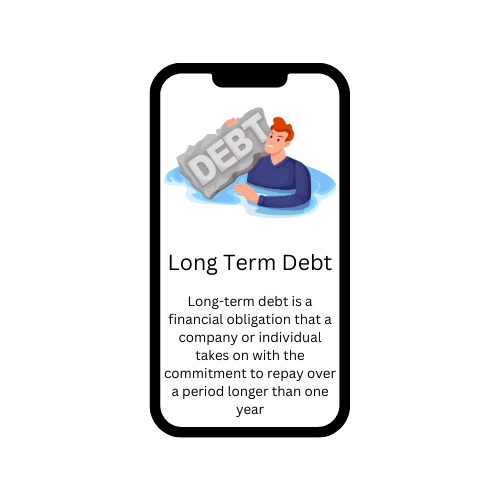
लॉन्ग-टर्म क़र्ज़ का अर्थ उन फाइनेंशियल दायित्वों या लोन से है, जिन्हें किसी कंपनी या व्यक्ति को एक वर्ष से अधिक अवधि में चुकाना होगा. इस प्रकार का कर्ज़ कंपनी की पूंजी संरचना का एक महत्वपूर्ण घटक है, जो महत्वपूर्ण निवेशों के लिए आवश्यक फंड प्रदान करता है, जैसे नए उपकरण खरीदना, संचालन का विस्तार करना या अनुसंधान और विकास परियोजनाओं को फंडिंग करना. लॉन्ग-टर्म डेट को आमतौर पर फिक्स्ड या वेरिएबल ब्याज दरों के साथ बनाया जाता है और इसमें बॉन्ड, मॉरगेज और टर्म लोन जैसे इंस्ट्रूमेंट शामिल होते हैं. शॉर्ट-टर्म डेट के विपरीत, जिसे एक वर्ष के भीतर पुनर्भुगतान करने की उम्मीद है, लॉन्ग-टर्म डेट अक्सर कम ब्याज दरों और लंबी पुनर्भुगतान शिड्यूल के साथ आता है, जिससे यह बड़ी पैमाने पर पहलों को फाइनेंस करने के लिए अधिक प्रबंधित विकल्प बन जाता है. यह कार्यनीतिक लाभ प्रदान कर सकता है, जैसे कि परिचालन लचीलापन बनाए रखना और विकास के अवसरों का लाभ उठाना, लेकिन अगर कंपनी के राजस्व अपेक्षाओं को पूरा करने में विफल रहते हैं, तो बढ़े हुए फाइनेंशियल बोझ की संभावनाओं सहित जोखिमों के साथ भी आता है. लॉन्ग-टर्म डेट को ठीक से मैनेज करने में चल रहे ब्याज भुगतान और मूलधन के पुनर्भुगतान की ज़िम्मेदारियों के साथ पूंजी एक्सेस करने के लाभों को संतुलित करना शामिल है.
लॉन्ग-टर्म डेट क्या है?
लॉन्ग-टर्म डेट एक फाइनेंशियल दायित्व है जो कंपनी या व्यक्ति एक वर्ष से अधिक अवधि में पुनर्भुगतान करने की प्रतिबद्धता के साथ लेता है. यह उधार ली गई राशि को दर्शाता है जिसका उपयोग पर्याप्त निवेश या बड़े खर्चों के लिए किया जाता है, जैसे बिज़नेस का विस्तार करना, नए एसेट प्राप्त करना या मौजूदा क़र्ज़ को रीफाइनेंस करना. लॉन्ग-टर्म डेट आमतौर पर बॉन्ड, मॉरगेज या टर्म लोन के रूप में आता है, और इसमें अक्सर फिक्स्ड या एडजस्टेबल ब्याज़ दरें होती हैं. शॉर्ट-टर्म डेट के विपरीत, जिसे एक वर्ष के भीतर सेटल किया जाना चाहिए, लॉन्ग-टर्म डेट को विस्तारित पुनर्भुगतान शिड्यूल के साथ संरचित किया जाता है, जो कई वर्षों से दशकों तक हो सकता है. इस प्रकार का कर्ज़ संगठनों को तुरंत पुनर्भुगतान के तनाव के बिना बड़ी राशि की पूंजी प्राप्त करने में मदद करता है, जिससे उन्हें लंबी अवधि में पुनर्भुगतान का बोझ बढ़ाने के साथ-साथ विकास के अवसरों में निवेश करने की सुविधा मिलती है. हालांकि, लॉन्ग-टर्म डेट में जोखिम भी होते हैं, जैसे नियमित ब्याज़ भुगतान करने का दायित्व और अगर उधारकर्ता के रेवेन्यू अनुमान कम हो जाते हैं, तो बढ़े हुए फाइनेंशियल तनाव की संभावना. लॉन्ग-टर्म डेट के प्रभावी मैनेजमेंट में इन्वेस्टमेंट से संभावित रिटर्न पर उधार लेने की लागत का आकलन करना और यह सुनिश्चित करना शामिल है कि डेट स्ट्रक्चर ऑर्गनाइज़ेशन या व्यक्ति की समग्र फाइनेंशियल स्ट्रेटेजी के साथ मेल खाती है.
लॉन्ग-टर्म डेट के प्रकार
लॉन्ग-टर्म डेट में विभिन्न फाइनेंशियल इंस्ट्रूमेंट शामिल हैं, जिनका उपयोग कंपनी या व्यक्ति एक वर्ष से अधिक की पुनर्भुगतान अवधि के साथ पर्याप्त फंडिंग प्राप्त करने के लिए करते हैं. लॉन्ग-टर्म डेट के कुछ सामान्य प्रकार यहां दिए गए हैं:
- बॉन्ड
बॉन्ड पूंजी जुटाने के लिए निगमों, नगरपालिकाओं या सरकारों द्वारा जारी किए गए डेट सिक्योरिटीज़ हैं. निवेशक बॉन्ड खरीदते हैं, मूल रूप से समय-समय पर ब्याज भुगतान (कूपन भुगतान) और मेच्योरिटी पर मूल राशि के रिटर्न के बदले जारीकर्ता को पैसे उधार देते हैं. बॉन्ड विभिन्न रूपों में आते हैं, जैसे कॉर्पोरेट बॉन्ड, नगरपालिका बॉन्ड और सरकारी बॉन्ड, प्रत्येक में अलग-अलग जोखिम स्तर, ब्याज दरें और शर्तें होती हैं.
- मॉरगेज
मॉरगेज़ लॉन्ग-टर्म लोन होते हैं, जिसका उपयोग विशेष रूप से रियल एस्टेट या प्रॉपर्टी खरीदने के लिए किया जाता है. वे खुद प्रॉपर्टी द्वारा सुरक्षित होते हैं, जिसका मतलब है कि अगर उधारकर्ता डिफॉल्ट करता है, तो लेंडर के पास प्रॉपर्टी पर कानूनी क्लेम होता है. मॉरगेज़ में आमतौर पर फिक्स्ड या एडजस्टेबल ब्याज दरें और एक्सटेंडेड पुनर्भुगतान शिड्यूल होते हैं, जो अक्सर 15 से 30 वर्ष तक होते हैं.
- टर्म लोन
टर्म लोन बैंकों या फाइनेंशियल संस्थानों द्वारा प्रदान किए जाने वाले पारंपरिक लोन हैं, जिनमें एक निर्धारित अवधि में एक निश्चित पुनर्भुगतान शिड्यूल होता है, आमतौर पर 1 से 10 वर्षों के बीच. ये लोन सेक्योर्ड या अनसेक्योर्ड हो सकते हैं, और वे अक्सर फिक्स्ड या वेरिएबल ब्याज दरों के साथ आते हैं. टर्म लोन का उपयोग आमतौर पर महत्वपूर्ण बिज़नेस इन्वेस्टमेंट या पूंजीगत खर्चों के लिए किया जाता है.
- डिबेंचर
डिबेंचर कोलैटरल बैकिंग के बिना जारी किए गए एक प्रकार के बॉन्ड हैं. इसके बजाय, वे जारीकर्ता की क्रेडिट योग्यता पर आधारित हैं. डिबेंचर आमतौर पर सेक्योर्ड बॉन्ड की तुलना में उनके उच्च जोखिम के कारण उच्च ब्याज दरें प्रदान करते हैं. इनका उपयोग कंपनियों द्वारा विस्तार या अन्य दीर्घकालिक आवश्यकताओं के लिए पूंजी जुटाने के लिए किया जाता है.
- कन्वर्टिबल क़र्ज़
कन्वर्टिबल डेट एक हाइब्रिड फाइनेंशियल इंस्ट्रूमेंट है जो डेट और इक्विटी दोनों की विशेषताओं को जोड़ता है. यह लोन के रूप में शुरू होता है, लेकिन लेंडर को बाद की तिथि पर कंपनी के इक्विटी शेयरों में डेट को बदलने का विकल्प देता है, आमतौर पर पूर्वनिर्धारित कन्वर्ज़न दर पर. इस प्रकार के कर्ज़ का उपयोग अक्सर निवेशकों को आकर्षित करने की इच्छा रखने वाली स्टार्टअप और विकास कंपनियों द्वारा किया जाता है.
- लीज़ फाइनेंसिंग
लीज़ फाइनेंसिंग में उन्हें खरीदने के बजाय उपकरण या वाहनों जैसे एसेट को लीज़ करना शामिल है. लॉन्ग-टर्म लीज़, या कैपिटल लीज़, कई वर्षों में लीज़ भुगतान के साथ अधिकांश जोखिमों और स्वामित्व के रिवॉर्ड को लेसी को ट्रांसफर करें. लीज टर्म के अंत में, लेसी के पास अक्सर एसेट खरीदने का विकल्प होता है.
- अधीनस्थ ऋण
सबऑर्डिनेटेड डेट, जिसे जूनियर डेट भी कहा जाता है, एक प्रकार का लोन या बॉन्ड है जो लिक्विडेशन की स्थिति में एसेट पर क्लेम के मामले में अन्य क़र्ज़ों से नीचे रैंक करता है. सबऑर्डिनेटेड डेट अपने उच्च जोखिम के कारण उच्च ब्याज दरें प्रदान करता है लेकिन कंपनियों को विकास या रीस्ट्रक्चरिंग के लिए अतिरिक्त फंडिंग विकल्प प्रदान करता है.
लॉन्ग-टर्म डेट की विशेषताएं
लॉन्ग-टर्म डेट कंपनी या व्यक्ति की फाइनेंशियल स्ट्रेटजी का एक महत्वपूर्ण घटक है, जिसमें कई प्रमुख विशेषताएं होती हैं जो इसे शॉर्ट-टर्म फाइनेंसिंग विकल्पों से अलग बनाती हैं. लॉन्ग-टर्म डेट की मुख्य विशेषताएं यहां दी गई हैं:
- विस्तारित पुनर्भुगतान अवधि
लॉन्ग-टर्म डेट में पुनर्भुगतान शिड्यूल शामिल होते हैं, जो एक वर्ष से अधिक होता है, जो अक्सर कई वर्षों से दशकों तक होता है. यह विस्तारित अवधि उधारकर्ताओं को तुरंत पुनर्भुगतान के दबाव का सामना किए बिना बड़ी राशि की पूंजी को मैनेज करने की अनुमति देती है. डेट और एग्रीमेंट के प्रकार के आधार पर सामान्य शर्तें 5 से 30 वर्ष तक अलग-अलग हो सकती हैं.
- फिक्स्ड या वेरिएबल इंटरेस्ट दरें
लॉन्ग-टर्म डेट या तो फिक्स्ड या वेरिएबल इंटरेस्ट दरों के साथ आ सकते हैं. फिक्स्ड दरें लोन की अवधि के दौरान स्थिर रहती हैं, जो अनुमानित भुगतान राशि प्रदान करती हैं. मार्केट की स्थितियों या बेंचमार्क ब्याज दर के आधार पर वेरिएबल दरों में उतार-चढ़ाव होता है, जिससे समय के साथ भुगतान राशि में बदलाव हो सकता है.
- नियमित ब्याज भुगतान
अधिकांश लॉन्ग-टर्म डेट एग्रीमेंट में नियमित ब्याज भुगतान की आवश्यकता होती है, जिसे मासिक, त्रैमासिक, अर्ध-वार्षिक या वार्षिक रूप से किया जा सकता है. ये भुगतान आमतौर पर पूर्वनिर्धारित ब्याज दर पर निर्धारित किए जाते हैं और कर्ज़ की पूरी अवधि के दौरान उधारकर्ता के फाइनेंशियल दायित्वों का एक निरंतर हिस्सा होते हैं.
- मूलधन का पुनर्भुगतान
इंटरेस्ट भुगतान के अलावा, लॉन्ग-टर्म डेट के लिए उधार ली गई मूल राशि का पुनर्भुगतान करना होता है. यह पुनर्भुगतान लोन अवधि के अंत में (एक लंपसम में) या लोन की अवधि के दौरान मूलधन और इंटरेस्ट की आवधिक किश्तों के माध्यम से होता है, जो डेट एग्रीमेंट की शर्तों के आधार पर होता है.
- सिक्योर्ड या अनसिक्योर्ड
लॉन्ग-टर्म डेट सिक्योर्ड या अनसिक्योर्ड हो सकते हैं. सेक्योर्ड लोन को कोलैटरल द्वारा समर्थित किया जाता है, जैसे प्रॉपर्टी या उपकरण, जिसे लेंडर बॉरोअर डिफॉल्ट करने पर क्लेम कर सकता है. दूसरी ओर, अनसिक्योर्ड लोन केवल बॉरोअर की क्रेडिट योग्यता और फाइनेंशियल स्थिरता पर निर्भर करता है, जिससे अक्सर रिस्क बढ़ने के कारण इंटरेस्ट दरें बढ़ जाती हैं.
- कानूनी और संविदात्मक दायित्व
लॉन्ग-टर्म डेट एग्रीमेंट कानूनी और संविदात्मक दायित्वों के साथ आते हैं. इनमें उधारकर्ता पर कुछ शर्तें लागू करने वाले अनुबंध शामिल हो सकते हैं, जैसे विशिष्ट फाइनेंशियल रेशियो बनाए रखना या अतिरिक्त उधार पर प्रतिबंध लगाना. इन अनुबंधों का पालन न करने पर दंड या डिफॉल्ट हो सकता है.
लॉन्ग-टर्म डेट के लाभ
लॉन्ग-टर्म डेट व्यक्तियों और कंपनियों के लिए एक मूल्यवान फाइनेंशियल टूल है, जो कई रणनीतिक लाभ प्रदान करता है जो विकास और संचालन दक्षता को सपोर्ट कर सकता है. लॉन्ग-टर्म डेट के मुख्य लाभ यहां दिए गए हैं, जिन्हें विस्तार से बताया गया है:
- बड़ी मात्रा में पूंजी तक पहुंच
लॉन्ग-टर्म डेट बिज़नेस और व्यक्तियों को महत्वपूर्ण निवेश या प्रोजेक्ट के लिए पर्याप्त पूंजी प्राप्त करने की अनुमति देता है. इस पूंजी का उपयोग विभिन्न उद्देश्यों के लिए किया जा सकता है, जैसे संचालन का विस्तार करना, नए उपकरण खरीदना या अनुसंधान और विकास के लिए फंडिंग करना. लॉन्ग-टर्म डेट के माध्यम से बड़ी राशि प्राप्त करने की क्षमता संगठनों को प्रमुख पहल करने में सक्षम बनाती है जो शॉर्ट-टर्म फाइनेंसिंग विकल्पों के साथ पहुंच से बाहर हो सकती हैं.
- विस्तारित पुनर्भुगतान अवधि
लॉन्ग-टर्म डेट के मुख्य लाभों में से एक है विस्तारित पुनर्भुगतान अवधि, जो आमतौर पर कई वर्षों से दशकों तक होती है. यह विस्तारित अवधि उधारकर्ताओं को लंबी अवधि में मूलधन का पुनर्भुगतान करने की अनुमति देती है, जो फाइनेंशियल बोझ को कम कर सकती है और शॉर्ट-टर्म डेट की तुलना में अधिक मैनेज करने योग्य मासिक या वार्षिक भुगतान प्रदान कर सकती है.
- कम ब्याज दरें
लॉन्ग-टर्म डेट अक्सर शॉर्ट-टर्म लोन की तुलना में कम इंटरेस्ट दरों के साथ आते हैं. यह लंबी पुनर्भुगतान अवधि के कारण होता है और आमतौर पर लेंडर के लिए कम जोखिम होता है. कम इंटरेस्ट दरें उधार लेने की कुल लागत को कम करती हैं, जिससे लॉन्ग-टर्म प्रोजेक्ट और इन्वेस्टमेंट को फाइनेंस करना अधिक किफायती हो जाता है.
- अनुमानित पेमेंट संरचना
कई लॉन्ग-टर्म डेट एग्रीमेंट में फिक्स्ड इंटरेस्ट दरें और नियमित पेमेंट शिड्यूल होते हैं, जो उधारकर्ताओं को अनुमानित फाइनेंशियल प्रतिबद्धताएं प्रदान करते हैं. यह पूर्वानुमान बजट और फाइनेंशियल प्लानिंग में मदद करता है, क्योंकि उधारकर्ता प्रत्येक अवधि में डेट सर्विसिंग के लिए आवंटित की जाने वाली सटीक राशि का अनुमान लगा सकते हैं.
- विकास के अवसरों के लिए लाभ
लॉन्ग-टर्म डेट कंपनियों को विकास के अवसरों में निवेश करने के लिए उधार लिए गए फंड का लाभ उठाने में सक्षम बनाता है, जैसे नए बिज़नेस प्राप्त करना, नए मार्केट में विस्तार करना या इनोवेटिव प्रोडक्ट विकसित करना. इन अवसरों को फाइनेंस करने के लिए लॉन्ग-टर्म डेट का उपयोग करके, कंपनियां संभावित रूप से इन्वेस्टमेंट पर उच्च रिटर्न प्राप्त कर सकती हैं और भविष्य में वृद्धि कर सकती हैं.
लॉन्ग-टर्म डेट मैनेजमेंट स्ट्रेटेजी
फाइनेंशियल स्वास्थ्य को बनाए रखने और रणनीतिक उद्देश्यों को प्राप्त करने के लिए लॉन्ग-टर्म डेट को प्रभावी रूप से मैनेज करना आवश्यक है. लॉन्ग-टर्म डेट को मैनेज करने के लिए विस्तृत रणनीतियां यहां दी गई हैं:
- एक कॉम्प्रिहेंसिव डेट मैनेजमेंट प्लान विकसित करें
well-thought-out डेट मैनेजमेंट प्लान प्रभावी लॉन्ग-टर्म डेट मैनेजमेंट की नींव है. इस प्लान में डेट के उद्देश्य, पुनर्भुगतान शिड्यूल, इंटरेस्ट दरों और फाइनेंशियल लक्ष्यों की रूपरेखा होनी चाहिए. यह कर्ज़ के पुनर्भुगतान के स्पष्ट उद्देश्यों को निर्धारित करने, प्रगति की निगरानी करने और भविष्य की फाइनेंसिंग आवश्यकताओं के बारे में सूचित निर्णय लेने में मदद करता है.
- विस्तृत बजट बनाएं
दीर्घकालिक कर्ज़ को मैनेज करने के लिए एक विस्तृत बजट बनाना महत्वपूर्ण है, जिसमें डेट सर्विस दायित्व शामिल हैं. इस बजट में नियमित इंटरेस्ट भुगतान, मूलधन पुनर्भुगतान और संबंधित लागत शामिल होनी चाहिए. इन खर्चों को कुल फाइनेंशियल प्लान में शामिल करके, आप यह सुनिश्चित कर सकते हैं कि आपके पास अपनी कर्ज़ की प्रतिबद्धताओं को पूरा करने के लिए पर्याप्त कैश फ्लो है.
- नियमित रूप से कैश फ्लो की निगरानी करें
कैश फ्लो की नियमित निगरानी यह सुनिश्चित करने में मदद करती है कि कर्ज़ के दायित्वों को पूरा करने के लिए पर्याप्त लिक्विडिटी है. कमी का अनुमान लगाने और आवश्यकता के अनुसार खर्च या इनकम रणनीतियों को एडजस्ट करने के लिए इनकमिंग और आउटगोइंग कैश फ्लो को ट्रैक करें. सटीक कैश फ्लो पूर्वानुमान भुगतान या फाइनेंशियल तनाव से बचने के लिए समय पर एडजस्टमेंट की अनुमति देता है.
- अधिकतम Debt-to-Equity रेशियो बनाए रखें
फाइनेंशियल स्थिरता के लिए debt-to-equity रेशियो को मैनेज करना महत्वपूर्ण है. यह रेशियो इक्विटी फाइनेंसिंग की तुलना में उपयोग किए गए डेट के अनुपात को मापता है. संतुलित रेशियो का लक्ष्य रखें जो कर्ज़ और इक्विटी के स्वस्थ मिश्रण को दर्शाता है, अत्यधिक कर्ज़ से बचाता है जो विकास के अवसरों के लिए कर्ज़ का लाभ उठाते हुए फाइनेंशियल कठिनाइयों का कारण बन सकता है.
- उचित होने पर रीफाइनेंस करें
लॉन्ग-टर्म डेट को रीफाइनेंस करना फाइनेंशियल स्थितियों में सुधार करने के लिए एक रणनीतिक कदम हो सकता है. बेहतर इंटरेस्ट दरों को सुरक्षित करने, पुनर्भुगतान अवधि बढ़ाने या कई लोन को समेकित करने के लिए रीफाइनेंसिंग विकल्पों पर विचार करें. यह सुनिश्चित करने के लिए रीफाइनेंसिंग की लागत और लाभों का मूल्यांकन करें कि यह आपके लॉन्ग-टर्म फाइनेंशियल लक्ष्यों के अनुरूप हो.
लॉन्ग-टर्म डेट फाइनेंसिंग निर्णयों को प्रभावित करने वाले कारक
लॉन्ग-टर्म डेट फाइनेंसिंग का निर्णय लेते समय, कंपनियों और व्यक्तियों को कई कारकों पर विचार करना चाहिए जो उनकी उधार लेने की रणनीतियों की प्रभावशीलता और व्यवहार्यता को प्रभावित करते हैं. लॉन्ग-टर्म डेट फाइनेंसिंग निर्णयों को प्रभावित करने वाले प्रमुख कारकों के बारे में विस्तृत जानकारी यहां दी गई है:
- ब्याज दरें
ब्याज दरें लॉन्ग-टर्म डेट फाइनेंसिंग निर्णयों में महत्वपूर्ण भूमिका निभाती हैं. कम ब्याज दरें उधार लेने की लागत को कम करती हैं, जिससे लॉन्ग-टर्म कर्ज़ अधिक आकर्षक हो जाता है. इसके विपरीत, उच्च दरें लोन की लागत को बढ़ाती हैं और लोन पुनर्भुगतान की किफायतीता को प्रभावित कर सकती हैं. सबसे किफायती फाइनेंसिंग विकल्प निर्धारित करने के लिए उधारकर्ताओं को वर्तमान ब्याज दरों और भविष्य की दर के ट्रेंड का मूल्यांकन करना चाहिए.
- क्रेडिट योग्यता
क्रेडिट योग्यता बॉरोअर की कर्ज़ चुकाने की क्षमता को दर्शाता है और लॉन्ग-टर्म डेट एग्रीमेंट की शर्तों को प्रभावित करता है. मजबूत क्रेडिट रेटिंग बेहतर शर्तों को सुरक्षित कर सकती है, जैसे कम ब्याज दरें और अनुकूल अनुबंध, जबकि कम क्रेडिट रेटिंग से अधिक लागत और कठोर शर्तें हो सकती हैं. लेंडर क्रेडिट स्कोर, फाइनेंशियल हिस्ट्री और समग्र फाइनेंशियल हेल्थ के आधार पर क्रेडिट योग्यता का आकलन करते हैं.
- पुनर्भुगतान क्षमता
पुनर्भुगतान क्षमता बॉरोअर की क़र्ज़ दायित्वों को पूरा करने की क्षमता को दर्शाता है. इसमें कैश फ्लो, रेवेन्यू प्रोजेक्शन और मौजूदा फाइनेंशियल प्रतिबद्धताओं का मूल्यांकन शामिल है. पुनर्भुगतान क्षमता का गहन मूल्यांकन यह सुनिश्चित करता है कि उधारकर्ता फाइनेंशियल स्थिरता को खतरे में डाले बिना नियमित ब्याज भुगतान और मूलधन पुनर्भुगतान को संभाल सकता है.
- डेट-टू-इक्विटी रेशियो
debt-to-equity रेशियो कंपनी की पूंजी संरचना में इक्विटी के सापेक्ष डेट के अनुपात को मापता है. बैलेंस्ड रेशियो स्वस्थ फाइनेंशियल लाभ को दर्शाता है, जबकि उच्च रेशियो अत्यधिक कर्ज़ और जोखिम को दर्शाता है. कंपनियों को अपने मौजूदा debt-to-equity रेशियो का आकलन करना चाहिए और यह निर्धारित करना चाहिए कि अतिरिक्त लॉन्ग-टर्म डेट इस बैलेंस को कैसे प्रभावित करेगा.
- क़र्ज़ की लागत
कर्ज़ की लागत में उधार लेने से संबंधित सभी खर्च शामिल हैं, जिसमें ब्याज भुगतान, फीस और अन्य लागत शामिल हैं. कर्ज़ की लागत का मूल्यांकन करने से यह निर्धारित करने में मदद मिलती है कि उधार लेने के लाभ संबंधित खर्चों से अधिक हैं या नहीं. कर्ज़ की कम लागत फाइनेंसिंग को अधिक आकर्षक बनाती है, जबकि अधिक लागत से फाइनेंशियल तनाव हो सकता है.
- लोन का उद्देश्य
लोन का उद्देश्य लॉन्ग-टर्म डेट निर्णयों को प्रभावित करता है. लॉन्ग-टर्म डेट का उपयोग अक्सर बड़े निवेश के लिए किया जाता है, जैसे पूंजीगत खर्च या अधिग्रहण. स्पष्ट रूप से उद्देश्य को परिभाषित करने से यह सुनिश्चित करने में मदद मिलती है कि कर्ज़ रणनीतिक लक्ष्यों के अनुरूप हो और यह इन्वेस्टमेंट उधार को उचित बनाने के लिए पर्याप्त रिटर्न जनरेट करेगा.
निष्कर्ष
लॉन्ग-टर्म डेट एक शक्तिशाली फाइनेंशियल टूल है, जिसमें लोगों और बिज़नेस दोनों के लिए महत्वपूर्ण वृद्धि करने, प्रमुख इन्वेस्टमेंट में सहायता करने और रणनीतिक उद्देश्यों को प्राप्त करने की क्षमता है. हालांकि, इसके प्रभावी उपयोग के लिए उधार लेने के निर्णयों और डेट मैनेजमेंट को प्रभावित करने वाले कई कारकों पर सावधानीपूर्वक विचार करने की आवश्यकता होती है. बॉन्ड और मॉरगेज से लेकर कन्वर्टिबल डेट और लीज़ फाइनेंसिंग तक विभिन्न प्रकार के लॉन्ग-टर्म डेट को समझने से उधारकर्ताओं को अपनी ज़रूरतों के लिए सबसे उपयुक्त साधन चुनने में मदद मिलती है. विस्तारित पुनर्भुगतान अवधि, इंटरेस्ट दरें और फाइनेंशियल रेशियो पर प्रभाव जैसी प्रमुख विशेषताओं को बेहतर कैश फ्लो और फाइनेंशियल स्थिरता के लाभों के खिलाफ आंकना चाहिए. लॉन्ग-टर्म डेट के सफल मैनेजमेंट में कॉम्प्रिहेंसिव डेट मैनेजमेंट प्लान विकसित करना, कैश फ्लो की निगरानी करना, अनुकूल शर्तों पर बातचीत करना और अनुबंधों के अनुपालन को बनाए रखना जैसी रणनीतियां शामिल हैं. ब्याज दरें, क्रेडिट योग्यता और आर्थिक स्थिति जैसे कारक फाइनेंसिंग निर्णयों को आकार देने और लॉन्ग-टर्म डेट की व्यवहार्यता निर्धारित करने में महत्वपूर्ण भूमिकाएं निभाते हैं. इन जानकारी और रणनीतियों का लाभ उठाकर, उधारकर्ता अपने फाइनेंशियल लक्ष्यों और लॉन्ग-टर्म उद्देश्यों के अनुरूप सूचित विकल्प चुन सकते हैं. अंत में, लॉन्ग-टर्म डेट के लिए well-thought-out दृष्टिकोण न केवल तत्काल फाइनेंशियल आवश्यकताओं को आसान बनाता है, बल्कि सतत विकास और लॉन्ग-टर्म सफलता को भी सपोर्ट करता है. सावधानीपूर्वक प्लानिंग और रणनीतिक निर्णय लेने के साथ डेट फाइनेंसिंग के लाभों को संतुलित करना यह सुनिश्चित करता है कि लॉन्ग-टर्म डेट फाइनेंशियल तनाव के स्रोत के बजाय प्रगति के लिए उत्प्रेरक के रूप में काम करता है.