એકાઉન્ટિંગ અને ફાઇનાન્શિયલ રિપોર્ટિંગના ક્ષેત્રમાં, ઉપાર્જિત ખર્ચ વ્યવસાયના નાણાકીય સ્વાસ્થ્યના સાચા અને વાજબી દ્રષ્ટિકોણને રજૂ કરવામાં મહત્વપૂર્ણ ભૂમિકા ભજવે છે. આ એવા ખર્ચ છે જે એકાઉન્ટિંગ સમયગાળા દરમિયાન કરવામાં આવ્યા છે પરંતુ હજુ સુધી બિલ જેવા ઔપચારિક દસ્તાવેજીકરણ દ્વારા ચુકવણી અથવા રેકોર્ડ કરવામાં આવ્યા નથી. એકાઉન્ટિંગના એક્રુઅલ બેઝિસ હેઠળ માન્ય, ઉપાર્જિત ખર્ચ સુનિશ્ચિત કરે છે કે ખર્ચ જે આવક ઉત્પન્ન કરવામાં મદદ કરે છે તે સાથે મેળ ખાય છે, પછી ભલે રોકડ ખરેખર વિતરિત કરવામાં આવે. ઉદાહરણ તરીકે, જો કોઈ કંપની માર્ચમાં સેવાઓ પ્રાપ્ત કરે છે પરંતુ એપ્રિલમાં તેમના માટે ચુકવણી કરવાની યોજના ધરાવે છે, તો એકાઉન્ટિંગની ચોકસાઈ જાળવવા માટે તે હજુ પણ માર્ચમાં ખર્ચ રેકોર્ડ કરવો આવશ્યક છે. સામાન્ય ઉદાહરણોમાં સંચિત પગાર, ચૂકવવાપાત્ર વ્યાજ, યુટિલિટી બિલ અને બાકી ટૅક્સનો સમાવેશ થાય છે. ઉપાર્જિત ખર્ચને સામાન્ય રીતે કંપનીની બેલેન્સ શીટ પર વર્તમાન જવાબદારીઓ તરીકે સૂચિબદ્ધ કરવામાં આવે છે અને વૈશ્વિક સ્તરે ભારત અથવા આઇએફઆરએસ જેવા એકાઉન્ટિંગ ધોરણોનું પાલન કરવા માટે મહત્વપૂર્ણ છે. તેમની સમયસર માન્યતા નાણાંકીય પારદર્શિતામાં સુધારો કરે છે, સારી આગાહીમાં સહાય કરે છે અને સચોટ નફાની ગણતરી સુનિશ્ચિત કરે છે.
ઉપાર્જિત ખર્ચ શું છે?
ઉપાર્જિત ખર્ચનો અર્થ એ ખર્ચ છે કે જે કંપનીએ કરેલ છે પરંતુ હજી સુધી ચુકવણી કરેલ નથી અથવા એકાઉન્ટિંગ સમયગાળાના અંતે ઔપચારિક રીતે રેકોર્ડ કરેલ નથી. જ્યારે માલ અથવા સેવાઓ પ્રાપ્ત થઈ હોય ત્યારે આ ખર્ચ ઉદ્ભવે છે, પરંતુ સંબંધિત ચુકવણી અથવા બિલ હજુ સુધી જારી કરવામાં આવ્યું નથી. એકાઉન્ટિંગના એક્રુઅલ બેઝિસ હેઠળ, વ્યવસાયોએ આવા ખર્ચને તે સમયગાળામાં ઓળખવાની જરૂર છે જેમાં રોકડ ખરેખર ચૂકવવામાં આવે છે તેના બદલે તેઓ કરવામાં આવે છે. આ સુનિશ્ચિત કરે છે કે કંપનીના ફાઇનાન્શિયલ સ્ટેટમેન્ટ તે સમયગાળા માટે તમામ જવાબદારીઓ અને ખર્ચને સચોટ રીતે પ્રતિબિંબિત કરે છે. ઉપાર્જિત ખર્ચ સામાન્ય રીતે બૅલેન્સ શીટમાં "વર્તમાન જવાબદારીઓ" હેઠળ દર્શાવવામાં આવે છે અને તેમાં ચુકવણી ન કરેલ વેતન, ઉપાર્જિત વ્યાજ, ભાડું, ટૅક્સ અને યુટિલિટી શુલ્ક જેવી વસ્તુઓ શામેલ હોઈ શકે છે. ભારતીય સંદર્ભમાં, ખાસ કરીને ઑડિટને આધિન વ્યવસાયો માટે, આવકવેરા અધિનિયમ, 1961 હેઠળ ભારતીય એકાઉન્ટિંગ ધોરણો (ઇન્ડિયા એએસ) અને કર નિયમોનું પાલન કરવા માટે ઉપાર્જિત ખર્ચને ઓળખવું આવશ્યક છે. આને સચોટ રીતે રેકોર્ડ કરવામાં નિષ્ફળતા ખોટી નાણાંકીય પરિણામોમાં પરિણમી શકે છે, જે ટૅક્સની ગણતરીથી લઈને રોકાણકારના આત્મવિશ્વાસ સુધી બધું જ અસર કરી શકે છે.
તેઓ શા માટે ફાઇનાન્સમાં મહત્વપૂર્ણ છે?
ઉપાર્જિત ખર્ચ બિઝનેસને તેમના ખર્ચને સમય-સમયગાળામાં મેળ ખાવાની મંજૂરી આપે છે, જ્યારે રોકડ ખરેખર ચૂકવવામાં આવે ત્યારે નહીં. આ અભિગમ નાણાકીય સ્વાસ્થ્યનો સ્પષ્ટ, વધુ સચોટ ચિત્ર આપે છે - ખાસ કરીને એક્યુરલ એકાઉન્ટિંગનો ઉપયોગ કરતી કંપનીઓ માટે.
ખ્યાલને સમજવું
એક્રુઅલ વર્સેસ કૅશ એકાઉન્ટિંગ
એક્રુઅલ એકાઉન્ટિંગ અને કૅશ એકાઉન્ટિંગ એ બે મૂળભૂત પદ્ધતિઓ છે જેનો ઉપયોગ નાણાકીય વ્યવહારોને રેકોર્ડ કરવા માટે થાય છે, દરેક સમય માટે અલગ અભિગમ દર્શાવે છે. એક્રુઅલ એકાઉન્ટિંગમાં, જ્યારે તેઓ કમાણી કરે છે અથવા કરવામાં આવે છે ત્યારે આવક અને ખર્ચ રેકોર્ડ કરવામાં આવે છે, પછી ભલે રોકડ ખરેખર પ્રાપ્ત થાય અથવા ચૂકવવામાં આવે. આ પદ્ધતિ મેચિંગ સિદ્ધાંત સાથે સંરેખિત છે, જે સુનિશ્ચિત કરે છે કે આવક અને સંબંધિત ખર્ચને સમાન એકાઉન્ટિંગ સમયગાળામાં માન્યતા આપવામાં આવે છે, જેથી કંપનીની નાણાંકીય કામગીરીનું વધુ સચોટ અને વ્યાપક દૃશ્ય પ્રદાન કરે છે. બીજી તરફ, કૅશ એકાઉન્ટિંગ રેકોર્ડ ટ્રાન્ઝૅક્શન માત્ર ત્યારે જ જ્યારે રોકડમાં ફેરફાર થાય ત્યારે હાથ-આવકની ઓળખ થાય છે, અને જ્યારે ચુકવણી કરવામાં આવે ત્યારે ખર્ચ રેકોર્ડ કરવામાં આવે છે. જ્યારે રોકડ એકાઉન્ટિંગ સરળ છે અને ઘણીવાર નાના વ્યવસાયો અને વ્યક્તિઓ દ્વારા ઉપયોગમાં લેવાય છે, ત્યારે તે એન્ટરપ્રાઇઝની સાચી નાણાકીય સ્થિતિને પ્રતિબિંબિત કરી શકતું નથી, ખાસ કરીને જો નોંધપાત્ર ચૂકવવાપાત્ર અથવા પ્રાપ્તિપાત્ર હોય. ભારતમાં, કંપની અધિનિયમ, 2013 દ્વારા સંચાલિત કંપનીઓ અને ભારતીય એકાઉન્ટિંગ ધોરણો (ઇન્ડ એએસ) ને અનુસરવા માટે જરૂરી હોય તેઓને સંચિત પદ્ધતિનો ઉપયોગ કરવો ફરજિયાત છે, જે વૈધાનિક ઑડિટને આધિન મોટી સંસ્થાઓ અને સંસ્થાઓ માટે તેને માનક બનાવે છે.
ઉપાર્જિત ખર્ચ કેવી રીતે કામ કરે છે
- સમય-આધારિત માન્યતા: જવાબદારી સમયે પુસ્તકોમાં ઉપાર્જિત ખર્ચ રેકોર્ડ કરવામાં આવે છે, જ્યારે ચુકવણી કરવામાં આવે ત્યારે નહીં. આ કંપનીઓને આપેલ એકાઉન્ટિંગ સમયગાળા માટે કામગીરીના વાસ્તવિક ખર્ચને પ્રતિબિંબિત કરવાની મંજૂરી આપે છે.
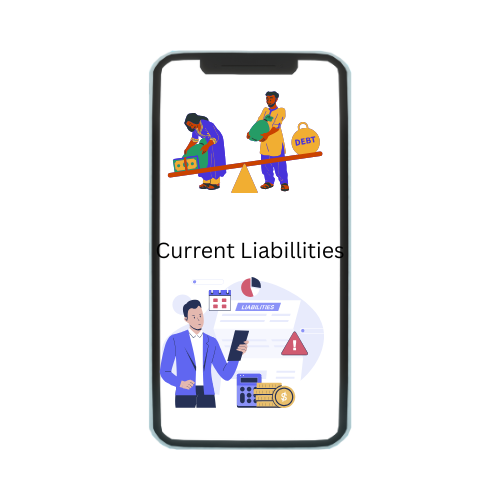
- જવાબદારીનું નિર્માણ: જ્યારે કોઈ ખર્ચ ઉપાર્જિત થાય છે, ત્યારે તેને બૅલેન્સ શીટ પર વર્તમાન જવાબદારી તરીકે ગણવામાં આવે છે. આ સૂચવે છે કે કંપની પહેલેથી જ પ્રાપ્ત થયેલ માલ અથવા સેવાઓ માટે ચોક્કસ રકમ ચૂકવે છે.
- મેચિંગ પ્રિન્સિપલ કમ્પ્લાયન્સ: ઉપાર્જિત ખર્ચ એકાઉન્ટિંગના મેચિંગ સિદ્ધાંતનું પાલન સુનિશ્ચિત કરે છે, જેના માટે ખર્ચને તે જ સમયગાળામાં રેકોર્ડ કરવાની જરૂર છે જેમ કે તેઓ આવક પેદા કરવામાં મદદ કરે છે.
- જર્નલ એન્ટ્રી ફોર્મેટ: સામાન્ય પ્રવેશમાં ખર્ચ ખાતું ડેબિટ કરવું (દા. ત. પગાર ખર્ચ) અને ઉપાર્જિત જવાબદારી ખાતામાં જમા (દા. ત. , ઉપાર્જિત પગાર ચૂકવવાપાત્ર) શામેલ છે.
- આગામી સમયગાળામાં રિવર્સલ: એકવાર આગામી સમયગાળામાં વાસ્તવિક ચુકવણી કરવામાં આવે પછી, જવાબદારી એકાઉન્ટને ડેબિટ કરીને અને કૅશ અથવા બેંક એકાઉન્ટને ક્રેડિટ કરીને સંચિત જવાબદારી ક્લિયર કરવામાં આવે છે.
ઉપાર્જિત ખર્ચના પ્રકારો
- ઉપાર્જિત પગાર અને વેતન: આ કર્મચારી વળતરની રકમ છે જે સમયગાળા દરમિયાન કમાયેલ છે પરંતુ તે સમયગાળાના અંતે હજી સુધી ચુકવણી કરવામાં આવી નથી. ઉદાહરણ તરીકે, એપ્રિલમાં ચૂકવેલ માર્ચના છેલ્લા અઠવાડિયાના પગારને માર્ચના એકાઉન્ટમાં સંચિત પગાર તરીકે નોંધવામાં આવે છે.
- ઉપાર્જિત વ્યાજ: આ વ્યાજનો સંદર્ભ આપે છે જે લોન અથવા ઉધાર પર સંચિત છે પરંતુ હજી સુધી ચુકવણી અથવા બિલ કરવામાં આવ્યું નથી. જો ભવિષ્યની તારીખ માટે વ્યાજની ચુકવણી શેડ્યૂલ કરવામાં આવી હોય તો પણ તે ઉધાર લેવાના ખર્ચને દર્શાવવા માટે રેકોર્ડ કરવામાં આવે છે.
- ઉપાર્જિત ભાડું: જ્યારે કોઈ કંપની પ્રોપર્ટી પર કબજો કરે છે અને ભાડાની ચુકવણી આગામી મહિનામાં દેય છે, ત્યારે વર્તમાન સમયગાળા માટે ચૂકવવામાં આવેલ ભાડાને સચોટ વ્યવસાય ખર્ચ દર્શાવવા માટે ઉપાર્જિત ખર્ચ તરીકે ગણવામાં આવે છે.
- ઉપાર્જિત કર: આમાં જીએસટી, ટીડીએસ અથવા કોર્પોરેટ ઇન્કમ ટૅક્સ જવાબદારીઓ જેવા ટૅક્સનો સમાવેશ થાય છે જે નાણાંકીય સમયગાળાના અંતે બાકી છે પરંતુ હજુ સુધી ચૂકવેલ નથી. તેઓ ભારતીય કાયદા હેઠળ વૈધાનિક અને ટૅક્સ નિયમોનું પાલન કરવા માટે જમા થવું આવશ્યક છે.
- ઉપાર્જિત ઉપયોગિતાઓ: એક સમયગાળા દરમિયાન ઉપયોગમાં લેવાતી વીજળી, પાણી, ગૅસ અથવા ઇન્ટરનેટ સેવાઓ સંબંધિત ખર્ચ પરંતુ હજી સુધી યુટિલિટી પ્રદાતા દ્વારા બિલ કરવામાં આવ્યું નથી તે ઉપાર્જિત ઉપયોગિતાઓ માનવામાં આવે છે અને તે અનુસાર રેકોર્ડ કરવાની જરૂર છે.
ભારતીય સંદર્ભમાં અસરો
- Ind AS હેઠળ ફરજિયાત: ભારતીય કંપનીઓ, ખાસ કરીને કંપની અધિનિયમ, 2013 હેઠળ આવરી લેવામાં આવેલ અને ભારતીય એકાઉન્ટિંગ ધોરણો (ઇન્ડ એએસ) ને અનુસરવાની જરૂર છે, સચોટ સમયગાળા-આધારિત રિપોર્ટિંગની ખાતરી કરવા માટે ઉપાર્જિત ખર્ચને રેકોર્ડ કરવો આવશ્યક છે. આ વૈધાનિક રિપોર્ટિંગ અને ઑડિટ માટે ફરજિયાત અક્રૂઅલ આધારે સંરેખિત છે.
- આવકવેરા અધિનિયમ, 1961 હેઠળ ટૅક્સ અનુપાલન: ઇન્કમ ટૅક્સ ઍક્ટના સેક્શન 43B મુજબ, કેટલાક ખર્ચ (જેમ કે વૈધાનિક દેય રકમ, બોનસ, લીવ એન્કેશમેન્ટ) માત્ર જમા ન થવો જોઈએ પરંતુ નિર્ધારિત સમયસીમાની અંદર પણ ચુકવણી કરવી જોઈએ જે ટૅક્સ હેતુઓ માટે કપાત તરીકે મંજૂરી આપવામાં આવશે. આમ કરવામાં નિષ્ફળતાથી ખર્ચની મંજૂરી અને ઉચ્ચ કરપાત્ર આવક થઈ શકે છે.
- જીએસટીની જવાબદારીઓ: જો આગામી મહિના માટે ટૅક્સ પેમેન્ટ શેડ્યૂલ કરવામાં આવી હોય તો પણ સંચિત GST સંબંધિત ખર્ચ (જેમ કે રિવર્સ ચાર્જ જવાબદારીઓ) ને માન્યતા આપવી આવશ્યક છે, જે સુનિશ્ચિત કરે છે કે કંપની GST ફાઇલિંગની સમયસીમાઓનું પાલન કરે છે.
- ઉપાર્જિત પર TDS કપાત: ભારતીય કરવેરા કાયદા હેઠળ, સ્રોત પર કપાત કરેલી (TDS) જવાબદારીઓ ઘણીવાર વ્યવસાયિક ફી, ભાડું અથવા ઇન્ટરેસ્ટ જેવા ચોક્કસ ખર્ચના ઉપાર્જનો સમયે ઉદ્ભવે છે, જ્યારે તેઓ ચૂકવવામાં આવે ત્યારે નહીં. તેથી, લાયબિલિટી રેકોર્ડ થતાં જ કંપનીઓએ TDS કાપવું અને જમા કરવું જોઈએ.
- ઑડિટ અને નિયમનકારી ચકાસણી: ભારતમાં ઓડિટર્સ અને નિયમનકારો ચોકસાઈ માટે ઉપાર્જિત ખર્ચની નજીકથી તપાસ કરે છે. ખોટા નિવેદનો અથવા બિન-રેકોડિંગ SEBI અથવા MCA જેવી નિયમનકારી સંસ્થાઓ સાથે યોગ્ય ઑડિટ મંતવ્યો, દંડાત્મક ક્રિયાઓ અથવા અનુપાલન જોખમો તરફ દોરી શકે છે.
ઉપાર્જિત ખર્ચ સાથે પડકારો
- અંદાજની ભૂલો: ઉપાર્જિત ખર્ચ ઘણીવાર વાસ્તવિક બિલ અથવા બિલની ગેરહાજરીમાં અંદાજ પર આધારિત હોય છે. અચોક્કસ આગાહીને કારણે ઓવરસ્ટેટેડ અથવા અન્ડરસ્ટેટેડ જવાબદારીઓ થઈ શકે છે, જે ફાઇનાન્શિયલ સ્ટેટમેન્ટને વિકૃત કરી શકે છે અને હિસ્સેદારોને ગેરમાર્ગે દોરી શકે છે.
- મેન્યુઅલ રેકોર્ડિંગ જોખમો: એવા વ્યવસાયોમાં જ્યાં એકાઉન્ટિંગ મૅન્યુઅલી અથવા મૂળભૂત સિસ્ટમ્સ દ્વારા કરવામાં આવે છે, ઉપાર્જિત ખર્ચ ડેટા એન્ટ્રીની ભૂલો, ડુપ્લિકેટ અથવા ઓમિશનની સંભાવના ધરાવે છે, જે અચોક્કસતાની જાણ કરવાનું જોખમ વધારે છે.
- ઑડિટ અને અનુપાલન મુદ્દાઓ: ઉપાર્જિત ખર્ચ પ્રોફિટ અને લોસ એકાઉન્ટ અને બેલેન્સ શીટ બંનેને અસર કરે છે, તેથી ઓડિટર્સ તેમની કાળજીપૂર્વક ચકાસણી કરે છે. યોગ્ય દસ્તાવેજો, ધારણાઓ અથવા સમર્થનનો અભાવ ઓડિટ લાયકાતો અથવા નિયમનકારી રેડ ફ્લેગ તરફ દોરી શકે છે.
- સમાધાન મુશ્કેલીઓ:ઉપાર્જિત ખર્ચને ટ્રૅક કરવું અને આગામી સમયગાળામાં વાસ્તવિક બિલ અથવા ચુકવણી સાથે તેમને મૅચ કરવું સમય માંગી શકે છે. વારંવાર મેળ ખાતો નથી અથવા અસંબંધિત વસ્તુઓના પરિણામે એકાઉન્ટિંગ બૅકલૉગ અથવા બુક બંધ કરવામાં વિલંબ થઈ શકે છે.
- ટૅક્સ કપાત સાથે ગેરસમજ:જો ઉપાર્જિત ખર્ચ આવકવેરા અધિનિયમ, 1961 ની કલમ 43B હેઠળ નિર્દિષ્ટ સમયસીમાની અંદર ચૂકવવામાં આવતા નથી, તો તે કપાત તરીકે માન્ય નથી, જે કંપનીની ટૅક્સ જવાબદારીમાં વધારો કરે છે.
ઉપાર્જિત ખર્ચને મેનેજ કરવા માટેની શ્રેષ્ઠ પ્રથાઓ
- સ્પષ્ટ એક્રુઅલ પૉલિસીઓ સ્થાપિત કરો: કંપનીઓએ તમામ વિભાગોમાં ઉપાર્જિત ખર્ચને ઓળખવા અને રેકોર્ડ કરવા માટે સ્ટાન્ડર્ડ પૉલિસીઓ અને કટ-ઑફ પ્રક્રિયાઓ અમલમાં મૂકવી જોઈએ. આ એકસમાન સારવારની ખાતરી કરે છે અને મહિનાના અંત અથવા વર્ષના અંતના ક્લોઝર દરમિયાન મૂંઝવણને ઘટાડે છે.
- એકાઉન્ટિંગ સૉફ્ટવેર અથવા ERP સિસ્ટમ્સનો ઉપયોગ કરો: વિશ્વસનીય એકાઉન્ટિંગ સૉફ્ટવેર (જેમ કે ટેલી, ક્વિકબુક અથવા SAP) દ્વારા ઉપાર્જિત પ્રક્રિયાને સ્વચાલિત કરવાથી મેન્યુઅલ ભૂલો ઘટાડવામાં મદદ મળે છે, સમયસર પ્રવેશની ખાતરી કરે છે અને પગાર, ભાડું અથવા ઇન્ટરેસ્ટ જેવા આવર્તક ઉપાર્જનો માટે પૂર્વનિર્ધારિત નિયમોનું ઉપયોગ કરીને ચોકસાઈમાં સુધારો કરે છે.
- નિયમિત સમાધાન અને સમીક્ષા: ઉપાર્જિત ખર્ચ અને વાસ્તવિક બિલ અથવા ચુકવણી વચ્ચે માસિક અથવા ત્રિમાસિક સમાધાનનું આયોજન કરવાથી ડુપ્લિકેટ અથવા લાંબા સમયથી વણચૂકવેલ જવાબદારીઓને રોકવામાં મદદ મળે છે. આ પછીના સમયગાળામાં ઉપાર્જનોનું યોગ્ય રિવર્સલ સુનિશ્ચિત કરવામાં પણ મદદ કરે છે.
- મજબૂત સહાયક ડૉક્યુમેન્ટેશન જાળવી રાખો: દરેક ઉપાર્જિત એન્ટ્રી માટે, કરારો, આંતરિક મેમો, અંદાજ અથવા સર્વિસ રેકોર્ડ જેવા સહાયક પુરાવા જાળવી રાખો. ઑડિટ દરમિયાન અને આંતરિક નિયંત્રણ પાલન માટે આ મહત્વપૂર્ણ છે.
- વિભાગીય ઇનપુટ્સ શામેલ કરો: ફાઇનાન્સ ટીમોએ બિન-ભંડોળવાળી સેવાઓ અથવા પ્રાપ્ત કરવાની જરૂર હોય તેવા ખર્ચને ઓળખવા માટે અન્ય વિભાગો (દા.ત., એચઆર, પ્રાપ્તિ, એડમિન) સાથે સહયોગ કરવો જોઈએ. ક્રોસ-ફંક્શનલ કોઓર્ડિનેશન એક્રુઅલ રેકોર્ડની સંપૂર્ણતામાં સુધારો કરે છે.
ઉપાર્જિત ખર્ચનું સંચાલન કરવા માટે તકનીકી સાધનો
- એન્ટરપ્રાઇઝ રિસોર્સ પ્લાનિંગ (ઇઆરપી) સિસ્ટમ્સ: SAP, ઓરેકલ નેટસુઇટ અને માઇક્રોસોફ્ટ ડાયનેમિક્સ જેવા મજબૂત ERP પ્લેટફોર્મ એકાઉન્ટિંગ સહિત વિવિધ બિઝનેસ કાર્યોને એકીકૃત કરે છે અને ઑટોમેટેડ એક્રુઅલ ટ્રેકિંગની મંજૂરી આપે છે. આ સિસ્ટમ્સ રિકરિંગ અક્રૂઅલ એન્ટ્રીઓ બનાવી શકે છે, રિવર્સલ શેડ્યૂલ કરી શકે છે અને વાસ્તવિક સમયમાં બજેટ અથવા ખર્ચ કેન્દ્રોને ખર્ચને લિંક કરી શકે છે.
- ક્લાઉડ-આધારિત એકાઉન્ટિંગ સૉફ્ટવેર: ટેલી પ્રાઇમ, ક્વિકબુક્સ, ઝોહો બુક્સ અને ઝેરો જેવા ટૂલ્સ નાના અને મધ્યમ કદના વ્યવસાયો માટે તૈયાર કરેલ યૂઝર-ફ્રેન્ડલી ઇન્ટરફેસ અને સુવિધાઓ પ્રદાન કરે છે. આ સાધનો આવર્તક ઉપાર્જિત ખર્ચ (જેમ કે ભાડું, પગાર અને ઇન્ટરેસ્ટ) ની આપમેળે પોસ્ટિંગને સક્ષમ કરે છે, જે મેન્યુઅલ જર્નલ એન્ટ્રીઓ પર નિર્ભરતા ઘટાડે છે.
- ખર્ચ વ્યવસ્થાપન પ્લેટફોર્મ: ખર્ચાળ, SAP Concur અને ઝોહો ખર્ચ જેવા સૉફ્ટવેર કર્મચારીઓની વળતર, મુસાફરી ખર્ચ અને વેન્ડર બિલને સુવ્યવસ્થિત કરે છે. તેઓ બિલ સબમિટ અથવા મંજૂર થાય તે પહેલાં બિન-પોસ્ટ કરેલા ખર્ચને ઓળખવામાં અને ખર્ચની પ્રાપ્તિને ઑટોમેટ કરવામાં મદદ કરે છે.
નિષ્કર્ષ
ઉપાર્જિત ખર્ચ, જોકે ઘણીવાર દૃશ્યો પાછળ કાર્ય કરે છે, તે સચોટ ફાઇનાન્શિયલ રિપોર્ટિંગ અને જવાબદાર એકાઉન્ટિંગનો આધારસ્તંભ છે. તેઓ ખાતરી કરે છે કે કંપનીની જવાબદારીઓ અને ખર્ચ યોગ્ય એકાઉન્ટિંગ સમયગાળામાં રેકોર્ડ કરવામાં આવે છે - પછી ભલે પેમેન્ટ ખરેખર કરવામાં આવે - તેના નાણાકીય સ્વાસ્થ્યનું સાચું અને પારદર્શક દૃષ્ટિકોણ પ્રદાન કરે છે. આ ખાસ કરીને ભારતીય એકાઉન્ટિંગ સ્ટાન્ડર્ડ્સ (Ind AS) દ્વારા ફરજિયાત અક્રુઅલ એકાઉન્ટિંગ પદ્ધતિ હેઠળ મહત્વપૂર્ણ બની જાય છે, જ્યાં વ્યવસાયોએ આવક પેદા કરવા સાથે ખર્ચની માન્યતાને સંરેખિત કરવું આવશ્યક છે. ઉપાર્જિત ખર્ચને યોગ્ય રીતે મેનેજ કરીને, કંપનીઓ રોકડ પ્રવાહ આયોજનમાં સુધારો કરી શકે છે, ટૅક્સ અને નિયમનકારી પાલન કરી શકે છે અને ઓડિટ દરમિયાન મોંઘી ભૂલોને ટાળી શકે છે. જો કે, આ પ્રક્રિયા તેના પડકારો વગર નથી-અંદાજની ભૂલો, મેન્યુઅલ ભૂલો અને અનુપાલન જોખમો પર ધ્યાન અને સક્રિય વ્યવસ્થાપનની જરૂર છે. આધુનિક એકાઉન્ટિંગ સૉફ્ટવેરનો લાભ લેવો, જર્નલની એન્ટ્રીઓને ઑટોમેટ કરવું, તાલીમ કર્મચારીઓ અને સખત આંતરિક નિયંત્રણોનો અમલ કરવો એ વ્યવસાયોને એક્યુરલ મેનેજમેન્ટમાં ચોકસાઈ અને સાતત્ય જાળવવામાં મદદ કરી શકે છે. સમયસર નાણાંકીય નિર્ણયો દ્વારા સંચાલિત વિશ્વમાં, ઉપાર્જિત ખર્ચની સચોટ સંભાળ પ્રતિક્રિયાશીલ અનુમાન અને વ્યૂહાત્મક દૂરદૃષ્ટિ વચ્ચેનો તફાવત હોઈ શકે છે.