2.1. एनएफओ क्या है?

आनंद: रिद्धिमा, एनएफओ क्या है?
रिद्धिमा: यह एक नया फंड ऑफर है. म्यूचुअल फंड कंपनी एक नई स्कीम लॉन्च करती है, और निवेशक आमतौर पर ₹10 प्रति यूनिट खरीद सकते हैं. उदाहरण के लिए, SBI ने फरवरी 2024 में एनर्जी ऑपर्च्युनिटीज फंड लॉन्च किया.
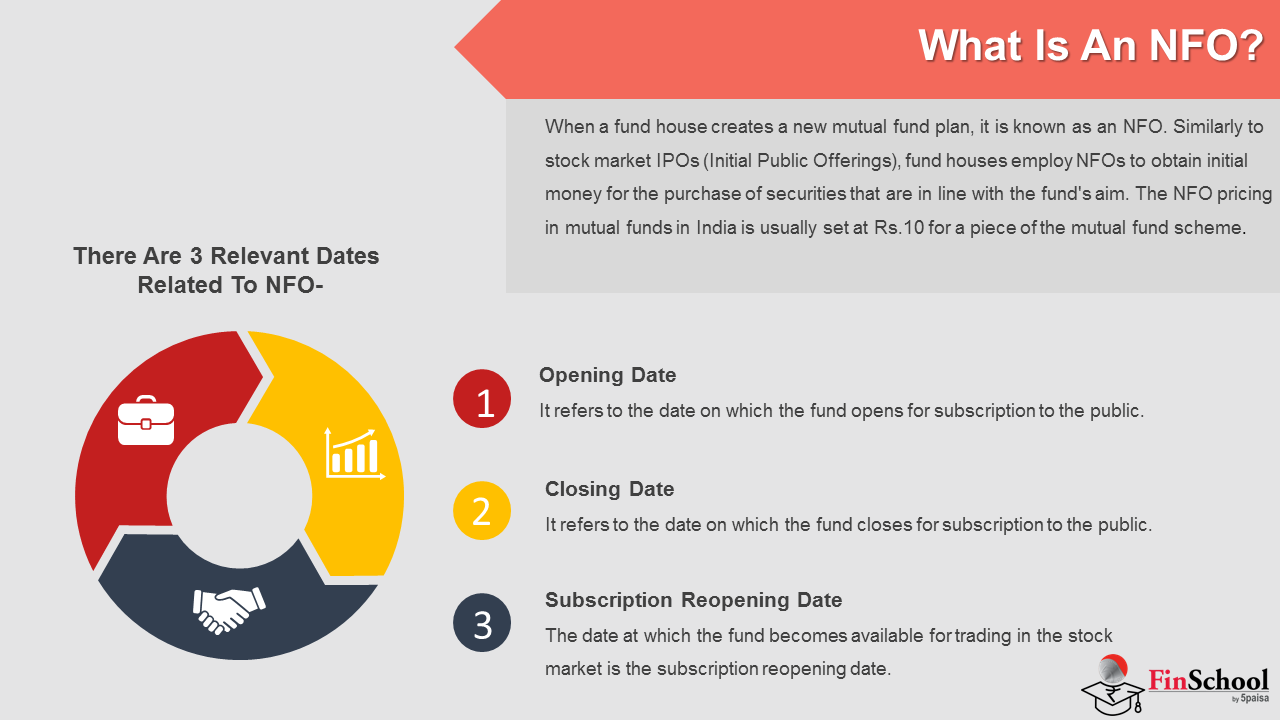
न्यू फंड ऑफर या NFO तब होता है जब कोई म्यूचुअल फंड कंपनी फंड लॉन्च करती है. ऐसा तब होता है जब कोई कंपनी पहली बार जनता को शेयर जारी करती है (IPO). स्टॉक खरीदने के बजाय आप म्यूचुअल फंड की यूनिट खरीदते हैं. भारत में, NFO की कीमत आमतौर पर दस रुपये प्रति यूनिट होती है. NFO बंद होने और यूनिट आवंटित होने के बाद, एक ओपन-एंडेड स्कीम नियमित खरीद और बिक्री के लिए दोबारा खुल जाती है (अलॉटमेंट के पांच कार्य दिवसों के भीतर). फिर आप एक कीमत (एनएवी) पर यूनिट खरीद सकते हैं जो हर दिन बदलती रहती है.
उदाहरण: फरवरी 2024 (6 से 20 फरवरी) में SBI म्यूचुअल फंड ने NFO के रूप में SBI एनर्जी ऑपर्च्युनिटीज फंड लॉन्च किया. यह पारंपरिक और नई ऊर्जा वाली कंपनियों पर ध्यान केंद्रित करता है. निवेशक ₹5,000 के न्यूनतम इन्वेस्टमेंट के साथ दस रुपये के लिए यूनिट खरीद सकते हैं.
आनंद: लोग NFO में कैसे निवेश करते हैं?
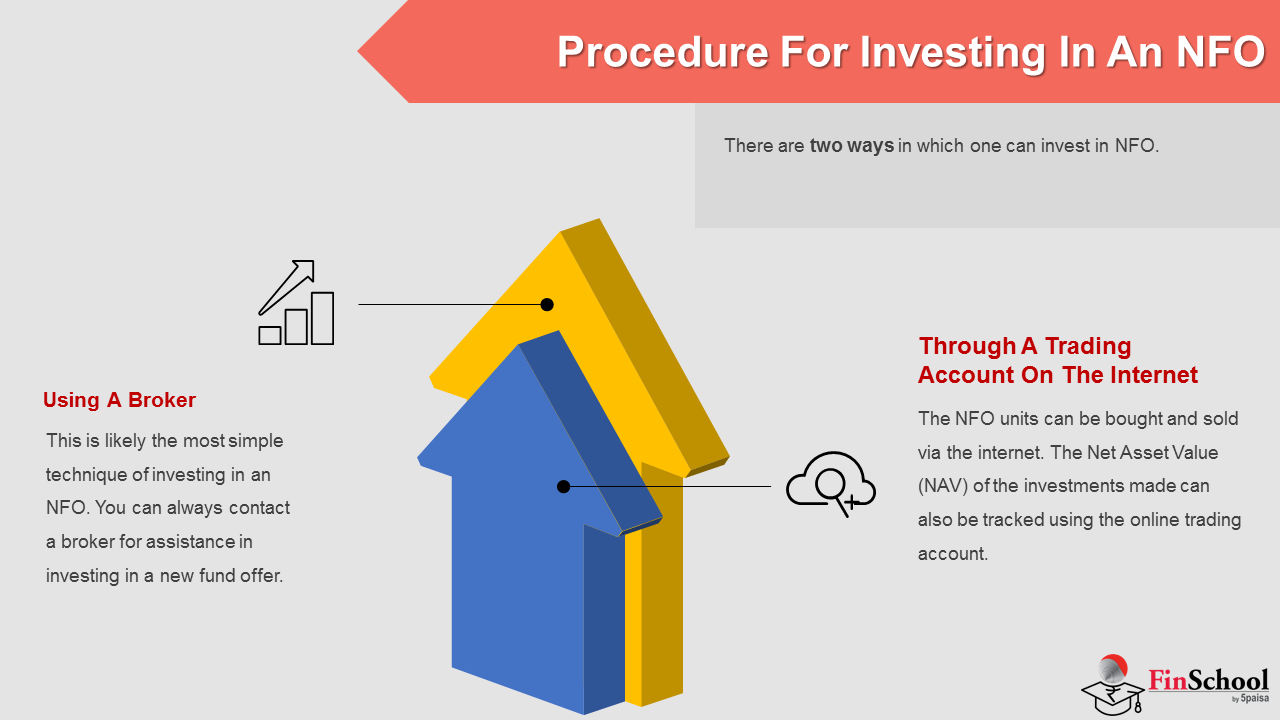
रिद्धिमा: दो तरीके:
- ब्रोकर या डिस्ट्रीब्यूटर के माध्यम से, जो पेपरवर्क और मार्गदर्शन में मदद करते हैं, लेकिन स्कीम के रेगुलर प्लान के माध्यम से कमीशन का भुगतान किया जाता है, जिसका एक्सपेंस रेशियो अधिक होता है.
- ऑनलाइन प्लेटफॉर्म के माध्यम से, जो तेज़, पेपरलेस हैं और आपको अपने निवेश पर नियंत्रण प्रदान करते हैं. डायरेक्ट प्लान (AMC वेबसाइट या डायरेक्ट प्लेटफॉर्म पर) खरीदना सस्ता है.
NFO का प्रकार
ओपन-एंडेड बनाम क्लोज़-एंडेड: सभी NFO बंद होने के बाद एक ही तरह से व्यवहार नहीं करते. ओपन-एंडेड फंड में, स्कीम दोबारा खुलने के बाद आप किसी भी कार्य दिवस पर फंड हाउस के साथ यूनिट खरीद और रिडीम कर सकते हैं. क्लोज़-एंडेड फंड, जैसे FMP या कुछ थीमेटिक फंड, एक निश्चित अवधि के लिए आपके पैसे को लॉक करते हैं. उस समय आप केवल स्टॉक एक्सचेंज पर अपनी यूनिट बेच सकते हैं जहां उन्हें सूचीबद्ध किया जाता है, कभी-कभी एनएवी को डिस्काउंट पर.
₹10 "डिस्काउंट" क्यों नहीं है : एक सामान्य मिथक यह है कि मौजूदा फंड की तुलना में ₹10 सस्ता है, जिसकी NAV ₹150 है. यह नहीं है. ₹10 केवल शुरुआती कीमत है. फंड के इन्वेस्टमेंट उस समय से कैसे काम करते हैं, न कि जिस कीमत पर आप दर्ज करते हैं.
आनंद: NFO शुरू होने के बाद, मुझे किस तारीख को देखना चाहिए?
रिद्धिमा: चार.
- शुरू होने की तिथि:सब्सक्रिप्शन के लिए NFO खोलने का दिन.
- समापन तिथि:₹10 ऑफर की कीमत पर सब्सक्राइब करने का अंतिम दिन. ELSS को छोड़कर, NFO अधिकांश 15 दिनों के लिए खुला रह सकता है.
- अलॉटमेंट की तिथि:बंद होने की तिथि के 5 कार्य दिवसों के भीतर निवेशकों को यूनिट जमा किए जाते हैं. कोई भी लॉक-इन, जैसे 3-वर्ष का ELSS लॉक-इन, इस तारीख से गिना जाता है.
- दोबारा खोलने की तिथि:ओपन-एंडेड स्कीम के लिए, अलॉटमेंट के 5 कार्य दिवसों के भीतर दैनिक NAV पर नियमित खरीद और रिडेम्पशन के लिए डे फंड फिर से खोला जाता है. क्लोज़-एंडेड स्कीम स्टॉक एक्सचेंज में सूचीबद्ध हैं और फंड हाउस के साथ दोबारा नहीं खोलते हैं.
बंद होने की तिथि और दोबारा खोलने की तिथि के बीच, निवेशक यूनिट खरीद या रिडीम नहीं कर सकते हैं. दोबारा खोलने की तारीख तब होती है जब फंड प्रभावी रूप से नए निवेशकों के लिए "लाइव हो जाता है", जो उस समय से ₹10 ऑफर की कीमत के बजाय दैनिक NAV पर खरीद करते हैं.
2.2. NFO में निवेश करने की प्रक्रिया

ब्रोकर के माध्यम से
ब्रोकरेज हाउस म्यूचुअल फंड स्कीम में इन्वेस्टर की भागीदारी की सुविधा प्रदान करते हैं, और कई इन्वेस्टर इस रूट को पसंद करते हैं क्योंकि यह उन्हें मार्गदर्शन और सहायता प्रदान करता है.
- सहायता: ब्रोकर आमतौर पर इन्वेस्टर को फॉर्म सही तरीके से भरने में मदद करता है और उन्हें कम्प्लायंस प्रोसीज़र के माध्यम से गाइड करता है.
- सुविधा: ब्रोकर अक्सर आवश्यक डॉक्यूमेंट और हस्ताक्षर एकत्र करने के लिए इन्वेस्टर के ऑफिस या घर में आता है. विश्वास कुछ निवेशक एक भरोसेमंद व्यक्ति के साथ प्रक्रिया के माध्यम से चलकर फिर से आश्वस्त महसूस करते हैं.
- लागत : हालांकि, एक ब्रोकर निवेशक से कमीशन ले सकता है, जो म्यूचुअल फंड स्कीम के कुल रिटर्न में कटौती कर सकता है; फिर भी, कई निवेशक विश्वसनीय म्यूचुअल फंड सलाहकार का मार्गदर्शन प्राप्त करने के लिए अतिरिक्त भुगतान करने के लिए तैयार रहते हैं.
ऑनलाइन प्लेटफॉर्म के माध्यम से
आजकल म्यूचुअल फंड निवेशक डिजिटल प्लेटफॉर्म के माध्यम से NFO तक आसानी से एक्सेस प्राप्त कर सकते हैं, जिसने सब्सक्रिप्शन प्रोसेस को काफी आसान बना दिया है.
- एक्सेसिबिलिटी : डिजिटल प्लेटफॉर्म निवेशक को NFO के लिए साइन-अप करने का सुविधाजनक विकल्प प्रदान करता है. गति पूरी प्रोसेस तेज़ है और पूरा होने में केवल कुछ मिनट लगते हैं.
- कागजी कार्रवाई: ऑनलाइन पोर्टल इन्वेस्टर को बिना किसी परेशानी के एप्लीकेशन प्रोसेस को पूरा करने में मदद करता है.
- सूचना : एक ऑनलाइन पोर्टल इन्वेस्टर को अपने इन्वेस्टमेंट के बारे में सूचित निर्णय लेने के लिए आवश्यक जानकारी प्रदान करता है.
- लागत-प्रभावीता : निवेशक म्यूचुअल फंड सलाहकार की आवश्यकता को समाप्त करके ब्रोकरेज शुल्क पर बचत कर सकते हैं. नियंत्रण कोई इन्वेस्टर जो अपने इन्वेस्टमेंट से सीधे डील करना चाहता है, वह आसानी से ऐसा कर सकता है.
आनंद: NFO में निवेश करने से पहले मुझे क्या चेक करना चाहिए?
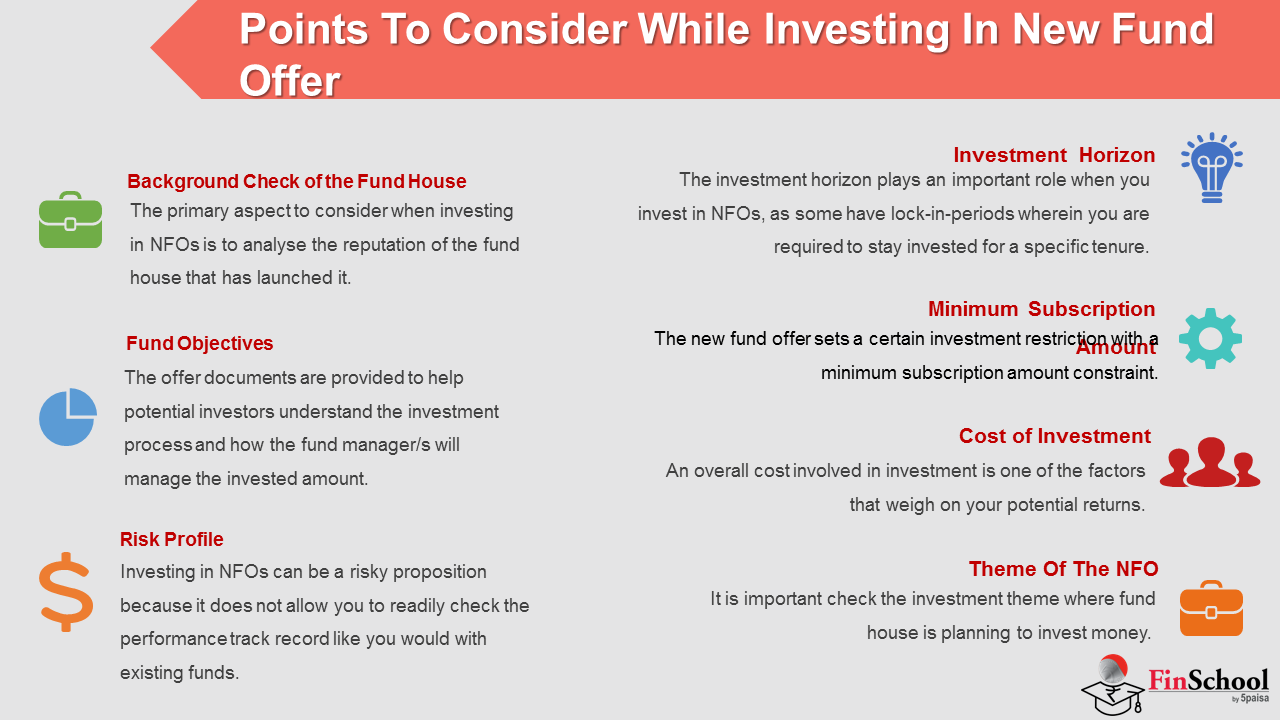
रिधिमा: फंड हाउस की विश्वसनीयता, स्कीम के उद्देश्य और जोखिम, लॉक-इन अवधि, सब्सक्रिप्शन राशि, खर्च और अगर थीम आपको अपील की गई है, तो देखें.
नए फंड ऑफर में इन्वेस्ट करते समय विचार करने लायक 2.3 बातें

आनंद: ठीक है, इसलिए किसी भी NFO में पैसे डालने से पहले, मुझे वास्तव में क्या चेक करना चाहिए?
रिधिमा: अच्छी भावना - क्योंकि NFO का कोई ट्रैक रिकॉर्ड नहीं है, इसलिए आप इसे लगभग पूरी तरह से पेपर पर मूल्यांकन कर रहे हैं. मुझे गहराई में प्रत्येक कारक के माध्यम से जाने दें.
1. फंड हाउस की प्रतिष्ठा
आप स्कीम से पहले अपने पैसे के साथ फंड हाउस पर भरोसा कर रहे हैं, इसलिए उनका समग्र ट्रैक रिकॉर्ड बहुत महत्वपूर्ण है.
- देखें कि उनकी मौजूदा स्कीम ने मार्केट साइकिल में 5-10 वर्षों से अधिक समय कैसे किया है (केवल बुल रन में नहीं).
- अपने एयूएम (एसेट अंडर मैनेजमेंट) का साइज़ और स्थिरता चेक करें - एक ऐसा घर जिसे लगातार इनफ्लो देखा जाता है, अन्य निवेशकों द्वारा भी अधिक भरोसा किया जाता है.
- फंड मैनेजमेंट टीम के अनुभव और फंड मैनेजर आमतौर पर कितने समय तक रहते हैं (हाई टर्नओवर एक रेड फ्लैग हो सकता है) देखें.
- उदाहरण: एच डी एफ सी म्यूचुअल फंड और ICICI प्रूडेंशियल दशकों के इतिहास के साथ अच्छी तरह से स्थापित घर हैं और विभिन्न प्रकार के फंड हैं, जिन्होंने कई मार्केट साइकल का सामना किया है - इसलिए उनके NFO में कुछ विरासत में मिली विश्वसनीयता होती है, भले ही इसके अपने इतिहास के बिना हो.
2. फंड के उद्देश्य
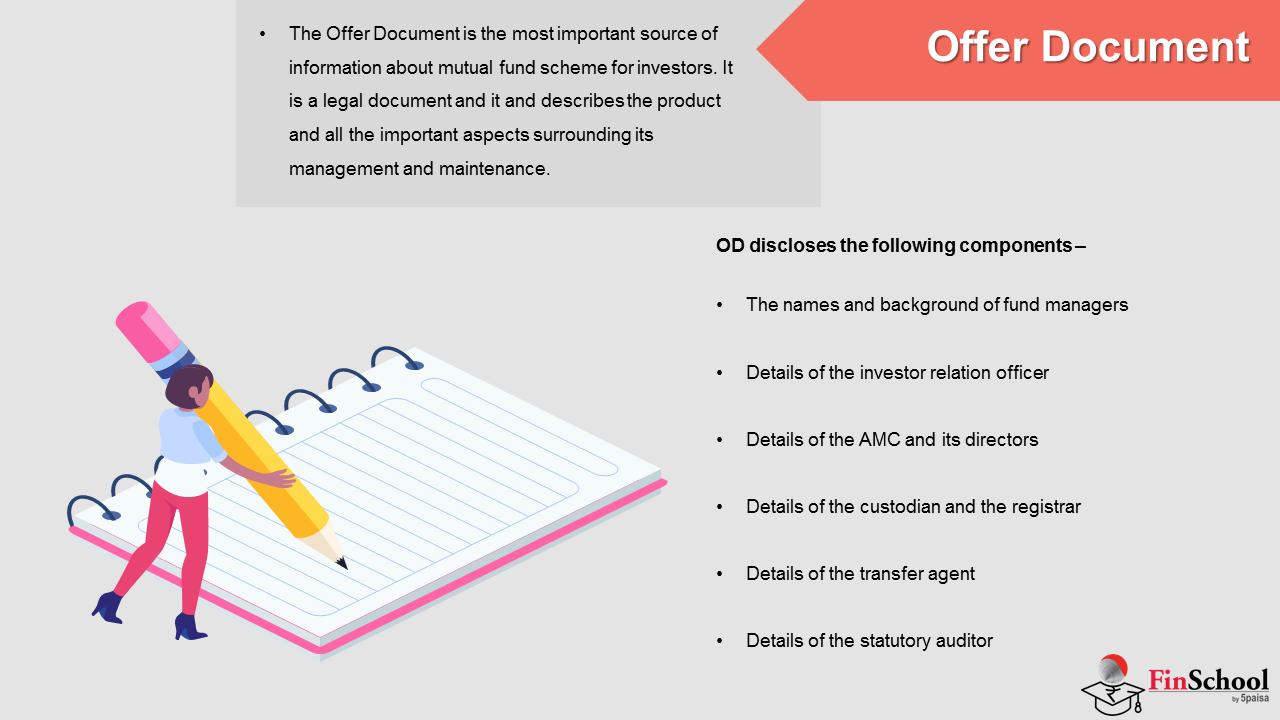
यह स्कीम इन्फॉर्मेशन डॉक्यूमेंट (SID) में लिखा गया है - प्रत्येक NFO को प्रकाशित करने के लिए लीगल ऑफर डॉक्यूमेंट.
- यह बताता है कि फंड क्या निवेश करेगा: सेक्टर, मार्केट कैप (लार्ज/मिड/ स्मॉल), भूगोल, एसेट एलोकेशन रेंज और स्ट्रेटजी.
- फंड के आकर्षक नाम से जाने के बजाय इसे ध्यान से पढ़ें - कभी-कभी नाम केवल कहानी का हिस्सा बताता है.
- उदाहरण: कोटक ग्लोबल टेक फंड NFO का उद्देश्य ग्लोबल टेक्नोलॉजी कंपनियों में निवेश करना था. इन्वेस्टर को विशेष रूप से चेक करना चाहिए: कौन से देश, कैसे कंसंट्रेटेड (टॉप 10 होल्डिंग्स %), और क्या यह सक्रिय रूप से या पैसिव रूप से (इंडेक्स-ट्रैकिंग) मैनेज किया जाता है.
3. रिस्क प्रोफाइल
क्योंकि कोई ऐतिहासिक NAV चार्ट नहीं है या अध्ययन के लिए डेटा वापस नहीं किया जाता है, इसलिए आप पूरी तरह से फंड की कैटेगरी पर निर्भर कर रहे हैं.
- डाइवर्सिफाइड/फ्लेक्सी-कैप NFO आमतौर पर सेक्टर या थीम आधारित NFO की तुलना में कम रिस्क होते हैं, क्योंकि वे किसी इंडस्ट्री के भाग्य से जुड़े नहीं होते हैं.
- सेक्टर-विशिष्ट NFO (एनर्जी, टेक, इन्फ्रास्ट्रक्चर, फार्मा) अस्थिर हो सकते हैं - अगर एक सेक्टर खराब प्रदर्शन करता है, तो पूरे फंड को नुकसान होता है, जिसमें कोई अन्य सेक्टर नहीं होता है.
- अंगूठे का नियम: अगर आप जोखिम से बचना चाहते हैं, तो पूरी तरह से सेक्टर/थीमैटिक NFO से बचें और डाइवर्सिफाइड इक्विटी या हाइब्रिड फंड NFO का पालन करें (या NFO को पूरी तरह से छोड़ें और ट्रैक रिकॉर्ड वाले मौजूदा फंड की प्रतीक्षा करें).
4. इन्वेस्टमेंट अवधि (लॉक-इन अवधि)
कुछ NFOs जैसे प्रतीत होते हैं, लिक्विड नहीं होते हैं.
- ELSS (इक्विटी लिंक्ड सेविंग स्कीम) NFO अनिवार्य 3-वर्ष के लॉक-इन के साथ आते हैं, क्योंकि वे सेक्शन 80C के तहत टैक्स कटौती के लिए पात्र हैं - आप 3 वर्षों से पहले रिडीम नहीं कर सकते हैं, चाहे वह कुछ भी हो.
- क्लोज़-एंडेड NFO (कभी-कभी थीमेटिक या FMP-स्टाइल) आपको पूरी अवधि (3, 5, या यहां तक कि 10 वर्ष) के लिए लॉक कर सकते हैं, केवल स्टॉक एक्सचेंज के माध्यम से बाहर निकल सकते हैं (अक्सर कम ट्रेडिंग वॉल्यूम के कारण NAV पर छूट मिलती है).
- निवेश करने से पहले, हमेशा चेक करें: क्या यह ओपन-एंडेड या क्लोज़-एंडेड है, और क्या लॉक-इन है? लिक्विडिटी के लिए आपकी आवश्यकता के साथ मैच करें.
5. न्यूनतम सब्सक्रिप्शन राशि
- अधिकांश NFOs ने ₹500-₹5,000 रेंज में कम से कम एकमुश्त इन्वेस्टमेंट सेट किया है, जिससे वे अधिकांश रिटेल निवेशकों के लिए सुलभ हो जाते हैं.
- कई NFO शुरुआत से SIP (सिस्टमेटिक इन्वेस्टमेंट प्लान) भी स्वीकार करते हैं - इसलिए ऑफर विंडो के दौरान एकमुश्त राशि करने के बजाय, आप NFO अवधि के दौरान/बाद में भी छोटे मासिक इन्वेस्टमेंट से शुरू कर सकते हैं.
- यह विशेष रूप से चेक करने योग्य है, क्योंकि SIP की उपलब्धता और न्यूनतम SIP राशि फंड हाउस के अनुसार अलग-अलग हो सकती है.
6. लागत (खर्च अनुपात)
- एक्सपेंस रेशियो आपके पैसे को मैनेज करने के लिए वार्षिक शुल्क (आपके इन्वेस्टमेंट के % के रूप में) है - यह सीधे आपके रिटर्न में आता है.
- SEBI कैप: इक्विटी फंड के लिए, कुल एक्सपेंस रेशियो (टीईआर) सीलिंग 2.25% है (यह कैप वास्तव में स्लैब में कम होती है क्योंकि फंड का एयूएम बड़ा होता है - 2.25% छोटे इक्विटी फंड साइज़ के लिए ऊपरी लिमिट है).
- डायरेक्ट प्लान का एक्सपेंस रेशियो रेगुलर प्लान (कोई डिस्ट्रीब्यूटर कमीशन नहीं) की तुलना में काफी कम होता है, जो लंबी अवधि में अर्थपूर्ण रूप से कंपाउंड होता है.
- हमेशा NFO के प्रस्तावित एक्सपेंस रेशियो की तुलना उसी कैटेगरी में इसी तरह के मौजूदा फंड से करें - असामान्य रूप से अधिक, एक सावधानी का संकेत है.
7. क्या थीम आपके आउटलुक से मेल खाती है?
यह अधिक व्यक्तिपरक, "गट-चेक" फैक्टर है - चेकलिस्ट से परे.
- थीमेटिक/सेक्टर NFO अनिवार्य रूप से एक शर्त है: यह तभी सही होता है जब आप आने वाले वर्षों में उस थीम की वृद्धि पर विश्वास करते हैं.
- उदाहरण: अगर आपको लगता है कि भारत का इन्फ्रास्ट्रक्चर सेक्टर (रोड्स, पावर, पोर्ट, कंस्ट्रक्शन) अगले दशक में मजबूत विकास के लिए तैयार है, तो एच डी एफ सी इन्फ्रास्ट्रक्चर फंड जैसे NFO उस विश्वास के अनुरूप हैं. लेकिन अगर आपके पास यह विशिष्ट दृष्टिकोण नहीं है, तो सेक्टर फंड के कंसंट्रेटेड रिस्क को लेने का कोई कारण नहीं है - आप डाइवर्सिफाइड फंड में बेहतर होंगे.
NFO में निवेश करने के 2.4 नुकसान

आनंद: तो NFO को उनके लिए कोई लाभ नहीं है?
रिधिमा: NFO में निवेश करने से निश्चित रूप से कुछ नुकसान होते हैं, जिन्हें हमें एक चमकदार नई थीम के लाभ से निपटना होता है. मुझे उनके माध्यम से जाने दें.
NFO के नुकसान
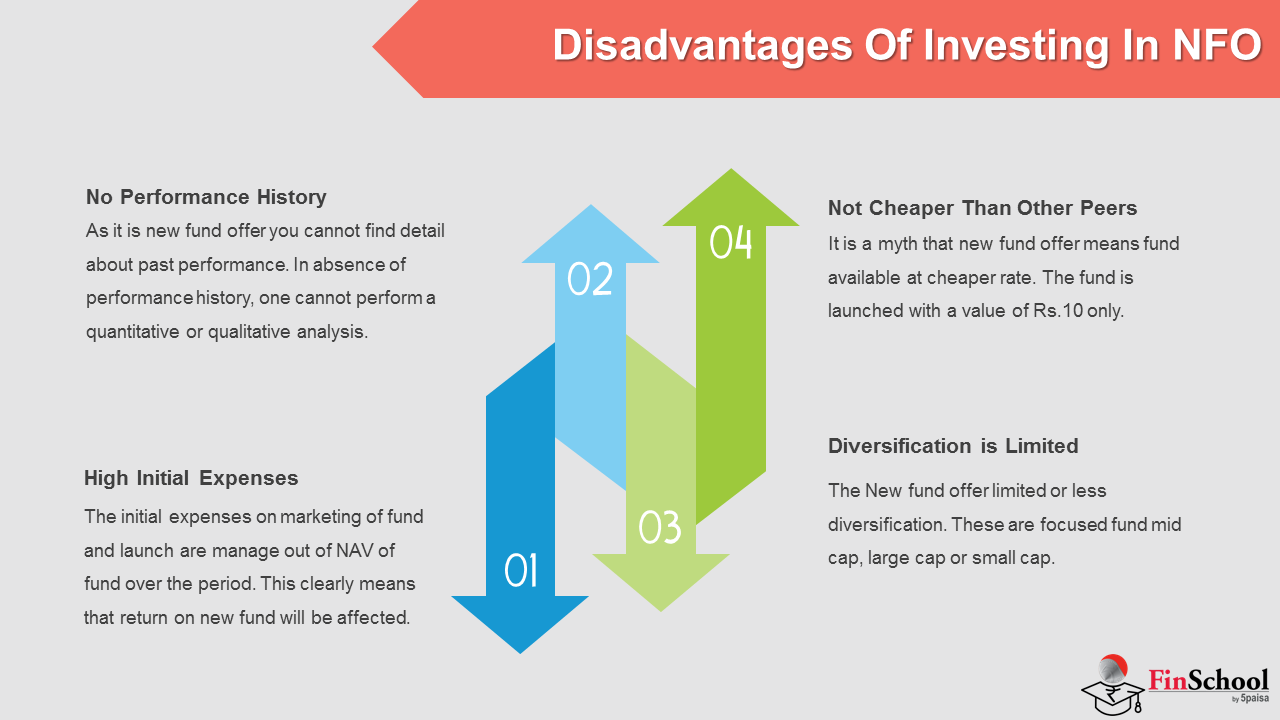
1. कोई ट्रैक रिकॉर्ड नहीं है : मौजूदा फंड के लिए, हम 3 वर्ष/5 वर्ष/10 वर्ष के रिटर्न देख सकते हैं, देखें कि 2020 में या 2008 में तूफान के मौसम में, फंड मैनेजर की निरंतरता का विश्लेषण करें. NFO के लिए इनमें से कोई भी हमारे लिए उपलब्ध नहीं है. और आप इसे लागू करने में उसका ट्रैक रिकॉर्ड जानने के बिना फंड मैनेजर की विचारधारा के बारे में जान रहे हैं. याद रखें कि सर्वश्रेष्ठ फंड हाउस भी खराब प्रदर्शन करने वाली स्कीम हो सकती है.
2. उच्च प्रारंभिक लागत : विज्ञापन और वितरण लागत, एजेंट लागत, रजिस्ट्रार लागत, प्रशासनिक लागत आदि जैसी नई स्कीम शुरू करने में विभिन्न लागतें आती हैं. जो आमतौर पर स्कीम पर लोड हो जाती है (सेबी द्वारा निर्धारित कुछ सीमाओं के भीतर). यह मौजूदा स्कीम के विपरीत है जहां ये लागत पहले से ही एसेट मैनेजमेंट कंपनी (AMC) द्वारा वहन की जाएगी और इसलिए वर्तमान में स्कीम के NAV में दिखाई नहीं देती है. इसका मतलब यह है कि जब आप NFO में निवेश करते हैं, तब तक लागत रिकवर न हो जाए (जिसमें कुछ समय लग सकता है), मौजूदा स्कीम की तुलना में रिटर्न कम हो जाएगा.
3. सस्ता नहीं: NFO के बारे में सबसे बड़ी गलत धारणाओं में से एक यह है कि पहली बार निवेशकों के पास यह है कि 85 रुपये की मौजूदा स्कीम की तुलना में NFO का NAV 10 रुपये है, इसलिए यह पैसे के लिए अधिक मूल्य प्रदान करता है. हालांकि, स्कीम का NAV पूरी तरह से मार्केट में बकाया यूनिट की संख्या का संकेत है और यह पैसे या रिस्क एडजस्टेड रिटर्न के लिए कोई वैल्यू नहीं दर्शाता है. इसलिए संक्षेप में 10 रुपये बनाम 85 रुपये की स्कीम, अगर उन्होंने उसी बाजार परिदृश्य में निवेश किया है, तो समान रिटर्न (पूर्ण शर्तों और प्रतिशत शर्तों में) होगा. यह पोर्टफोलियो के अंदर की बात है जो रिटर्न को निर्धारित करता है न कि शुरुआती प्राइस पॉइंट.
4. कम विविधता : कई NFO को उनके लिए एक विशेष थीम के साथ लॉन्च किया जाता है, जो उन्हें मार्केट में मौजूदा स्कीम की भीड़ से अलग बनाता है. उदाहरण के लिए ईवी फंड, एनर्जी ट्रांजिशन फंड, स्मॉल कैप फंड, ग्लोबल टेक फंड आदि. अगर थीम अच्छी तरह से दिखाई देती है, तो यह स्कीम को एक बढ़त देती है, लेकिन अगर थीम उम्मीद के अनुसार नहीं खेलती है तो यह कमजोरी भी पेश करती है.
फंड के भीतर डाइवर्सिफिकेशन की कमी का मतलब यह हो सकता है कि किसी निश्चित सेगमेंट या मार्केट कैप में मार्केट के उतार-चढ़ाव के खिलाफ कोई हेज नहीं है. उदाहरण के लिए, एक स्मॉल कैप NFO को केवल स्मॉल कैप में निवेश करना होता है. अगर स्मॉल कैप सेगमेंट कुछ वर्षों तक लगातार अच्छा प्रदर्शन करता है (जैसा कि ऐसा करना ज्ञात है), तो स्कीम में इससे सुरक्षा के लिए कोई डाइवर्सिफिकेशन नहीं है.
2.5 ऑफर डॉक्यूमेंट
आनंद: मैं NFO के बारे में सभी विवरण कैसे जान सकता/सकती हूं?
रिधिमा: आप उन्हें ऑफर डॉक्यूमेंट में देख सकते हैं. ऑफर डॉक्यूमेंट की चार कैटेगरी हैं जिन्हें हमें देखना होगा.
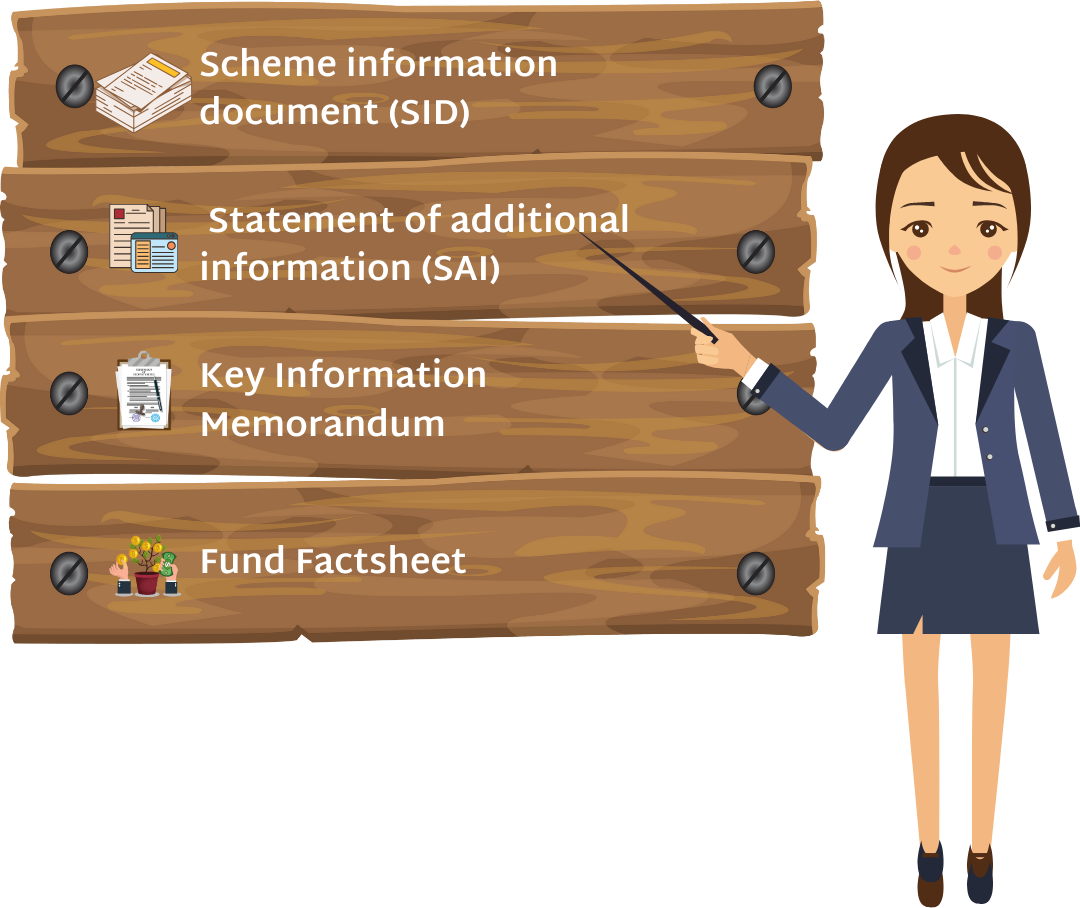
चार ऑफर डॉक्यूमेंट
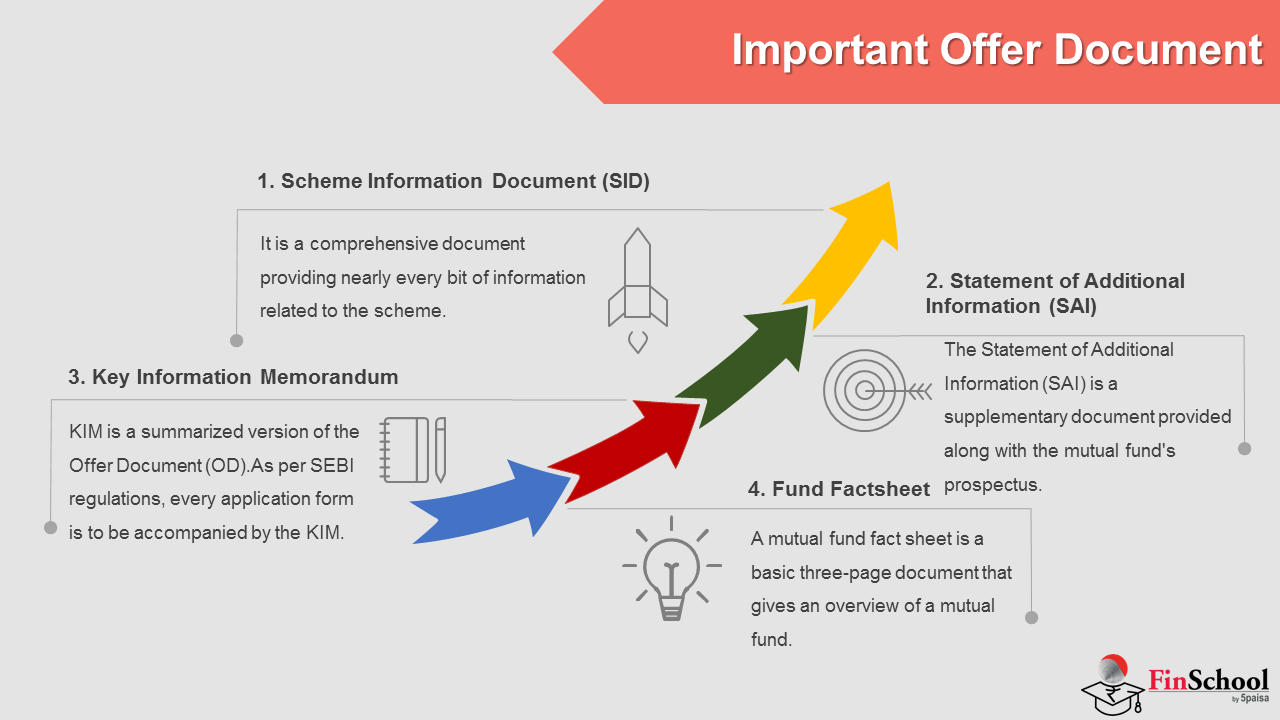
1. स्कीम इन्फॉर्मेशन डॉक्यूमेंट (SID): यह उन सभी का सबसे बड़ा दस्तावेज़ है और मूल रूप से स्कीम के संविधान के रूप में कार्य करता है. इसमें स्कीम का इन्वेस्टमेंट उद्देश्य, एलोकेशन पैटर्न (उदाहरण के लिए 65-100% इक्विटी या 0-35% डेट), स्कीम के भीतर इस्तेमाल की जाने वाली थीम और स्ट्रेटेजी, जिस index पर इसे बेंचमार्क किया जाएगा, फंड मैनेजर, स्कीम के लिए विशिष्ट रिस्क कारक, लोड स्ट्रक्चर (फंड दर्ज करने और बाहर निकलने के लिए शुल्क), फोलियो खोलने के लिए न्यूनतम इन्वेस्टमेंट आदि जैसे विवरण शामिल हैं. यह वह डॉक्यूमेंट है जिसे आपको पढ़ना होगा अगर आप जानना चाहते हैं कि स्कीम आपके पैसे (उद्देश्य) के साथ क्या करेगी और यह कैसे करेगा (रणनीति).
2. अतिरिक्त जानकारी का विवरण (SAI) : यह एक बहुत विस्तृत डॉक्यूमेंट है (लेकिन औसत इन्वेस्टर के लिए कम दिलचस्प) जो AMC की सभी स्कीम से संबंधित है (और कोई विशिष्ट स्कीम नहीं). इसमें टैक्सेशन के प्रभाव, NAV की गणना, शेयरधारकों के अधिकार, AMC का गठन, ट्रस्टी, प्रायोजक आदि जैसी जानकारी शामिल होती है. अधिकांश खुदरा निवेशक इस दस्तावेज़ को अंत से अंत तक नहीं पढ़ेंगे, हालांकि यह एक उपयोगी संसाधन साबित कर सकता है यदि आप निधि पर टैक्स लगाने या इसकी एनएवी की गणना करने की नीति में रुचि रखते हैं.
3. प्रमुख सूचना ज्ञापन (केआईएम)
यह एसआईडी का एक सारांश है जो अधिक आसानी से पाचन योग्य प्रारूप (और इसलिए नाम) में है और इसका उद्देश्य निवेश के समय निवेशकों को दिया जाना/उपलब्ध कराना है (अन्य शब्दों में, आप डॉटेड लाइन पर हस्ताक्षर करेंगे). इसमें फंड का उद्देश्य, एलोकेशन पैटर्न, रिस्क फैक्टर, फंड मैनेजर, न्यूनतम इन्वेस्टमेंट, लोड स्ट्रक्चर और अप्लाई करने की प्रक्रिया जैसे प्रमुख तथ्य शामिल हैं.
4. फंड फैक्टशीट
यह फैक्टशीट हर महीने प्रकाशित होती है (और NFO लॉन्च करते समय नहीं) और इसमें NAV, AUM, एक्सपेंस रेशियो, पोर्टफोलियो (फंड द्वारा होल्ड किए गए टॉप स्टॉक और सेक्टर), एलोकेशन पैटर्न, रिस्क उपाय (स्टैंडर्ड डेविएशन, बीटा, शार्प रेशियो) और बेंचमार्क की तुलना में रिटर्न जैसी जानकारी होती है. NFO अवधि समाप्त होने के बाद, यह फैक्टशीट न केवल उस रिटर्न को ट्रैक करने के लिए आपका कम्पैनियन डॉक्यूमेंट बन जाता है, जो फंड पोस्ट कर रहा है, बल्कि आपके पैसे को कहां इन्वेस्ट किया गया है.