

लार्ज कॅप, मिड कॅप किंवा स्मॉल कॅप: तुमच्या लक्ष्यांसाठी कोणता फंड योग्य आहे?
 5paisa कॅपिटल लि
- 0 मिनिटांचे वाचन
5paisa कॅपिटल लि
- 0 मिनिटांचे वाचन
अंतिम अपडेट: 21 जुलै 2026 - 05:44 pm

म्युच्युअल फंडविषयी कोणत्याही संभाषणात जा आणि तुम्हाला तीन शब्द सुटले जातील जसे की ते स्पष्ट आहे. लार्ज कॅप, मिड कॅप, स्मॉल कॅप. बहुतांश इन्व्हेस्टरना मंजुरी मिळाली आहे, त्या तिमाहीत जे टॉपवर आहे ते निवडा आणि सर्वोत्तम गोष्टींची आशा करा.
परंतु ही तीन कॅटेगरी केवळ लेबल नाहीत. ते तीन भिन्न प्रकारचे व्यवसाय आहेत, तीन भिन्न रिस्क प्रोफाईल्स आणि तुमच्या पोर्टफोलिओमध्ये तीन खूप भिन्न भूमिका आहेत. त्यांना गोंधळात टाकणे ही भारतातील रिटेल इन्व्हेस्टरची सर्वात महागडी चूक आहे. सामान्यपणे बुल रन दरम्यान स्मॉल-कॅप रिटर्नचा पाठपुरावा करून आणि त्यानंतर त्याच फंड दुरुस्तीमध्ये 40% पडल्यास घाबरून घाबरून.
हा ब्लॉग प्रत्येक कॅटेगरी प्रत्यक्षात काय आहे, ते काय चांगले आहे, ते काय वाईट आहे आणि कोणते तुमच्या लक्ष्यासाठी योग्य आहे हे कसे शोधावे हे स्पष्ट करतो.
 पुढील मोठा IPO चुकवू नका - केवळ काही क्लिकसह इन्व्हेस्ट करा!
सेबी खरोखरच काय म्हणतात
आपण चांगला भाग घेण्यापूर्वी, व्याख्या महत्त्वाची आहेत. कारण सेबीने त्यांना निश्चित केले आहे आणि ते चर्चेसाठी तयार नाहीत.
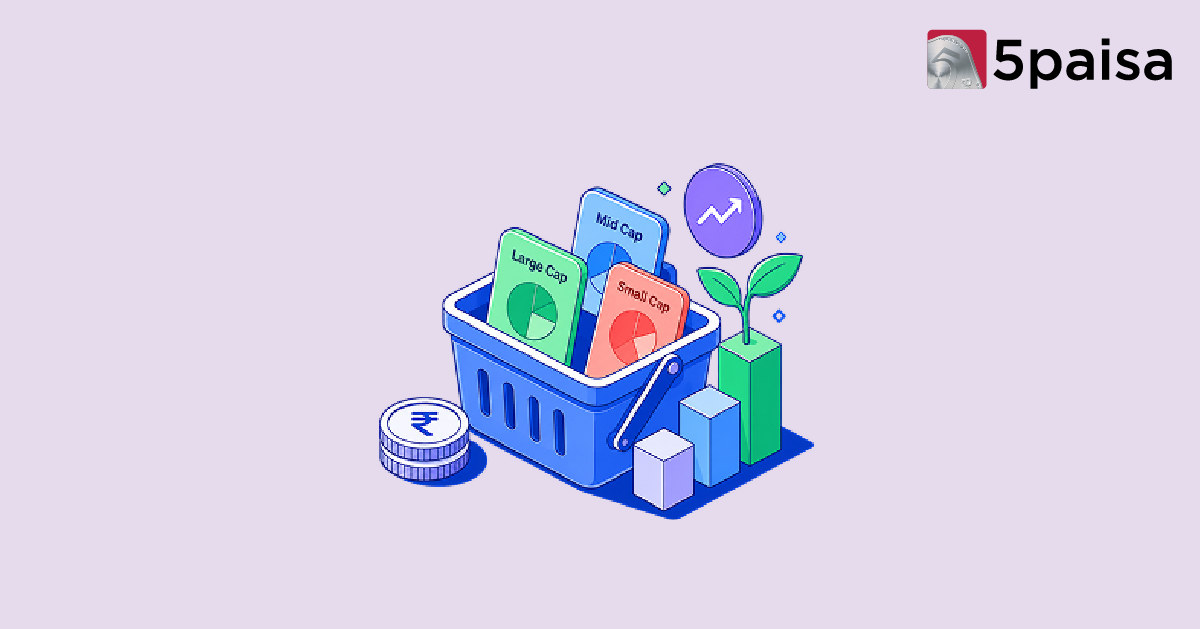
भारतीय एक्सचेंजवर मार्केट कॅपिटलायझेशन नुसार टॉप 100 कंपन्या लार्ज कॅप आहेत. 101 ते 250 रँक असलेल्या कंपन्या मिड कॅप्स आहेत. 251 पासून पुढे सर्वकाही (आणि हजारो आहेत) स्मॉल कॅप्स आहेत. लार्ज कॅप फंडमध्ये त्याच्या पोर्टफोलिओपैकी किमान 80% लार्ज कॅप स्टॉकमध्ये ठेवणे आवश्यक आहे. मिड-कॅप फंडमध्ये किमान 65 % मिड-कॅप असणे आवश्यक आहे. आणि स्मॉल-कॅप फंडमध्ये किमान 65 % स्मॉल-कॅप असणे आवश्यक आहे. सोपे, स्वच्छ आणि लागू.
त्यामुळे जेव्हा कोणीतरी "लार्ज कॅप" म्हणतात तेव्हा त्यांचा अर्थ Reliance, HDFC बँक, TCS आणि Infosys असा होतो. हे मोठे आहेत जे सर्वांना माहित आहेत.
मिड कॅप्स हे भारतीय बिझनेसचे आत्मविश्वास असलेले मध्यमवर्ग आहेत. ते मजबूत आणि वाढत आहेत, परंतु अद्याप घरगुती नाव नाहीत.
स्मॉल कॅप्स हे महत्त्वाकांक्षी, अप्रत्याशित तरुण आहेत. त्यापैकी काही उद्याचे मोठे होतील, तर इतर शांतपणे गायब होतील.
प्रत्येक कॅटेगरी खरोखरच तुम्हाला काय विकत आहे
लार्ज-कॅप फंड तुम्हाला स्थिरता विकत आहेत. हे तपासलेले बिझनेस मॉडेल, डीप बॅलन्स शीट, व्यावसायिक व्यवस्थापन आणि आर्थिक धक्क्यांना टिकून राहण्यासाठी पुरेसे स्केल असलेल्या कंपन्या आहेत. ते एका वर्षात 30% वाढत नाहीत, परंतु एका खराब वर्षात ते 60% कमी होत नाहीत. दीर्घकाळात, लार्ज-कॅप फंड भारतीय अर्थव्यवस्थेची कथा ट्रॅक करते.
मिड-कॅप फंड तुम्हाला वाढ विकत आहेत. या कंपन्या टिकून राहण्याचा टप्पा पार करत आहेत परंतु भारत जसजसा वाढतो तसतसे दुप्पट किंवा तिप्पट करण्यासाठी तितके लहान आहेत. ऐतिहासिकदृष्ट्या, मिड-कॅप्सने दीर्घ कालावधीत मोठ्या कॅप्सपेक्षा जास्त रिटर्न दिले आहेत. परंतु त्यांनी वाईट वर्षांमध्येही मोठ्या प्रमाणात घट अनुभवली आहे. ही अशी कॅटेगरी आहे जिथे चांगला फंड मॅनेजर खरोखरच मूल्य जोडू शकतो, कारण मिड-कॅप युनिव्हर्सचे कमी विश्लेषण केले जाते आणि अधिक अकार्यक्षम असते.
स्मॉल-कॅप फंड तुमची असमानता विकत आहेत. स्मॉल-कॅप पोर्टफोलिओमध्ये अनेक स्टॉक आहेत जे एका दशकात 5x किंवा 10x पर्यंत जाऊ शकतात. आणि एक मुलभूत जे 80 % खाली येईल आणि कधीही रिकव्हर होणार नाही. खूपच दीर्घ कालावधीत, स्मॉल-कॅप्सने तीन सर्वाधिक रिटर्न दिले आहेत. परंतु राईड क्रूर आहे. दुरुस्ती दरम्यान 40-50% चे पडणे दुर्मिळ नाही. ते बेस केस आहेत.
| फीचर | लार्ज कॅप | मिड कॅप | स्मॉल कॅप |
|---|---|---|---|
| तुम्ही काय खरेदी करीत आहात | भारतातील टॉप 100 कंपन्या | कंपन्यांचे रँक 101-250 आहे | कंपन्यांचे रँक 251+ |
| सामान्य दीर्घकालीन सीएजीआर | 11–13% | 13–16% | 14–18% |
| खराब वर्षात सामान्य घसरण | 25–35% | 35–45% | 45–55% |
| क्रॅश झाल्यानंतर रिकव्हरी वेळ | 1-2 वर्षे | 2-3 वर्षे | 3-5 वर्षे |
| अस्थिरता | कमी (संबंधित) | उच्च | खूपच जास्त |
| पोर्टफोलिओमध्ये भूमिका | कोअर, स्थिरता | ग्रोथ इंजिन | रिटर्न बूस्टर |
त्यामुळे, प्रश्न असा नाही की कोणती कॅटेगरी सर्वोत्तम आहे. तुम्ही खरोखरच इन्व्हेस्ट करत असलेल्या लक्ष्याशी कोणती कॅटेगरी जुळते.
शॉर्ट-टू-मीडियम टर्म गोल्स (3-5 वर्षे): कार खरेदी करणे, विवाहासाठी फंडिंग करणे, तुमच्या एफडीच्या वर आपत्कालीन कॉर्पस तयार करणे. स्मॉल-कॅप्स आणि मिड-कॅप्सचा येथे कोणताही बिझनेस नाही. पाच वर्षाच्या प्लॅनपैकी चार वर्षात 40% घट झाल्याने ध्येय पूर्णपणे नष्ट होईल. लार्ज-कॅप फंड (किंवा लार्ज-कॅप इंडेक्स फंड आणि हायब्रिड फंड) ही योग्य निवड आहे. तुम्ही काही रिटर्न सोडता, परंतु तुम्ही टाइमलाईन संरक्षित करता.
मीडियम-टू-लाँग टर्म गोल्स (7-10 वर्षे): होम डाउन पेमेंट, मुलांचे स्कूल एज्युकेशन फंड, एक दशकापूर्वीचे कार अपग्रेड करा. येथेच मिड-कॅप्स तुमच्या पोर्टफोलिओचा भाग म्हणून अर्थपूर्ण होण्यास सुरुवात करतात, संपूर्ण. 25-35% च्या मिड-कॅप वाटपासह लार्ज-कॅपवर झुकणारे मिश्रण तुम्हाला वाढ आणि झोपचा चांगला बॅलन्स देते.
दीर्घकालीन ध्येय (10+ वर्षे): निवृत्ती, मुलाचे उच्च शिक्षण, पिढीची संपत्ती. हे हॉरिझॉन स्मॉल-कॅप्ससाठी तयार केले गेले होते. दोन पूर्ण मार्केट सायकलमध्ये बसण्यासाठी दहा ते 15 वर्षे पुरेशी वेळ आहे, जी लहान कॅप्सना त्यांच्या वचनावर प्रत्यक्षात वितरीत करणे आवश्यक आहे. येथेही, स्मॉल-कॅप्स एक स्लाइस असावे (सामान्यपणे तुमच्या इक्विटी पोर्टफोलिओचा 15-25%), मुख्य डिश नाही.
त्याविषयी विचार करण्याचा मुख्य आणि सॅटेलाईट मार्ग
सर्वात संवेदनशील पोर्टफोलिओ एक कॅटेगरी निवडत नाहीत. ते एकत्रित करतात.
तुमच्या इक्विटी पोर्टफोलिओला कोर आणि सॅटेलाईट असण्याचा विचार करा. लार्ज-कॅप फंड किंवा ब्रॉड index फंड यांच्या आसपास कोअर तयार केले गेले आहे. हे तुम्हाला स्नायूंच्या जाळ्यात न आणता क्रॅशमधून घेऊन जाते. सॅटेलाईट म्हणजे जिथे मिड-कॅप आणि स्मॉल-कॅप फंड लाईव्ह असतात. याठिकाणी तुम्ही अतिरिक्त रिटर्नसाठी पोहोचत आहात आणि ज्याठिकाणी तुम्ही अतिरिक्त अस्थिरता स्वीकारता ती किंमत पोहोचली आहे.
बहुतांश कार्यरत व्यावसायिकांसाठी थंब रूलचा उपयुक्त नियम: 50-60% लार्ज-कॅप किंवा index, 25-30% मिड-कॅप आणि 15-20% स्मॉल-कॅप. तुमचे वय, इन्कम स्थिरता आणि 30% ड्रॉडाउन दरम्यान तुम्ही किती आरामदायीपणे झोपेत आहात यावर आधारित ॲडजस्ट करा.
टाळावयाच्या सामान्य चुका
सर्वात सामान्य चूक म्हणजे मागील वर्षी चांगली कामगिरी केलेल्या कॅटेगरीचा पाठपुरावा करणे. लहान कॅप्समध्ये अलीकडेच एक शानदार रन होते. शीर्षस्थानी गुंतवणूकदार. जेव्हा अपरिहार्य दुरुस्ती हिट झाली, तेव्हा ते खाली विकले. ही सायकल प्रत्येक काही वर्षाला भिन्न कॅटेगरीसह पुनरावृत्ती होते आणि परिणाम नेहमीच सारखाच असतो. रिटेल इन्व्हेस्टर उच्च खरेदी करतात, कमी विक्री करतात आणि फंडला दोषी ठरवतात.
दुसरी चूक म्हणजे एकाच कॅटेगरीमध्ये पाच फंड असण्यासह "विविध" करणे. तीन लार्ज-कॅप फंड तुम्हाला विविधता देत नाहीत. वास्तविक विविधता म्हणजे विविध मार्केट कॅप कॅटेगरी धारण करणे, एकाचमध्ये भिन्न फंड नाही.
तिसरी चूक म्हणजे यापैकी कोणत्याही फंडचा एका वर्षाच्या रिटर्नवर निर्णय घेणे. बुल मार्केटमध्ये लार्ज-कॅप्स लुक बोरिंग. छोट्या कॅप्स धडकेदार दिसतात. संपूर्ण चक्रांवर विचार केल्यास, प्रत्येक श्रेणीची कथा अधिक प्रामाणिक बनते.
- 0 ट्रान्झॅक्शन खर्च
- क्युरेटेड फंड लिस्ट
- 4000+ MF स्कीम
- सहजपणे SIP सुरू करा
5paisa वर ट्रेंडिंग
 इंद्रशिष मित्र
अस्वीकृती: सिक्युरिटीज मार्केटमधील इन्व्हेस्टमेंट मार्केट रिस्कच्या अधीन आहेत, इन्व्हेस्टमेंट करण्यापूर्वी सर्व संबंधित डॉक्युमेंट्स काळजीपूर्वक वाचा. तपशीलवार अस्वीकृतीसाठी कृपया येथे क्लिक करा.