How to Increase Chances of IPO Allotment?

5paisa Capital Ltd

How to Improve Your Chances of IPO Allotment?

IPO Investing made simple!

+91
By proceeding, you agree to all T&C*
hero_form

Content

Introduction

Over the past few years, IPOs have captured the imagination of retail investors in India. With several new listings offering impressive listing gains, enthusiasm has grown—but so has competition. It's not uncommon for promising IPOs to be fully subscribed within hours of opening. For many investors, the challenge isn’t applying—it’s actually getting allotted shares. So, how can you realistically boost your chances of getting an IPO allotment?

Let’s take a closer look at a few smart strategies that could help tip the scales in your favor.

 

What Is IPO Allotment

When you apply for an IPO (Initial Public Offering), you’re essentially expressing your interest in buying a share of a company going public. But submitting your application is just one part of the process — the next key step is allotment. IPO allotment refers to the method by which shares are distributed among applicants once the IPO closes.

Here’s a closer view: after the subscription period ends, the company and its lead managers compile all valid applications and determine how many shares are being offered to each category (retail investors, high-net-worth individuals, institutions, etc.). If the number of applicants is greater than the available shares (which happens often), the allotment is done through a lottery system or proportionate allocation depending on demand and category.

For you as an investor, allotment is the moment of truth: it determines whether you’ll own part of that company from day one of its listing or whether you’ll have to wait for secondary market action. So yes, applying is important — but understanding how allotment works helps you manage expectations, strategise your approach, and avoid frustration when you don’t receive the shares you hoped for.

How IPO Allotment Works?

In India, IPO allotments in the retail segment follow rules laid down by SEBI. If the retail portion is oversubscribed, all eligible applications are treated equally—regardless of how much money was applied for. As long as you apply within the retail limit, the number of lots doesn’t influence your odds.

So, someone applying for ₹15,000 worth of shares stands the same chance as someone applying for ₹1.95 lakh—assuming both are retail investors. The allotment ends up being a lucky draw, and each valid entry gets a fair shot.
 

Why IPOs Get Oversubscribed?

Before jumping into tactics, it’s worth understanding what you’re up against. IPOs that come with strong fundamentals or attractive pricing often see frenzied demand. The retail segment alone can be oversubscribed 20–30 times. In such cases, for every share available to the public, there are dozens of applicants vying for it.

Retail investors can apply for shares worth up to ₹2 lakh. But when the issue is oversubscribed, allotment is done via a lottery. That means even if you apply correctly, you may still walk away with nothing. The process isn’t flawed—it’s simply the fairest way to deal with overwhelming demand.
 

Key Strategies to Maximise Your IPO Allotment Chances

While there’s no surefire formula, a few smart moves can help improve your chances in a crowded field:
 

Apply Using Multiple Demat Accounts

A widely used strategy is submitting applications through different demat accounts that belong to family members—such as your spouse, siblings, or parents. Since SEBI allows just one application per PAN, each account must be linked to a separate PAN number. Done properly, each one counts as a unique application in the allotment process.

Be careful, though—filing more than one application under the same PAN will lead to automatic rejection of all the applications.

Stick to One-Lot Applications

When IPOs are oversubscribed in the retail category, each valid application is treated equally. So whether you apply for a single lot or for ₹2 lakh worth of shares, your chances are the same. Instead of putting all your funds in one large application, it makes more sense to submit single-lot bids through multiple eligible PANs. It’s about increasing entries, not the amount.

Approve UPI Mandates Promptly

If you're applying via the UPI route, don’t delay in authorising the payment mandate. These mandates are time-sensitive and must be approved by 5 PM on the final day of the offer. Missing the deadline—even by minutes—means your application won’t be processed. Set reminders and double-check that your bank supports IPO payments through UPI.

Don’t Wait Until the Final Day

A common mistake is holding off until the last day to submit your application. While it might seem logical to wait and assess demand, this strategy can backfire. High traffic on the final day often leads to site slowdowns or failed transactions.

To avoid these issues, apply early—ideally on the first or second day. It won’t boost your allotment odds, but it ensures your application goes through without technical hiccups.

Double-Check Your Application

It might sound basic, but even a small mistake like an incorrect PAN, DP ID, or mismatched name can invalidate your application. If you're applying through UPI, make sure the bank account and UPI ID are tied to the same PAN used in your demat account. And if you're using the ASBA route, confirm that your bank account has enough funds and is correctly mapped.

Use ASBA for Added Reliability

ASBA (Application Supported by Blocked Amount) is one of the most secure ways to apply for IPOs. Your funds stay in your bank account and are only debited if shares are allotted to you. Most major banks offer ASBA through net banking, and this method reduces the risk of payment-related issues that sometimes crop up with UPI.
 

Common Mistakes That Could Hurt Your Chances

While following the right approach matters, avoiding the wrong one is just as critical. Here are some missteps that can cost you:

  • Multiple Applications with One PAN: SEBI strictly allows only one application per PAN. Violating this will get all related bids rejected.
  • Missing UPI Mandate Approval: Approving the payment is as important as applying. Delay it, and your bid becomes invalid.
  • Incorrect Details: Even a minor typo can disqualify your entry.
  • Wrong Category Selection: Ensure you’re applying under the ‘Retail Individual Investor’ category if your application is within the ₹2 lakh limit.
     

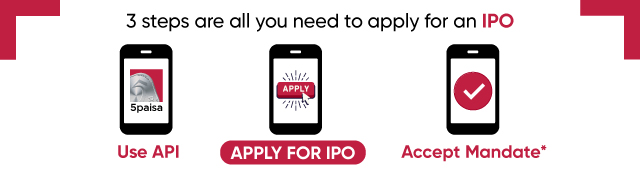
ipo-steps

Can You Really Improve Your Allotment Odds?

Let’s be clear—no strategy offers a guaranteed outcome. Applying through multiple accounts might not always work, especially during highly sought-after IPOs. But these methods do improve your probability. Think of it like increasing the number of lottery tickets you hold—you're not assured of a win, but your chances go up.

Over time, consistent participation and attention to detail often lead to better results.
 

In Closing

Landing an IPO allotment isn’t just about luck—it’s also about doing things right. From applying through multiple PAN-linked accounts to submitting early and double-checking your information, every step counts. Keep track of upcoming IPO, review offer documents carefully, and take timely action. While the final outcome is out of your hands, how you prepare for it is entirely within your control.

Disclaimer: Investment in securities market are subject to market risks, read all the related documents carefully before investing. For detailed disclaimer please Click here.

Verify Your Details

Apply IPO “Hassle Free” even without opening a Demat Account with 5Paisa.

Verify Your Details

Please enter valid email
Please enter valid PAN

We have sent an OTP on your mobile number .

Resend otp
Please enter valid otp

Krishca Strapping Solutions Limited

sme
  • Date Range 23 Oct- 27 Oct’23
  • Price 23
  • IPO Size 200
Open Free Demat Account

Be a part of 5paisa community - The first listed discount broker of India.

+91

By proceeding, you agree to all T&C*

footer_form