कंटेंट
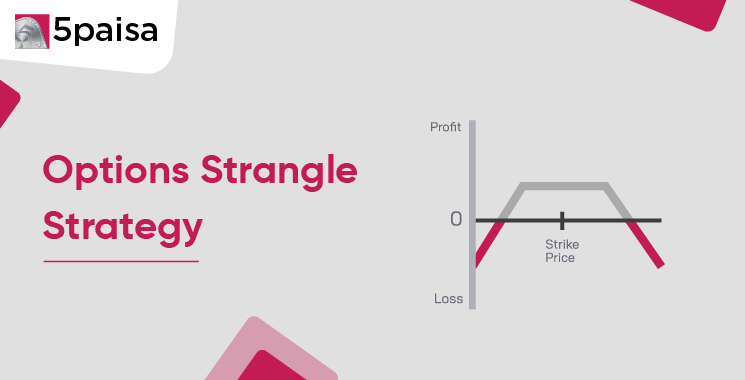
ऑप्शन्स ट्रेडिंग विविध स्ट्रॅटेजी ऑफर करते जे ट्रेडर्सना विविध मार्केट स्थितींमधून नफा मिळविण्याची परवानगी देतात. अशी एक स्ट्रॅटेजी, स्ट्रँगल स्ट्रॅटेजी, सामान्यपणे वापरली जाते जेव्हा ट्रेडर्स महत्त्वाच्या किंमतीच्या हालचालीची अपेक्षा करतात परंतु दिशेची खात्री नसतात.
स्ट्रँगल स्ट्रॅटेजीमध्ये कॉल पर्याय आणि एकाच कालबाह्य तारखेसह पुट पर्याय दोन्ही खरेदी किंवा विक्री करणे समाविष्ट आहे परंतु वेगवेगळ्या स्ट्राइक प्राईसचा समावेश होतो. ही स्ट्रॅटेजी अनेकदा उच्च अस्थिरतेच्या कालावधीदरम्यान वापरली जाते, जसे की कमाईची घोषणा, प्रमुख आर्थिक घटना किंवा स्टॉकच्या किंमतीवर परिणाम करू शकणाऱ्या अनपेक्षित बातम्या.
हा लेख स्ट्रँगल स्ट्रॅटेजीचे सखोल स्पष्टीकरण प्रदान करेल, ज्यामध्ये ते कसे काम करते, प्रमुख संकल्पना, विविध प्रकार इ. समाविष्ट आहे. या गाईडच्या शेवटी, तुम्हाला स्ट्रँगल स्ट्रॅटेजीची स्पष्ट समज असेल.
संपूर्ण आर्टिकल अनलॉक करा - Gmail सह साईन-इन करा!
5paisa आर्टिकल्ससह तुमचे मार्केट नॉलेज वाढवा
स्ट्रँगल स्ट्रॅटेजी म्हणजे काय?
स्ट्रँगल स्ट्रॅटेजी ही एक ऑप्शन्स ट्रेडिंग टेक्निक आहे ज्यामध्ये एकाच वेळी दोन ऑप्शन पोझिशन्स उघडणे समाविष्ट आहे:
- उच्च स्ट्राइक प्राईससह कॉल पर्याय (आऊट-ऑफ-मनी कॉल)
- कमी स्ट्राईक किंमतीसह एक पुट पर्याय (पैशाच्या बाहेर)
दोन्ही पर्यायांची कालबाह्यता तारीख सारखीच आहे परंतु वेगवेगळ्या स्ट्राइक प्राईस आहेत.
जेव्हा त्यांना प्रमुख किंमतीतील हालचालीची अपेक्षा असते परंतु दिशेची खात्री नसते तेव्हा ट्रेडर्स हे धोरण वापरतात. जर किंमत एखाद्या दिशेने लक्षणीयरित्या वाढली तर एक पर्याय अत्यंत फायदेशीर ठरू शकतो तर इतर मूल्य गमावते.
धोरण दोन प्रकारे अंमलात आणले जाऊ शकते:
- लाँग स्ट्रँगल: कॉल आणि पुट दोन्ही पर्याय खरेदी करणे.
- शॉर्ट स्ट्रँगल: कॉल आणि पुट दोन्ही पर्याय विकणे.
दीर्घकालीन स्ट्रॅंगल स्ट्रॅटेजी समजून घेणे
दीर्घ गोंधळामध्ये आऊट-ऑफ-मनी कॉल पर्याय आणि आऊट-ऑफ-मनी पुट पर्याय दोन्ही खरेदी करणे समाविष्ट आहे. जेव्हा त्यांना मोठ्या किंमतीच्या हालचालीची अपेक्षा असते तेव्हा ट्रेडर्स हे धोरण वापरतात परंतु दिशेविषयी अनिश्चित असतात.
ते कसे काम करते
- जर किंमत लक्षणीयरित्या वाढली तर पुट ऑप्शन मूल्य गमावताना कॉल ऑप्शनचे मूल्य वाढते.
- जर किंमत लक्षणीयरित्या कमी झाली तर कॉल ऑप्शनचे मूल्य गमावताना ऑप्शन लाभ मिळवा.
- जर किंमत तुलनेने स्थिर असेल तर दोन्ही पर्याय वेळेनुसार मूल्य कमी करतात, ज्यामुळे नुकसान होते.
- दोन्ही पर्यायांसाठी भरलेला एकूण प्रीमियम कमाल रिस्क आहे.
- जर किंमत दोन्ही दिशेने तीव्रपणे वाढत असेल तर संभाव्य नफा अमर्यादित आहे.
चला हे उदाहरणासह समजून घेऊया. समजा, स्टॉक XYZ सध्या ₹1,000 मध्ये ट्रेडिंग करीत आहे आणि ट्रेडर द्वारे दीर्घ स्ट्रँगल लागू केली जाते:
| स्टॉक XYZ प्राईस मूव्हमेंट |
कॉल पर्याय (स्ट्राइक किंमत : ₹1,050, प्रीमियम : ₹20) |
पुट ऑप्शन (स्ट्राइक प्राईस : ₹950, प्रीमियम : ₹15) |
ट्रेडरचे परिणाम |
| स्टॉक ₹1,100 पर्यंत जातो (बुलिश मूव्ह) |
स्टॉकची किंमत ₹1,050 पेक्षा जास्त असल्याने लक्षणीय मूल्य प्राप्त होते. |
निरर्थक कालबाह्य. |
नफा = कॉल ऑप्शन लाभ - प्रारंभिक प्रीमियम भरला. |
| स्टॉक ₹900 वर जातो (मूव्ह मागे घ्या) |
निरर्थक कालबाह्य. |
स्टॉकची किंमत ₹950 पेक्षा कमी असल्याने लक्षणीय मूल्य प्राप्त करा. |
नफा = पुट ऑप्शन लाभ - प्रारंभिक प्रीमियम भरला. |
| स्टॉक जवळपास ₹1,000 राहते (साईडवेज मार्केट) |
वेळेच्या क्षीतीमुळे कालांतराने मूल्य गमावते. |
वेळेच्या क्षीतीमुळे कालांतराने मूल्य गमावते. |
ट्रेडर दोन्ही पर्यायांचे एकत्रित प्रीमियम गमावतो. |
ही स्ट्रॅटेजी अस्थिर मार्केटमध्ये सर्वोत्तम काम करते जिथे मोठ्या किंमतीच्या बदल अपेक्षित आहेत.
शॉर्ट स्ट्रँगल स्ट्रॅटेजी समजून घेणे
शॉर्ट स्ट्रँगलमध्ये out-of-the-money कॉल पर्याय आणि out-of-the-money पुट पर्याय दोन्ही विकण्याचा समावेश होतो. जेव्हा ट्रेडर्स कमी अस्थिरतेची अपेक्षा करतात आणि वेळेच्या क्षणी नफा मिळविण्याचे ध्येय ठेवतात तेव्हा या धोरणाचा वापर करतात.
ते कसे काम करते
- जर स्टॉकची किंमत दोन स्ट्राईक किंमतींदरम्यान असेल तर दोन्ही ऑप्शन्स निरर्थक कालबाह्य होतात आणि ट्रेडर त्यांना विकून कलेक्ट केलेला प्रीमियम ठेवतो.
- जर स्टॉक लक्षणीयरित्या वाढला तर शॉर्ट कॉल ऑप्शनमुळे नुकसान होते.
- जर स्टॉक लक्षणीयरित्या कमी झाला तर शॉर्ट पुट ऑप्शनमुळे नुकसान होते.
- ऑप्शन्स विक्री करताना कमाल नफा संकलित केलेला प्रीमियम असतो.
- जर किंमती कोणत्याही दिशेने वेगाने बदलत असेल तर संभाव्य नुकसान अमर्यादित असते.
चला शॉर्ट स्ट्रँगल स्ट्रॅटेजीचे उदाहरण घेऊया. समजा, स्टॉक ABC ₹500 वर ट्रेडिंग करीत आहे आणि ट्रेडर विकतो:
| स्टॉक ABC प्राईस मूव्हमेंट |
कॉल पर्याय (स्ट्राइक किंमत: ₹550, प्रीमियम: ₹10) |
पुट ऑप्शन (स्ट्राइक प्राईस : ₹450, प्रीमियम : ₹12) |
ट्रेडरचे परिणाम |
| स्टॉक ₹450 आणि ₹550 (स्टेबल मार्केट) दरम्यान राहतो |
निरर्थक कालबाह्य. |
निरर्थक कालबाह्य. |
ट्रेडरकडे नफा म्हणून प्रति शेअर ₹22 चा पूर्ण प्रीमियम असतो. |
| स्टॉक ₹600 पर्यंत वाढला (बुलिश मूव्ह) |
स्टॉकची किंमत ₹550 पेक्षा जास्त असल्याने नुकसान होते. |
निरर्थक कालबाह्य. |
नुकसान = (₹600 - ₹550) - ₹22 = ₹28 प्रति शेअर. |
| स्टॉक ₹400 पर्यंत घसरला (बरिश मूव्ह) |
निरर्थक कालबाह्य. |
स्टॉकची किंमत ₹450 पेक्षा कमी असल्याने नुकसान होते. |
नुकसान = (₹450 - ₹400) - ₹22 = ₹28 प्रति शेअर. |
कमी अस्थिरतेची अपेक्षा करणाऱ्या आणि ऑप्शन प्रीमियम संकलित करून वेळेच्या क्षणी नफा शोधणाऱ्या ट्रेडर्ससाठी हे धोरण आदर्श आहे.
ट्रेडर्स स्ट्रँगल स्ट्रॅटेजी कधी वापरतात?
ट्रेडर्स दीर्घ स्ट्रँगल वापरू शकतात:
- कमाईची घोषणा किंवा प्रमुख बातम्या इव्हेंटपूर्वी.
- अपेक्षित उच्च अस्थिरतेच्या कालावधीदरम्यान.
ट्रेडर्स शॉर्ट स्ट्रँगल वापरू शकतात:
- जेव्हा मार्केट स्थिर राहण्याची अपेक्षा असते.
- कमी अस्थिरतेच्या कालावधीदरम्यान.
स्ट्रँगल स्ट्रॅटेजीचे लाभ
ऑप्शन्स स्ट्रँगल स्ट्रॅटेजी अनेक फायदे देते, ज्यामुळे मार्केट हालचालींवर कॅपिटलाईज करू इच्छिणाऱ्या ट्रेडर्ससाठी हे एक उपयुक्त साधन बनते. खाली काही प्रमुख लाभ दिले आहेत:
लांब स्ट्रँगल:
- अस्थिरता चा नफा: दीर्घ अनोळखी व्यापाऱ्यांना कोणत्याही दिशेने तीक्ष्ण किंमतीच्या हालचालीचा लाभ घेण्याची परवानगी देते, ज्यामुळे अस्थिर मार्केटसाठी ते आदर्श बनते.
- दीर्घ स्ट्रँगलमध्ये मर्यादित रिस्क: दीर्घ स्ट्रँगलमधील कमाल रिस्क पर्यायांसाठी भरलेल्या प्रीमियमपर्यंत मर्यादित आहे, ज्यामुळे ते नियंत्रित-जोखीम धोरण बनते.
- अमर्यादित नफा क्षमता: जर स्टॉक लक्षणीयरित्या बदलत असेल तर एक दीर्घ स्ट्रँगल जास्त रिटर्न देऊ शकते कारण त्यापैकी एक पर्याय मोठ्या मूल्याचा लाभ घेते.
शॉर्ट स्ट्रँगल
- शॉर्ट स्ट्रँगलमध्ये उत्पन्न निर्मिती: शॉर्ट स्ट्रँगल ट्रेडर्सला प्रीमियम अपफ्रंट कलेक्ट करण्यास सक्षम करते, कमी अस्थिरतेसह स्थिर मार्केटमध्ये उत्पन्न निर्माण करते.
- मार्केट स्थितींमध्ये लवचिकता: उच्च अस्थिरतेचा अंदाज घेणे किंवा किंमतीच्या स्थिरतेची अपेक्षा करणे असो, विविध मार्केट अपेक्षांनुसार स्ट्रॅटेजी तयार केली जाऊ शकते.
स्ट्रँगल स्ट्रॅटेजीचे धोके
त्याचे लाभ असूनही, स्ट्रँगल स्ट्रॅटेजी देखील संभाव्य जोखीमांसह येते जे ट्रेडर्सने काळजीपूर्वक विचारात घेणे आवश्यक आहे. येथे काही प्रमुख जोखीम आहेत:
लांब स्ट्रँगल:
- वेळेचे क्षय आणि प्रीमियम नुकसान: मोठ्या प्रमाणात, जर स्टॉकची किंमत स्थिर असेल तर दोन्ही पर्याय बेकार असू शकतात, ज्यामुळे भरलेल्या प्रीमियमचे एकूण नुकसान होऊ शकते. याव्यतिरिक्त, टाइम डेके ऑप्शन वॅल्यू कमी करते, ज्यामुळे नफा मिळविण्यासाठी जलद किंमतीच्या हालचालीची आवश्यकता असते.
शॉर्ट स्ट्रँगल:
- शॉर्ट स्ट्रँगलसाठी मार्जिन आवश्यकता: स्ट्रँगल विक्रीसाठी लक्षणीय मार्जिन आवश्यक आहे, कारण ब्रोकर्स उच्च-जोखीम एक्सपोजरमुळे तारणाची मागणी करतात.
- मार्केट मॉनिटरिंग आणि ॲडजस्टमेंट: अनपेक्षित मार्केट मधील बदलापासून अतिरिक्त नुकसान टाळण्यासाठी धोरणाला ॲक्टिव्ह देखरेख आवश्यक आहे, विशेषत: लहान अनोळखी व्यक्तींसाठी.
- शॉर्ट स्ट्रँगलमध्ये अमर्यादित रिस्क: जर स्टॉकने कोणत्याही दिशेने अनपेक्षित मोठे पाऊल उचलले तर विक्री ऑप्शन्समुळे ट्रेडर्सला संभाव्यपणे अमर्यादित नुकसान होण्याची शक्यता असते.
ही जोखीम समजून घेऊन, व्यापारी अधिक माहितीपूर्ण निर्णय घेऊ शकतात आणि त्यांच्या यशाची शक्यता सुधारण्यासाठी जोखीम व्यवस्थापन तंत्रांची अंमलबजावणी करू शकतात.
निष्कर्ष
ऑप्शन्स स्ट्रँगल स्ट्रॅटेजी हे अस्थिरतेची अपेक्षा करणाऱ्या ट्रेडर्ससाठी एक शक्तिशाली साधन आहे. मोठ्या किंमतीच्या बदलापासून दीर्घकाळ स्ट्रँगल लाभ घेत असताना, मार्केटच्या स्थिरतेतून अल्प स्ट्रँगल नफा. तथापि, हे धोरण वापरण्यापूर्वी व्यापाऱ्यांनी रिस्कचे काळजीपूर्वक मूल्यांकन करणे आवश्यक आहे. सूचित अस्थिरता, वेळेचे क्षय आणि मार्केट ट्रेंड समजून घेणे जोखीम व्यवस्थापित करताना रिटर्न जास्तीत जास्त वाढविण्यासाठी अनोळखी धोरण प्रभावीपणे लागू करण्यास मदत करू शकते.