
REITs vs Real Estate: Which is Better for Long-Term Wealth Creation?
 5paisa Capital Ltd
- 0 min read
5paisa Capital Ltd
- 0 min read
Last Updated: 1st December 2025 - 07:07 pm

For many Indians, real estate has long been a trusted and rewarding investment. It gives a sense of security because you own something real and valuable. But as financial options grow, Real Estate Investment Trusts (REITs) have become another way to invest in property. Both REITs and real estate can help you build wealth, though they work in different ways. This article looks at their advantages, drawbacks, and long-term potential to help you choose the one that fits your financial goals best.
What Are REITs?
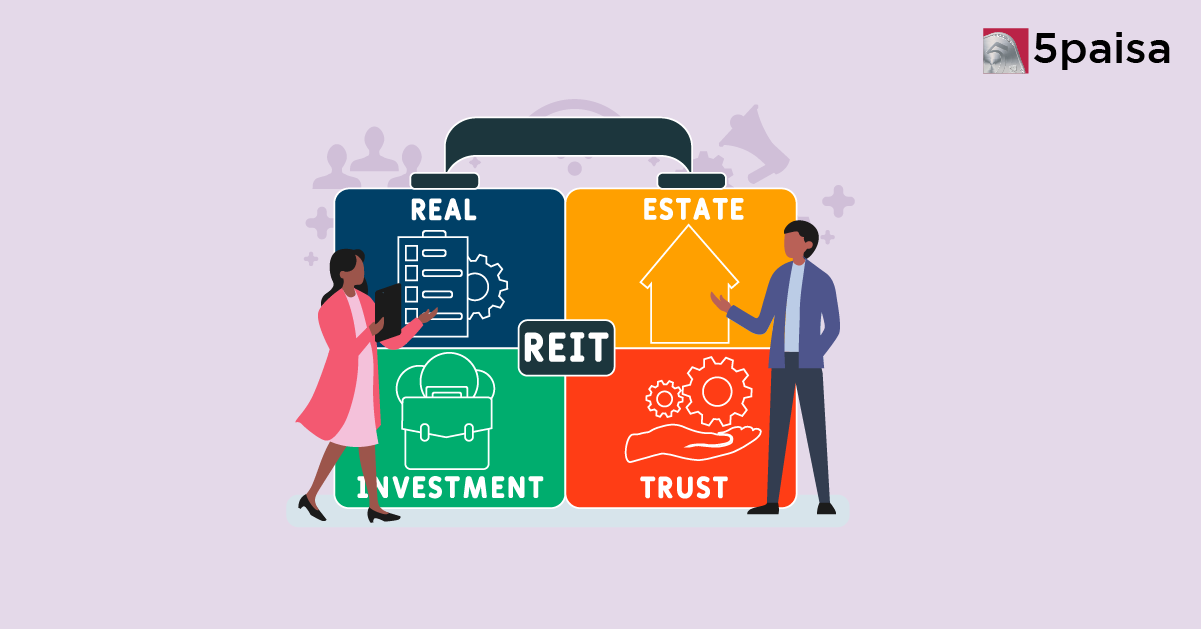
A Real Estate Investment Trust (REIT) is a company that owns or manages buildings that earn money, such as offices, malls, or flats. It lets people invest by buying small shares instead of owning property themselves. These shares can be traded on the stock market, so it’s easy to buy or sell them when needed. Investors get dividends from the rent collected by these properties, giving them a steady source of income.
Simply put, REITs make real estate investment easier for everyone. You don’t need a big amount of money or the hassle of maintaining property. You just invest, keep your units, and earn income as your investment grows over time.
What Is Physical Real Estate?
Physical real estate means owning actual property such as land, houses, or shops. It’s a direct way to invest where you have complete control over what you own. Many people like this because it feels safe and gives a sense of pride. You can earn money by renting it out, waiting for its value to rise, or selling it later for a profit.
However, owning property needs a lot of money at the start. There are also extra costs like registration fees, taxes, and repairs. Even with these expenses, many investors still see real estate as a strong and steady long-term investment.
REITs vs Real Estate: Key Differences
Feature |
REITs |
Physical Real Estate |
| Ownership | You own shares in a property trust. | You own the actual property. |
| Liquidity | Easy to buy and sell through stock exchanges. | Selling property can take time. |
| Initial Investment | Low; suitable for small investors | High; requires large capital |
| Management | Professionally managed; no personal involvement. | You manage or hire someone to do so. |
| Returns | Regular dividends and potential capital gains. | Rental income and property appreciation. |
| Diversification | High; you can invest in different types of properties through REITs. | Low; usually limited to one or two assets. |
| Tax Benefits | Limited tax advantages. | Possible tax deductions on loans and maintenance. |
| Risk Level | Affected by market movements. | Influenced by local demand and property cycles. |
Which Performs Better Over Time?
When it comes to building wealth over time, the best choice depends on your goals and how much risk you can take. REITs usually give steady but moderate returns through dividends and growth in share prices. They are well-regulated and easy to trade, which makes them a good option for people who want safety and flexibility.
Physical real estate can bring higher profits, especially in growing areas, but it also involves more risks and costs. It’s harder to sell quickly, and property prices can change without warning. Investors who are patient and willing to hold on to their property for many years often find it more rewarding in the long run.
Accessibility and Control
REITs are an easy way to invest in property without owning a building. You can start with a small amount of money, see how your investment is doing on the internet, and sell it whenever you like. You don’t have to fix things, deal with tenants, or fill out forms. It’s great for people who want to earn from real estate without doing much work.
Owning a property is different. You can live in it, rent it to others, or make changes to make it worth more. Some people like this because it feels nice to own something real. But owning a property also means you have to spend time and money to take care of it.
Risk and Diversification
One of the good things about REITs is that they let you spread your money across many properties in different places. This helps lower the risk of losing money. If one property doesn’t earn much, the others can make up for it.
With real estate that you own yourself, most people can only buy one or two properties. If people stop renting in that area or prices go down, you might earn less. It’s harder to spread your risk because all your money is in just a few buildings.
Tax and Income Considerations
REIT dividends are taxed, but they still give you a steady flow of money. For many people, it’s like earning rent without having to deal with tenants or fixing things.
Owning property can give you some tax benefits too. You can get deductions on home loans and some costs for looking after the property. But the rent you earn is also taxed, and paying property taxes each year can make owning a home or building more costly over time.
Conclusion
Both REITs and real estate have their own good sides. REITs are simple to buy and sell, making them great for people who want an easy way to invest. Real estate gives you real ownership and can become more valuable over time.
If you want to earn money regularly without doing much work, REITs are a smart choice. But if you enjoy owning something you can see and touch, and you’re ready to wait for its value to grow, real estate could be better.
In the end, having a bit of both is a wise idea. Combining REITs and real estate can help you earn steady income and grow your money safely over time.
Frequently Asked Questions
- Flat ₹20 Brokerage
- Next-gen Trading
- Advanced Charting
- Actionable Ideas
Trending on 5paisa
Disclaimer: Investment in securities market are subject to market risks, read all the related documents carefully before investing. For detailed disclaimer please Click here.