
Treynor Ratio: What It Is, Formula & How to Calculate It
5paisa Capital Ltd


Content
- What Is the Treynor Ratio?
- Formula for the Treynor Ratio
- Treynor Ratio Calculation Explained
- Treynor Ratio Example
- What Does the Treynor Ratio Reveal?
- What Is a Good Treynor Ratio?
- How Is the Treynor Ratio Useful?
- Limitations of the Treynor Ratio
- When Using the Treynor Ratio, Keep in Mind:
- Difference Between the Treynor Ratio and Sharpe Ratio
- Key Takeaways on the Treynor Ratio
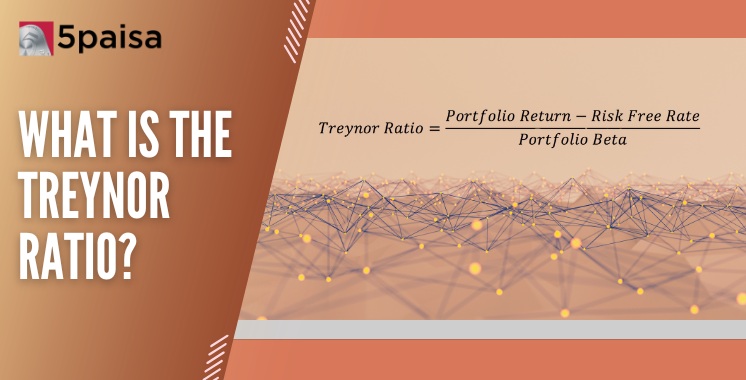
Investors are always looking for ways to measure the risk-adjusted performance of their investments. The Treynor ratio is a popular tool that helps investors evaluate how much excess return they are earning for each unit of market risk they take on. Understanding the Treynor ratio may help you make better investment decisions.

More Articles to Explore
- Difference between NSDL and CDSL
- Lowest brokerage charges in India for online trading
- How to find your demat account number using PAN card
- What are bonus shares and how do they work?
- How to transfer shares from one demat account to another?
- What is BO ID?
- Open demat account without a PAN card - a complete guide
- What are DP charges?
- What is DP ID in a demat account
- How to transfer money from demat account to bank account
Disclaimer: Investment in securities market are subject to market risks, read all the related documents carefully before investing. For detailed disclaimer please Click here.