
What is Demand Pull Inflation?
Swaroop Kollepalli
Last Updated: 16 May 2026, 03:28 PM IST

- What Is Demand-Pull Inflation?
- How Does Demand-Pull Inflation Work?
- Causes of Demand-Pull Inflation
- Examples of Demand-Pull Inflation
- How Can Demand-Pull Inflation Be Managed?
- Limitations of Demand-Pull Inflation
- Conclusion
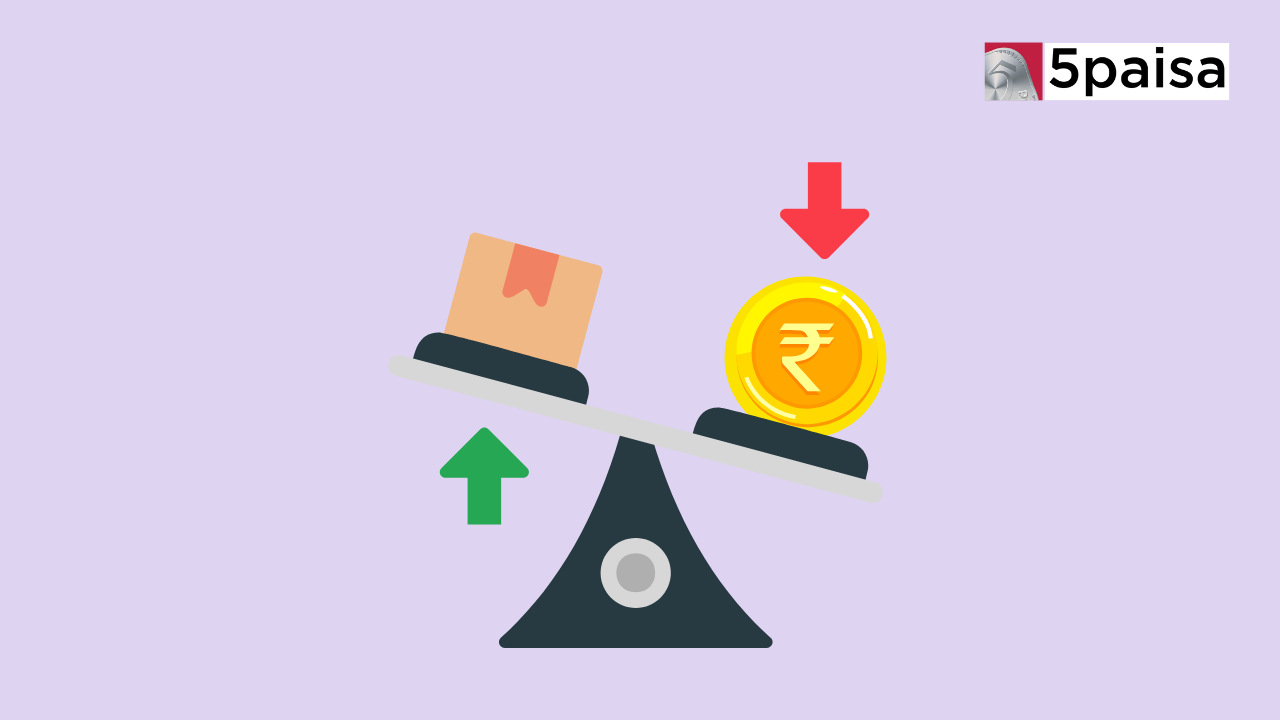
Inflation is a term that we often hear, especially when it comes to managing our finances. It refers to a general increase in the prices of goods and services due to economic changes. When we talk about demand-pull inflation, it specifically refers to a situation where prices rise due to a shortage in the supply of products.


More Articles to Explore
- Bank Rate vs Repo Rate: Key Differences
- What is a Cash Management Bill?
- Fund Flow Statement: Meaning & Format
- Gross NPA vs Net NPA: What’s the Difference?
- How to Track Big Players in the Stock Market
- What is a Takeover? Types & Process
- TTM (Trailing Twelve Months): Meaning & Use
- Types of Risk in Investing Explained
- What is SEBI? Role & Functions
- What is a UPI ID? Meaning & Example
Disclaimer: Investment in securities market are subject to market risks, read all the related documents carefully before investing. For detailed disclaimer please Click here.
Frequently Asked Questions
Economic indicators such as low unemployment rates, high consumer confidence, rising wages, and increasing consumer spending can signal the presence of demand-pull inflation.
Demand-pull inflation can decrease consumers' purchasing power, making it harder to afford necessities. It can also result in higher production costs, wage pressures, and potentially lower profit margins if businesses cannot pass on the increased costs to consumers.
Globalisation can help mitigate demand-pull inflation by providing access to a wider range of products and services from international markets. This increased competition and supply can help balance excessive demand within a single economy and keep prices in check.