Sensex vs Nifty: Understanding the Difference Between India’s Two Major Indices
by
5paisa Capital Ltd
15th Dec 2025

 5paisa Capital Ltd
- 3 min read
5paisa Capital Ltd
- 3 min read
Last Updated: 8th October 2025 - 12:28 pm

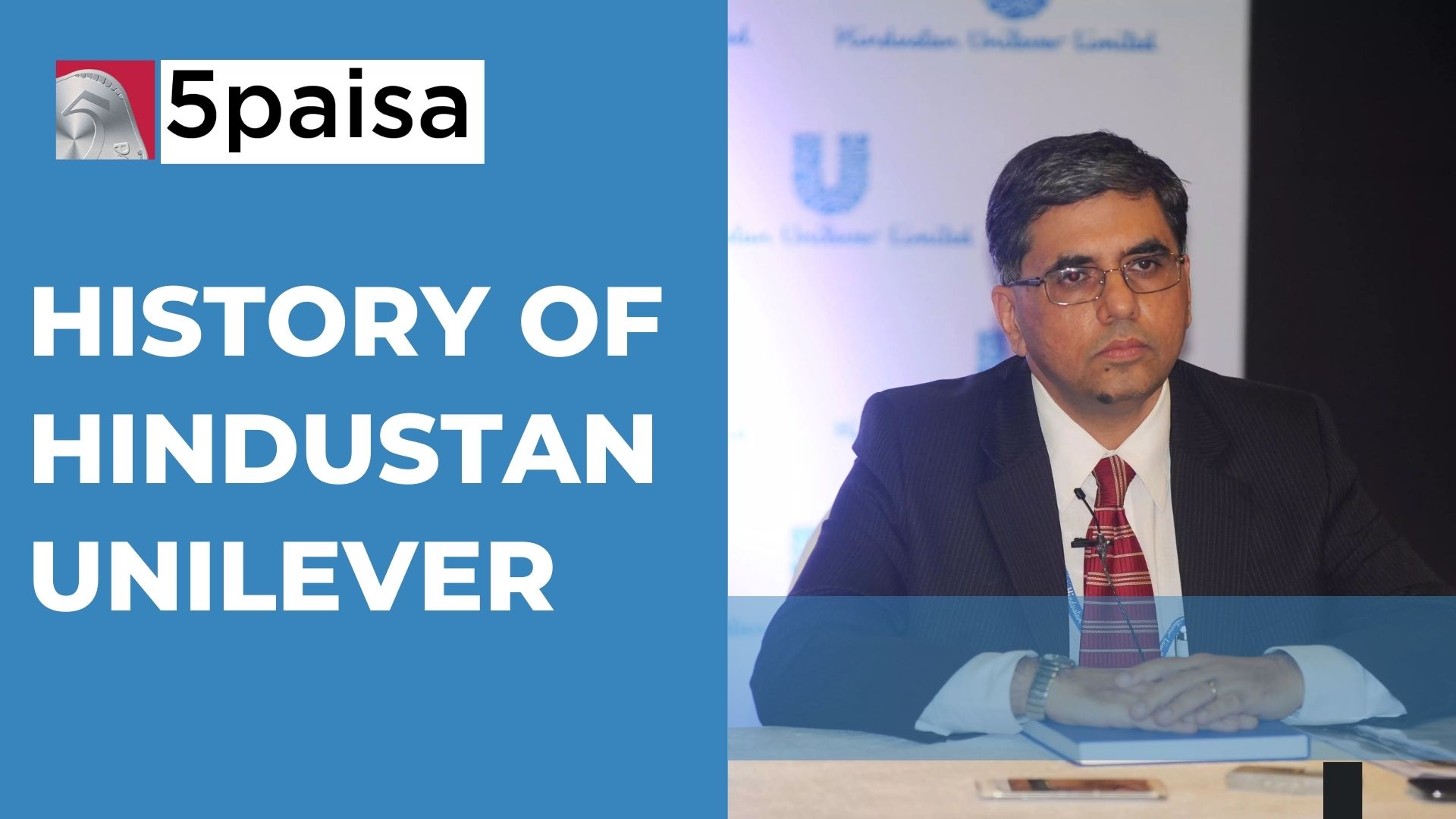
When it comes to the FMCG sector in India, one name that instantly comes to everybody’s mind is Hindustan Unilever Limited (HUL). From introducing India’s first packaged soap to becoming a household name with products like Surf Excel, Dove, and Brooke Bond, HUL’s journey reflects not only the growth of a company but also the evolution of consumer culture in India.
Today, Hindustan Unilever is India’s largest fast-moving consumer goods company, touching the lives of more than 9 out of 10 Indian households. Let’s take a closer look at the fascinating history and growth of this FMCG giant.
The history of HUL dates back to 1888, when Lever Brothers—a British soap-making company—entered the Indian market by exporting Sunlight Soap. This marked the beginning of branded packaged goods in India.
By 1931, Lever Brothers set up its first subsidiary in India, known as Lever Brothers India Limited. Around the same time, two other British companies—United Traders Limited (known for cosmetics and personal care products) and Hindustan Vanaspati Manufacturing Company (producers of Dalda, the iconic vanaspati ghee)—were also established.
These three companies laid the foundation of what would eventually become Hindustan Unilever.
In 1956, a significant milestone was achieved when Lever Brothers India Limited, United Traders Limited, and Hindustan Vanaspati Manufacturing Company merged to form Hindustan Lever Limited (HLL).
This merger was revolutionary for India’s FMCG sector. HLL brought together expertise in soaps, personal care, vanaspati, and packaged food products under one umbrella, making it one of the first true consumer goods giants in India.
From the 1960s onwards, Hindustan Lever began expanding aggressively across product categories:
This diversification helped HUL become a dominant player across multiple FMCG segments.
One of the most remarkable aspects of HUL’s history is its Indianisation strategy. During the 1970s and 1980s, when many multinational companies faced resistance in India, HLL took active steps to localise operations.
The company hired and promoted Indian managers, moving away from a foreign-dominated leadership team.
It adapted products to suit Indian tastes, income levels, and cultural preferences. For example, small sachets of shampoos and detergents made branded products affordable for rural and lower-income households.
Marketing campaigns connected emotionally with Indian consumers, making HUL products household names.
This strategy not only strengthened its market share but also created deep trust with Indian consumers.
In 2007, the company officially changed its name from Hindustan Lever Limited (HLL) to Hindustan Unilever Limited (HUL) to reflect its global identity as part of the Unilever Group.
By then, HUL had already become India’s largest FMCG company, with a presence in every corner of the country and a product portfolio spanning more than 35 brands across 20 categories.
Over the decades, Hindustan Unilever strengthened its portfolio through strategic acquisitions:
These acquisitions helped HUL strengthen its dominance and stay relevant in changing consumer markets.
One of the biggest success factors behind HUL’s dominance is its deep penetration into rural India. Through initiatives like Project Shakti, launched in 2001, HUL partnered with rural women entrepreneurs (Shakti Ammas) to distribute its products in remote villages.
This model not only expanded HUL’s reach but also empowered thousands of women financially, making it a case study in inclusive growth and rural marketing.
HUL has also been at the forefront of sustainability. Aligned with Unilever’s Sustainable Living Plan, the company focuses on:
Such initiatives have strengthened HUL’s image as a socially responsible FMCG leader.
As of 2024, Hindustan Unilever remains the largest FMCG company in India, with a market capitalisation of over ₹6 lakh crore. Its product portfolio includes over 50 brands such as:
HUL continues to serve millions of Indian households daily, adapting to changing consumer trends, including digital-first strategies and health-conscious products.
From introducing the first packaged soap in 1888 to becoming India’s most powerful FMCG brand, Hindustan Unilever’s journey is nothing short of iconic. Its ability to evolve with consumer behavior, penetrate every segment of the market, and build trust across generations makes it a case study in business excellence.
For investors, HUL remains a symbol of consistency, and long-term growth, perfectly reflecting India’s transformation as a consumer-driven economy.
The story of HUL is not just about a company—it is about India’s changing lifestyle, aspirations, and consumption patterns. Truly, Hindustan Unilever is the FMCG giant that grew with India.
02
 5paisa Capital Ltd
Indian Stock Market Related Articles
Sensex vs Nifty: Understanding the Difference Between India’s Two Major Indices

Buyback of Shares: Key Advantages and Disadvantages Explained
Basic EPS vs Diluted EPS: What’s the Difference and Why It Matters
What Is Redemption of Preference Shares? Meaning and Process Explained
Disclaimer: Investment in securities market are subject to market risks, read all the related documents carefully before investing. For detailed disclaimer please Click here.