 5paisa Capital Ltd
Specialised Investment Funds (SIFs): Structure & Taxation in India
by
5paisa Capital Ltd
12th Dec 2025

 5paisa Capital Ltd
- 3 min read
5paisa Capital Ltd
- 3 min read
Last Updated: 28th November 2025 - 04:56 pm

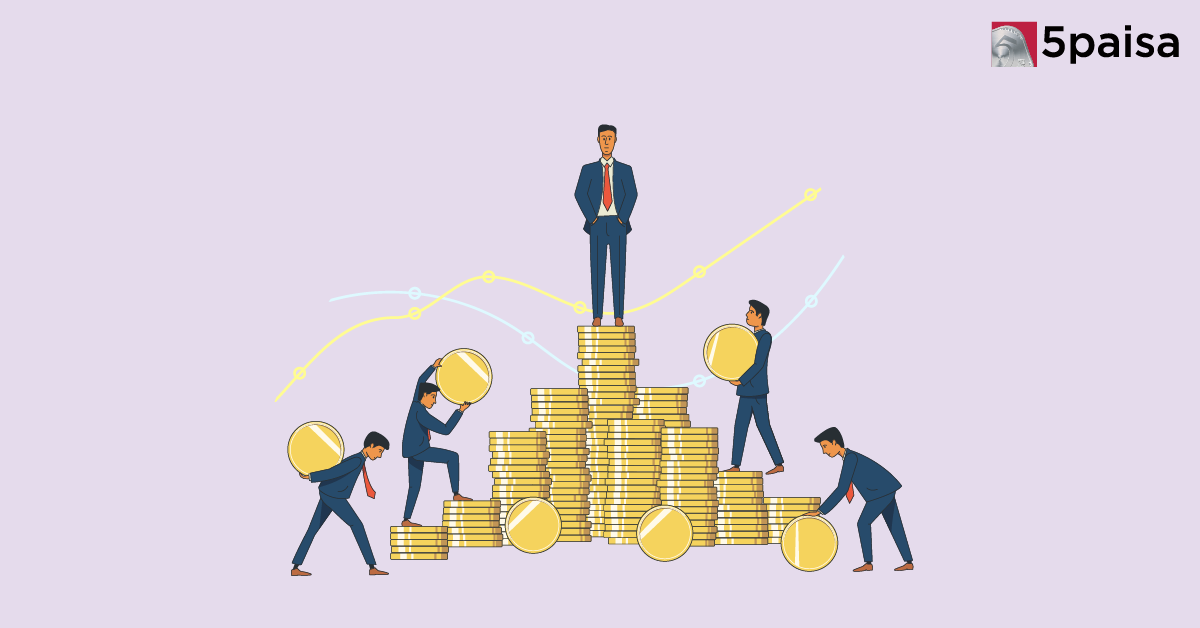
More than just a milestone, turning 50 is a financial wake-up call. Whether you are raising children, supporting ageing parents, or just beginning to think seriously about retirement, this decade is indeed pivotal. The good news? It's not too late.
Actually, investing at 50 can rank high among the smartest things you ever do financially, if you do so with clarity, strategy, and purpose.
This guide will assist you with investing at 50, selecting asset mixes, and constructing a portfolio that supports your retirement goals without taking on unwarranted risk.
 Invest in Indian Markets and Unlock Future Potential With 5paisa!
By your 50s, your earning potential may be at its peak. But so are your responsibilities, and the clock is ticking toward retirement. That means every investment decision must balance growth, risk, and liquidity.
Unlike your 30s or 40s, you can't afford major mistakes now. That’s why late-career investment planning focuses more on stability and income, rather than aggressive wealth accumulation.
Before you start adjusting your portfolio, ask yourself:
These questions form the foundation of your retirement investing strategies. They will influence your investment timeline, withdrawal plans, and how much risk your portfolio can tolerate.
Your 50s require a strategic mix of assets. Here's how to think about asset allocation in your 50s:
This balance allows you to continue building wealth after 50 while reducing your exposure to volatility.
Not all products are created equal. Here are the best investments for people in their 50s:
And remember: Always review the market capitalisation and tax treatment of each asset before investing.
If you’re behind on retirement savings, now’s the time to take advantage of a catch-up contributions strategy for over 50. Most retirement accounts allow individuals over 50 to contribute extra each year.
Ask your financial planner about contribution caps in your region. This step is crucial for saving for retirement in your 50s.
By your mid-to-late 50s, rebalancing becomes vital. Here’s how to balance your portfolio in 50s before retirement:
This reduces volatility while keeping your long-term goals in sight.
You can’t eliminate risk entirely, but you can manage it. Here’s how:
If you’re wondering, “how much risk should I take in my 50s?”, the answer is: only what supports your retirement timeline and income needs.
Tax efficiency becomes more important as your income grows. Consider the following:
Ask your advisor how to minimise taxes in retirement investing, especially if you have international assets or multiple income streams.
At age 50, how will you determine what might be the right investment? This obviously depends on your goal, lifestyle, and retirement timeline.
Nowadays, you have more tools than ever to build a solid financial future. Whether you're adjusting your equity exposure, adding target-date funds, or planning your first retirement income strategy, this decade can be your most financially powerful yet.
Personal Finance Related Articles
Specialised Investment Funds (SIFs): Structure & Taxation in India

MOA vs AOA: Key Differences Between Memorandum and Articles of Association
Research Analyst vs Investment Advisor: What’s the Real Difference?
How to Calculate HRA in Salary: A Practical Salary Breakdown
Disclaimer: Investment in securities market are subject to market risks, read all the related documents carefully before investing. For detailed disclaimer please Click here.