 5paisa Capital Ltd
Retirement Planning & Wealth Creation Strategies
by
5paisa Capital Ltd
2nd Dec 2025

 5paisa Capital Ltd
- 3 min read
5paisa Capital Ltd
- 3 min read
Last Updated: 2nd December 2025 - 10:32 am

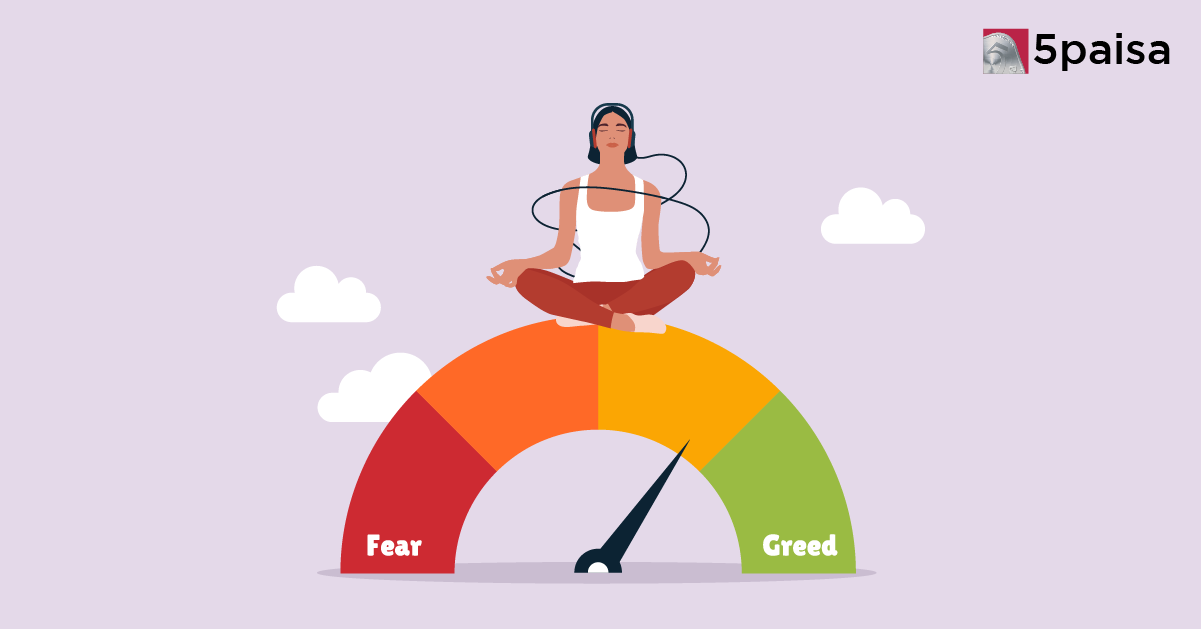
Investing is not only about numbers and charts. It is also about emotions. Every investor feels moments of fear and greed. These two emotions often decide whether we make money or lose it. Learning to manage them is a big step towards becoming a confident and successful investor.
Markets rise and fall all the time. When they rise, greed takes over. When they fall, fear steps in. Both can lead to poor decisions. Emotional investing makes people buy or sell at the wrong time.
The truth is simple. The more you control your emotions, the better your chances of long-term success.
Emotions affect how we see risk and reward. Fear can make small dips feel like disasters. Greed can make average returns seem too small. The right balance helps investors stay patient and rational even when markets get noisy.
Fear is one of the strongest human emotions. In investing, it often shows up as panic selling or hesitation. Many investors sell during market downturns to “cut losses”, but they usually end up missing the recovery. This behaviour is driven by what experts call loss aversion — the pain of losing feels stronger than the joy of gaining.
Fear also causes some people to stay away from the market completely. They prefer safety, even if it means losing the chance to grow their wealth.
Another common form of fear is the fear of missing out or FOMO. Investors see others making quick profits and they also rush in without proper analysis. This often leads to buying high and selling low and making a loss.
Greed works in the opposite direction but is just as dangerous. It makes investors take excessive risks for the promise of higher returns. When greed grows, logic fades. Investors chase hot stocks, overtrade, or hold on to gains too long.
Greed is also behind market bubbles. When prices rise too fast, people ignore real value. They believe the trend will never end. But every bubble bursts eventually, and those driven by greed face the biggest losses.
| Emotion | Behaviour | Typical Outcome |
| Fear | Panic selling during market falls | Locks in losses |
| Fear | Avoiding investment altogether | Missed growth opportunities |
| Greed | Chasing trending or overhyped stocks | High risk of loss |
| Greed | Ignoring portfolio balance | Increased exposure and volatility |
Emotions cannot be removed, but they can be managed. Successful investors use discipline and a clear plan to make decisions. Here are a few strategies that can help:
Think about how much loss you can handle without worrying too much. Set a clear limit for yourself. This will help you stay calm when the market goes up or down.
Markets move every day, but that’s normal. Don’t get upset by small changes. Have clear goals, make a plan, and follow it even when things look uncertain.
Put in a fixed amount of money at regular times. This helps balance out price changes and keeps your investing habit steady.
Spread your money across different types of investments. This way, if one does badly, the others can still do well. It keeps your money safer.
Look at your investments from time to time. If one has grown a lot, you can sell a bit of it. If another has dropped, you can add more. This helps you stay balanced.
Sometimes people on social media or the news talk about “hot” stocks. Don’t rush to buy them. Always do your own homework before making a decision.
The more you learn about investing, the less you will worry. When you understand why markets change, it’s easier to stay relaxed. Trust facts, not feelings.
Your way of thinking affects how you invest. The stock market always goes up and down, just like a roller coaster. These changes are normal and happen all the time. People who stay calm when things get uncertain usually do better in the end.
Having discipline is better than acting on emotions. Even expert investors feel nervous or excited sometimes. But they learn to stay cool and make smart choices instead of quick ones.
Always remember, patience and regular effort are your best friends. Investing is not a way to get rich fast. It’s a slow and steady journey that rewards people who plan ahead and wait for their money to grow.
The psychology of investing means learning to understand yourself. Knowing how you think and feel is just as important as knowing about the stock market. Feelings like fear and greed will always be there, but what really matters is how you deal with them.
When you stay calm, follow your plan, and think about your long-term goals, you can avoid big mistakes. This also helps you make better and smarter choices with your money.
In the end, being a good investor isn’t only about how much you know. It’s also about how well you control your thoughts and emotions. Stay patient, stay focused, and let your plan guide you — not your feelings.
Personal Finance Related Articles
Retirement Planning & Wealth Creation Strategies
REITs vs Real Estate: Which is Better for Long-Term Wealth Creation?

Top 10 Personal Finance Lessons for First-Time Salaried Employees
NRI Investing in India: Top Mistakes and How to Avoid Them
Disclaimer: Investment in securities market are subject to market risks, read all the related documents carefully before investing. For detailed disclaimer please Click here.