કન્ટેન્ટ
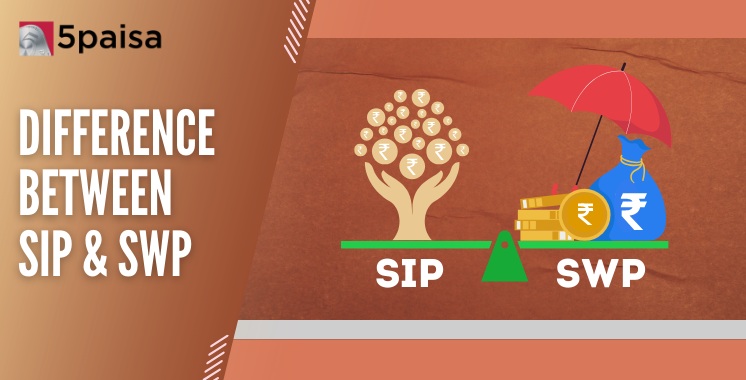
જ્યારે તમે મ્યુચ્યુઅલ ફંડ પસંદ કરો છો, ત્યારે તમે SIP અને SWP વિશે સાંભળ્યું હોવાની ઉચ્ચ સંભાવના છે. જોકે બંને શરતો સમાન જણાય છે, પરંતુ તેઓ વાસ્તવમાં વિવિધ ઉપયોગો ધરાવે છે. SIP એ એક સાધન છે જેના દ્વારા તમે વ્યવસ્થિત રીતે ઇન્વેસ્ટમેન્ટ કરી શકો છો. બીજી બાજુ, SWP એ સાધન છે જેના દ્વારા તમે વ્યવસ્થિત રીતે તમારા ઇન્વેસ્ટમેન્ટમાંથી ફંડ પાછી ખેંચી શકો છો.
આ લેખનો હેતુ SIP અને SWP વચ્ચે ભેદ પાડવાનો છે અને આમાંથી દરેક કેવી રીતે કામ કરે છે તે વિશે શીખવાનો છે.
સંપૂર્ણ લેખ અનલૉક કરો - Gmail સાથે સાઇન ઇન કરો!
5paisa લેખો સાથે તમારા બજારના જ્ઞાનને વિસ્તૃત કરો
એસઆઇપી શું છે?
સિસ્ટમેટિક ઇન્વેસ્ટમેન્ટ પ્લાન (SIP) એ ચોક્કસ રકમને નિયમિતપણે મ્યુચ્યુઅલ ફંડ સ્કીમમાં ઇન્વેસ્ટમેન્ટ કરવાની પદ્ધતિ છે. આ પદ્ધતિ રોકાણકારોને મોટી રકમનું રોકાણ કર્યા વિના સમય જતાં તેમની સંપત્તિ એકત્રિત કરવામાં સક્ષમ બનાવે છે.
જો કોઈ ઇન્વેસ્ટર ઇક્વિટી મ્યુચ્યુઅલ ફંડ સ્કીમમાં દર મહિને ₹5,000 નું રોકાણ કરે છે, તો તે/તેણીને જ્યારે કિંમતોમાં ઘટાડો થાય ત્યારે વધુ એકમો મળે છે અને જ્યારે કિંમતો વધે ત્યારે ઓછા એકમો મળે છે. આમ, SIP ઇન્વેસ્ટમેન્ટ ખર્ચ સરેરાશ કરવામાં મદદ કરે છે.
એસઆઇપી કેવી રીતે કામ કરે છે?
SIP સરળ શબ્દોમાં કેવી રીતે કામ કરે છે તે અહીં આપેલ છે:
- મ્યુચ્યુઅલ ફંડ સ્કીમ પસંદ કરો.
- તમે કેટલું ઇન્વેસ્ટ કરવા માંગો છો તે નક્કી કરો.
- રોકાણની ફ્રીક્વન્સી પસંદ કરો, જેમ કે માસિક.
- પસંદ કરેલી રકમ ઑટોમેટિક રીતે પસંદ કરેલી તારીખે ઇન્વેસ્ટ કરવામાં આવે છે.
- સમય જતાં ફંડના મૂલ્યમાં ફેરફાર થવાને કારણે તમારું ઇન્વેસ્ટમેન્ટ વધે છે.
એસઆઇપીના લાભો
- નાના, નિયમિત યોગદાન સાથે રોકાણને સરળ બનાવે છે.
- શિસ્તબદ્ધ રોકાણને પ્રોત્સાહિત કરે છે.
- રૂપિયાની સરેરાશ કિંમત દ્વારા બજારની વધઘટની અસરને ઘટાડવામાં મદદ કરે છે.
- લાંબા ગાળાના સંયોજનનો લાભ પ્રદાન કરે છે.
- નવા રોકાણકારો તેમજ અનુભવી રોકાણકારો માટે યોગ્ય.
એસડબ્લ્યુપી શું છે?
સિસ્ટમેટિક ઉપાડ પ્લાન (SWP) એ છે કે જ્યાં તમે સમયાંતરે મ્યુચ્યુઅલ ફંડ પર તમારા ઇન્વેસ્ટમેન્ટમાંથી ચોક્કસ રકમ ઉપાડો છો. અહીં તફાવત એ છે કે જ્યારે તમે નાણાંનું ઇન્વેસ્ટમેન્ટ કરતા હતા, ત્યારે હવે તમને તમારા ઇન્વેસ્ટમેન્ટ સાથે નાણાં પ્રાપ્ત થાય છે.
તમારી બચતમાંથી નિયમિત ઇન્કમ પ્રાપ્ત કરવા તરીકે તેને વિચારો. આ જ કારણ છે કે ઘણા નિવૃત્ત વ્યક્તિઓ અને સમયાંતરે રોકડ પ્રવાહ શોધી રહેલા રોકાણકારો SWP પસંદ કરે છે.
એસડબલ્યુપી કેવી રીતે કામ કરે છે?
પ્રક્રિયા સરળ છે:
- મ્યુચ્યુઅલ ફંડમાં એકસામટી રકમનું રોકાણ કરો.
- ઉપાડની રકમ અને ફ્રીક્વન્સી પસંદ કરો.
- ફંડ દરેક ઉપાડની તારીખ પર જરૂરી એકમોની સંખ્યા રિડીમ કરે છે.
- બાકીના એકમો રોકાણ ચાલુ રાખે છે અને બજારના પ્રદર્શનના આધારે વૃદ્ધિ કરી શકે છે.
ઉદાહરણ તરીકે, જો તમે ₹15 લાખ નું ઇન્વેસ્ટ કરો છો અને દર મહિને ₹15,000 નું એસડબ્લ્યુપી સેટ કરો છો, તો મ્યુચ્યુઅલ ફંડ દર મહિને ₹15,000 ના મૂલ્યના એકમો રિડીમ કરે છે જ્યારે બૅલેન્સ ઇન્વેસ્ટ કરવામાં આવે છે.
SWP ના લાભો
- નિયમિત ઇન્કમ પ્રદાન કરે છે.
- નિવૃત્તિ પછી માસિક ખર્ચને મેનેજ કરવામાં મદદ કરે છે.
- બાકીના રોકાણને રોકાણમાં રાખે છે.
- ઉપાડને બદલવા અથવા રોકવા માટેની સુવિધા પ્રદાન કરે છે.
- એક જ સમયે સંપૂર્ણ રકમ ઉપાડવા કરતાં વધુ ટૅક્સ-કાર્યક્ષમ હોઈ શકે છે.
SIP vs SWP: Key Differences
SIP વર્સેસ SWP વચ્ચેનો તફાવત નીચે આપેલ છે:
|
ફીચર
|
SIP
|
SWP
|
|
હેતુ
|
સંપત્તિ બનાવો
|
નિયમિત ઇન્કમ બનાવો
|
|
રોકડ પ્રવાહ
|
પૈસા ફંડમાં જાય છે
|
પૈસા ફંડમાંથી બહાર આવે છે
|
|
આ માટે શ્રેષ્ઠ
|
પગારદાર વ્યક્તિઓ અને લાંબા ગાળાના રોકાણકારો |
નિવૃત્ત વ્યક્તિઓ અને નિયમિત આવકની જરૂર હોય તેવા રોકાણકારો
|
|
રોકાણની શૈલી
|
નિયમિત ઇન્વેસ્ટમેન્ટ
|
નિયમિત ઉપાડ
|
|
બજારની અસર
|
ખરીદીનો સરેરાશ ખર્ચ કરવામાં મદદ કરે છે
|
ઉપાડનું મૂલ્ય ફંડના પ્રદર્શન પર આધારિત છે
|
|
સુગમતા
|
રકમ અને ફ્રીક્વન્સી બદલી શકાય છે
|
ઉપાડની રકમ અને ફ્રીક્વન્સી બદલી શકાય છે
|
|
કરવેરા
|
જ્યારે એકમો રિડીમ કરવામાં આવે ત્યારે ટૅક્સ લાગુ પડે છે
|
જો મૂડી લાભ ઉદ્ભવે તો દરેક ઉપાડ પર ટૅક્સ લાગુ પડે છે
|
|
જોખમ
|
માર્કેટ રિસ્ક રિટર્નને અસર કરે છે
|
બજાર રિસ્ક સમય જતાં ઇન્વેસ્ટમેન્ટ મૂલ્યમાં ઘટાડો કરી શકે છે
|
SIP અથવા SWP: તમારે કયું પસંદ કરવું જોઈએ?
યોગ્ય પસંદગી તમારા ફાઇનાન્શિયલ લક્ષ્ય પર આધારિત છે.
જો તમે SIP પસંદ કરો:
- લાંબા ગાળે સંપત્તિ બનાવવા માંગો છો.
- નિયમિત માસિક ઇન્કમ ધરાવે છે.
- ઘર, શિક્ષણ અથવા નિવૃત્તિ જેવા લક્ષ્યો માટે બચત કરી રહ્યા છે.
- માર્કેટના ઉતાર-ચઢાવ દ્વારા રોકાણ કરી શકાય છે.
જો તમે SWP પસંદ કરો:
- સ્થિર આવકના સ્ત્રોતની જરૂર છે.
- પહેલેથી જ નોંધપાત્ર ઇન્વેસ્ટમેન્ટ કર્યું છે.
- નિવૃત્તિના ખર્ચને મેનેજ કરવા માંગો છો.
- સંપૂર્ણ ઇન્વેસ્ટમેન્ટને રિડીમ કરવાને બદલે નિયમિત ઉપાડને પસંદ કરો.
ઘણા કિસ્સાઓમાં, રોકાણકારો બંનેનો ઉપયોગ કરે છે. તેઓ તેમના કાર્યકારી વર્ષો દરમિયાન SIP દ્વારા રોકાણ કરે છે અને પછી નિવૃત્તિ પછી નિયમિત ઇન્કમ પ્રાપ્ત કરવા માટે SWP પર સ્વિચ કરે છે.
SIP અને SWP ની ટૅક્સ સારવાર
SIP અને SWP માટે ટૅક્સના નિયમો અલગ હોય છે કારણ કે જ્યારે મ્યુચ્યુઅલ ફંડ એકમો રિડીમ કરવામાં આવે ત્યારે ટૅક્સેશન થાય છે.
| પાસું |
SIP |
SWP |
|
રોકાણ પર ટેક્સ
|
ના
|
લાગુ નથી
|
|
ઉપાડ પર ટૅક્સ
|
જ્યારે એકમોને રિડીમ કરવામાં આવે ત્યારે મૂડી લાભ ટૅક્સ લાગુ પડે છે
|
મૂડી લાભ ટૅક્સ દરેક ઉપાડ પર લાગુ થઈ શકે છે |
|
ઇક્વિટી મ્યુચ્યુઅલ ફંડ
|
ટૅક્સ હોલ્ડિંગ અવધિ અને લાગુ મૂડી લાભ નિયમો પર આધારિત છે
|
રિડીમ કરેલા એકમો પર સમાન નિયમો લાગુ પડે છે
|
|
ડેબ્ટ મ્યુચ્યુઅલ ફંડ
|
ટૅક્સ સારવાર વર્તમાન ટૅક્સ નિયમો પર આધારિત છે
|
SIP રિડમ્પશનની જેમ
|
ધ્યાનમાં રાખો કે ટૅક્સ નિયમો બદલાઈ શકે છે. રોકાણના નિર્ણય લેતા પહેલા નવા નિયમો તપાસવા માટે હંમેશા ઉપયોગી છે.
SIP અને SWP ના જોખમો
SIP અને એસડબ્લ્યુપી બંને મ્યુચ્યુઅલ ફંડમાં રોકાણ કરે છે, જેથી તેઓ બજારની હિલચાલથી પ્રભાવિત થાય છે.
SIP જોખમો
- રિટર્નની ગેરંટી નથી.
- ટૂંકા ગાળાની બજારની અસ્થિરતા પોર્ટફોલિયો વેલ્યૂને અસર કરી શકે છે.
- ઇન્વેસ્ટમેન્ટને ખૂબ વહેલી તકે રોકવાથી લાંબા ગાળાના લાભો ઘટાડી શકાય છે.
SWP જોખમો
- મોટા ઉપાડ તમારા રોકાણને ઝડપી ઘટાડી શકે છે.
- ખરાબ માર્કેટ પરફોર્મન્સ બાકી ફંડ વેલ્યૂને અસર કરી શકે છે.
- અયોગ્ય ઉપાડની રકમ પસંદ કરવાથી તમારા ઇન્વેસ્ટમેન્ટનું જીવન ઓછું થઈ શકે છે.
સારી રીતે આયોજિત ઇન્વેસ્ટમેન્ટ વ્યૂહરચના અને નિયમિત પોર્ટફોલિયો સમીક્ષાઓ આ જોખમોને મેનેજ કરવામાં મદદ કરી શકે છે.
નિષ્કર્ષ
SIP અને SWP તમારી ફાઇનાન્શિયલ મુસાફરીના વિવિધ તબક્કાઓ માટે ડિઝાઇન કરેલ છે. SIP તમને નિયમિત ઇન્વેસ્ટમેન્ટ દ્વારા સંપત્તિ બનાવવામાં મદદ કરે છે, જ્યારે SWP તમને જરૂર પડે ત્યારે તે ઇન્વેસ્ટમેન્ટને સ્થિર આવકમાં રૂપાંતરિત કરવામાં મદદ કરે છે.
જો તમારું લક્ષ્ય લાંબા ગાળાનું સંપત્તિ નિર્માણ છે, તો SIP સામાન્ય રીતે વધુ સારી પસંદગી છે. જો તમારી પાસે પહેલેથી જ રોકાણ છે અને નિયમિત રોકડ પ્રવાહની જરૂર છે, તો SWP એક વ્યવહારિક ઓપ્શન હોઈ શકે છે. ઘણા રોકાણકારો તેમના મ્યુચ્યુઅલ ફંડ ઇન્વેસ્ટમેન્ટમાંથી સૌથી વધુ મેળવવા માટે જીવનના વિવિધ તબક્કામાં બંનેનો ઉપયોગ કરે છે.